# Cantonese Animals Vocabulary: Learn 100+ Animal Names in Cantonese Fast
> Lists of Cantonese animal vocabulary with pronunciation, examples, and phrases. Covers pets, farm animals, wild animals, zodiac animals, and more.
**URL:** https://migaku.com/blog/chinese/cantonese-animals-vocabulary
**Last Updated:** 2026-03-07
**Tags:** vocabulary, phrases
---
Learning animal vocabulary in Cantonese opens up a whole world of conversation topics, from talking about pets to understanding Chinese zodiac references. Whether you're planning to visit Hong Kong, connect with Cantonese-speaking family, or just expand your language skills, knowing how to talk about animals gives you practical vocabulary you'll use. This guide covers everything from common pets to wild animals, complete with pronunciation help and real examples you can start using right away.🐕🐇
---
## Common pets in Cantonese
Let's start with the animals you're most likely to talk about in everyday conversation. Pets are a natural conversation starter, and knowing these words helps you connect with Cantonese speakers on a personal level.
| Cantonese | Pronunciation | English |
| - | - | - |
| 狗 | gau2 | Dog — pretty straightforward, you'll hear this all the time |
| 狗仔 | gau2 zai2 | Puppy — 仔 indicates something small or young |
| 貓 | maau1 | Cat |
| 貓仔 | maau1 zai2 | Kitten — follows the same 仔 pattern |
| 兔仔 | tou3 zai2 | Rabbit — 仔 shows up again for small or cute animals |
| 魚 | jyu2 | Fish |
| 雀仔 | zoek3 zai2 | Small bird — for pet birds |
| 鸚鵡 | jing1 mou5 | Parrot |
| 倉鼠 | cong1 syu2 | Hamster — literally "warehouse mouse" |
| 龜 | gwai1 | Turtle |
| 天竺鼠 | tin1 zuk1 syu2 | Guinea pig |
Here's a practical example: "Do you remember its name in Cantonese?" If someone asks you about your pet dog, you might say: 我養咗隻狗 (ngo5 joeng5 zo2 zek3 gau2), which means "I have a dog."
The measure word 隻 (zek3) is used for animals, and yes, [measure words for animals](https://migaku.com/blog/chinese/chinese-classifiers-guide-measure-words) do change based on context or formality, though 隻 works for most situations.
---
## Farm animals you should know
Farm animals come up more often than you'd think, especially in idioms and cultural references. Let's cover the basics.
| Cantonese | Pronunciation | English |
| - | - | - |
| 牛 | ngau4 | Cow / cattle — also appears in 牛奶 (ngau4 naai5) meaning "cow milk" |
| 豬 | zyu1 | Pig |
| 雞 | gai1 | Chicken |
| 公雞 | gung1 gai1 | Rooster |
| 雞乸 | gai1 naa2 | Hen |
| 馬 | maa5 | Horse |
| 羊 | joeng4 | Sheep — can refer to both sheep and goats |
| 山羊 | saan1 joeng4 | Goat — literally "mountain sheep" |
| 鴨 | aap3 | Duck |
| 鵝 | ngo4 | Goose — pronunciation sounds similar to 鴨 for beginners |
| 水牛 | seoi2 ngau4 | Water buffalo — seen in rural areas |
A useful phrase: 雞同鴨講 (gai1 tung4 aap3 gong2) literally means "chicken talking to duck" and describes people talking past each other, like the English phrase "talking at cross purposes." Pretty cool how animal vocabulary shows up in everyday expressions!
---
## Wild animals and zoo animal names
When you visit a zoo or talk about wildlife, you'll need these words. Wild animals in Cantonese often have characters that hint at their characteristics.
| Cantonese | Pronunciation | English |
| - | - | - |
| 老虎 | lou5 fu2 | Tiger — 老 means "old" but here it's more like "venerable" or "big" |
| 獅子 | si1 zi2 | Lion |
| 熊 | hung4 | Bear |
| 北極熊 | bak1 gik6 hung4 | Polar bear |
| 熊貓 | hung4 maau1 | Panda — literally "bear cat" |
| 大象 | daai6 zoeng6 | Elephant — 大 means "big" |
| 猴子 | hau4 zi2 | Monkey |
| 大猩猩 | daai6 sing1 sing1 | Gorilla |
| 斑馬 | baan1 maa5 | Zebra — literally "striped horse" |
| 長頸鹿 | coeng4 geng2 luk6 | Giraffe — literally "long neck deer" |
| 河馬 | ho4 maa5 | Hippo — literally "river horse" |
| 犀牛 | sai1 ngau4 | Rhino |
| 狼 | long4 | Wolf |
| 狐狸 | wu4 lei4 | Fox |
| 鹿 | luk6 | Deer |
| 袋鼠 | doi6 syu2 | Kangaroo — literally "pouch mouse" |
---
## Birds, insects, and reptiles in Cantonese vocabulary
These categories round out your animal vocabulary and help you describe the natural world around you.
| Cantonese | Pronunciation | English |
| - | - | - |
| 烏鴉 | wu1 aa1 | Crow |
| 貓頭鷹 | maau1 tau4 jing1 | Owl — literally "cat head eagle" |
| 鷹 | jing1 | Eagle |
| 鴿子 | gap3 zi2 | Pigeon |
| 天鵝 | tin1 ngo4 | Swan |
| 蛇 | se4 | Snake — one of the zodiac animals |
| 蜥蜴 | sik1 jik6 | Lizard |
| 鱷魚 | ngok6 jyu2 | Crocodile — literally "crocodile fish" |
| 青蛙 | cing1 waa1 | Frog |
| 蝴蝶 | wu4 dip6 | Butterfly |
| 蜜蜂 | mat6 fung1 | Bee |
| 螞蟻 | maa5 ngai5 | Ant |
| 蜘蛛 | zi1 zyu1 | Spider |
| 蚊 | man1 | Mosquito |
| 蒼蠅 | cong1 jing4 | Fly |
| 海龜 | hoi2 gwai1 | Sea turtle |
---
## Beyond basic vocabulary
Prehistoric animals come up in educational contexts. Dinosaurs are 恐龍 (hung2 lung4), literally "terrifying dragon." Different dinosaur species have specific names, usually transliterations of English terms combined with 龍.
Mythological creatures appear in stories and cultural references. Besides dragons, you've got phoenixes 鳳凰 (fung6 wong4) and qilin 麒麟 (kei4 leon4), a mythical hooved creature.
Animal sounds in Cantonese are fun too. Dogs go "汪汪" (wong1 wong1), cats go "喵喵" (miu1 miu1), and cows go "哞哞" (mau1 mau1). These onomatopoeia words differ from English, so they're worth learning if you're teaching kids or want to sound more native.
---
## Chinese zodiac animals
[The zodiac animals](https://migaku.com/blog/chinese/chinese-zodiac-animals-meanings) are culturally significant and come up constantly in Cantonese conversations, especially around Lunar New Year. Knowing these helps you understand birth year references and personality descriptions.
The twelve zodiac animals in order are:
| Cantonese | Pronunciation | Zodiac Animal |
| - | - | - |
| 鼠 | syu2 | 🐭 Rat |
| 牛 | ngau4 | 🐂 Ox |
| 虎 | fu2 | 🐅 Tiger |
| 兔 | tou3 | 🐇 Rabbit |
| 龍 | lung4 | 🐉 Dragon |
| 蛇 | se4 | 🐍 Snake |
| 馬 | maa5 | 🐎 Horse |
| 羊 | joeng4 | 🐐 Goat |
| 猴 | hau4 | 🐒 Monkey |
| 雞 | gai1 | 🐓 Rooster |
| 狗 | gau2 | 🐕 Dog |
| 豬 | zyu1 | 🐖 Pig |
People often ask "你屬咩?" (nei5 suk6 me1), meaning "What's your zodiac sign?" You'd answer with 我屬 (ngo5 suk6) plus the animal. For example, "我屬龍" (ngo5 suk6 lung4) means "I'm a Dragon."
Dragons are particularly special in Chinese culture and don't exist in real life, but they're considered the most auspicious zodiac sign. Each animal is believed to influence personality traits, so learning these zodiac animals gives you insight into cultural beliefs and conversation topics.
---
## Animal proverbs and common phrases
Cantonese is packed with animal-related sayings that make your speech more colorful and natural. These phrases show how deeply animals are woven into the language.
1. "狗咬狗骨" (gau2 ngaau5 gau2 gwat1) means "dog bites dog bone" and describes infighting or people turning on each other.
2. "馬後炮" (maa5 hau6 paau3) literally means "cannon behind the horse" and refers to hindsight wisdom, like Monday morning quarterbacking.
3. "老虎頭上釘虱乸" (lou5 fu2 tau4 soeng6 deng1 sat1 naa2) translates to "putting a flea on a tiger's head" and means doing something extremely dangerous or foolish.
4. "雞蛋裏挑骨頭" (gai1 daan6 leoi5 tiu1 gwat1 tau4) is "picking bones from an egg," meaning being overly critical or nitpicky.
5. "一雞死一雞鳴" (jat1 gai1 sei2 jat1 gai1 ming4) says "one chicken dies, another crows," expressing that life goes on or there's always a replacement.
6. "笨豬跳" (ban6 zyu1 tiu3) literally means "stupid pig jump" and is what Cantonese speakers call bungee jumping!
These expressions make your Cantonese sound way more natural. Native speakers love when learners use idioms correctly.
---
## Learn words for animals in Cantonese systematically
1. Group Cantonese animals by category when you study. Learn all the pets one day, farm animals the next, then wild animals. This thematic approach helps your brain create connections between related words.
2. Practice using measure words correctly. While 隻 (zek3) works for most animals, you'll occasionally hear 條 (tiu4) for snakes and fish because they're long and thin. Context matters, though in casual conversation, people are pretty forgiving of measure word mistakes.
3. Watch nature documentaries in Cantonese if you can find them. Hong Kong TV stations produce wildlife content that uses all this vocabulary naturally. Even kids' shows work great because they tend to feature animals prominently and use simpler language.
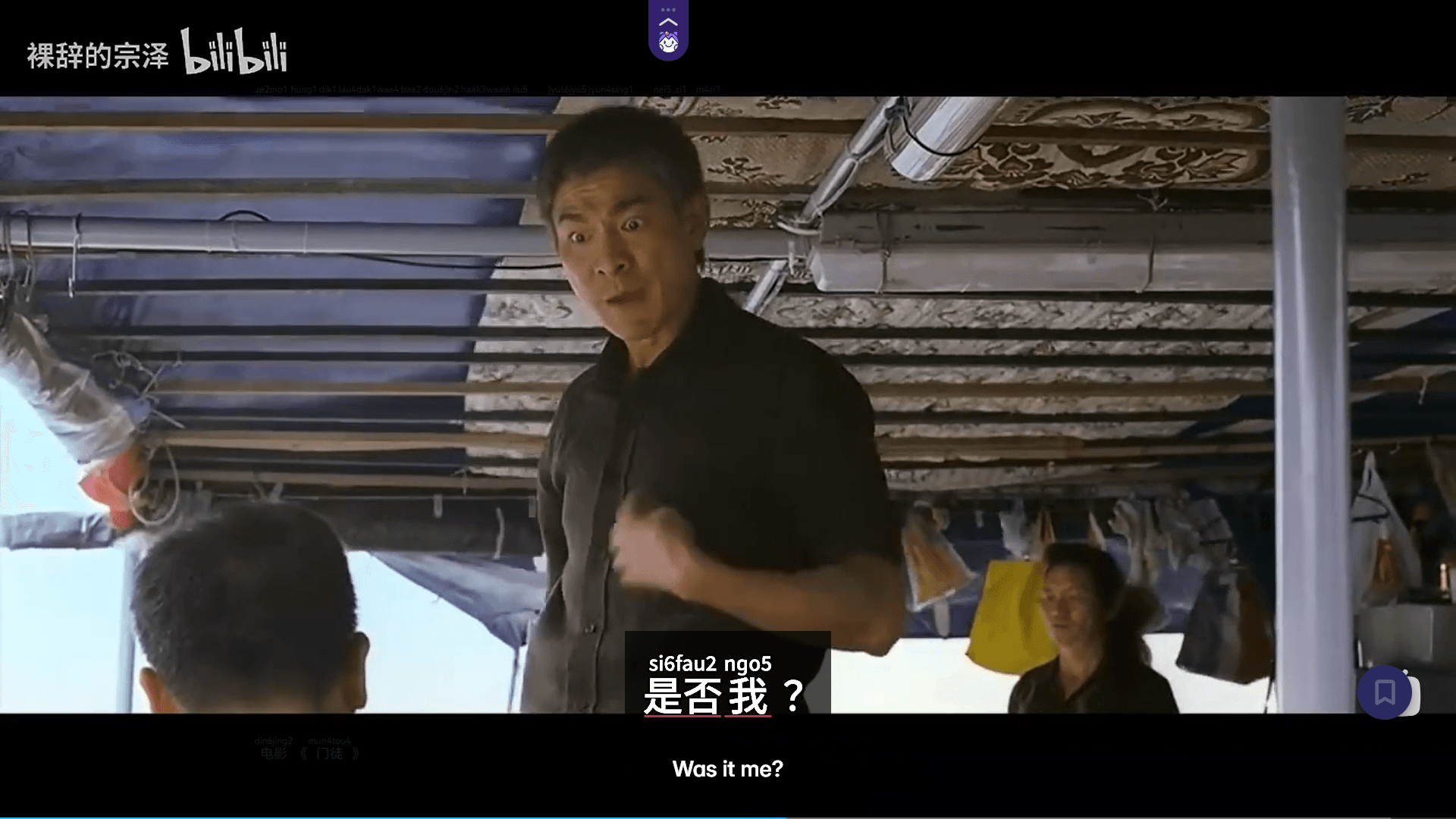
Anyway, if you want to learn Cantonese through content instead of just vocabulary lists, Migaku's browser extension and app let you look up words instantly while watching shows or reading articles in Cantonese. Makes [immersion learning](https://migaku.com/blog/chinese/chinese-immersion-learning) way more practical. There's a 10-day free trial if you want to check it out.
 ---
## Remember the lists fast through exposure
The key to remembering all these animal words is regular exposure and use. After collecting animal words from media content to your flashcards, try actively recalling the Cantonese words with the English translation or images. Because you learned these words from specific contexts, you will be able to memorize them faster.
> If you consume media in Cantonese, and you understand at least some of the messages and sentences within that media, you will make progress. _Period_.
Context builds understanding.
---
## Remember the lists fast through exposure
The key to remembering all these animal words is regular exposure and use. After collecting animal words from media content to your flashcards, try actively recalling the Cantonese words with the English translation or images. Because you learned these words from specific contexts, you will be able to memorize them faster.
> If you consume media in Cantonese, and you understand at least some of the messages and sentences within that media, you will make progress. _Period_.
Context builds understanding.