# Cantonese Internet Slang: Common Slang Phrases Used in Hong Kong
> Understand the Cantonese internet slang that Hong Kong uses in 2026. Get the phrases, numbers, and abbreviations that dominate online chat.
**URL:** https://migaku.com/blog/chinese/cantonese-internet-slang
**Last Updated:** 2026-03-30
**Tags:** vocabulary, culture, phrases
---
If you're [learning Cantonese](https://migaku.com/learn-cantonese) or just spend time in Hong Kong online communities, you've probably noticed that the internet slang hits different. Cantonese internet slang is this wild mix of Romanization, numbers, English words, and creative abbreviations that make absolutely no sense until someone explains them to you. Then suddenly, you're seeing these phrases everywhere. The thing is, understanding this slang isn't just about being cool online. It's actually a window into how Hong Kong's younger generation communicates, thinks, and creates new language on the fly.
----
## What makes Cantonese internet slang terms so unique
Cantonese internet slang stands out because it layers multiple writing systems on top of each other in ways that would make linguists scratch their heads. You've got traditional Chinese characters mixed with Romanized Cantonese, English words thrown in randomly, and numbers that sound like Cantonese words when you say them out loud.
The creativity comes from necessity. Hong Kong people have always been bilingual, switching between Cantonese and English naturally. When they started chatting online in the late 1990s and early 2000s, they needed faster ways to type. Chinese input methods were slower back then, so people started using whatever worked. Numbers, English letters, and abbreviations all became fair game.
Here's the thing about this slang: it's constantly evolving. What was popular on Hong Kong online forums five years ago might sound dated now. New phrases pop up from viral videos, political events, or just random jokes that catch on. If you learned some Cantonese slang in 2018, you'd probably recognize the foundations, but you'd definitely need to update your vocabulary for 2026.
----
## Popular Cantonese slang words and phrases you need to know
Let's get into the actual slang people use. These are the phrases you'll see on LIHKG (Hong Kong's version of Reddit), Instagram comments, and group chats.
### Number-based slang phrases
The number system in Cantonese internet slang is pretty genius. Since Cantonese is a tonal language, numbers can sound like actual words. People figured this out early and ran with it.
- **"898"** is probably the most famous example. In Hong Kong slang, this means gossip or to gossip. The pronunciation "baat gau baat" sounds similar to the phrase used to describe spreading rumors or chatting about other people's business. You'll see this everywhere when people are discussing drama or asking for the latest tea about celebrities.
- **"520"** represents "I love you" because the Mandarin pronunciation sounds like the phrase, but Cantonese speakers in Hong Kong adopted it too. It's less common than in mainland China, but younger people recognize it.
- **"3Q"** means "thank you" because three-Q sounds like "thank you" when said quickly. Simple, effective, and you'll see it in casual chats all the time.
### Romanized Cantonese phrases
These use the Roman alphabet to write out Cantonese sounds. Sometimes they follow proper Jyutping romanization, sometimes they're just whatever as long as the spelling works.
- **"Sor hai" (傻閪)** is vulgar slang used to describe someone who's being stupid or clueless. The literal translation is pretty crude, but it gets thrown around casually online. You wouldn't use this in polite conversation, but you'll definitely see it in comment sections.
- **"Gau dim" (搞掂)** means "done" or "settled." When you finish something or solve a problem, you say it's gau dim. Super common in work chats and casual conversations.
- **"Siu4" or "siu si" (笑死)** literally means "laugh to death." It's the Cantonese equivalent of LOL or LMAO. When something's really funny, you type "siu si" or just "siu4." The number 4 represents the tone, though most people just write it as "siu" or "siu2."
- **"Hea" (吓)** is a uniquely Hong Kong concept that's hard to translate. It means slacking off, being lazy, or doing something half-heartedly. "Hea做" means doing work without really trying. It captures this specific attitude that Hong Kong people recognize immediately.
### English word borrowing and mixing
Hong Kong Cantonese has always borrowed English words, and the internet slang takes this even further. These aren't just code-switching moments. The English words get absorbed and used in specific ways.
- **"Add oil"** is the direct translation of "ga yau" (加油), which means to cheer someone on or encourage them. While "add oil" started as a literal translation joke, it's become so widespread that even English speakers in Hong Kong use it unironically now.
- **"Delay no more"** comes from a famous Hong Kong advertising slogan and became a meme phrase. People use it sarcastically when talking about procrastination or when something that should have happened ages ago finally happens.
- **"Ching"** is an abbreviation that combines Cantonese and English. It can mean "please" (from "請") or refer to a friend/person in a casual way, depending on context.
----
## Common abbreviations on Cantonese online forums
Abbreviations are huge in Cantonese internet culture because they save time and create an in-group identity. Here are some you'll encounter constantly.
- **"XDDDD"** represents laughing, similar to how it's used in other internet cultures. The more D's, the harder you're laughing. Sometimes you'll see "XDDD" mixed with Cantonese phrases.
- **"OMG"** gets used in both English and Cantonese contexts, but Hong Kong people also say "OMFG" or mix it with Cantonese expressions for extra emphasis.
- **"PK"** means "versus" or "compete," borrowed from gaming terminology. When two things are being compared or competing, you might see "A PK B."
- **"Fd"** is short for friend. Simple, effective, and you'll see it in casual online chats when people are talking about their social circles.
----
## Using Hong Kong internet slang in real conversations
Internet slang works great online, but can sound weird in face-to-face conversations. Some phrases have crossed over and are totally normal to say out loud, like "gau dim" or "hea." Others, especially the number-based ones, only make sense in written form.
When you're learning Cantonese, you want to recognize this slang when you see it, but be careful about when you use it yourself. Context matters a lot. Using vulgar slang with people you have just met is obviously a bad idea. Using dated slang makes you sound out of touch. Using current slang appropriately, though, can make you sound natural and connected to actual Hong Kong culture.
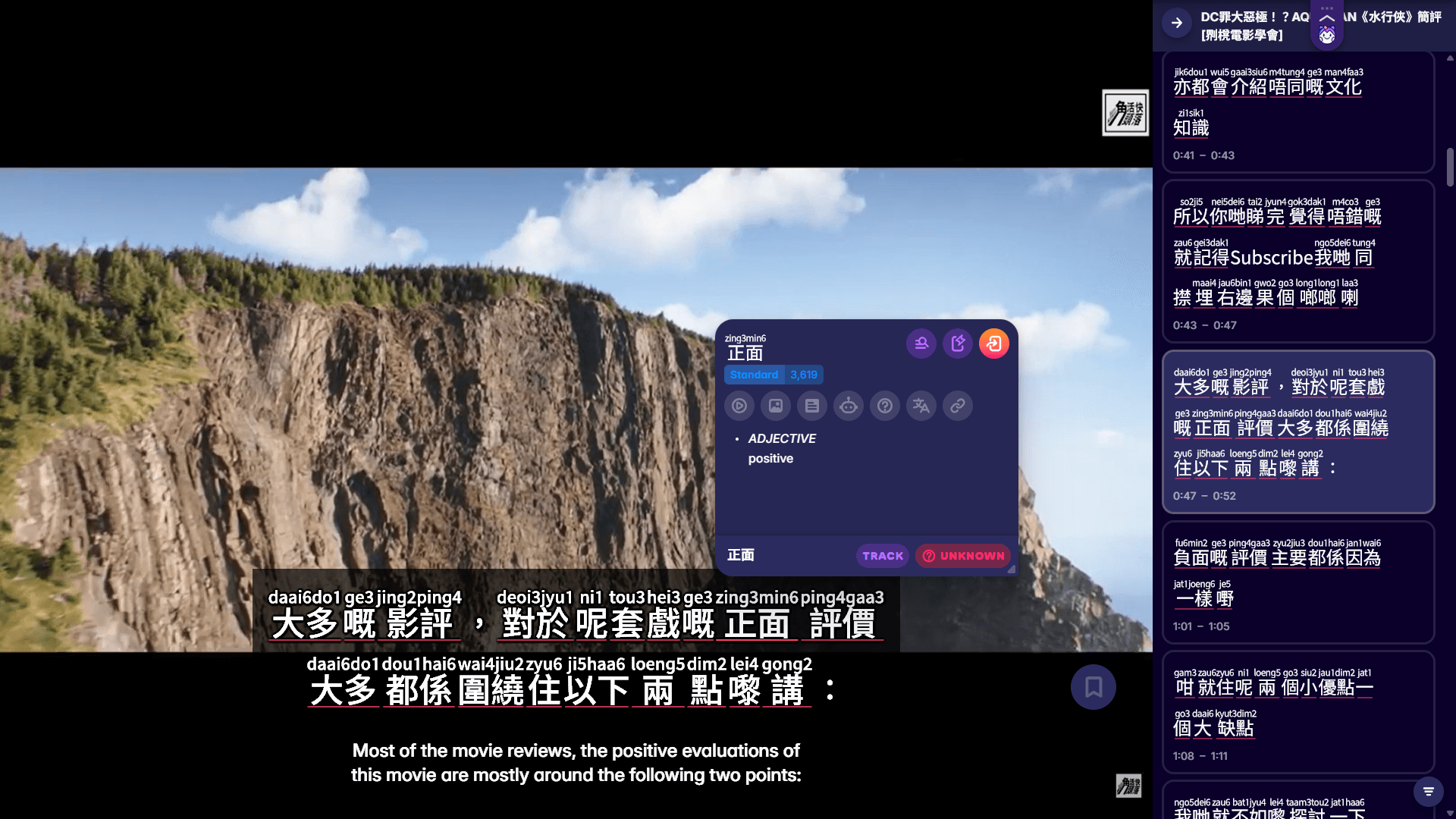
If you want to actually learn from real Cantonese content without constantly pausing to look things up, Migaku's browser extension and app let you save words and phrases instantly while you're watching videos or reading online. Makes the whole process way smoother. There's a 10-day free trial if you want to check it out.
 ----
## Cantonese internet and text slang make the language come alive
Whether you're picking up "898" to talk about gossip, using "gau dim" when you finish a task, or just trying to understand what "siu4" means when you see it everywhere, Cantonese internet slang connects you to the real pulse of Hong Kong communication. The slang changes, evolves, and sometimes gets weird, but that's what makes it fascinating. The best way to really internalize this stuff? Immersion in actual Cantonese content. Watch Hong Kong YouTubers, read through forum threads, follow local Instagram accounts, and save the phrases that keep popping up. You'll start recognizing patterns and understanding context naturally.
> If you consume media in Cantonese, and you understand at least some of the messages and sentences within that media, you will make progress. Period.
Stay connected to the rhythm of the internet!🌏🖥️
----
## Cantonese internet and text slang make the language come alive
Whether you're picking up "898" to talk about gossip, using "gau dim" when you finish a task, or just trying to understand what "siu4" means when you see it everywhere, Cantonese internet slang connects you to the real pulse of Hong Kong communication. The slang changes, evolves, and sometimes gets weird, but that's what makes it fascinating. The best way to really internalize this stuff? Immersion in actual Cantonese content. Watch Hong Kong YouTubers, read through forum threads, follow local Instagram accounts, and save the phrases that keep popping up. You'll start recognizing patterns and understanding context naturally.
> If you consume media in Cantonese, and you understand at least some of the messages and sentences within that media, you will make progress. Period.
Stay connected to the rhythm of the internet!🌏🖥️