Chinese Color Symbolism: Meanings of Different Colors in Chinese Culture
Last updated: March 20, 2026
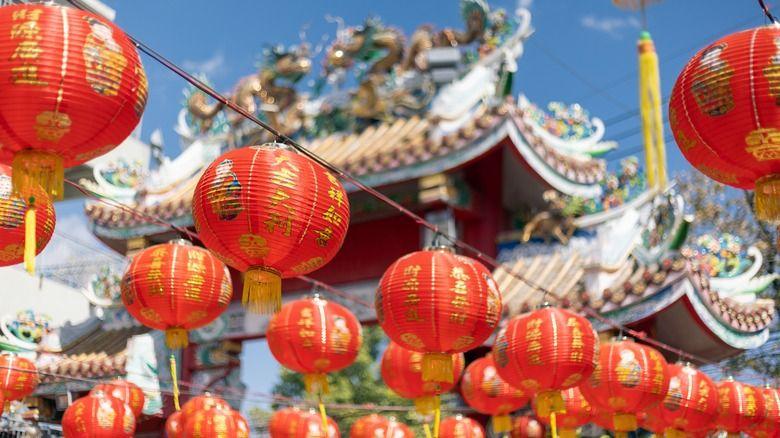
In Chinese culture, colors are loaded with meaning. If you've ever wondered why red envelopes show up at every celebration or why people avoid white clothing at the Spring Festival, you're dealing with centuries of symbolism that still shapes daily life in 2026. Learning Chinese color symbolism helps you navigate everything from gift-giving to fashion choices when engaging with Chinese people and traditions.
- 🔴Red: The ultimate color of good fortune
- 🟡Gold and yellow: The royal color
- ⚪White: The color of mourning
- ⚫Black color in Chinese culture: Depth and formality
- 🔵🟢Blue and green colors in China: Growth and immortality
- 🟣Purple: Nobility and spirituality
- 🩷Pink: Romance and modern associations
- 🟠Orange: Transformation and happiness
- Learning colors in traditional Chinese symbolism through immersion
- FAQs
🔴Red: The ultimate color of good fortune
Red dominates Chinese celebrations for good reason. This color represents happiness, prosperity, and good fortune. You'll see red everywhere during Chinese New Year, from decorations to clothing to those famous red envelopes filled with money.
Weddings showcase red more than any other event. Brides traditionally wear red dresses (though white Western-style gowns have become popular too), and wedding decorations feature red as the primary color. The symbolism here connects to joy, celebration, and wishing the couple a prosperous life together.
Red also symbolizes fire in the five-element system, representing summer, growth, and active energy. Chinese culture associates this color with driving away evil spirits and bad luck, which explains why people hang red lanterns and decorations around their homes and businesses.
Here's something interesting: red ink was historically reserved for writing the names of criminals and the deceased. So while red paper and decorations bring luck, writing someone's name in red ink? That's considered pretty rude and threatening.
🟡Gold and yellow: The royal color
Yellow holds a special place in traditional Chinese history. The emperor claimed exclusive rights to wear certain shades of yellow, particularly bright golden yellow. This restriction meant commoners could face serious consequences for wearing imperial yellow, making it literally forbidden for regular people.
The connection between yellow and imperial power came from the belief that the emperor was the "Son of Heaven" and that yellow represented the earth element at the center of the universe. Chinese culture placed the emperor at this symbolic center, so yellow became his color.
Gold and yellow together symbolize prosperity, wealth, and high status. You'll still see these colors featured prominently in temples, palaces, and during celebrations. The meaning extends to harvest and abundance, since yellow connects to fertile earth and successful crops.
In 2026, while nobody's getting arrested for wearing yellow anymore, the color still carries associations with royalty and importance. Golden decorations appear alongside red during festivals, and yellow flowers often symbolize wealth and success.
⚪White: The color of mourning
White catches people off guard because Western culture associates it with purity and weddings, but Chinese color symbolism takes a completely different approach. White represents death, mourning, and funerals in traditional Chinese culture.
At Chinese funerals, mourners typically wear white clothing or white armbands. White flowers, especially chrysanthemums, are funeral flowers that you'd never give as a cheerful gift. White envelopes are used for funeral donations, contrasting sharply with the red envelopes used for celebrations.
This association explains why Chinese people traditionally avoid wearing white to weddings or celebrations. Showing up in white to a joyful event would be like bringing funeral energy to a party. The color in Chinese culture represents the end of life, ghosts, and the afterlife.
Metal corresponds to white in the five-element system, connecting it to autumn, decline, and completion. While white has gained acceptance in modern contexts (like white shirts for work), the traditional meanings still influence how Chinese people use this color during important events.
⚫Black color in Chinese culture: Depth and formality
Black carries complex meanings in Chinese culture. It represents water in the five elements, symbolizing depth, mystery, and the unknown. Historically, black appeared in formal contexts and represented seriousness and authority.
Like white, black also connects to mourning and funerals. People wear black to funeral ceremonies alongside white, and the combination of these two colors signals grief and respect for the deceased.
But black isn't purely negative. Chinese calligraphy uses black ink, and the color appears in traditional art with sophisticated, elegant associations. Black can symbolize stability, strength, and knowledge when used appropriately.
In modern Chinese culture, black has taken on Western associations too, appearing in business attire and formal wear. Young Chinese people wear black clothing regularly without thinking about mourning, showing how Chinese color symbolism can adapt while traditional meanings persist in specific contexts.
🔵🟢Blue and green colors in China: Growth and immortality
Green symbolizes growth, harmony, and health in traditional Chinese culture. The color connects to spring, wood, and new beginnings in the five-element framework. Green jade holds particular significance, representing virtue, beauty, and immortality.
Chinese people have treasured jade for thousands of years, and the stone's green color became associated with all its positive qualities. Wearing jade jewelry supposedly brings protection and good luck, making green a generally positive color.
Blue shares some symbolism with green, partly because traditional color in Chinese didn't always distinguish between these shades as strictly as modern color theory does. Blue can symbolize immortality, advancement, and healing. The color appears in traditional Chinese porcelain and art, often representing sky and water.
Neither green nor blue carries the intense symbolic weight of red or white. They're neutral colors, leaning positive, which makes them safe choices for most situations. There's one exception though. Green hats carry strong negative meanings, which represent that your partners are cheating on you.
🟣Purple: Nobility and spirituality
Purple, one of the primary colors in ancient China, represents nobility, spirituality, and refinement in Chinese culture. This color wasn't as strictly controlled as imperial yellow, but it still carried associations with high status and sophistication.
The meaning connects to purple's rarity in natural dyes historically. Creating purple fabric required expensive materials and processes, so only wealthy people could afford purple clothing. This practical limitation created symbolic associations that lasted beyond the original economic reasons.
Purple also appears in Taoist traditions, where it symbolizes immortality and spiritual cultivation. The color balances between red's active energy and blue's calm depth, creating associations with harmony and elevated consciousness.
🩷Pink: Romance and modern associations
Pink doesn't have the deep historical symbolism that other colors carry in traditional Chinese culture. Its meaning comes more from modern influences and its relationship to red.
As a lighter version of red, pink can symbolize romance, love, and gentleness. Young people use pink in contexts similar to Western culture, like romantic gifts or feminine aesthetics. The color appears in modern celebrations without the intense lucky associations of bright red.
🟠Orange: Transformation and happiness
Orange combines red and yellow, pulling meaning from both colors. It represents happiness, transformation, and positive change. The color appears in Buddhist traditions, where orange robes symbolize spiritual dedication and transformation.
In everyday contexts, orange carries cheerful, optimistic associations. It's not as commonly featured in traditional symbolism as red or yellow individually, but it works well for celebrations and positive occasions.
Learning colors in traditional Chinese symbolism through immersion
Seeing how Chinese people actually use colors in real contexts teaches you more than memorizing symbolic meanings.
- Watch Chinese films, browse Chinese websites, look at how stores decorate for different seasons and holidays. You'll notice patterns that reveal both traditional symbolism and modern adaptations. The color red appears constantly in Chinese media during celebration scenes. Funeral scenes feature white and black. These visual patterns reinforce the cultural associations and help you internalize when different colors feel appropriate.
- Reading Chinese literature and poetry also reveal color symbolism. Classical poetry often uses colors metaphorically, with meanings that readers familiar with Chinese culture immediately recognize. Understanding these references deepens your appreciation of the language and culture.
Anyway, if you're serious about understanding Chinese culture through Chinese content, Migaku's browser extension and app let you look up words and cultural references instantly while watching shows or reading articles. Makes the whole immersion process way more practical. There's a 10-day free trial if you want to check it out.

FAQs
Here's a trick for you to learn the major color symbolism
In modern China, Chinese learners mostly just need to pay attention to the color symbolism of red, black, and white. An easy way to learn the context for these colors is to watch Chinese costume dramas. Costume dramas usually include scenes like traditional weddings, funerals, and other formal settings in the royal palaces. While enjoying the plots, you can also pause and look up why certain scenes adopt certain colors, and why some characters dress up in that particular color.
If you consume media in Chinese, and you understand at least some of the messages and sentences within that media, you will make progress. Period.
Let's explore the philosophy, history, and beliefs of Chinese colors!