Chinese Medical Vocabulary: Common Medical Terms for Emergency Situations
Last updated: March 14, 2026
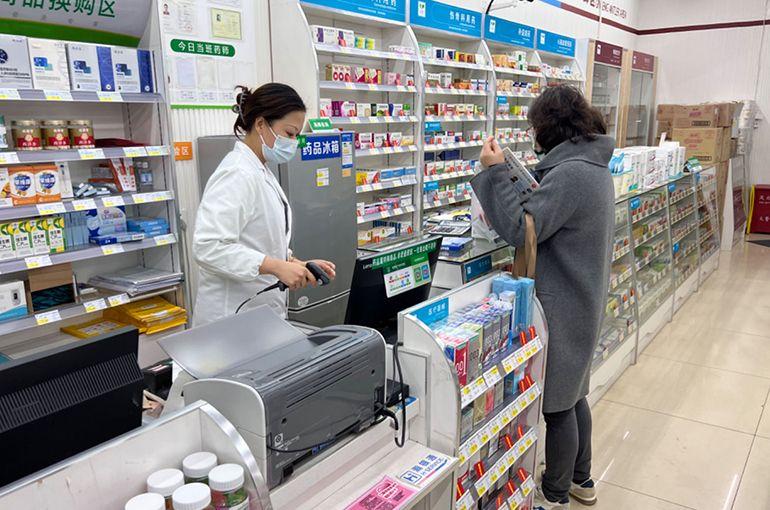
Getting sick or injured in a Chinese-speaking country can be scary if you don't know the right words. You need to explain where it hurts, understand what the doctor is saying, and figure out which hospital department to visit. Learning Chinese medical vocabulary isn't just about memorizing random terms. It's about being prepared for real situations where communication actually matters. Whether you're living in China, Taiwan, or just planning an extended trip, knowing these words could make a huge difference when you need healthcare.
- Essential body parts and symptoms
- Navigate the hospital and find the right department
- Talking to your doctor about your condition
- Medicine, prescriptions, and treatment options in Chinese language
- Traditional Chinese medical terms
- Emergency situations and urgent care
- Differences between Taiwan and mainland China medical terms
- How to learn basic medical terms in Chinese
Essential body parts and symptoms
Let's start with the basics. Body parts in Chinese are pretty straightforward once you get the hang of them.
Chinese | Pronunciation | English |
|---|---|---|
头 | tóu | Head |
眼睛 | yǎnjing | Eyes |
耳朵 | ěrduo | Ears |
鼻子 | bízi | Nose |
嘴 / 口 | zuǐ / kǒu | Mouth |
喉咙 / 嗓子 | hóulóng / sǎngzi | Throat |
胸 | xiōng | Chest |
胃 | wèi | Stomach (organ) |
肚子 | dùzi | Stomach (general belly area) |
背 | bèi | Back |
胳膊 | gēbo | Arms |
腿 | tuǐ | Legs |
手 | shǒu | Hands |
脚 | jiǎo | Feet |
Now for symptoms.
Chinese | Pronunciation | English |
|---|---|---|
疼 / 痛 | téng / tòng | Pain |
头疼 | tóuténg | Headache |
肚子疼 | dùzi téng | Stomachache |
牙疼 | yáténg | Toothache |
发烧 | fāshāo | Fever |
咳嗽 | késou | Cough |
流鼻涕 | liú bítì | Runny nose |
嗓子疼 | sǎngzi téng | Sore throat |
头晕 | tóuyūn | Dizziness |
恶心 | ěxin | Nausea |
过敏 | guòmǐn | Allergic reaction |
肿 | zhǒng | Swelling |
出血 | chūxiě | Bleeding |
骨折 | gǔzhé | Broken bone |
扭伤 | niǔshāng | Sprain |
These cover probably 80% of common medical situations you might encounter as a traveler or expat.
Navigate the hospital and find the right department
Chinese hospitals work differently from Western ones. You usually need to register first, then figure out which department to visit, then wait in line to see a doctor.
Chinese | Pronunciation | English |
|---|---|---|
医院 | yīyuàn | Hospital |
挂号处 | guàhàochù | Registration desk |
急诊 | jízhěn | Emergency |
内科 | nèikē | Internal medicine |
外科 | wàikē | Surgery |
儿科 | érkē | Pediatrics |
妇科 | fùkē | Gynecology |
骨科 | gǔkē | Orthopedics |
皮肤科 | pífūkē | Dermatology |
耳鼻喉科 | ěr bí hóu kē | ENT (ear, nose, throat) |
眼科 | yǎnkē | Ophthalmology |
牙科 | yákē | Dentistry |
医生 | yīshēng | Doctor |
护士 | hùshi | Nurse |
药剂师 | yàojìshī | Pharmacist |
病人 | bìngrén | Patient |
You might need to get tests done.
Chinese | Pronunciation | English |
|---|---|---|
验血 | yànxiě | Blood test |
X光 / 拍片 | X guāng / pāipiān | X-ray |
B超 | B chāo | Ultrasound |
CT扫描 | CT sǎomiáo | CT scan |
核磁共振 | hé cí gòng zhèn | MRI (often just said as "MRI" in English) |
Talking to your doctor about your condition
When you're in the examination room, you need to describe your symptoms accurately.
- The doctor will probably ask 哪里不舒服? (nǎlǐ bù shūfu?) which means "Where do you feel uncomfortable?" or "What's wrong?"
- You can answer with the body part plus the symptom. For example: 我头很疼 (wǒ tóu hěn téng) means "My head hurts a lot." 我发烧了 (wǒ fāshāo le) means "I have a fever."
- The doctor might ask how long you've been sick: 多久了? (duō jiǔ le?). You can answer with time phrases like 两天了 (liǎng tiān le) for "two days" or 一个星期了 (yí gè xīngqī le) for "one week."
- They'll want to know if you have allergies. The question is usually 你对什么过敏吗? (nǐ duì shénme guòmǐn ma?) which translates to "Are you allergic to any medicines or foods?" You can say 我对青霉素过敏 (wǒ duì qīngméisù guòmǐn) for "I'm allergic to penicillin" or 我对海鲜过敏 (wǒ duì hǎixiān guòmǐn) for "I'm allergic to seafood."
Common diagnoses include:
Chinese | Pronunciation | English |
|---|---|---|
感冒 | gǎnmào | Cold |
流感 | liúgǎn | Flu |
食物中毒 | shíwù zhòngdú | Food poisoning |
感染 | gǎnrǎn | Infection |
发炎 | fāyán | Inflammation |
骨折 | gǔzhé | Fracture |
Medicine, prescriptions, and treatment options in Chinese language
After the diagnosis, you'll probably get a prescription.
Chinese | Pronunciation | English |
|---|---|---|
处方 | chǔfāng | Prescription |
药 | yào | Medicine (general) |
西药 | xīyào | Western medicine |
中药 | zhōngyào | Chinese herbal medicine |
药片 / 片剂 | yàopiàn / piànjì | Pills / Tablets |
胶囊 | jiāonáng | Capsules |
药水 | yàoshuǐ | Liquid medicine |
打针 | dǎzhēn | Injection |
输液 / 打点滴 | shūyè / dǎ diǎndī | IV drip |
抗生素 | kàngshēngsù | Antibiotic |
止痛药 | zhǐtòngyào | Pain medication |
退烧药 | tuìshāoyào | Fever reducer |
咳嗽糖浆 | késou tángjiāng | Cough syrup |
感冒药 | gǎnmàoyào | Cold medicine |
The pharmacist will tell you dosage instructions. Take medicine is 吃药 (chīyào).
Chinese | Pronunciation | English |
|---|---|---|
一天一次 | yì tiān yí cì | Once a day |
一天两次 | yì tiān liǎng cì | Twice a day |
一天三次 | yì tiān sān cì | Three times a day |
饭前 | fànqián | Before meals |
饭后 | fànhòu | After meals |
睡前 | shuìqián | Before bed |
Treatment in general is 治疗 (zhìliáo).
Chinese | Pronunciation | English |
|---|---|---|
手术 | shǒushù | Surgery |
理疗 | lǐliáo | Physical therapy |
休息 | xiūxi | Rest |
多喝水 | duō hē shuǐ | Drink more water |
Traditional Chinese medical terms
If you're interested in learning Chinese medical vocabulary from the traditional medicine perspective, there's a whole additional layer of terms. Traditional Chinese medicine (TCM) has its own diagnostic system and treatment methods.
- The fundamental concept is 气 (qì), often translated as vital energy or life force.
- Balance between 阴 (yīn) and 阳 (yáng) is considered essential for health.
- The five elements are 五行 (wǔxíng): wood (木 , mù), fire (火 , huǒ), earth (土 , tǔ), metal (金 , jīn), and water (水 , shuǐ).
Chinese | Pronunciation | English |
|---|---|---|
针灸 | zhēnjiǔ | Acupuncture |
草药 | cǎoyào | Herbal medicine |
把脉 / 号脉 | bǎmài / hàomài | Pulse diagnosis |
拔罐 | báguàn | Cupping therapy |
艾灸 | àijiǔ | Moxibustion |
按摩 / 推拿 | ànmó / tuīná | Massage |
TCM practitioners will talk about organs differently than Western doctors. The TCM organ systems include 心 (xīn, heart), 肝 (gān, liver), 脾 (pí, spleen), 肺 (fèi, lung), and 肾 (shèn, kidney). These don't map exactly to the Western anatomical organs.
Emergency situations and urgent care
In an emergency, you need to communicate fast. The emergency number in mainland China is 120. In Taiwan, it's 119.
- Emergency is 紧急情况 (jǐnjí qíngkuàng).
- Call an ambulance is 叫救护车 (jiào jiùhùchē).
- Help is 救命 (jiùmìng) or 帮帮我 (bāng bāng wǒ).
- I need a doctor is 我需要医生 (wǒ xūyào yīshēng).
Chinese | Pronunciation | English |
|---|---|---|
事故 | shìgù | Accident |
受伤 | shòushāng | Injury |
失去意识 / 昏迷 | shīqù yìshi / hūnmí | Unconscious |
呼吸困难 | hūxī kùnnan | Breathing difficulty |
胸痛 | xiōngtòng | Chest pain |
心脏病发作 | xīnzàng bìng fāzuò | Heart attack |
中毒 | zhòngdú | Poisoning |
噎住 | yēzhù | Choking |
烧伤 / 烫伤 | shāoshāng / tàngshāng | Burn |
割伤 | gēshāng | Cut |
咬伤 | yǎoshāng | Bite |
Differences between Taiwan and mainland China medical terms
Are medical terms the same in Taiwan and mainland China? Mostly yes, but there are some differences worth knowing.
Taiwan uses traditional characters while mainland China uses simplified characters. The pronunciation in Mandarin is generally the same, but some medical terms differ.
For example, ultrasound is commonly called 超音波 (chāoyīnbō) in Taiwan but B超 (B chāo) in mainland China. Vitamins are 維他命 (wéitāmìng) in Taiwan but 维生素 (wéishēngsù) in mainland China.
Some medication names differ too. Taiwan often uses transliterations closer to English or Japanese medical terms, while mainland China sometimes uses different naming conventions.
The hospital system works differently as well. Taiwan has National Health Insurance that covers most residents, while mainland China has a more complex system. But the basic medical vocabulary remains largely the same.
How to learn basic medical terms in Chinese
Are you interested in learning Chinese medical vocabulary? Here's what works better than just memorizing lists.
- Context matters way more than rote memorization. Learn phrases instead of isolated words. "我头疼" (wǒ tóuténg, my head hurts) is more useful than just knowing 头 (tóu, head) and 疼 (téng, pain) separately.
- Group vocabulary by situations. Learn all the emergency terms together. Learn all the pharmacy terms together. This creates mental associations that help recall.
- Watch Chinese medical dramas or documentaries. You'll hear the vocabulary used naturally in context. Medical shows are pretty popular in Chinese-speaking countries, and they repeat common medical terms constantly.
- Practice describing your own past medical experiences in Chinese. Think about the last time you were sick or injured. How would you describe that to a Chinese doctor? This makes the vocabulary personally relevant.
Don't stress about memorizing every single term. Focus on the high-frequency terminology first. You can always look up rare conditions if you actually need them.
When you're learning Chinese medical vocabulary, having access to quick lookups while reading real content makes a huge difference. Migaku's browser extension and app let you hover over Chinese text to see definitions instantly, which is perfect for reading medical articles or hospital websites effectively. You can save words directly to your study deck as you encounter them. There's a 10-day free trial if you want to try it out.
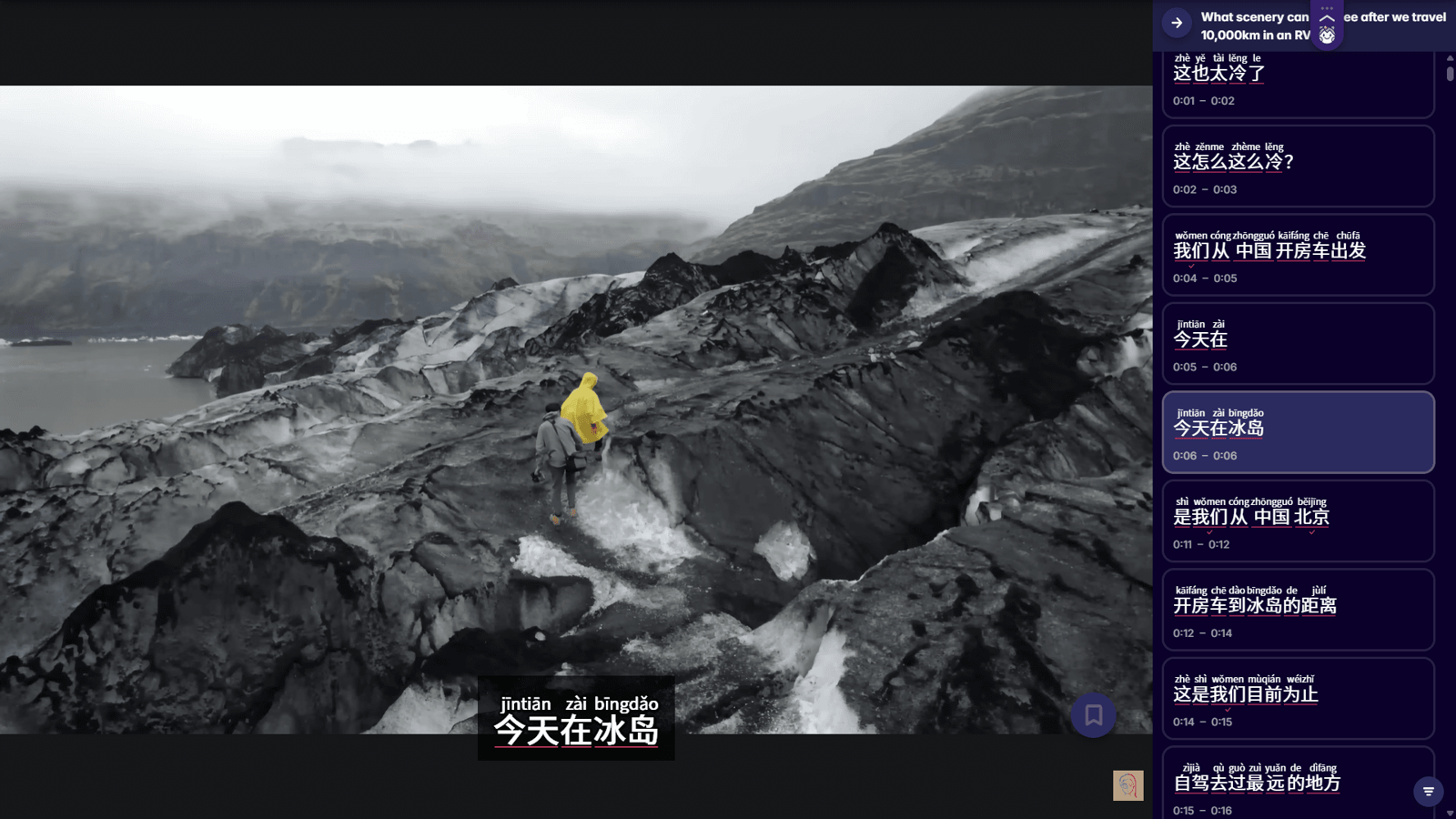
Why medical vocabulary in Chinese matters more than you think
Here's the thing. Most language learners focus on restaurant vocabulary, directions, and small talk. That stuff is useful, sure. But when you're doubled over with stomach pain or running a high fever, suddenly those conversational phrases about the weather don't help much. To make it easier, there are also many Chinese medical dramas and movies that can teach you medical terms and entertain you during your leisure time.
If you consume media in Chinese, and you understand at least some of the messages and sentences within that media, you will make progress. Period.
When seconds count, translation apps are too slow.