Chinese New Year Greetings and Wishes: What to Say in 2026
Last updated: April 27, 2026

Whether you're texting a friend, writing a card, or seriously learning Mandarin, I've got you covered with the real phrases people actually use for the new year. Chinese New Year greetings aren't just about saying "happy new year" and calling it a day. There's a whole cultural layer to these phrases, and knowing what they mean (and how to say them properly) makes a huge difference. Plus, some greetings are way more popular than others, and you definitely want to know the classics.
- The most common Chinese new year greeting
- Traditional Chinese new year greetings for 2026
- Health and longevity new year greetings
- Essential Chinese new year greetings for prosperity and success
- Popular Chinese new year greetings for family and relationships
- Other common greetings and wishes in Mandarin
- What new year messages to send
- Cultural context: Why Chinese new year wishes matter
The most common Chinese new year greeting
Let's start with the big one. is probably what you've heard before. It literally means "congratulations and be prosperous," and you'll hear this greeting everywhere during the Lunar New Year period. Like, everywhere. It's the default greeting most people reach for.
While Gong Xi Fa Cai is super popular, it's very focused on money and prosperity. That's totally fine (prosperity is a huge part of the celebration), but there are actually tons of other greetings that wish for different things like health, longevity, and success.
Traditional Chinese new year greetings for 2026
The Year of the Horse brings some specific phrases into play. Horses symbolize energy, speed, and success in Chinese culture, so you'll see greetings that play on these themes.
- means "immediate success" or literally "success comes with the horse." This is perfect for 2026 and sounds way more sophisticated than just the standard prosperity greeting. You'd use this when wishing someone success in their career or business ventures.
- translates to "spirit of the dragon and horse," which means being full of energy and vitality. It's a great greeting for older relatives because it wishes them good health and vigor.
- means "taking the lead like a horse" or being first among others. This works well for students or anyone starting something new in the coming year.
These Horse-themed greetings are going to be especially relevant throughout 2026, and using them shows you actually know what's up with the zodiac year.
Health and longevity new year greetings
Money isn't everything (shocking, I know). A lot of Chinese New Year wishes focus on health and long life, especially when you're greeting older family members.
- means "good health" or literally "body healthy." Simple, direct, and always appreciated.
- is a wish for longevity, literally "long life of 100 years." You'd typically use this for grandparents or elderly relatives. It's pretty formal but really respectful.
- translates to "may all your wishes come true" or "may everything go smoothly." This is actually one of my favorite greetings because it's so versatile. You can use it with anyone, and it covers basically everything good you could wish for someone.
- means "may all your hopes be fulfilled." Similar vibe to the previous one, but slightly more focused on personal aspirations. Great for friends who are working toward specific goals.
Essential Chinese new year greetings for prosperity and success
Okay, back to the money greetings, because let's be real, these are super common during Chinese New Year celebrations.
- means "attract wealth and treasures." You'll see this phrase on decorations, red envelopes, and pretty much everywhere during the festive period. It's more of a general blessing than a direct greeting, but people definitely say it too.
- is clever. It means "surplus year after year" or "abundance every year." The word "yu" ( ) sounds like the word for fish ( ), which is why fish is such a popular dish during new year celebrations. This greeting wishes someone more than enough wealth and resources annually.
- specifically means "may your business prosper." If you're greeting a business owner or entrepreneur, this is the one to use. Shows you're thinking about their specific situation.
- translates to "may wealth come pouring in from all directions." Pretty direct about the prosperity wishes, and it's another common one you'll encounter.
Popular Chinese new year greetings for family and relationships
Chinese New Year is all about family, so there are specific greetings for family harmony and happiness.
- means "happiness for the whole family." This is perfect when greeting an entire family unit rather than just one person.
- wishes for "family reunion and togetherness." Since the new year is traditionally when everyone travels home to be together, this greeting acknowledges that important value.
- is a more poetic one, meaning "may your fortune be as vast as the Eastern Sea." It's often paired with , which means "may your longevity be as tall as the Southern Mountain." Together, they make a traditional couplet wishing someone both fortune and long life.
Other common greetings and wishes in Mandarin
If you want to stand out a bit or show deeper cultural knowledge, try these alternatives:
- means "rising step by step" or "promotions at every step." Perfect for someone in their career growth phase.
- wishes "progress in studies." Great for students or anyone in school.
- means "happy every day." It's less formal and more casual, good for close friends.
- wishes "peace and joy." This one has a gentler, more peaceful vibe compared to the high-energy prosperity greetings.
- literally means "wind rises, water flows," which is a way of saying "good fortune and smooth sailing." It's got that feng shui connection, which is pretty cool.
The best greeting honestly depends on your relationship with the person and what you actually want to wish for them. Prosperity greetings work for almost everyone, but health wishes for older relatives or success wishes for friends with specific goals feel more personal.
What new year messages to send
If you're texting or writing a card, you can definitely combine multiple greetings. Here's how people actually structure these messages:
Start with the main greeting like , which simply means "Happy Chinese New Year." Then add one or two specific wishes based on who you're greeting.
For a friend:
-
!
,
!
Happy New Year! May everything go smoothly and may you achieve immediate success!
For family:
-
!
,
!
Congratulations and prosperity! Happiness to the whole family and good health!
For business contacts:
-
!
,
!
Happy New Year! May your business prosper and wealth pour in!
You can also just keep it simple with one main greeting. Nobody's going to judge you for not memorizing 20 different phrases.
Cultural context: Why Chinese new year wishes matter
Chinese New Year greetings aren't just polite phrases. They're carrying wishes for the entire year ahead, which is why people take them seriously. The Lunar New Year is the biggest holiday in Chinese culture, and how you start the year is believed to influence how the rest of it goes. That's why you'll notice so many greetings focus on good fortune, prosperity, and health. These are the core things people hope for in the coming year.
Red envelopes with money inside carry these same wishes, which is why giving them is such a big tradition.
The Chinese zodiac year adds another layer. 2026 being the Year of the Horse (specifically the Fire Horse, which comes around every 60 years) means Horse-themed greetings are especially auspicious. People born in Horse years are thought to be energetic, independent, and charismatic, so wishes that play on these themes feel particularly relevant.
Using the right greeting shows cultural awareness and respect. It's similar to knowing that you say "Merry Christmas" instead of "Happy Christmas" in American English (unless you're British). The specific phrasing matters to people.
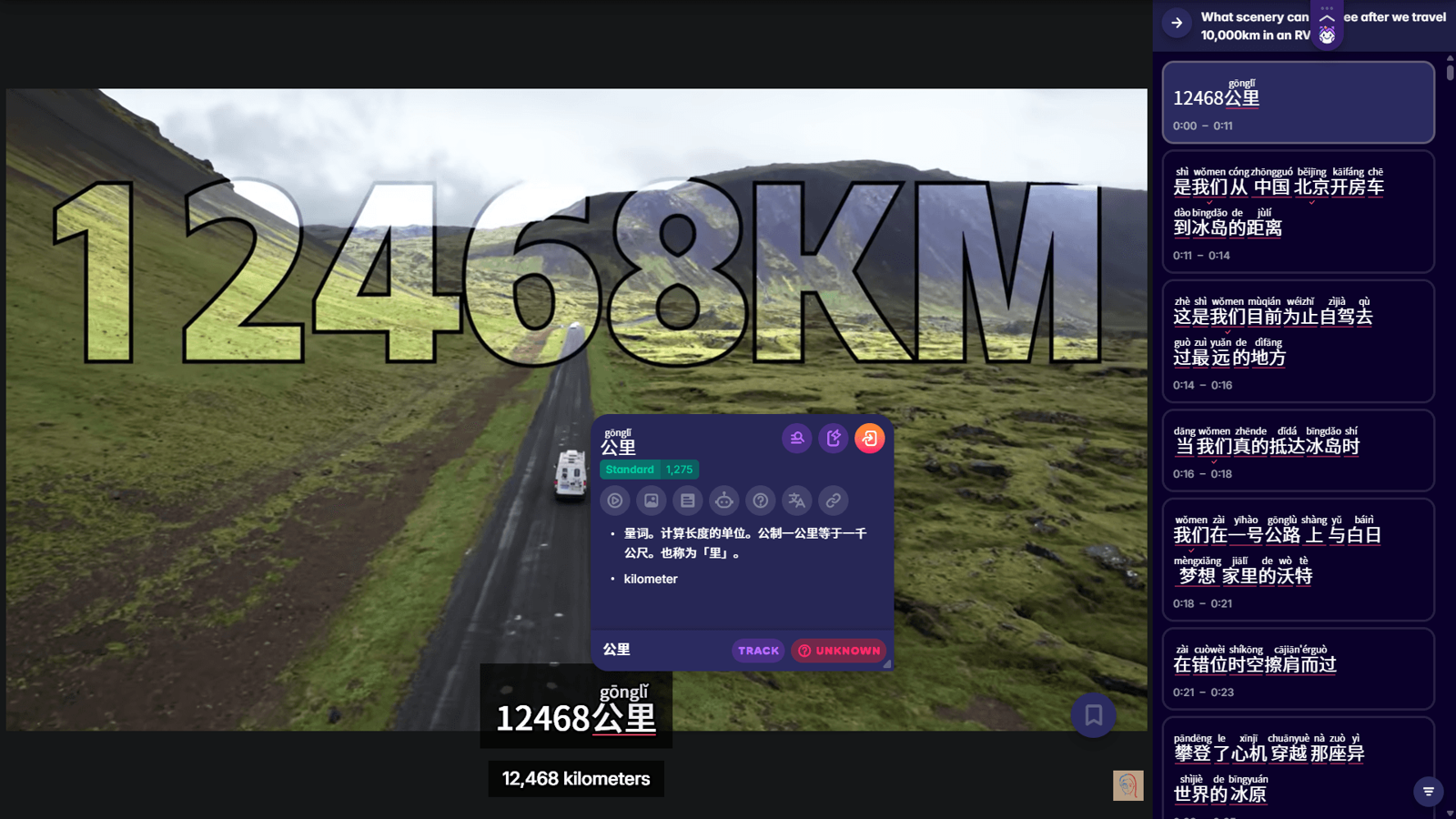
Anyway, if you want to level up your Chinese learning with real content, Migaku's browser extension and app let you look up words and phrases instantly while watching Chinese shows or reading articles. You can save greetings like these directly into your study decks and practice them with spaced repetition. There's a 10-day free trial if you want to check it out.
Learning more Chinese through immersion
If you're interested in actually learning Mandarin beyond just holiday greetings, the best approach is immersion. Watching Chinese shows, listening to music, and reading content in Chinese helps you pick up not just vocabulary but the cultural context behind phrases.
If you consume media in Chinese, and you understand at least some of the messages and sentences within that media, you will make progress. Period.
Words carry culture.🧨🎇