Chinese Question Particles: Understanding 吗, 吧, 呢 in Chinese Grammar
Last updated: March 26, 2026

So you're learning Mandarin and you've noticed these tiny characters showing up at the end of questions: 吗, 呢, and 吧. They seem simple enough, but then you realize each one changes the whole vibe of what you're asking. Pretty confusing at first, right? These little guys are question particles, and they're actually one of the coolest parts of Chinese grammar because they let you ask questions without flipping word order around like we do in English. Let me break down exactly how ma, ne, and ba work so you can start using them correctly.
- What are Chinese question particles
- Understanding 吗 (ma): The yes/no question particle
- Using 呢 (ne): Follow-up questions and where-is queries
- How 吧 (ba) works: Suggestions and confirmation seeking
- Comparing the three particles side by side
- Common mistakes learners make with question particles
- How these particles fit into Chinese grammar overall
What are Chinese question particles
Chinese question particles are small characters you stick at the end of a sentence to turn it into a question or change its tone. In English, we usually form questions by rearranging words or adding helper verbs. "You are hungry" becomes "Are you hungry?" But in Mandarin, you keep the same word order and just add a particle to the end.
The three main question particles you'll use constantly are 吗 (ma), 呢 (ne), and 吧 (ba). Each one creates a different type of question with its own feeling and purpose. Think of them as little mood markers that tell the listener exactly what kind of response you're looking for.
Here's the thing: you can't just swap these particles around randomly. Using 吗 when you should use 呢 will make your question sound weird or even change its meaning completely. That's why understanding the differences matters so much for actually speaking natural-sounding Chinese.
Understanding 吗 (ma): The yes/no question particle
This is probably the first particle you learned in your Mandarin classes. 吗 (ma) is your go-to for simple yes/no questions. You take any statement, slap 吗 on the end, and boom, you've got a question.
Let's look at how this works:
- Statement: 你是学生。(Nǐ shì xuésheng.) - You are a student.
- Question: 你是学生吗?(Nǐ shì xuésheng ma?) - Are you a student?
See how easy that is? The word order stays exactly the same. You just add the particle at the end of a sentence and you're done.
Here are more examples to show you the pattern:
- 你喜欢咖啡吗?
Do you like coffee? - 他会说英语吗?
Can he speak English? - 这个贵吗?
Is this expensive?
The tone of 吗 questions is pretty neutral and straightforward. You're genuinely asking for information and expecting either a yes or a no answer. There's no hidden meaning or suggestion buried in there.
One important thing: you don't use 吗 with question words like "what" or "where." If your sentence already has 什么 (shénme, what), 哪里 (nǎlǐ, where), or 谁 (shéi, who), you don't need 吗. The question word already makes it a question.
- ❌Wrong: 你叫什么吗?
- ✅Right: 你叫什么?(Nǐ jiào shénme?) - What's your name?
Using 呢 (ne): Follow-up questions and where-is queries
Now 呢 (ne) is where things get more interesting. This particle has a couple different jobs, and they all involve building on context that's already been established.
The most common use of 呢 is for turnaround questions. Someone asks you something, you answer, then you throw the same question back at them using 呢. Super efficient.
- Person A: 我很好。你呢?(Wǒ hěn hǎo. Nǐ ne?) - I'm good. How about you?
- Person B: 我也很好。(Wǒ yě hěn hǎo.) - I'm good too.
See how 你呢 works there? Person A already established the topic (How someone is doing), so Person B doesn't need to repeat the whole question. Just add 呢 after the subject and everyone knows what you mean.
More examples of this pattern:
- 我喜欢看电影。你呢?
I like watching movies. How about you? - 这个是我的。那个呢?
This one is mine. What about that one?
The second major use of 呢 is asking where something or someone is. This is super common in everyday conversation.
- 我的手机呢?
Where's my phone? - 老师呢?
Where's the teacher? - 我的钥匙呢?
Where are my keys?
These questions have a slightly urgent or puzzled tone, like you expected the thing to be there and you're surprised it's not. You're not calmly asking for location information, you're looking for something.
There's also a third use of 呢 that shows an ongoing action, but that's more about aspect particles than questions. For question purposes, stick with these two main patterns.
How 吧 (ba) works: Suggestions and confirmation seeking
吧 (ba) is the softest of the three particles. When you add 吧 to the end of a sentence, you're usually making a suggestion or seeking gentle confirmation rather than asking a direct question.
The suggestion use is probably what you'll hear most often:
- 我们走吧。
Let's go. / Shall we go? - 吃饭吧。
Let's eat. - 你休息一下吧。
You should rest a bit. / Why don't you rest?
Notice how these aren't really questions in the traditional sense? You're proposing an action more than asking for information. The particle 吧 makes your statement into a gentle suggestion instead of a command.
The confirmation use is when you're pretty sure about something but want the other person to verify:
- 你是日本人吧?
You're Japanese, right? - 明天不上课吧?
We don't have class tomorrow, right? - 这个应该很好吃吧?
This should be delicious, right?
The vibe here is that you already have an opinion or assumption, and you're just checking to make sure you're correct. It's way less direct than using 吗, which would sound like you have no idea either way.
Here's a practical comparison:
- 你累吗?
Are you tired? (neutral, genuinely asking) - 你累吧?
You're tired, aren't you? (I can see you look tired)
See the difference? The 吧 version shows you already suspect they're tired based on context.
Comparing the three particles side by side
Let's put these particles together so you can see how they'd work in similar situations. Understanding the nuances helps you pick the right one.
Imagine you're talking about going to a restaurant:
- 你想去那个餐厅吗?
Do you want to go to that restaurant? (open question, no assumption) - 你呢?
How about you? (after someone else mentioned the restaurant) - 我们去那个餐厅吧?
Let's go to that restaurant, shall we? (suggestion)
Or asking about someone's nationality:
- 你是美国人吗?
Are you American? (straightforward question) - 你是美国人吧?
You're American, right? (seeking confirmation of your guess)
The particle you choose changes the whole tone of voice. With 吗, you sound neutral and curious. With 吧, you sound like you've already figured it out and just want confirmation.
Common mistakes learners make with question particles
- One mistake I see constantly is using 吗 with question words. Remember, if you've got 什么, 哪里, 怎么, or any other question word in your sentence, don't add 吗. The question word does the job already.
- Another thing: don't use multiple question particles together. You can't say 你去吗吧 or 他在哪里呢吗. Pick one particle that fits what you're trying to express.
- Some learners also forget that 呢 needs context. You can't just start a conversation with 你呢 out of nowhere. There needs to be an established topic first that you're referring back to.
- And here's a subtle one: using 吗 when 吧 would sound more natural. If you're making a suggestion or you're pretty sure about something, 吧 will sound way more appropriate than 吗.
How these particles fit into Chinese grammar overall
Question particles are just one type of particle in Mandarin. Chinese grammar relies heavily on these little function words to express things that other languages handle through conjugation or word order changes.
Beyond question particles, you've got aspect particles like 了 (le) and 过 (guo) that show whether an action is completed or experienced. You've got modal particles like 啊 (a) and 嘛 (ma, different from question 吗) that add emotional color to sentences.
The cool thing about particles is they make Chinese sentence structure really flexible. You don't need to memorize a bunch of different word orders for questions like you do in some languages. Just learn which particle does what, stick it on the end, and you're good.
That said, particles can be tricky because they're so context-dependent. The same particle can have different meanings or feelings depending on the situation. That's why getting exposure to real Chinese conversations matters so much. You need to hear how native speakers actually use 吗, 呢, and 吧 in different contexts.
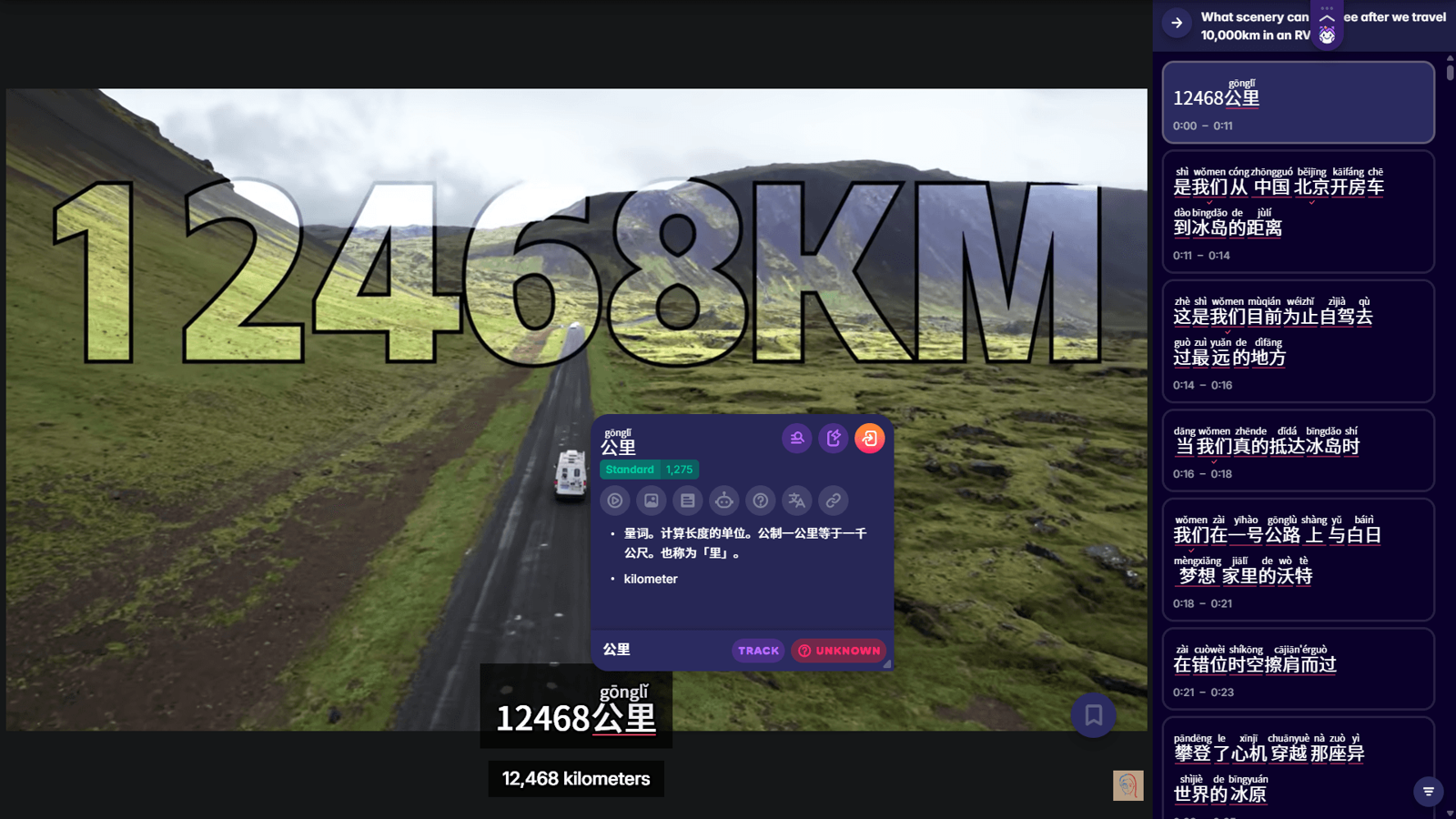
Anyway, if you're serious about improving your Mandarin through real content, Migaku's browser extension and app let you look up Chinese characters and words instantly while watching shows or reading articles. Makes learning from native material way more practical. There's a 10-day free trial if you want to check it out.
Master the basic rules to ask questions in Chinese!
The three particles 吗, 呢, and 吧 each serve specific purposes in Mandarin questions. Use 吗 for neutral yes/no questions, 呢 for follow-up questions and "where is" queries, and 吧 for suggestions or confirmation seeking. Getting comfortable with these will make your Chinese sound way more natural. The best way to really nail these particles is hearing them in context over and over. Reading example sentences helps, but listening to actual conversations in podcasts, dramas, and movies shows you the tone and feeling behind each particle.
If you consume media in Chinese, and you understand at least some of the messages and sentences within that media, you will make progress. Period.
Nothing is truly difficult if you practice diligently. (What do you think?)