# Chinese School Vocabulary: Learn Chinese Vocabulary for Your School Life
> Useful Chinese school vocabulary with pinyin that can help you describe your school life. Covers classroom terms, subjects, and academic phrases.
**URL:** https://migaku.com/blog/chinese/chinese-school-vocabulary
**Last Updated:** 2026-03-30
**Tags:** vocabulary, phrases
---
If you're planning to study in China or just want to [expand your Mandarin vocabulary](https://migaku.com/learn-chinese) beyond "hello" and "thank you," learning school-related words is super practical. School vocabulary comes up constantly in conversations, TV shows, and everyday life. Plus, understanding these terms gives you a window into how Chinese education works, which is pretty different from Western systems. This guide covers everything from classroom basics to school subjects, complete with pinyin so you know how to pronounce each word correctly.
----
## Essential classroom vocabulary every Chinese learner needs
Let's start with the basics you'd encounter in any classroom setting. These are the words you'll hear constantly if you're taking Chinese classes or watching educational content.
| Chinese | Pinyin | English |
| - | - | - |
| 老师 | lǎoshī | Teacher (literally "old master") — also a respectful way to address someone teaching you anything, even outside formal education |
| 学生 | xuéshēng | Student (combines "study" and "life") |
| 教室 | jiàoshì | Classroom |
| 黑板 | hēibǎn | Blackboard (though these days it might actually be a whiteboard or digital screen) |
| 讲台 | jiǎngtái | Teacher's desk |
| 桌子 | zhuōzi | Desk |
| 椅子 | yǐzi | Chair |
| 课 | kè | Class / Lesson |
| 上课 | shàng kè | Having class |
| 下课 | xià kè | Class ends |
| 书 | shū | Book |
| 课本 | kèběn | Textbook (literally "lesson book") |
| 笔记本 | bǐjìběn | Notebook (literally "pen-record-book") |
| 笔 | bǐ | Pen |
| 钢笔 | gāngbǐ | Fountain pen |
| 圆珠笔 | yuánzhūbǐ | Ballpoint pen |
| 铅笔 | qiānbǐ | Pencil |
| 橡皮 | xiàngpí | Eraser |
| 尺子 | chǐzi | Ruler |
| 黑板擦 | hēibǎncā | Chalkboard eraser / Whiteboard eraser |
| 卷笔刀 | juǎnbǐdāo | Pencil sharpener (literally "roll-pen-knife") |
----
## School subjects in Mandarin Chinese
Understanding school subjects helps you talk about what you're studying and follow along with educational content in Chinese.
| Chinese | Pinyin | English |
| - | - | - |
| 数学 | shùxué | Math (combines "number" and "study") |
| 语文 | yǔwén | Chinese language and literature class |
| 英语 | yīngyǔ | English class (literally "English language") |
| 物理 | wùlǐ | Physics |
| 化学 | huàxué | Chemistry |
| 生物 | shēngwù | Biology |
| 地理 | dìlǐ | Geography |
| 历史 | lìshǐ | History |
| 美术 | měishù | Art class |
| 音乐 | yīnyuè | Music |
| 体育 | tǐyù | Physical education (P.E.) |
| 电脑课 / 计算机课 | diànnǎo kè / jìsuànjī kè | Computer class (课 appears again — very common for specific classes) |
| 政治 | zhèngzhì | Politics / Civics class (mandatory in Chinese schools) |
----
## School facilities and locations
Beyond the classroom, there are plenty of other places around campus you should know.
| Chinese | Pinyin | English |
| - | - | - |
| 图书馆 | túshūguǎn | Library (literally "picture-book-building") |
| 食堂 | shítáng | Cafeteria / Dining hall (literally "food hall") |
| 操场 | cāochǎng | Playground / Sports field |
| 体育馆 | tǐyùguǎn | Gymnasium (uses 体育 from P.E. class) |
| 办公室 | bàngōngshì | School office |
| 校长室 | xiàozhǎng shì | Principal's office (校长 means principal/headmaster) |
| 厕所 / 洗手间 | cèsuǒ / xǐshǒujiān | Bathroom (洗手間 literally means "wash hands room") |
| 走廊 | zǒuláng | Hallway / Corridor |
| 实验室 | shíyànshì | Lab |
| 电脑室 / 机房 | diànnǎo shì / jīfáng | Computer lab |
| 校门 | xiàomén | School gate / Entrance (often monitored carefully) |
----
## Staff roles and people at school
Understanding who's who at a Chinese school helps you navigate the educational environment.
| Chinese | Pinyin | English |
| - | - | - |
| 班主任 | bānzhǔrèn | Homeroom teacher / Class advisor (has more responsibility for a specific class of students) |
| 校长 | xiàozhǎng | Principal |
| 副校长 | fù xiàozhǎng | Vice principal |
| 主任 | zhǔrèn | Department head |
| 同学 | tóngxué | Classmate (literally "same study") — also used as a general term of address for students |
| 学长 / 学姐 | xuézhǎng / xuéjiě | Senior student / Upperclassman (male/female) |
| 学弟 / 学妹 | xuédì / xuémèi | Junior student / Underclassman (male/female) |
| 辅导员 | fǔdǎoyuán | Counselor |
----
## School levels and educational stages
The Chinese education system has different levels that are useful to understand.
| Chinese | Pinyin | English |
| - | - | - |
| 幼儿园 | yòu'éryuán | Kindergarten |
| 小学 | xiǎoxué | Elementary school (literally "small school") |
| 初中 | chūzhōng | Middle school / Junior high (short for 初级中学) |
| 高中 | gāozhōng | High school (short for 高级中学) |
| 大学 | dàxué | University / College (literally "big school") |
| 大一 | dà yī | College freshman |
| 大二 | dà èr | Sophomore |
| 大三 | dà sān | Junior |
| 大四 | dà sì | Senior |
| 研究生院 | yánjiūshēng yuàn | Graduate school |
----
## Classroom etiquette and cultural differences
Chinese classrooms operate a bit differently from Western ones, and knowing the vocabulary helps you understand these cultural aspects.
Respect for teachers is very important in Chinese culture. Students address teachers as 老师 (lǎoshī) and rarely use their first names, even in university settings. The morning greeting ritual where students stand and say 老师好 (lǎoshī hǎo) reflects this respect.
Discipline, 纪律 (jìlǜ), is taken pretty seriously. Chinese classrooms tend to be more formal and structured than American ones. Students typically stay in one classroom while teachers rotate between rooms, which is the opposite of the American system.
Group study, 小组学习 (xiǎozǔ xuéxí), is common. Students often work in 小组 (xiǎozǔ), or small groups, for projects and discussions.
----
## Getting the most from Chinese school vocabulary
School vocabulary gives you a solid foundation for understanding Chinese media and conversations. These words come up constantly, whether you're watching a coming-of-age drama, reading a novel about student life, or talking with Chinese friends about their education experiences.
The Chinese education system puts heavy emphasis on academics, so school-related topics dominate a lot of conversations. People talk about 考试 (kǎoshì), 作业 (zuòyè), and 成绩 (chéngjì) way into adulthood. Understanding this vocabulary helps you connect with these cultural touchpoints.
Start with the essential classroom terms, then expand to subjects and activities that interest you. If you're into science, focus on 物理 (wùlǐ), 化学 (huàxué), and 生物 (shēngwù). If you're more arts-oriented, prioritize 美术 (měishù) and 音乐 (yīnyuè).
Practice using these words in sentences, not just memorizing them in isolation. Try describing your own school experience in Chinese, or write about a typical school day using the vocabulary you've learned.
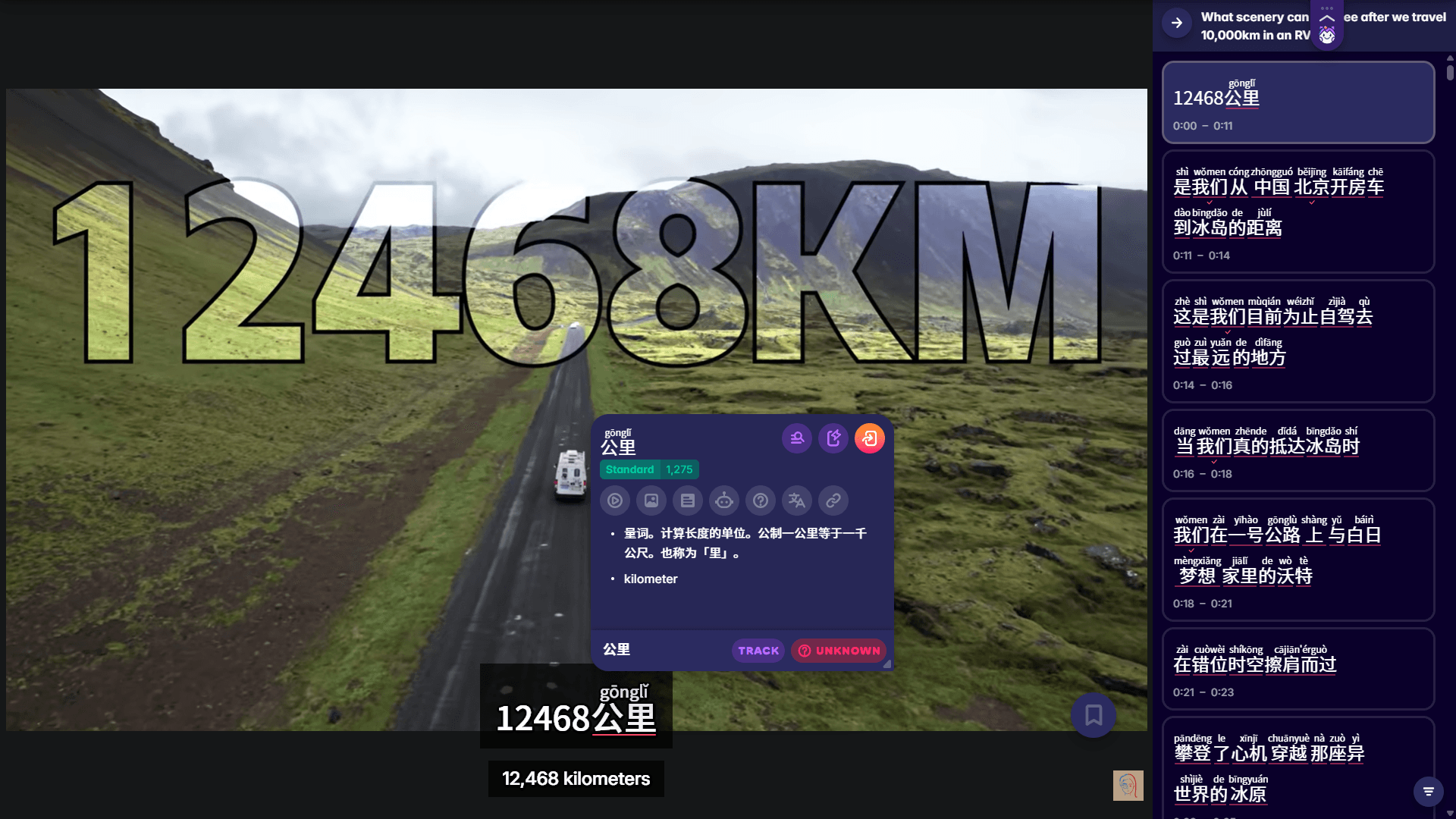
If you want to learn vocabulary from real Chinese content without constantly pausing to look things up, Migaku's browser extension and app let you click any word for instant definitions while watching shows or reading articles. You can save words directly to your flashcards and review them later with spaced repetition. There's a 10-day free trial if you want to test it out.
 ----
## Master Chinese vocabulary through real Chinese content
School vocabulary becomes way more useful when you encounter it in actual Chinese content. Textbook lists are fine for getting started, but watching a Chinese high school drama or reading articles about education in China cements these words in your memory. You start recognizing patterns, understanding context, and picking up natural usage that no vocabulary list can fully capture.
> If you consume media in Chinese, and you understand at least some of the messages and sentences within that media, you will make progress. Period.
When you immerse, the language becomes part of your life.🏫🧑🏫
----
## Master Chinese vocabulary through real Chinese content
School vocabulary becomes way more useful when you encounter it in actual Chinese content. Textbook lists are fine for getting started, but watching a Chinese high school drama or reading articles about education in China cements these words in your memory. You start recognizing patterns, understanding context, and picking up natural usage that no vocabulary list can fully capture.
> If you consume media in Chinese, and you understand at least some of the messages and sentences within that media, you will make progress. Period.
When you immerse, the language becomes part of your life.🏫🧑🏫