# Chinese Texting Slang: Common Abbreviations and Meanings
> Stay updated with the Chinese internet culture and learn popular Chinese slang words like YYDS, 666, and 520. Text with pinyin abbreviations and numbers.
**URL:** https://migaku.com/blog/chinese/chinese-texting-slang
**Last Updated:** 2026-03-28
**Tags:** vocabulary, culture, phrases
---
If you've ever tried texting with Chinese friends or scrolled through Weibo comments, you probably noticed the wild mix of numbers, letters, and abbreviations that look nothing like the [formal Mandarin you learned](https://migaku.com/learn-chinese) in class. Chinese texting slang is one of the most creative parts of modern Chinese language use. From gaming terms like 666 to internet acronyms like YYDS, this slang changes how millions of people communicate daily. Let's break down the most popular terms you'll actually see in real conversations.
----
## Why Chinese internet slang looks so different
Here's the thing about Chinese texting culture. The language itself creates unique opportunities for wordplay that English doesn't have. You've got three main building blocks: character meanings, pinyin sounds, and number homophones. Chinese netizens mix all three to create slang that's faster to type and way more expressive than standard phrases.
The pinyin input method plays a huge role here. Most people type using pinyin on their phones, so abbreviations based on pinyin initials became super common. Instead of typing out full phrases, you just use the first letter of each syllable. It saves time and creates an in-group language that feels more casual than formal [Chinese characters](https://migaku.com/blog/chinese/chinese-characters).
Numbers add another layer because Chinese pronunciation makes certain digits sound like words. The number 5 sounds like "wǔ" which is close to "wǒ" (I/me), and 2 sounds like "èr" which connects to "ài" (love) in creative ways. This number-based slang works because Chinese is a tonal language where similar sounds can reference completely different meanings.
----
## Must-know Chinese internet slang abbreviations
Let me walk you through the letter-based slang terms that basically everyone uses online. These come from pinyin initials, and you'll see them constantly in chat apps like WeChat.
- **YYDS** stands for "yǒngyuǎn de shén" which literally means "forever god" but translates better as "GOAT" (greatest of all time). When someone posts about their favorite celebrity, athlete, or even a food they love, they'll drop YYDS. Like "这个火锅YYDS" means "this hotpot is the GOAT." The term exploded around 2020 and hasn't slowed down since.
- **XSWL** means "xiào sǐ wǒ le" or "laughing to death." It's basically the Chinese equivalent of LOL or LMAO. You'll see this spammed in comment sections when something's genuinely funny.
- **NSDD** translates to "nǐ shuō de duì" which means "you're right" or "what you said is correct." It's a quick way to agree with someone without typing out the full phrase.
- **ZQSG** stands for "zhēn qíng shí gǎn" meaning "true feelings" or being genuinely emotional about something. When someone says they're ZQSG about a TV show, they mean they're actually invested, not just casually watching.
- **DBQ** means "duìbùqǐ" which is just "sorry." Pretty straightforward abbreviation that saves you a few keystrokes when apologizing in chat.
----
## Chinese number slang words and phrases
The number homophones in Chinese texting slang are probably the most famous part of the whole system. These work because of how Chinese pronunciation creates accidental connections between digits and words.
- **520** is the big one everyone knows. It sounds like "wǒ ài nǐ" (I love you) when you say the numbers out loud: "wǔ èr líng." May 20th (5/20) has basically become an unofficial Valentine's Day in China because of this. People send red envelopes with 520 yuan or post confessions on that date.
- **666** doesn't mean the devil like in Western culture. In Chinese, saying "liù liù liù" sounds smooth and represents something going well or someone being skilled. It started in gaming communities when players pulled off impressive moves. Now you'll see it everywhere as a compliment meaning "awesome" or "smooth."
- What does **2333** mean in Chinese? This one's different because it comes from an old emoticon code. On a Chinese forum called MOP, the number 233 was the code for a laughing emoji. People started adding extra 3s to show they're laughing harder, so 2333 or even 23333 means extended laughter. It's similar to typing "hahaha" with more letters for emphasis.
- **886** sounds like "bāi bāi le" which means "bye bye." Quick way to end a conversation without ceremony.
----
## Character-based Chinese slang expressions
Beyond abbreviations, there's a whole world of Chinese slang using actual characters that carry deeper cultural meanings. These terms often become viral memes before settling into everyday language.
- **摸鱼 ** (mō yú) literally means "touch fish" but refers to slacking off at work. The image comes from the idea of sneakily catching fish when you should be working. Everyone uses this when they're browsing social media during office hours or taking extra-long lunch breaks. "今天我在摸鱼" means "I'm slacking off today."
- **躺平 ** (tǎng píng) translates to "lie flat" and represents giving up on the rat race. It became trendy around 2021 when young people started rejecting the intense work culture and choosing simpler lives. It's basically the Chinese version of quiet quitting but with more philosophical weight.
- **内卷 ** (nèi juǎn) means "involution" and describes that exhausting competition where everyone works harder but nobody actually gets ahead. Think of students studying 16 hours a day just to keep up with classmates doing the same thing. The term captures modern Chinese work and education stress perfectly.
- **社死 ** (shè sǐ) is short for "社会性死亡" meaning "social death." It's that moment of extreme embarrassment where you want to disappear. Like when you wave at someone who was actually waving at the person behind you. Pure cringe captured in two characters.
- **栓Q ** (shuān Q) is a phonetic play combining a Chinese character with English. It sounds like "thank you" but uses "栓" which doesn't mean thanks at all. People use it sarcastically when something annoying happens, similar to saying "thanks a lot" with heavy sarcasm in English.
----
## Gaming and social media slang terms
The gaming community drives tons of Chinese internet slang innovation. These terms spread from games to general conversation pretty quickly.
We already covered 666 as the ultimate gaming compliment. In competitive games, you'll see players spam this when teammates make good plays. It's become so mainstream that even non-gamers use it now.
- **GG** is borrowed straight from English gaming (good game) but Chinese players use it too. Sometimes you'll see people mix it with Chinese like "GG了" to say something's finished or failed.
- **菜鸟 ** (cài niǎo) means "rookie" or "noob," literally translating to "vegetable bird." It's a gentle way to call someone inexperienced without being too harsh.
- **大佬 ** (dà lǎo) means "big boss" and shows respect for skilled players or experts. If someone helps you out or shows impressive knowledge, calling them 大佬 is a compliment.
----
## Using slang in Chinese conversations
Context matters a lot when you're dropping slang terms. In formal situations or with people significantly older than you, stick to standard Chinese language. Save the internet slang for friends, casual chats, and online interactions.
Tone also shifts depending on the platform. Weibo tends to have more sarcastic and critical slang use. WeChat group chats with friends are where anything goes. Douyin comments lean toward meme-heavy language and trending phrases.
Don't overdo it. Mixing in one or two slang terms per conversation feels natural. If every sentence is packed with abbreviations and numbers, you'll sound like you're trying too hard. Even native speakers balance slang with regular vocabulary.
Pay attention to what your Chinese friends actually use. Slang evolves regionally and by age group. What's trendy in Beijing might differ from Shanghai. Following Chinese social media helps you catch new terms as they emerge.
----
## The world of Chinese internet keeps evolving
Chinese internet slang in 2026 reflects a language that's constantly adapting to technology and culture. New terms emerge from viral videos, social trends, and shared experiences. Old slang fades when it stops feeling fresh or relevant.
The creativity behind Chinese slang terms shows how flexible the language can be. Mixing numbers, letters, and characters creates endless possibilities for expression that English slang can't quite replicate. Each system (pinyin, characters, numbers) contributes different tools for wordplay.
As you learn Chinese, treating slang as a separate but connected skill makes sense. Master the formal language first so you understand grammar and basic vocabulary. Then add slang gradually as you encounter it in real content. Your comprehension of actual Chinese media will jump significantly once you recognize common slang patterns.
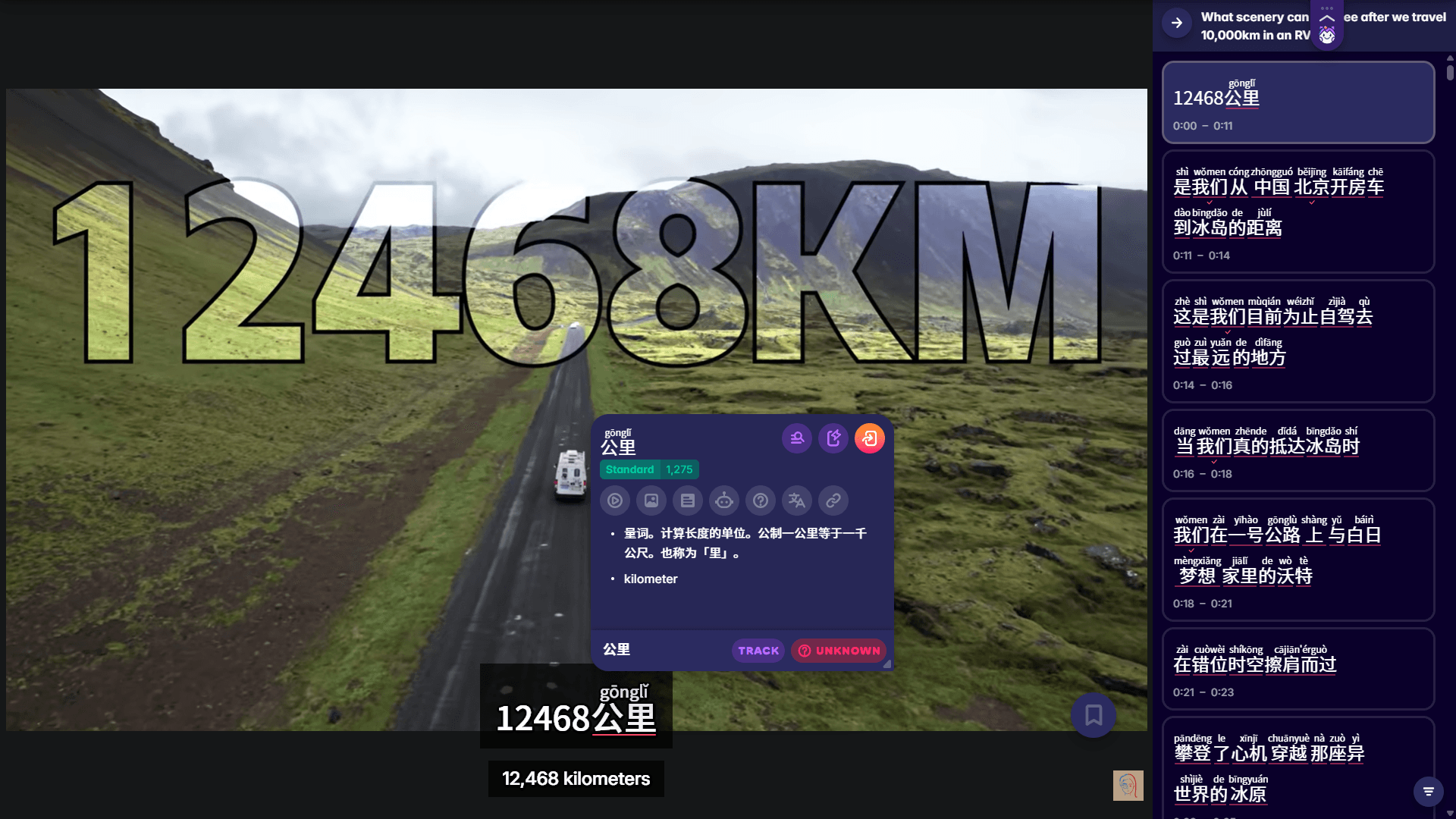
If you want to learn Chinese through content where this slang appears naturally, Migaku's browser extension and app let you look up unfamiliar terms instantly while watching shows or scrolling through Chinese social media. Makes picking up slang way more practical than memorizing lists. There's a 10-day free trial if you want to check it out.
 ----
## Chinese slang terms open up a whole layer of communication that formal study materials completely miss
Whether you're trying to understand gaming streams, follow Chinese social media, or just chat more naturally with friends, knowing terms like YYDS, 666, and 摸鱼 makes a real difference. The slang changes fast, but the underlying patterns (pinyin abbreviations, number homophones, character combinations) stay consistent. Jump into Chinese content, pay attention to what people actually type, and you'll start recognizing these patterns everywhere.
> If you consume media in Chinese, and you understand at least some of the messages and sentences within that media, you will make progress. Period.
Language is the dress of thought.
----
## Chinese slang terms open up a whole layer of communication that formal study materials completely miss
Whether you're trying to understand gaming streams, follow Chinese social media, or just chat more naturally with friends, knowing terms like YYDS, 666, and 摸鱼 makes a real difference. The slang changes fast, but the underlying patterns (pinyin abbreviations, number homophones, character combinations) stay consistent. Jump into Chinese content, pay attention to what people actually type, and you'll start recognizing these patterns everywhere.
> If you consume media in Chinese, and you understand at least some of the messages and sentences within that media, you will make progress. Period.
Language is the dress of thought.