Chinese Writing Practice: How to Master Chinese Characters in 2026
Last updated: March 2, 2026
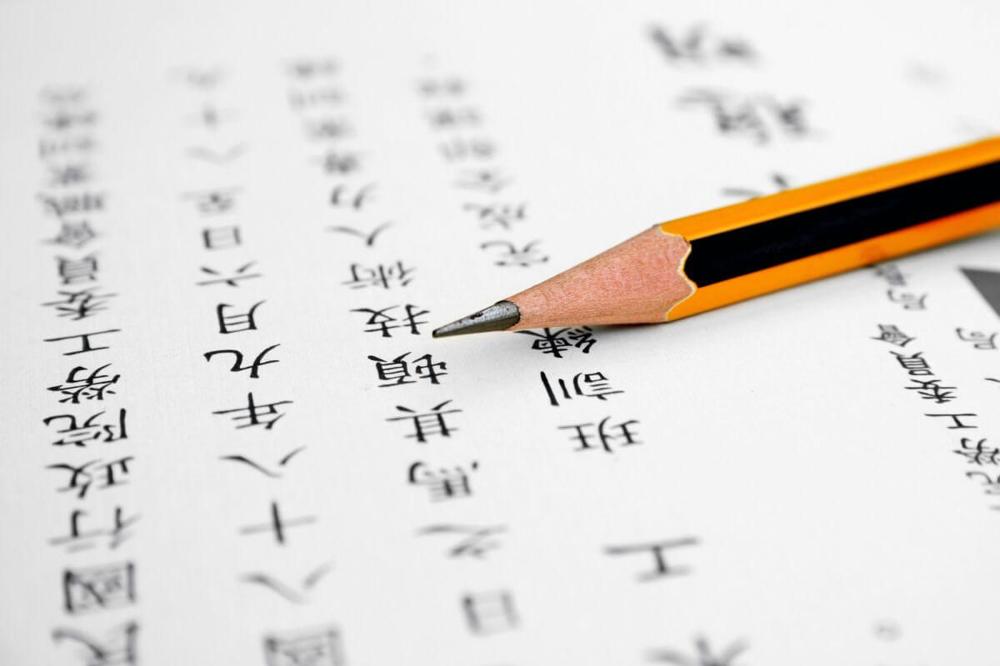
Learning to write Chinese characters feels impossible at first. You're staring at these complex symbols wondering how anyone remembers which line goes where. But here's the thing: Chinese writing practice isn't about artistic talent or photographic memory. It's about understanding the system behind the characters and building muscle memory through smart repetition. I've watched hundreds of Chinese learners go from struggling with basic strokes to writing full sentences, and the difference always comes down to using the right techniques consistently.
- Why Chinese writing practice matters
- Understanding stroke order rules
- Breaking down radicals and components
- Repetitive writing and building muscle memory
- Using mnemonic devices and visual stories
- Implementing spaced repetition for long-term Chinese characters retention
- Practicing with sentences and contexts
- Common mistakes to avoid when learning how to write Chinese
- Measuring your progress in Mandarin writing
Why Chinese writing practice matters
Look, plenty of people learn to speak Chinese without ever picking up a pen. Voice typing exists, right? But practicing handwriting does something special for your brain. When you physically write a character, you're processing it differently than just recognizing it on a screen.
- Writing forces you to understand the internal structure of each character. You can't fake your way through it like you might with passive reading. Your hand needs to know exactly which component comes first, how the strokes connect, and where everything sits spatially. This deeper processing makes characters stick in your memory way better than flashcards alone.
- Plus, understanding stroke order and radicals makes you faster at everything else. Looking up unfamiliar characters becomes easier when you can count strokes accurately. Typing with handwriting input (super common on phones in China) requires knowing proper stroke sequences. And honestly, Chinese people notice and appreciate when foreigners can write properly.
Understanding stroke order rules
Stroke order isn't random. Chinese follows consistent rules that make writing faster and characters look balanced. Once you internalize these patterns, you'll intuitively know how to write new characters without looking up every single one.
💡 The Basic Rules 💡
The basic rules cover maybe 90% of situations.
1. Top to bottom means you write the upper parts before lower parts.
2. Left to right means left components come before right ones.
3. Horizontal strokes generally come before vertical strokes when they cross.
4. Outside enclosures get written before the inside parts, but you close the bottom last.
Here's a practical example: the character (middle) follows top to bottom. You write the left vertical line of the enclosure first, the horizontal stroke and vertical stroke of the box next, enclose the box, then the middle vertical stroke last.
Apps and websites with stroke order animations help tremendously here. Watching the character build up stroke by stroke shows you the rhythm and sequence. Arch Chinese and Skritter both have great stroke order demonstrations. Some learners screenshot these animations as reference while practicing.
Breaking down radicals and components
Every Chinese character is either a simple standalone character or a combination of smaller components. Understanding this structure transforms writing practice from memorizing thousands of random symbols to recognizing patterns.
Radicals are the building blocks used to categorize characters in dictionaries. There are 214 traditional radicals, though you'll encounter maybe 100 commonly. The radical often (but not always) gives a hint about meaning. Water radical 氵appears in characters related to liquids: (river), (sea), (tears).
Learning common radicals separately makes complex characters less intimidating. When you see (clear/pure), you recognize the water radical on the left and (blue/green) on the right. You're not memorizing one complicated character, you're combining two familiar pieces.
Phonetic components are equally important. Many Chinese characters contain a component that hints at pronunciation. The character (mother) contains 马 (horse) as its phonetic component. They sound similar even though the meanings are unrelated. Recognizing these patterns helps you guess pronunciations and remember readings.
When practicing writing, consciously identify the components before you start. Ask yourself: what's the radical? What's the phonetic component? How do they combine spatially (left-right, top-bottom, or enclosure)? This analytical approach builds pattern recognition that transfers to new characters.
Repetitive writing and building muscle memory
Repetition gets a bad reputation, but muscle memory is real. Your hand learns the motion patterns for each character through repeated practice. Eventually, you write characters automatically without consciously thinking about each stroke.
The question is how much repetition you need. Writing each character 100 times on writing worksheets (old school Chinese classroom style) works, but it's brutally boring and time inefficient. Most people's attention drops off after the first 10 repetitions anyway.
A better approach: write each new character 5-10 times with full concentration, then return to it later through spaced repetition.
That first session builds the initial motor pattern. Subsequent review sessions (the next day, three days later, a week later) reinforce it before you forget.
Quality matters more than quantity. Write Chinese characters slowly and carefully, paying attention to stroke order and proportion. This creates better muscle memory than mindlessly scribbling 50 sloppy versions. If you notice yourself making mistakes after the third repetition, stop and reset rather than reinforcing bad habits.
Grid paper or practice sheets help maintain consistent character sizing and proportion. Chinese characters should fit roughly into a square. Components need proper spacing so the character looks balanced. Worksheets with fading guide characters (where you trace first, then write independently) work great for beginners.
Using mnemonic devices and visual stories
Pure repetition works, but adding memorable stories makes characters stick way faster. Mnemonics turn abstract symbols into concrete mental images your brain naturally remembers.
- The character (rest) combines person and tree . The story: a person leaning against a tree to rest. Boom, you'll never forget it.
- The character (good) combines woman and child . A woman with her child represents something good in traditional Chinese culture.
- The character (peace/calm) shows a woman under a roof 宀. Maybe she's finally peaceful because she has a home to rest. Whatever story clicks for you personally works best.
You can find pre-made mnemonic systems (Heisig's "Remembering the Hanzi" is popular), or create your own. Personal stories you invent yourself often stick better because they connect to your own experiences and sense of humor. Just keep them consistent so you don't confuse yourself later.
Mnemonic stories work especially well combined with writing practice. As you physically write the character, mentally replay the story. This links the motor memory with the visual memory and the narrative memory. Triple reinforcement.
Implementing spaced repetition for long-term Chinese characters retention
Writing a character once doesn't mean you'll remember it next month. Spaced repetition systems schedule reviews at optimal intervals to move information into long-term memory efficiently.
Anki is the most popular spaced repetition software, and you can absolutely use it for writing practice. Instead of just recognition cards (seeing the character and recalling the meaning), create production cards that show you the pinyin and meaning, prompting you to write the character from memory.
💡 Writing Practice with Anki 💡
Here's how I'd structure it: the front of the card shows the pinyin and English meaning. You grab paper and write the character. Flip the card to check if you got it right, including proper stroke order. If correct, mark it good or easy. If wrong, mark it again, and you'll see it sooner.
Some people use Skritter, which is specifically designed for Chinese character writing practice. It has you write characters on screen with your finger or stylus, and it checks your stroke order in real time. The spaced repetition is built in. Pretty convenient, though it costs money after the trial period.
The key with any spaced repetition system: do your reviews consistently. The algorithm works when you trust it and show up daily. Skipping reviews for a week breaks the spacing and you'll forget characters you'd already learned.
Practicing with sentences and contexts
Isolated character practice builds the foundation, but contextual learning makes everything stick better. Writing actual words, phrases, and sentences shows you how characters combine and behave in real usage.
- Start simple with common two-character vocabulary words. Instead of just writing and separately, practice writing (student) as a complete word. Then practice it in a sentence: (I am a student). This reinforces the individual characters while teaching you natural word combinations.
- Copying sentences from your textbook or reading material provides fantastic practice. You're simultaneously reinforcing characters, learning vocabulary, and absorbing grammar patterns. Pick sentences slightly above your current level so you're challenged but not overwhelmed.
- Writing your own sentences takes it further. Even simple stuff like "I ate rice today" or "My friend likes coffee" forces you to recall characters actively and combine them meaningfully. You'll quickly discover which characters you actually know versus which ones you just vaguely recognize.
- Keeping a simple Chinese journal, even just a few sentences daily, provides regular writing practice with personal relevance. Writing about your own life creates stronger memory associations than copying random textbook examples. Plus you can review your old entries and see your progress, which feels pretty awesome.
Common mistakes to avoid when learning how to write Chinese
Plenty of learners sabotage their own progress with counterproductive habits. Watching out for these pitfalls saves you time and frustration.
- Ignoring stroke order is the biggest mistake. Yeah, you can make a recognizable character writing strokes in random order, but you're building bad muscle memory as a result. Your characters will look awkward, writing will be slower, and you'll struggle with cursive or handwriting input systems. Just learn it correctly from the start.
- Practicing only recognition without production creates a false sense of progress. You might recognize 1000 characters when reading but struggle to write even 100 from memory. You need to learn both how to read and write Chinese characters.
- Trying to learn too many Mandarin characters too fast leads to burnout and poor retention. Learning 50 new characters in one weekend feels productive, but you'll forget most of them without proper review. Memorize slowly and steadily with spaced repetition beats cramming every time.
- Sticking with one script. If you're learning simplified characters (used in mainland China), don't accidentally practice traditional versions (used in Taiwan and Hong Kong). They're different writing systems. Pick one and stick with it, at least initially.
Measuring your progress in Mandarin writing
Knowing whether your practice is actually working helps maintain motivation and adjust your approach.
- The most obvious test: can you write characters from memory? Cover up your reference and try writing your target vocabulary. If you can produce correct characters with proper stroke order, your writing has improved. If you're blanking or making consistent mistakes, you need more review.
- Speed matters too, eventually. Beginners write slowly and carefully, which is fine. But over time, you should get faster as muscle memory develops. If you're still painfully slow after writing a character 50 times, something's wrong with your practice method.
- Recognition versus production gap indicates where you need work. If you can read characters easily but struggle to handwrite them, you need more active writing practice. If you can write characters but don't recognize them quickly when reading, you need more reading exposure.
- Real world application is the ultimate test. Can you fill out a form in Chinese? Write a short message to a language teacher? Take notes during a Chinese lesson? If your practice translates to actual functional writing, you're on the right track.
- Taking practice tests designed for Chinese proficiency exams (HSK writing sections, for example) provides objective benchmarks. Even if you're not planning to take the actual test, the practice versions show you what level you're currently at.
Anyway, if you want to put these characters to use with real Chinese content, Migaku's browser extension and app let you look up words instantly while reading articles or watching videos. By adding words to flashcards, you can check the English and Chinese meanings with a dictionary. Reviewing the recordings to check if your handwriting is correct becomes way easier, too. Makes the whole immersion learning process way more practical. There's a 10-day free trial if you want to check it out.

The fun way to learn how to write Chinese characters
Let's be real, writing the same character 10 times in a row gets tedious. Finding ways to make practice more engaging helps you stick with it. Vary your practice content based on your interests. If you like cooking, practice writing food-related vocabulary. Into sports? Write sports terms and phrases. Connecting practice to topics you actually care about makes the time pass faster. Tools like Migaku can help you mine vocabulary and sentences from YouTube videos for your writing practice!
If you consume media in Chinese, and you understand at least some of the messages and sentences within that media, you will make progress. Period.
Chinese people believe that (The style is the man.) Impress your friends with your handwriting!