# How to Say Good Morning in Cantonese (早晨 Zou2 San4)
> Say good morning in Cantonese with proper pronunciation. Master 早晨 (zou2 san4), understand the tones, and use it correctly in Hong Kong.
**URL:** https://migaku.com/blog/chinese/good-morning-in-cantonese
**Last Updated:** 2026-03-10
**Tags:** vocabulary, phrases
---
If you're heading to Hong Kong or just want to impress your Cantonese-speaking friends, knowing how to say good morning is a solid first step. Cantonese has its own unique greetings that differ from Mandarin, and getting this right shows you actually care about [learning the language](https://migaku.com/learn-cantonese). Let me walk you through everything you need to know about morning greetings in Cantonese, from pronunciation to cultural context.
---
## The basic phrase: 早晨 (zou2 san4)
The standard way to say good morning in Cantonese is 早晨 , written with the characters for "early" and "morning." The Jyutping romanization is zou2 san4, which helps you understand the tones. The "2" and "4" refer to specific tone numbers in [Cantonese's six-tone system](https://migaku.com/blog/language-fun/cantonese-tones).
Here's how to pronounce it: the first syllable "zou2" sounds like "joe" with a rising tone, similar to asking a question in English. The second syllable "san4" sounds like "sun" but with a falling tone that drops down. Put them together and you get something like "joe-SAN" with that distinctive tonal movement.
The literal translation is pretty straightforward. The character 早 means "early" and 晨 means "morning," so you're basically saying "early morning" when you greet someone. Pretty logical compared to some other Chinese phrases that don't translate as directly.
---
## When to use 早晨 in Hong Kong
In Hong Kong, 早晨 is the polite, standard morning greeting you'd use in most situations. You'll hear it in offices, shops, restaurants, and pretty much anywhere before noon. It works for both formal and casual contexts, though it leans slightly more formal.
The thing about Cantonese culture in Hong Kong is that greetings matter. People appreciate when you make the effort to say good morning properly instead of just jumping into a conversation or transaction. Shop workers, colleagues, and neighbors will typically exchange 早晨 when they see each other in the morning hours.
Timing-wise, you'd use this greeting roughly from when you wake up until around 11 AM or noon. After that, you'd switch to afternoon greetings. Some people are flexible with this boundary, but morning is generally considered to end before lunch.
---
## Alternative Cantonese morning greetings
While 早晨 is the most common phrase, you might also hear 早 (zou2) on its own. This is a shortened, more casual version that friends or family members might use. It's like saying "morning!" instead of "good morning!" in English.
Another variation is 早上好 (zou2 soeng6 hou2), which is more influenced by Mandarin Chinese. You'll hear this sometimes in Hong Kong, but it sounds less authentically Cantonese. Local Hong Kong speakers tend to prefer just 早晨 because it feels more natural to the language.
In very casual situations between close friends, some people might just say 喂 (wai3), which is basically "hey." But this isn't specifically a morning greeting, just a general informal way to get someone's attention.
---
## How Cantonese differs from Mandarin greetings
This is where things get interesting. In [Mandarin Chinese](https://migaku.com/learn-chinese), the morning greeting is 早上好 (zǎo shang hǎo) or just 早 (zǎo). Notice how the pronunciation is completely different even though some characters overlap.
Cantonese and Mandarin are distinct languages, not just dialects. They share the same writing system but sound totally different when spoken. A Mandarin speaker and a Cantonese speaker can read the same newspaper but can't understand each other when talking.
The phrase 早晨 exists in Mandarin too (pronounced zǎo chén), but it's used more as a noun meaning "early morning" rather than as a greeting. So if you say zou2 san4 to a Mandarin speaker, they might look confused. Context matters, and knowing which Chinese language you're dealing with is crucial.
---
## Other essential Cantonese greetings
Once you've got good morning down, you'll want to know greetings for other times of day.
- Good afternoon in Cantonese is 午安 (ng5 on1), pronounced like "ng-awn." The first syllable is tricky because it starts with an "ng" sound like the end of "sing."
- Good evening or good night is 晚安 (maan5 on1), which sounds like "mahn-awn." This works both for greeting someone in the evening and for saying goodnight before bed.
- For a general greeting that works anytime, you can say 你好 (nei5 hou2), which means "hello." This is probably the most versatile greeting in Cantonese. The pronunciation is roughly "nay-ho" with nei5 using a low-rising tone and hou2 using a mid-rising tone.
---
## Cultural context in Hong Kong
Hong Kong has a unique linguistic situation. While Cantonese is the dominant spoken language, English is also widely used, and Mandarin has become more common in recent years. Still, Cantonese remains the heart of Hong Kong identity.
Using Cantonese greetings in Hong Kong shows respect for local culture. Even if someone speaks perfect English, starting a conversation with 早晨 or 你好 creates a warmer interaction. Hong Kong people appreciate when foreigners make the effort to learn their language.
The phrase 早晨 carries a sense of traditional politeness. Older generations especially value proper greetings, and using 早晨 in the morning demonstrates good manners. Younger people might be more casual, but the phrase still works across all age groups.
---
## Practice tips for pronunciation
1. Getting Cantonese tones right takes practice. Record yourself saying zou2 san4 and compare it to native speaker audio. You'll probably notice differences in your tonal contours at first.
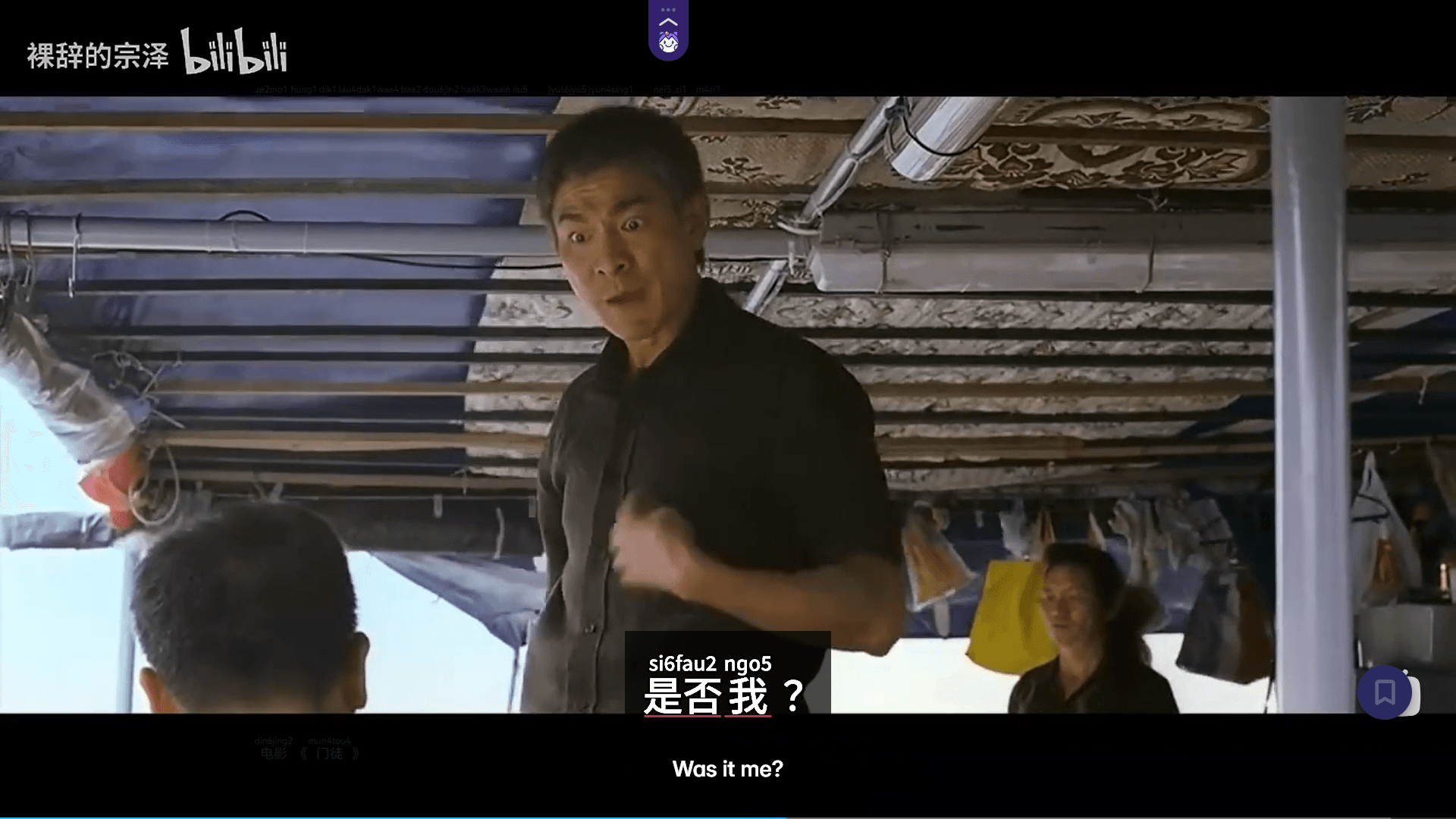
2. Listen to how native speakers say 早晨 in different contexts. YouTube videos, Cantonese TV shows, and Hong Kong movies are great resources. Pay attention to the natural rhythm and flow, not just the individual tones.
3. Don't get discouraged if your tones aren't perfect right away. Even getting close to the right tones will usually get your meaning across, and Cantonese speakers are generally patient with learners. The more you practice, the more natural it becomes.
If you're serious about learning Cantonese beyond just basic greetings, Migaku's browser extension and app can help you learn from real content like Hong Kong dramas and news sites. You can look up words instantly while watching or reading, which makes the whole immersion process way easier. There's a 10-day free trial if you want to give it a shot.
 ---
## FAQs
You might see "jo sun" written in various informal romanizations online. This is just another way of writing zou2 san4 without the tone numbers. Different people romanize Cantonese differently based on what makes sense to them.
---
## To learn Cantonese, you need to observe and speak the language
Now you know that good morning in Cantonese is 早晨 (zou2 san4), how to pronounce it with the right tones, and when to use it in Hong Kong. You've also learned how it differs from Mandarin, what other greetings you might need, and how to avoid common pronunciation mistakes. The key is to observe and use what you've learned. Next time, when a character in the movie says 早晨, try shadowing the pronunciation. And when you encounter a Cantonese speaker in the morning, try saying 早晨.
> If you consume media in Cantonese, and you understand at least some of the messages and sentences within that media, you will make progress. _Period_.
Start small - try saying 早晨.☀️🐓
---
## FAQs
You might see "jo sun" written in various informal romanizations online. This is just another way of writing zou2 san4 without the tone numbers. Different people romanize Cantonese differently based on what makes sense to them.
---
## To learn Cantonese, you need to observe and speak the language
Now you know that good morning in Cantonese is 早晨 (zou2 san4), how to pronounce it with the right tones, and when to use it in Hong Kong. You've also learned how it differs from Mandarin, what other greetings you might need, and how to avoid common pronunciation mistakes. The key is to observe and use what you've learned. Next time, when a character in the movie says 早晨, try shadowing the pronunciation. And when you encounter a Cantonese speaker in the morning, try saying 早晨.
> If you consume media in Cantonese, and you understand at least some of the messages and sentences within that media, you will make progress. _Period_.
Start small - try saying 早晨.☀️🐓