Japanese Drinking Culture Phrases for Bars and Izakayas
Last updated: March 14, 2026
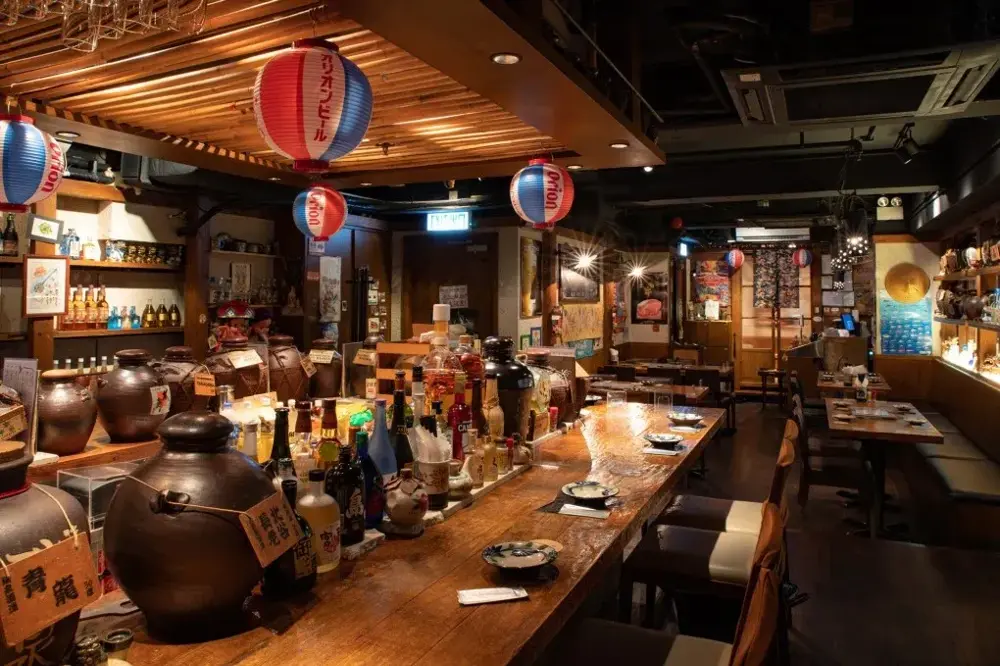
Going out for drinks in Japan is way more than just ordering a beer and calling it a night. Whether you're heading to an izakaya with coworkers, joining a nomikai (office drinking party), or just grabbing drinks at a local bar, knowing the right phrases makes the whole experience smoother and honestly, more fun. You'll blend in better as a Japanese learner, show respect for the culture, and avoid those awkward moments where everyone's staring at you because you broke some unspoken rule. Here's everything you need to know about Japanese drinking culture phrases that'll actually help you navigate these social situations.
- Essential phrases for ordering drinks
- Japanese drinking etiquette
- Reordering and counting drinks
- All-you-can-drink: Nomihoudai in izakayas
- Phrases for nomikai and group drinking
- Getting drunk: Japanese phrases you'll hear
- Regional and modern variations
- Practical tips for learning Japanese language and culture
- FAQs on drinking in Japan
Essential phrases for ordering drinks
Let's start with the basics. When you sit down at an izakaya or bar, you'll need to order. The most iconic phrase you'll hear is (toriaezu nama), which literally means "draft beer for now." This is what everyone says when they first sit down. It's become such a standard opener that servers basically expect it.
For ordering specific drinks:
- (nama biiru kudasai) means "Draft beer, please." The word (nama) means "fresh" or "draft," and you'll hear it constantly when ordering beer.
- (nihonshu kudasai) is "Sake, please." Most people outside Japan call it sake, but in Japanese, (sake) just means alcohol in general. The proper term is (nihonshu).
- (mizu kudasai) is "Water, please." Super simple but important when you need to pace yourself.
- (uuron cha kudasai) is "Oolong tea, please." This is the go-to non-alcoholic option in Japan. If you're not drinking alcohol but don't want to make it obvious, oolong tea is your friend.
Japanese drinking etiquette
How to toast
Before anyone takes a sip, you wait for the toast. This is pretty much non-negotiable in group settings. Everyone raises their glasses, someone says (kanpai), which means "cheers," and then you drink.
Drinking etiquette
- When someone pours for you, hold your glass with both hands or at least support the bottom with your other hand. It shows respect.
- And here's the big one: you pour for others, not yourself.
- If someone's glass is getting low, offer to pour. They'll usually reciprocate. This back-and-forth pouring is a huge part of Japanese drinking culture.
- If you want to politely decline more alcohol, you can say (mou kekkou desu), which means "I'm good, thanks." But honestly, people will keep trying to pour for you, so be prepared to gently insist.
Reordering and counting drinks
When you want another round, you'll use counter words. Japanese has specific counters for different things, and drinks have their own. (mou ippai) means "one more drink." The word (ippai) literally means "one cup" or "one drink."
For ordering multiple drinks:
- (nihai) is two drinks
- (sanbai) is three drinks
- (yonhai) is four drinks
The counter changes pronunciation depending on the number, which is typical for Japanese. You'll mostly use (mou ippai) in real situations anyway.
All-you-can-drink: Nomihoudai in izakayas
Most izakayas offer (nomihoudai), which means "all-you-can-drink." This is usually a set time limit, like 90 minutes or 2 hours, and you pay a flat fee to drink as much as you want from a specific menu.
To ask about it: (nomihoudai arimasu ka) means "Do you have all-you-can-drink?"
Nomihoudai is super common at nomikai (office drinking parties) and group gatherings. The time limit is strict though. When your time is almost up, servers will come around with a (rasuto oodaa) or "last order" warning. Order your final drinks then because they mean it.
Phrases for nomikai and group drinking
Nomikai are company drinking parties, and they have their own social rules. These aren't just casual hangouts. They're semi-mandatory work events where hierarchies matter and you're expected to participate.
- (otsukaresama desu) is what people say at the start. It means "thanks for your hard work" and acknowledges everyone's effort. You'll hear this constantly in work settings, especially before drinking starts.
- (osaki ni shitsurei shimasu) means "Excuse me for leaving first." You say this when you need to leave before others, especially if seniors are still there. Just ghosting from a nomikai isn't really done.
When your boss or senior colleague is speaking, you listen. When they pour for you, you accept. The group dynamics are real, and drinking culture in Japan reflects the broader social hierarchy.
Getting drunk: Japanese phrases you'll hear
Japanese has specific words for different levels of intoxication, and people use them pretty openly.
- (yopparai) means "drunk person" or "drunkard." You'll see drunk salarymen stumbling around train stations late at night, and yep, those are yopparai.
- (yotta) is the past tense of "to get drunk." If someone says (chotto yotta), they're saying "I'm a bit drunk."
- (futsukayoi) means "hangover." The morning after a nomikai, you'll hear people complaining about their futsukayoi.
Regional and modern variations
While the phrases covered here work everywhere in Japan, some regional variations exist. Kansai dialect has different expressions, and local izakayas might have their own slang. But stick with standard Japanese phrases, and you'll be fine anywhere.
Craft beer culture has grown in Japan over the past decade, introducing terms like (kurafuto biiru) for craft beer. Younger drinkers might order specific styles like IPA or stout using English terms mixed with Japanese.
Low-alcohol and non-alcoholic options have become more socially acceptable, too. (non-arukooru) drinks are widely available, and people are less pushy about forcing alcohol on those who decline.
Practical tips for learning Japanese language and culture
Learning these phrases is one thing. Using them naturally takes practice. Here's what helped me: listen to how Japanese people use them in context. The timing, the tone, the situations all matter.
- Don't overthink pronunciation at first. Just try. Japanese people appreciate the effort even if your accent isn't perfect. The key phrases like kanpai, toriaezu nama, and mou ippai are forgiving because everyone uses them constantly.
- Watch for social cues. If someone's pouring for you, receive it properly. If glasses are empty, offer to pour. These non-verbal aspects matter as much as the phrases themselves.
- At nomikai specifically, observe the hierarchy. Let senior people lead toasts, pour for them first, and follow their pace. The drinking might seem casual, but the social structure underneath is formal.
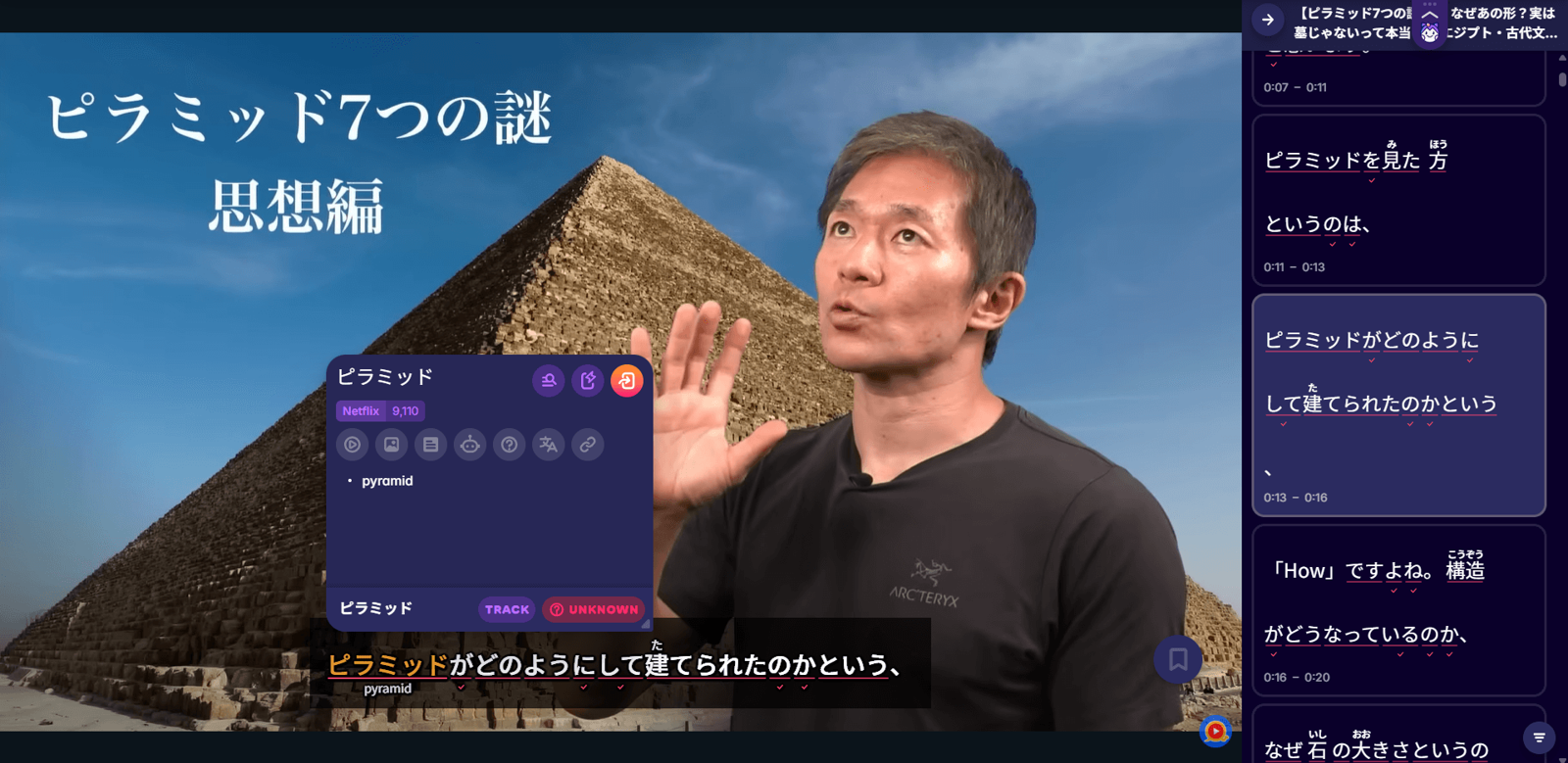
If you're serious about learning Japanese beyond just drinking phrases, Migaku's browser extension and app let you look up words and save them while watching Japanese shows or reading content online. Makes building vocabulary way more natural than drilling flashcards. There's a 10-day free trial if you want to check it out.
FAQs on drinking in Japan
Once you've got these phrases down, drinking in Japan becomes way more enjoyable
You're participating in the culture instead of just observing it. Izakayas are where real connections happen, where coworkers become friends, and where you see a different side of Japanese society. In dramas and movies, you will also frequently see scenes happening in izakaya or Japanese bars, giving you more exposure to the Japanese culture of drinking.
If you consume media in Japanese, and you understand at least some of the messages and sentences within that media, you will make progress. Period.
Learn the words, enjoy the culture!🍻