# Japanese Politeness Levels: How and When to Switch to Polite Language in Japanese
> Understand the three Japanese politeness levels (casual, polite, keigo), how verbs change, when to use honorifics, and tips to practice.
**URL:** https://migaku.com/blog/japanese/japanese-politeness-levels-casual-polite-formal
**Last Updated:** 2026-03-20
**Tags:** culture, deepdive
---
[Learning Japanese](https://migaku.com/learn-japanese) means getting comfortable with switching between different speech styles depending on who you're talking to. The Japanese language has built-in politeness levels that change how you conjugate verbs, which honorifics you use, and even which words you pick. If you've ever wondered why your textbook teaches you three different ways to say the same thing, this guide breaks down casual, polite, and formal Japanese so you can understand when to use each one.
----
## The three main levels of politeness in Japanese
Japanese politeness works on a spectrum, but you can think of it in three main categories that learners need to master.
1. **The casual or plain form is what you'll hear between close friends, family members, and people of equal status who know each other well.** This is the dictionary form of verbs and adjectives without any extra politeness markers. When you look up a verb like (taberu, to eat) in a dictionary, that's the casual form.
2. **The polite form uses (desu) and (masu) endings.** This is your default safe zone when speaking Japanese. You'll use this polite speech with coworkers, acquaintances, store clerks, and basically anyone you don't have a close relationship with. The verb becomes (tabemasu) in this form.
3. **The formal or honorific level is called (keigo),** and it's where things get complicated. Keigo includes special [honorific](https://migaku.com/blog/japanese/japanese-honorifics) verbs, humble language, and respectful prefixes that show serious respect to the person you're addressing or talking about. This level of formality appears in business settings, customer service, formal announcements, and when speaking to people much higher in the social hierarchy.
----
## How verbs change across politeness levels
Here's where the rubber meets the road. Every verb in Japanese can transform to match the level of politeness you need.
Let's take the verb "to go" as an example.
1. In casual form, it's (iku). You'd use this with your friends: (Ashita, iku? - Going tomorrow?).
2. In the polite form, it becomes (ikimasu). This works for most everyday situations: (Ashita, ikimasu - I will go tomorrow).
3. In keigo, you have two options depending on who's doing the action.
- If someone you respect is going, you use the respectful form (ikaremasu) or the honorific verb (irasshaimasu).
- If you're going and want to humble yourself, you use (mairimasu).
The verb conjugation patterns matter because they signal your relationship to the listener immediately. A Japanese speaker can tell within seconds whether you view them as a friend, a stranger, or someone deserving special respect based purely on your verb endings.
----
## Understanding keigo: The highest level of formality
Keigo splits into two main categories, and mixing them up is a classic learner mistake.
1. (Sonkeigo) is respectful or honorific language. You use this when talking about the actions of someone above you in the hierarchy. Your boss, your teacher, a customer, or an elderly person you're showing respect to. Sonkeigo elevates the other person.
2. (Kenjougo) is humble language. You use this when talking about your own actions to lower yourself and show respect to the listener. When you tell your boss "I will send the email," you'd use a humble verb to make yourself smaller in the exchange.
3. There's also (Teineigo), which is basically the polite desu/masu form we already covered. Some people count this as a third type of keigo, others treat it separately. Either way, it's the foundation you build on.
Honorific verbs completely replace regular verbs in many cases. Instead of (iu, to say), you'd use (ossharu) when your boss is speaking. Instead of (taberu, to eat), you'd say (meshiagaru) when asking if a customer has eaten.
The humble language equivalent means using different verbs for your own actions. You don't (iu), you (mousu). You don't (kiku, to ask), you (ukagau).
----
## Honorific prefixes and titles
Beyond verb forms, Japanese uses honorific prefixes and suffixes that modify nouns and show respect.
> 💡 The Prefix (o) or (go) 💡
**The prefix (o) or (go)** attaches to certain nouns to make them more polite. Generally, goes with native Japanese words and goes with words borrowed from Chinese.
You say (ocha, tea) and (gohan, rice/meal) even in casual polite conversation. Some words basically never appear without the prefix anymore.
In formal situations, these prefixes get used even more. (onamae, your name), (gojuusho, your address), (odenwa, telephone). The prefix shows you're being respectful about the noun itself.
**Name suffixes are another huge part of honorific speech.**
- (san) is your standard polite suffix for names. Use it with colleagues, acquaintances, and most people you interact with.
- (sama) is the formal version for customers, people you're serving, or people of very high status.
- (chan) is affectionate and casual, used with kids or very close friends.
- (kun) is informal and typically used for boys or younger male colleagues.
----
## Social factors that determine which level to use
The hierarchy of politeness in Japanese depends on several factors that interact with each other.
1. **Age plays a big role.** Older people generally receive more polite language from younger people. Even a year or two of age difference in school or work settings can determine who uses casual speech and who uses polite form.
2. **Social rank or status** matters even more in many contexts. Your boss gets keigo regardless of age. A customer gets respectful language even if they're younger than you. A teacher receives honorific speech from students. The person higher in the organizational hierarchy receives the higher level of politeness.
3. **Familiarity and relationship closeness** can override some hierarchy. Close friends of different ages might use casual speech with each other once they've established that relationship. Family members often use casual forms, though some families maintain polite speech between certain members.
4. **The setting influences formality too.** The same two coworkers might use polite speech in a meeting but switch to casual form when grabbing drinks after work. Context matters.
----
## The polite form as your default
For learners, the desu/masu polite form should be your go-to until you have a good reason to switch.
This level of politeness works in the vast majority of situations. Meeting someone new? Polite form. Asking for directions? Polite form. Talking to a coworker? Polite form. Shopping? Polite form. You'll rarely offend anyone by being too polite at this level.
The polite speech level strikes a balance between showing respect and maintaining conversational flow. It's formal enough to be appropriate but not so formal that it sounds like you're giving a business presentation.
Most Japanese [textbooks](https://migaku.com/blog/japanese/best-japanese-textbooks) teach the polite form first for good reason. It's socially safe and widely applicable. Some teachers debate whether to start with casual forms since they're grammatically simpler, but the polite form's practical utility usually wins out.
You can live in Japan comfortably using just the polite form for years. Plenty of foreigners do. You'll sound a bit formal with everyone, but you won't make major social mistakes.
----
## Common mistakes learners make with Japanese politeness levels
1. Mixing different levels of formality in the same sentence is a classic error. You can't use a casual verb with a polite ending or vice versa. The whole sentence needs to match in formality.
2. Using casual speech too early in a relationship makes you sound rude or overly familiar. Japanese people might not correct you directly, but they'll notice. Wait for clear signals that casual speech is okay.
3. Overusing keigo with friends creates awkward distance. If someone switches to casual speech with you and you keep using polite form, it suggests you don't consider them a friend.
4. Not adjusting your speech level when the situation changes shows poor social awareness. You need to shift gears when moving from a casual conversation to a formal meeting, or when a senior colleague joins a previously casual group chat.
5. Using the wrong type of keigo, like humble language when you should use respectful language, can accidentally insult someone by lowering them instead of elevating them.
----
## Practical tips for learning different levels of formality
1. Start with the polite form and get really comfortable with it. Master desu/masu conjugations until they're automatic. This gives you a safe foundation for most interactions.
2. Learn the most common honorific verbs and humble verbs as vocabulary items. Focus on the ones you'll actually use: (irassharu, to be/go/come - respectful), (ossharu, to say - respectful), (meshiagaru, to eat/drink - respectful), (mousu, to say - humble), (ukagau, to ask/visit - humble).
3. Pay attention to politeness levels in your [immersion content](https://migaku.com/blog/japanese/best-japanese-youtube-channels). Notice when characters switch between casual and polite speech and try to understand why. Japanese dramas and movies show these shifts clearly.
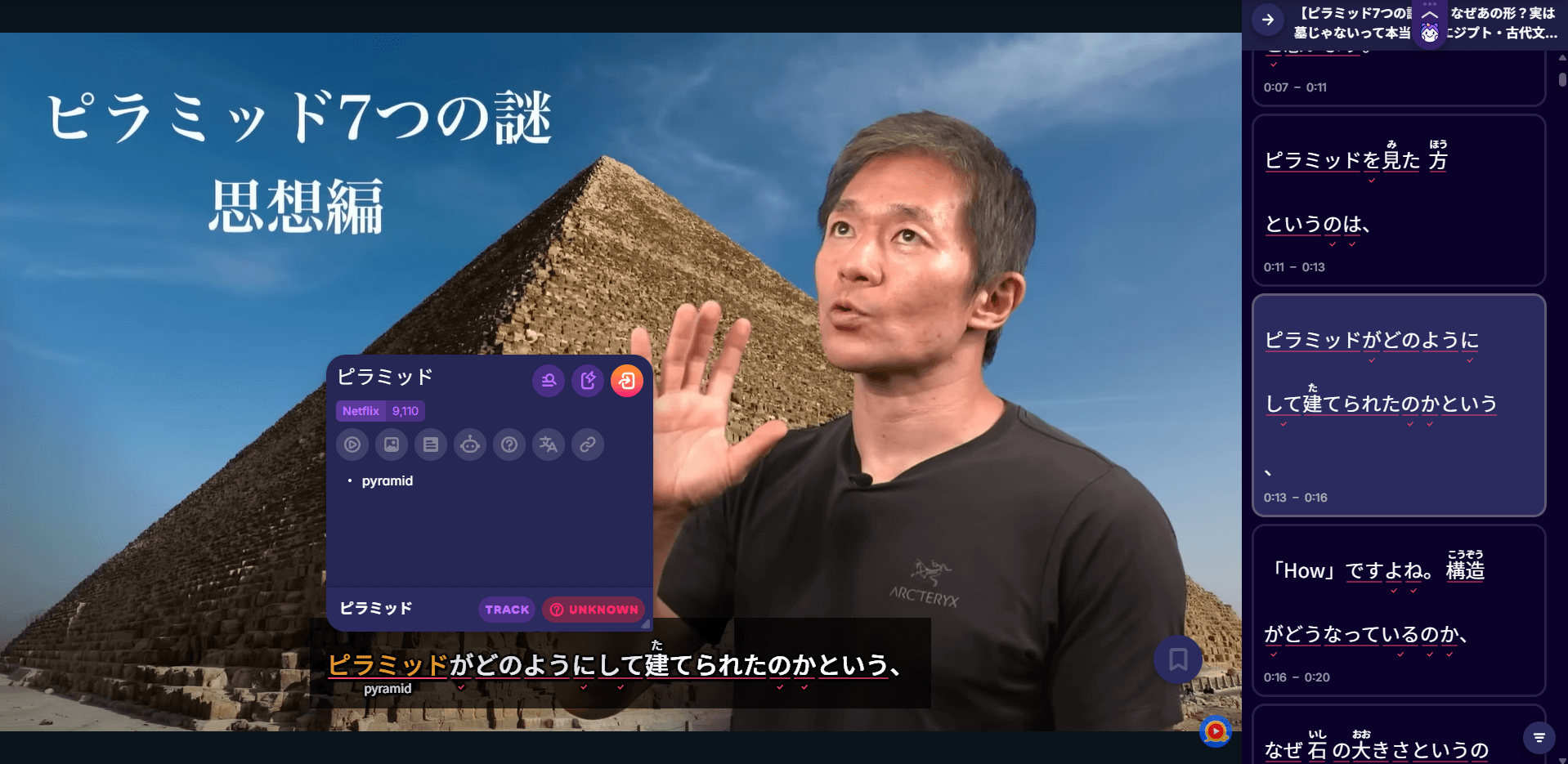
Anyway, if you want to practice these politeness levels with real Japanese content, Migaku's browser extension and app let you look up words and grammar patterns instantly while watching shows or reading articles. The popup dictionary shows you exactly which form a verb is in, which helps you recognize politeness levels in context. There's a 10-day free trial if you want to check it out.
 ----
## FAQs
The [JLPT N5 level](https://migaku.com/blog/japanese/how-long-does-it-take-to-learn-japanese) covers basic polite form but doesn't touch keigo at all. You can survive daily life with N5 Japanese, handling shopping, basic conversations, and simple requests. But you'll struggle in work environments, formal situations, and nuanced social interactions.
----
## Practice doesn't just mean drilling conjugations
You need to develop social intuition about when to use each level. This comes from exposure to real Japanese interactions and cultural understanding. Japanese dramas, movies, and reality shows are great resources to learn the politeness and formality of the Japanese language, because they usually cover a wide variety of social settings and interactions. Pause and try to understand the formality levels the characters are using, and why they are using them!
> If you consume media in Japanese, and you understand at least some of the messages and sentences within that media, you will make progress. _Period_.
It all becomes natural with practice!
----
## FAQs
The [JLPT N5 level](https://migaku.com/blog/japanese/how-long-does-it-take-to-learn-japanese) covers basic polite form but doesn't touch keigo at all. You can survive daily life with N5 Japanese, handling shopping, basic conversations, and simple requests. But you'll struggle in work environments, formal situations, and nuanced social interactions.
----
## Practice doesn't just mean drilling conjugations
You need to develop social intuition about when to use each level. This comes from exposure to real Japanese interactions and cultural understanding. Japanese dramas, movies, and reality shows are great resources to learn the politeness and formality of the Japanese language, because they usually cover a wide variety of social settings and interactions. Pause and try to understand the formality levels the characters are using, and why they are using them!
> If you consume media in Japanese, and you understand at least some of the messages and sentences within that media, you will make progress. _Period_.
It all becomes natural with practice!