# Japanese Postal Vocabulary for Visiting Post Offices in Japan in 2026
> Essential Japanese postal vocabulary you need to know for sending mail, parcels, and packages in Japan. Practical terms and tips for post office visits.
**URL:** https://migaku.com/blog/japanese/japanese-postal-vocabulary
**Last Updated:** 2026-03-24
**Tags:** vocabulary, phrases
---
[Learning Japanese](https://migaku.com/learn-japanese) postal [vocabulary](https://migaku.com/blog/japanese/how-to-learn-japanese-vocabulary) might sound super niche, but if you're planning to live in Japan or even just visit for a while, you'll probably need to send something at some point. Maybe you want to mail postcards home, ship souvenirs back, or handle official documents. This guide covers all the essential vocabulary and phrases you need to handle your postal needs without awkwardly pointing at things.
----
## Understanding the Japanese post office system
Japan Post, or (yūbinkyoku), runs one of the most reliable postal services in the world. The system handles everything from simple letters to international parcels, and you'll find post offices pretty much everywhere in Japan.
The word breaks down into (mail/postal) and (bureau/office). You'll see this kanji combination on red signs throughout Japanese cities and towns.
Here's something useful to know: Japan Post offices have different sizes. The main branches offer full postal services plus banking and insurance, while smaller branches might only handle basic mail. The largest ones stay open late, which is pretty convenient if you work regular hours.
----
## Basic mail types in Japanese vocabulary
When you walk into a post office in Japan, you need to specify what type of mail you're sending. The staff will ask you right away, so knowing these terms makes the whole process smoother.
- (tegami) means letter. This is your standard envelope with a written message inside. If you're sending a simple letter within Japan, this is what you'd call it.
- (hagaki) refers to postcards. Japan actually has a strong postcard culture, and you can buy pre-stamped postcards called (nengajō) for New Year's greetings. Regular postcards are super common for quick messages.
- (kozutsumi) means parcel or package. Anything bulkier than a letter falls into this category. The post office staff will weigh it and ask about the contents.
- (nimotsu) is another word for package or luggage, often used for larger items. You'll hear this term when dealing with bigger shipments.
- (kakitome) means registered mail. This service provides tracking and requires a signature upon delivery. If you're sending anything important or valuable, you should register it. The tracking number lets you monitor where your item is at any time.
----
## Delivery and shipping methods
Japan offers several delivery options depending on how fast you need something to arrive and where it's going.
- (sokutatsu) is express delivery. This costs extra but gets your mail delivered faster than standard service. For domestic mail, it can arrive the next day in many cases.
- (kōkūbin) means airmail. When sending international packages, the staff will ask if you want airmail or surface mail. Airmail obviously gets there faster but costs more.
- (funabin) is surface mail, literally "ship mail." This method sends packages by sea, which takes way longer but saves you money. If you're shipping heavy souvenirs back home and aren't in a rush, this works great.
- (haitatsu) means delivery. You'll see this word on tracking notifications and delivery slips.
- (kokusai yūbin) refers to international mail. The procedures for international shipping involve customs forms and additional paperwork, so the process takes a bit longer at the counter.
----
## Essential phrases for post office transactions
Knowing vocabulary helps, but you also need some practical phrases to communicate what you want.
- (Kore o okuritai desu) means "I want to send this." Point to your package and say this phrase. The staff will take it from there.
- (Ikura desu ka) asks "How much is it?" After they weigh your package and calculate postage, you can confirm the price.
- (Amerika made dono kurai kakarimasu ka) means "How long does it take to America?" Replace America with whatever country you're sending to. This helps you decide between airmail and surface mail.
- (Tsuiseki bangō o kudasai) requests "Please give me a tracking number." If you paid for registered mail or a trackable service, you'll get a receipt with the tracking number.
- (Hoken o kaketai desu) means "I want to insure this." For valuable items, you can purchase insurance. The staff will ask about the declared value.
----
## Weight, size, and postage terminology
Understanding measurements and costs matters when you're trying to figure out how much something will cost to send.
- (omosa) means weight. The staff will weigh your package on a scale, which is (hakari).
- (guramu) is grams, and (kiro) is kilograms. Japan uses the metric system, so get familiar with these measurements.
- (saizu) means size. Some postal services have size restrictions, especially for international shipping.
- (kitte) are stamps. You can buy individual stamps or sheets at the post office. If you're sending a standard domestic letter, you can just buy stamps and drop it in a mailbox instead of waiting in line.
- (ryōkin) means postage fee or rate. The staff will calculate this based on weight, destination, and service type.
----
## Special handling and package contents
When sending parcels, especially internationally, you need to describe what's inside and how it should be handled.
- (kowaremono) means fragile items. If your package contains something breakable, tell the staff this word. They'll mark the package appropriately and might offer additional packing materials.
- (nakami) means contents. The staff will ask what's inside, especially for international shipments. Be honest because customs regulations matter.
- (okurimono) means gift. This affects customs forms and duties.
- (shōhin) means merchandise or goods. If you're sending commercial items, you'll need to declare this.
- (hon) means book. Books sometimes qualify for cheaper printed matter rates, so mention if you're shipping books.
----
## Address-related vocabulary
Writing addresses in Japanese follows a different format than Western addresses, going from the largest geographic area to the smallest.
- (jūsho) means address. You'll need to write both the sender's and recipient's addresses on packages.
- (yūbin bangō) is the postal code. Japanese postal codes have seven digits formatted like 123-4567. Getting this right speeds up delivery significantly.
- (sashidashinin) means sender. This goes in the upper left or on the back of the envelope.
- (uketorinin) means recipient. This address goes in the center of the envelope or package.
The word "chome" that you see in Japanese addresses comes from (chōme), which indicates a district subdivision. Japanese addresses work like this: **prefecture, city, ward, chome number, block number, building number.** So "2 chome" means the second district within that area. It's part of how Japan organizes urban spaces into manageable sections.
----
## Post office services beyond basic mail
Japan Post offices offer way more than just sending letters and parcels. Understanding these services helps you take advantage of what's available.
- (Yūcho Ginkō) is Japan Post Bank. Many post offices have banking services where you can open accounts, withdraw money, or transfer funds.
- (Yū-Pakku) is Japan Post's parcel delivery service, similar to private courier companies. This service offers door-to-door delivery with tracking.
- (Retā Pakku) is a flat-rate envelope service. You buy a special envelope at a fixed price and can send documents or small items anywhere in Japan. Pretty convenient for sending paperwork.
- (Kurikku Posuto) is an online shipping service where you print labels at home and drop packages in mailboxes. Useful for small items under 1kg.
----
## Common questions staff might ask
When you're at the counter, the staff will ask you several standard questions. Being prepared helps the transaction go smoothly.
- (Dochira made desu ka) means "Where to?" They're asking about the destination.
- (Naka ni nani ga haitte imasu ka) asks "What's inside?" For international packages, you'll definitely get this question.
- (Kōkūbin desu ka, funabin desu ka) is asking "Airmail or surface mail?" Choose based on your budget and timeline.
- (Hoken o kakemasu ka) asks "Do you want insurance?" For valuable items, say (hai, yes).
----
## Practical tips for using Japanese postal services
Beyond vocabulary, knowing how the system works helps you navigate post office visits more confidently.
Post offices in Japan typically open around 9 AM and close between 5-7 PM on weekdays. Smaller branches close earlier and might not open on weekends. Main branches in big cities often have extended hours and weekend service.
You'll usually take a numbered ticket when you enter and wait for your number to be called. The ticket machine sometimes has English options. Different counters handle different services, so make sure you're in the right line.
Bring cash because not all post offices accept credit cards, especially for smaller transactions. Larger branches usually take cards, but cash is safer.
If you're shipping internationally, bring your passport. Some countries require sender identification for customs purposes.
The staff will often ask if you want tracking (, tsuiseki). For anything important, get tracking. It doesn't cost much extra and gives you peace of mind.
----
## Making postal vocabulary stick
The best way to learn this stuff is right before you need it.
1. If you're planning a trip to Japan, study these terms a week before you go. The immediate application helps everything stick in your memory.
2. Create a quick reference sheet on your phone with the essential terms. When you're standing at the post office, you can glance at it without looking completely lost.
3. Practice [writing addresses in Japanese format](https://migaku.com/blog/japanese/comprehensive-japanese-letter-writing-guide). The structure feels backwards at first, but doing it a few times makes it automatic.
4. If you're living in Japan long-term, you'll naturally absorb this vocabulary through repeated post office visits. The first time might feel awkward, but by the third or fourth visit, you'll know exactly what to say.
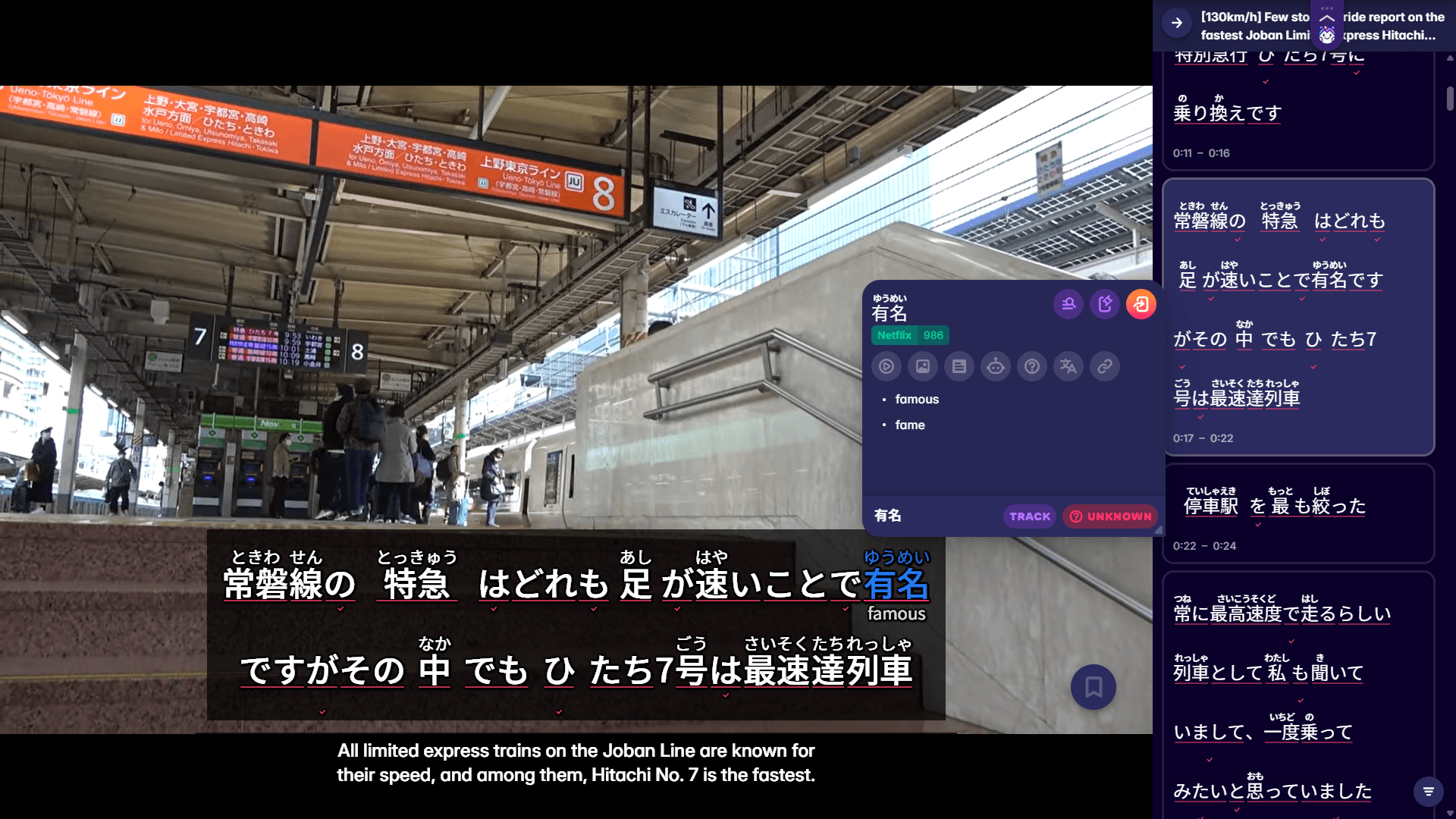
If you're serious about learning Japanese beyond just postal terms, Migaku's browser extension and app let you look up words while reading Japanese websites or watching content. You can build vocabulary naturally from stuff you're actually interested in. There's a 10-day free trial if you want to check it out.
 ----
## Learning this vocabulary genuinely helps
The thing is, Japanese post office staff are used to dealing with foreigners in major cities, but outside Tokyo or Osaka, English becomes less common. Having [basic postal terms](https://migaku.com/blog/japanese/basic-japanese-phrases) lets you communicate your needs clearly instead of playing charades. If you still feel lacking in confidence after going through the lists, you can watch a couple of videos about Japanese post office culture or travel vlogs about post offices. Get some more practice before your trip.
> If you consume media in Japanese, and you understand at least some of the messages and sentences within that media, you will make progress. _Period_.
You don't need perfect Japanese. The staff can fill in the gaps and help you out!
----
## Learning this vocabulary genuinely helps
The thing is, Japanese post office staff are used to dealing with foreigners in major cities, but outside Tokyo or Osaka, English becomes less common. Having [basic postal terms](https://migaku.com/blog/japanese/basic-japanese-phrases) lets you communicate your needs clearly instead of playing charades. If you still feel lacking in confidence after going through the lists, you can watch a couple of videos about Japanese post office culture or travel vlogs about post offices. Get some more practice before your trip.
> If you consume media in Japanese, and you understand at least some of the messages and sentences within that media, you will make progress. _Period_.
You don't need perfect Japanese. The staff can fill in the gaps and help you out!