Japanese School Vocabulary: Basic Japanese Words for Education
Last updated: March 3, 2026
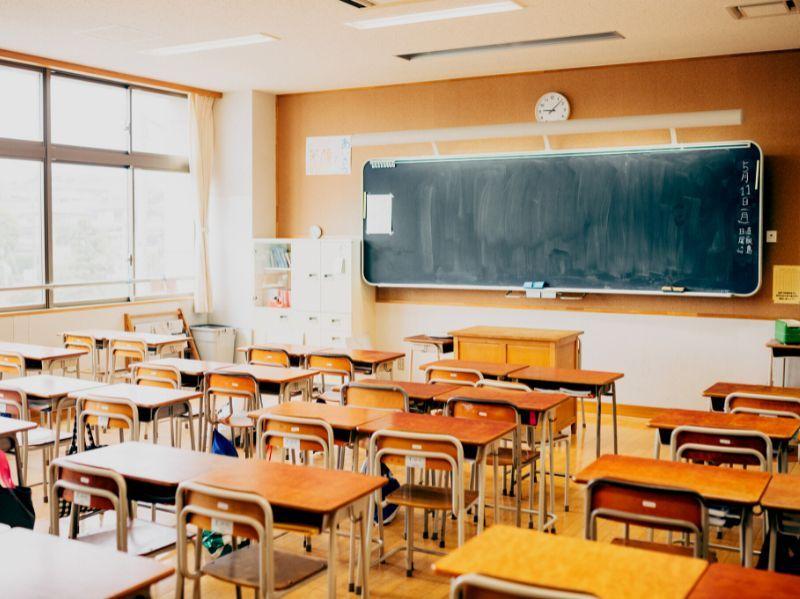
So you're learning Japanese and want to understand what people are talking about when they discuss school, education, or their student days? Whether you're planning to teach English in Japan, watching anime set in schools, or just want to chat with Japanese friends about their education experiences, knowing the right vocabulary makes a huge difference. Japanese school vocabulary comes up constantly in everyday conversations, and honestly, it's one of those topic areas that feels super practical once you start using it. Let me walk you through the essential words and phrases you'll actually need.
- Types of schools and educational facilities
- Classroom vocabulary and school supplies
- School subjects and academic vocabulary
- School staff and people
- Daily school life and activities
- School facilities and locations vocab list
- How Japanese school vocabulary changes between levels
- Useful Japanese phrases for school situations
- Building your school phrases and vocabulary effectively
Types of schools and educational facilities
Here's the thing: Japanese school vocabulary is massive if you try to learn everything at once. But you don't need to memorize every single term right away.
Start with the basics that come up in almost every conversation about education. Words like (gakkou, school), (sensei, teacher), and (gakusei, student) are absolute must-knows. You'll hear these constantly.
Japanese education has some specific terminology that doesn't always translate directly to Western school systems.
- (youchien) means kindergarten or preschool.
- Some families also use (hoikuen), which is more like a daycare center.
- For elementary school, (shougakkou) covers grades 1 through 6 in Japan. Kids typically attend from ages 6 to 12. The word (shougakusei) refers to an elementary school student specifically.
- Junior high is compulsory education in Japan, and (chuugakkou) covers three years. A junior high student is a (chuugakusei).
- High school isn't technically mandatory, though most students attend. (koukou) is the shortened version of (koutougakkou). High school students are (koukousei).
- Universities and colleges use (daigaku), while (daigakusei) means university student.
- You might also hear (senmon gakkou), which refers to vocational or specialized training schools.
Classroom vocabulary and school supplies
Walking into a Japanese classroom, you'll want to know what everything is called.
Japanese | Reading | English |
|---|---|---|
kyoushitsu | classroom | |
kokuban | blackboard | |
/ | hakuban / howaito boodo | whiteboard |
tsukue | desk | |
isu | chair | |
kyoukasho | textbook | |
nooto | notebook | |
enpitsu | pencil | |
pen | pen | |
keshigomu | eraser | |
/ | kaban / baggu | school bag |
randoseru | hard-backed backpack | |
jougi | ruler | |
hasami | scissors | |
jisho | dictionary |
School subjects and academic vocabulary
Subjects are where conversations about school get interesting. Each subject has its own specific name in Japanese.
- (kokugo) means Japanese language class. This is where Japanese students study their native language, including kanji, grammar , and literature. For you as a learner, this is kind of like what "English class" is for native English speakers.
- (suugaku) is mathematics, sometimes just called (sansuu) at the elementary level.
- (eigo) means English language class. Pretty important if you're teaching English in Japan! Foreign language classes use the pattern of country name plus (go), so French is (furansugo).
- (rika) covers science in general, though it might be split into (butsuri) for physics, (kagaku) for chemistry, and (seibutsu) for biology at higher levels.
- (shakai) means social studies, which includes history ( , rekishi) and geography ( , chiri).
- Physical education is (taiiku), often just called .
- Art class is (bijutsu), and music is (ongaku).
- Home economics, which is still commonly taught in Japanese schools, is (kateika).
- Moral education class is (doutoku).
School staff and people
Beyond just knowing the word for teacher, you'll want to understand the different roles in a Japanese school.
Japanese | Reading | English | Explanation |
|---|---|---|---|
sensei | teacher | Standard word for teacher; used as a title and when talking about teachers in general. Students address teachers as "Name + sensei" or just "Sensei." | |
kouchou | principal | Often called (kouchou sensei) | |
fukukouchou | vice principal | ||
shokuinshitsu | staff room / teachers' office | You'll go there if you need to talk to a teacher outside of class | |
kurasume-to | classmate | From English "classmate" | |
doukyuusei | classmate (same grade) | Refers specifically to students in the same year/grade | |
senpai | upperclassman | ||
kouhai | underclassman | ||
tannin | homeroom teacher | Also used as (tannin no sensei) |
Daily school life and activities
Japanese schools have specific vocabulary for daily routines and events that might seem unfamiliar if you're from another country.
Japanese | Reading | English | Explanation |
|---|---|---|---|
shukudai | homework | You'll hear students complaining about this one constantly | |
shiken | test / exam | Formal word for examination | |
tesuto | test | From English, more casual | |
jugyou | lesson / class period | ||
hiruyasumi | lunch break | ||
kyuushoku | school lunch | ||
souji | cleaning time | Students clean their own classrooms and school areas, which happens almost daily | |
bukatsu | club activities | Short for ; huge in Japanese school culture | |
bunkasai | school festival | Literally "culture festival," a major event in the school calendar | |
undoukai | sports festival / field day | Another major school event | |
nyuugaku shiken | entrance exam | Often shortened to (nyuushi) | |
sotsugyou | graduation | ||
sotsugyoushiki | graduation ceremony |
School facilities and locations vocab list
Knowing your way around a Japanese school means learning the names of different rooms and areas.
Japanese | Reading | English | Explanation |
|---|---|---|---|
taiikukan | gym / gymnasium | ||
koutei | schoolyard / playground | ||
undoujou | playground | Another word for schoolyard | |
toshokan | library | ||
toshoshitsu | school library room | Smaller library room | |
shokudou | cafeteria | Not all Japanese schools have one since many use the classroom lunch system | |
rikashitsu | science lab | ||
ongakushitsu | music room | ||
bijutsushitsu | art room | ||
toire | bathroom | ||
otearai | bathroom | More formal term | |
genkan | school entrance / lobby | Where students change from outdoor shoes to indoor slippers | |
pu-ru | pool | Many Japanese schools have swimming pools and require swimming lessons as part of physical education |
How Japanese school vocabulary changes between levels
The vocabulary you use shifts depending on whether you're talking about elementary, junior high, or high school.
Elementary school vocabulary tends to be simpler and more basic. You'll hear words like (sansuu) for arithmetic instead of (suugaku) for mathematics. The focus is on fundamental subjects and daily routines.
Junior high introduces more specific academic terms. Subject names become more specialized. Grammar terminology becomes more technical. Students start using formal language patterns more consistently.
High school vocabulary includes specialized terms for different academic tracks, entrance exam preparation, and career planning. You'll hear about (shinro), meaning one's future path or career course.
University vocabulary shifts again, with terms like (kougi) for lecture, (zemi) for seminar, and (tan'i) for academic credits.
Useful Japanese phrases for school situations
Beyond individual vocabulary words, you'll want some practical phrases.
Where is the classroom?
I don't understand.
Please say it again.
May I go to the bathroom?
I finished my homework.
These phrases combined with your vocabulary list will get you through most school-related conversations.
Building your school phrases and vocabulary effectively
Learning Japanese school vocabulary works best when you connect words to real contexts. Watch Japanese school dramas or documentaries. Read articles about Japanese education. Listen to Japanese people talk about their school experiences.
Create your own vocabulary list organized by categories like I've done here: school types, subjects, supplies, facilities, and activities. Use spaced repetition to review regularly. Connect new words to words you already know.
Practice using the vocabulary in sentences, not just memorizing isolated words. The word means more when you can say (I go to school) or (I like school).
If you're learning Japanese seriously and want to pick up vocabulary from real content, Migaku's browser extension and app let you look up words instantly while watching Japanese shows or reading articles. You can save words directly to your study decks without breaking your immersion. There's a 10-day free trial if you want to check it out.

You will need Japanese words and phrases for schools
Japanese school vocabulary becomes essential in several situations. If you're teaching English in Japan through JET or another program, you'll use these words daily. When watching Japanese shows or anime set in schools, knowing the terminology makes everything clearer. Talking with Japanese friends about their education experiences requires this vocabulary. Even reading Japanese news or social media often references school life and education topics.
If you consume media in Japanese, and you understand at least some of the messages and sentences within that media, you will make progress. Period.
The goal is making progress, not achieving perfection.