Seasonal Greetings in Japan: Common Phrases for Every Month of the Year
Last updated: March 29, 2026

If you've ever tried writing an email to a Japanese colleague or friend, you've probably noticed something interesting. The Japanese don't just jump straight into business. They start with seasonal references that acknowledge the current weather, the changing leaves, or the approaching winter chill. These aren't just polite filler words. They're a fundamental part of how Japanese people communicate throughout the year, rooted deeply in their connection to nature and the seasons. Learning Japanese seasonal phrases will make your Japanese sound way more natural and culturally aware.
- Understanding seasonal greetings in Japanese culture
- Spring greetings when nature awakens
- Summer greetings through heat and rain
- Autumn greetings celebrating change
- Winter greetings and year-end expressions
- Formal versus casual greeting phrases
- Where Japanese seasonal greetings come from
- Practical tips for using seasonal greetings
Understanding seasonal greetings in Japanese culture
Here's the thing about Japanese seasonal greetings. They're called (jikou no aisatsu), and they appear everywhere from formal business letters to casual conversations with neighbors. The Japanese language has this beautiful way of weaving observations about nature and weather into everyday communication.
These greetings serve a specific purpose.
- When you acknowledge the season in your opening remarks, you're showing awareness of the shared experience between you and the person you're addressing. Everyone in Japan is experiencing the same cherry blossom season, the same humid summer, the same colorful autumn. It creates an immediate connection.
- Japanese culture has always maintained a close relationship with the natural world. The four distinct seasons influence everything from food to festivals to fashion. This sensitivity to seasonal changes naturally extends into language. You'll find seasonal references in poetry, literature, and even modern social media posts.
- The formality level matters too. Business emails require more structured seasonal greetings, while casual conversations allow for simpler weather-related comments. Getting this balance right shows cultural competence that goes beyond just knowing vocabulary.
Spring greetings when nature awakens
Spring in Japan means cherry blossoms, and the language reflects this excitement. From March through May, you'll hear and use phrases that celebrate renewal and warmth returning to the land.
For formal situations, try:
- (shundan no kou), which means "in this season of spring warmth." This works perfectly for business correspondence in early spring.
- (ouka no kou), which means "in the season of cherry blossoms." You'd use it during peak sakura season in April.
If you're going for something more conversational, (haru meite kimashita ne) works great. It means "It's becoming spring-like, isn't it?" Japanese people love these observational greetings that invite agreement.
Here's a practical example. If you're writing an email in late March, you might start with: (haru no otozure wo kanjiru kisetsu to narimashita). This translates to "It has become the season when we feel spring's arrival." Pretty poetic for a work email, right? But that's exactly how Japanese business communication works.
Late spring brings different phrases.
- (shinryoku no kou) references the fresh green leaves that appear in May.
- You can also say (wakaba no kisetsu), meaning "the season of young leaves."
Summer greetings through heat and rain
Summer in Japan splits into two distinct periods, and your greetings should reflect this. Early summer brings the rainy season (, tsuyu), while mid to late summer means serious heat and humidity.
During the rainy season in June, you'll use phrases like (tsuyu no kou) or (nyuubai no kou). A more casual greeting would be (ame no hi ga tsuzukimasu ne), which means "The rainy days continue, don't they?"
Once July hits and the real heat arrives, switch to (seika no kou) for "height of summer" or (kokusho no kou) for "intense heat season." These aren't exaggerations. Japanese summers are genuinely brutal.
A super common casual greeting in summer is (atsui desu ne), simply "It's hot, isn't it?" You'll hear this so often every day in August.
For something more formal but still acknowledging the struggle, try (kibishii atsusa ga tsuzuite orimasu ga), meaning "The severe heat continues, but..."
August also brings Obon, so you might see (zansho no kou) in late summer, referring to the lingering heat. This phrase works well into early September when summer refuses to quit.
Autumn greetings celebrating change
Autumn brings relief from summer's intensity, and Japanese seasonal greetings reflect this appreciation. September through November offers some of the most beautiful phrases in the language.
Early autumn uses (shoshuu no kou) or (shinshuu no kou), both meaning roughly "early autumn season." As the season progresses, you'll switch to (shuuryou no kou), which references the cool, refreshing autumn air.
Mid-autumn brings the famous fall foliage, so (kouyou no kou) becomes appropriate. This literally means "season of colored leaves." You can also use (akibare no hi ga tsuzuite orimasu), meaning "Clear autumn days continue."
For casual conversation, (daibu suzushiku narimashita ne) works perfectly. It means "It's gotten quite cool, hasn't it?" Japanese people will enthusiastically agree with you because everyone loves autumn after surviving summer.
Late autumn gets more specific. (banshuu no kou) or (koukan no kou) both acknowledge that winter approaches. The latter literally means "facing the cold season," which sets the tone nicely for year-end business communications.
Winter greetings and year-end expressions
Winter greetings in Japanese carry extra weight because they often overlap with year-end formalities. December through February requires attention to both seasonal weather and social timing.
Early winter uses (shotou no kou) or (kanrei no kou). The second one emphasizes the cold, which is appropriate because Japanese homes traditionally have terrible insulation. A casual version would be (samuku natte kimashita ne), meaning "It's gotten cold, hasn't it?"
December brings year-end greetings, which combine seasonal and temporal elements. (shiwasu no kou) references the old calendar name for December, literally "month when even teachers run around busy." You'll also see (saimatsu no kou), meaning "year-end season."
Mid-winter gets serious about the cold. (genkan no kou) means "severe cold season," while (daikan no kou) refers to the coldest period of winter in late January. If it snows, you might use (hatsuyuki no kou) for "first snow season."
Late winter starts looking toward spring. (risshun no kou) marks the beginning of spring on the old calendar (early February), even though it's still freezing. This shows how the Japanese seasonal calendar works slightly ahead of actual weather conditions.
Formal versus casual greeting phrases
The difference between formal and casual seasonal greetings matters more than you might think. Using the wrong register can make you sound either stiff and weird or inappropriately casual.
- Formal greetings almost always use the (no kou) pattern.
- Another formal pattern uses (no migiri), which carries a similar meaning but sounds slightly more literary.
This construction literally means "season of" and appears in business letters, official emails, and formal speeches. You'll pair it with two-character compound words that describe the season: , , , etc. (ouka no migiri) works the same as but adds a touch of elegance.
Casual greetings drop the formal constructions entirely. Instead, you make simple observations about the weather or season.
The phrase (ii tenki desu ne) means "Nice weather, isn't it?" This works year-round when the weather cooperates. (kyou wa samui desu ne) is just "It's cold today, isn't it?"
The particle (ne) at the end of casual greetings invites agreement. You're not making a declaration. You're sharing an observation that both people can acknowledge together. This creates social bonding through shared experience.
For semi-formal situations like emails to colleagues you know well, you can use fuller sentences without the construction.
For example, (hi goto ni atatakaku natte mairimashita) means "It has been getting warmer day by day." This sounds polite but not stuffy.
Where Japanese seasonal greetings come from
The roots of Japanese seasonal greetings trace back centuries to Chinese literary traditions and indigenous Japanese nature worship. Understanding this background makes the phrases feel less random and more meaningful.
Classical Chinese poetry heavily influenced Japanese literary culture. The concept of using seasonal references in formal writing came from Chinese letter-writing conventions. Japanese scholars and aristocrats adopted and adapted these practices starting around the 8th century.
Shinto beliefs also play a role. Shinto emphasizes harmony with nature and recognition of natural cycles. The agricultural calendar determined much of pre-modern Japanese life, so awareness of seasonal changes carried practical importance. Planting, harvesting, festivals, and rituals all aligned with specific times of year.
The traditional Japanese calendar divided the year into 24 solar terms (, nijuushi sekki). These micro-seasons marked specific natural phenomena: the awakening of insects, the first frost, the longest day. Many formal seasonal greetings reference these specific periods.
Haiku poetry reinforced this seasonal consciousness. Every haiku traditionally includes a (kigo), a seasonal reference word that places the poem in a specific time of year. This practice trained Japanese speakers to associate specific words and images with particular seasons.
Practical tips for using seasonal greetings
Learning these phrases is one thing. Actually using them correctly requires some practical knowledge about timing and context.
- First, pay attention to the actual season. This sounds obvious, but the traditional Japanese calendar sometimes differs from weather reality. (risshun, beginning of spring) falls in early February when it's still winter. You can use spring greetings from this point forward, even if snow remains on the ground.
- Second, match your greeting to the medium. Business letters and formal emails need the pattern. Text messages and casual conversations work better with simple weather observations. LinkedIn messages or semi-formal emails can use the middle-ground fuller sentences.
- Third, consider regional variation. Hokkaido experiences different seasonal timing from Okinawa. If you're writing to someone in a different part of Japan, think about what season they're actually experiencing. Sending a "severe heat" greeting to someone in northern Japan in late August might seem tone-deaf.
- Fourth, you can combine seasonal greetings with health wishes. A common pattern is (seasonal greeting + o karada ni o ki wo tsukete kudasai). This means "Please take care of your health" and works especially well during harsh seasons.
- Fifth, watch how native speakers use these phrases in real contexts. Japanese TV shows, news programs, and YouTube videos often start with seasonal observations. Pay attention to which phrases appear in which months.
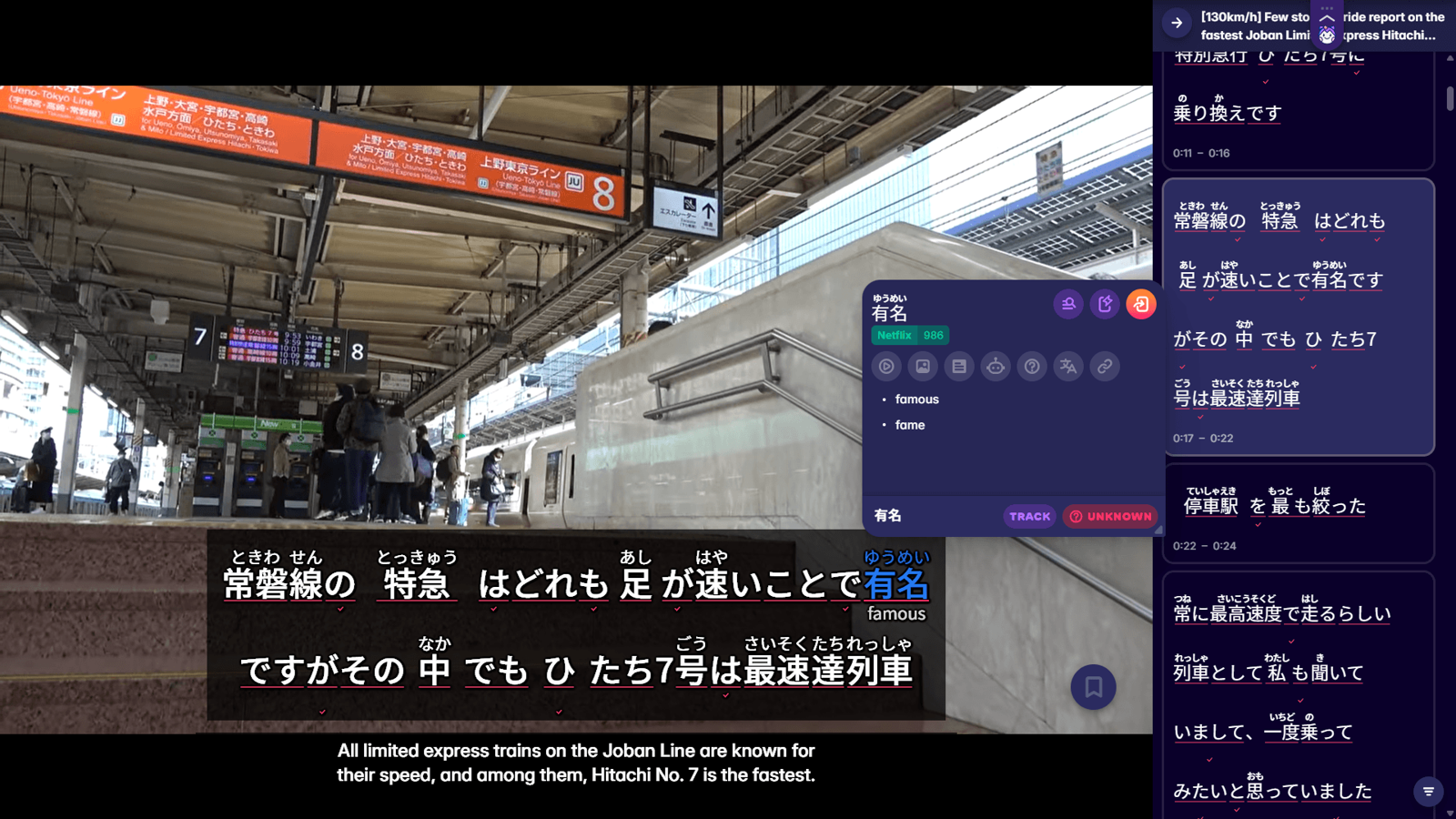
If you want to catch these seasonal greetings in real Japanese content, Migaku's browser extension and app let you look up phrases instantly while watching shows or reading articles. Makes immersion learning way more practical. There's a 10-day free trial if you want to check it out.
Seasonal greetings connect you to the Japanese rhythms
Whether you're writing a formal business email with or just commenting to a neighbor, these seasonal phrases ground your Japanese in real, lived experience. They transform language learning from abstract vocabulary memorization into participation in how Japanese people perceive and discuss the world around them. The best way to internalize these patterns? Consume Japanese media throughout the year and notice how seasonal references appear naturally in conversations, news programs, and social media posts.
If you consume media in Japanese, and you understand at least some of the messages and sentences within that media, you will make progress. Period.
Get a glimpse into the traditions and values!🌸🍂