# Japanese Social Media Vocabulary: How Japanese Speakers Text on Social Media
> Japanese social media vocabulary, slang, and abbreviations are your gateway to the internet culture. Learn Japanese slang words that textbooks skip.
**URL:** https://migaku.com/blog/japanese/japanese-social-media-vocabulary
**Last Updated:** 2026-03-27
**Tags:** vocabulary, phrases
---
You've been [studying Japanese](https://migaku.com/learn-japanese) for a while now, and you can handle [basic conversations pretty well](https://migaku.com/blog/japanese/basic-japanese-phrases). But the moment you hop onto Twitter/X or TikTok and see what Japanese people are actually posting, it feels like you're reading a completely different language. All those textbook phrases you memorized? Yeah, they don't really show up when someone's tweeting about their favorite anime character or commenting on a viral video. Learning Japanese social media vocabulary is how you bridge that gap between classroom Japanese and the stuff people actually type online.
----
## Japanese words and phrases for basic reactions and compliments
Let's start with the bread and butter stuff. These are the words and phrases you'll encounter constantly across every platform.
- (ii ne) is probably the first one you should know. It literally means "good" or "nice," but it's also the word Japanese platforms use for the "like" button. When someone says (ii ne shita), they mean they liked a post.
- (suteki) means "wonderful" or "lovely." You'll see this in comments on photos, art posts, or anything people find aesthetically pleasing. It's a genuinely positive compliment that works in tons of situations.
- (kawaii) needs no introduction, but the way people use it online goes way beyond just "cute." It can describe anything from a puppy photo to someone's typing style. Sometimes you'll see it abbreviated as or even just .
- (sugoi) means "amazing" or "incredible." People use this as a quick reaction comment. You might see it shortened to in casual contexts.
- (wakaru) technically means "I understand," but online it's often used like "I relate to this" or "so true." When someone posts something relatable and you see dozens of comments, that's what's happening.
----
## Platform-specific slang phrases
Different platforms have their own vocabulary, and knowing these terms helps you navigate Japanese social media like an actual user rather than a confused outsider.
For **Twitter/X**, you should know:
- (tsuiito, from "tweet")
- (ritsuiito, retweet)
- (foroo, follow)
- (tsui) as shorthand for tweet-related stuff
- (tsui keshi), which means deleting a tweet.
**LINE** is very popular in Japan, and it has way more users than WhatsApp or other messaging apps in most regions.
- The verb (rain suru) means "to message on LINE."
- (sutanpu) is stickers, which are an essential part of LINE culture. Japanese people often use stickers to communicate entire emotions or responses without typing anything.
**TikTok** vocabulary includes:
- (tikkutokku) for the platform itself
- (douga) for videos in general
- (toukou) means "post" or "upload" and works across most platforms
**Instagram** vocabulary includes:
- (insuta) for Instagram. Nobody says the full name.
- (insuta bae), which describes something that looks good on Instagram, basically "Instagrammable."
----
## Japanese slang words that dominate online spaces
Now we're getting to the good stuff. This Japanese slang is what makes social media Japanese feel so different from textbook Japanese.
- (kusa) literally means "grass," but online it means "lol" or "lmao." Why? Because the character for grass (w) looks like little grass blades growing when you type wwwww (the japanese way to write "hahaha"). So people started just saying instead. You'll see this slang word everywhere. Sometimes people stack it like when something is really funny.
- (yabai) is probably the most versatile japanese slang word you'll encounter. Originally it meant "dangerous" or "risky," but now it can mean anything from "awesome" to "terrible" to "intense" depending on context. Someone posts an amazing photo? . Something goes horribly wrong? Also . You figure out the meaning from context.
- (maji) means "serious" or "really." It's often used as an intensifier like "seriously?" or "for real?" You'll see it combined with other words constantly, like (maji de) for extra emphasis.
- (emoi) comes from the English word "emotional" and describes something that hits you in the feels. It's that nostalgic, bittersweet, aesthetically moving quality.
- (uzai) means "annoying" or "irritating." Pretty straightforward, and you'll definitely see it in complaint posts or when people are venting.
- (bazuru) comes from "buzz" and means "to go viral." When a post gets tons of engagement, people say it (bazutta). This slang term is often used when discussing trending topics.
- (numa) literally means "swamp," but in internet slang it describes falling deep into a hobby or obsession. Like when you discover a new anime and suddenly you're watching 12 episodes in one night, you've fallen into the . People will say things like (numa ni hamatta), meaning they got sucked into something.
- (toutoi) traditionally means "precious" or "noble," but online it's used when something is so perfect or beautiful that you feel blessed to witness it. Often used for favorite characters, ships, or moments in media.
- (oshi) refers to your favorite idol, character, or person you support. It's like your ultimate bias. You'll see people talk about their (oshi katsu), which means activities supporting their favorite.
----
## Internet abbreviations and text-speak
Japanese internet users love abbreviating things. Here are some you'll encounter constantly.
- (upotsu) is a greeting for video uploaders, shortened from (apuroodo otsukaresama), basically "thanks for uploading."
- (china) means "by the way" and comes from (chinamini).
- (wakarimi) is an extended form of (wakaru) that adds extra relatability. It's like saying "big mood" or "that's so relatable."
- (sorena) means "exactly" or "that's right." Quick way to agree with someone's post.
- (oke) is just "OK" written in hiragana and romaji mix. Casual and quick.
- (azasu) or (azassu) is super casual slang for (arigatou gozaimasu). Only use this in very casual contexts.
----
## Kaomoji and visual communication
While Western internet culture uses emojis heavily, Japanese social media has a rich tradition of kaomoji (face emoticons made with text characters). These are different from regular emojis because they're created entirely with keyboard characters.
Some common ones:
- (笑) or (爆笑) for laughing
- (泣) for crying
- (^^) for smiling
- (´・ω・`) for looking troubled or sad
- (๑˃̵ᴗ˂̵) for cuteness
- ┐(´д`)┌ for shrugging or giving up
The thing about kaomoji is they're read sideways (unlike Western emoticons like :) ), and they can be incredibly expressive. Japanese people use them to add emotional context to their messages in a way to say things without actually typing them out.
You'll also see people using special characters and symbols to create visual effects in their posts, like using ✨ around words for emphasis or creating decorative borders.
----
## Casual vs. formal register on different account types
Understanding when to use casual versus polite language matters on Japanese social media. The register you choose depends on your account type and audience.
- Personal accounts among friends typically use casual Japanese slang and drop most formalities. You'll see plain form verbs, lots of slang terms, and very relaxed grammar.
- Professional or business accounts maintain (desu/masu) form and avoid most slang. They use more standard Japanese language even when discussing trending topics.
- Fan accounts or hobby accounts fall somewhere in between. They might use casual language but maintain some politeness markers depending on the community norms.
- Creator accounts (artists, writers, video makers) often use polite language when thanking followers but casual language when live-tweeting or sharing personal thoughts.
The key is observing what other people in your target community do and matching that energy. When in doubt, slightly more polite is safer than too casual.
----
## Learn Japanese slang phrases the smart way
The best method to learn Japanese social media vocabulary is through immersion.
1. Create accounts on Japanese platforms, follow Japanese users who post about topics you care about, and just start reading.
2. You don't need to understand every single Japanese word or slang term you encounter. Focus on the ones that keep appearing repeatedly. Those are the high-frequency terms worth memorizing.
3. When you see a Japanese slang word you don't know, look it up and [save it to your flashcards](https://migaku.com/blog/japanese/anki-language-learning-guide) with the actual context where you found it. Seeing how a slang term gets used in real posts helps you understand the nuance way better than just memorizing a dictionary definition.
4. Try commenting on posts or tweeting in Japanese yourself. You'll learn quickly what feels natural and what doesn't. Japanese people are generally pretty forgiving of learners making mistakes, especially if you're making a genuine effort to engage with their content.
5. Join Japanese Discord servers or LINE groups related to your hobbies. Real-time chat gives you practice with the rapid, casual communication style that dominates social media. You'll pick up abbreviations and text-speak naturally through repeated exposure.
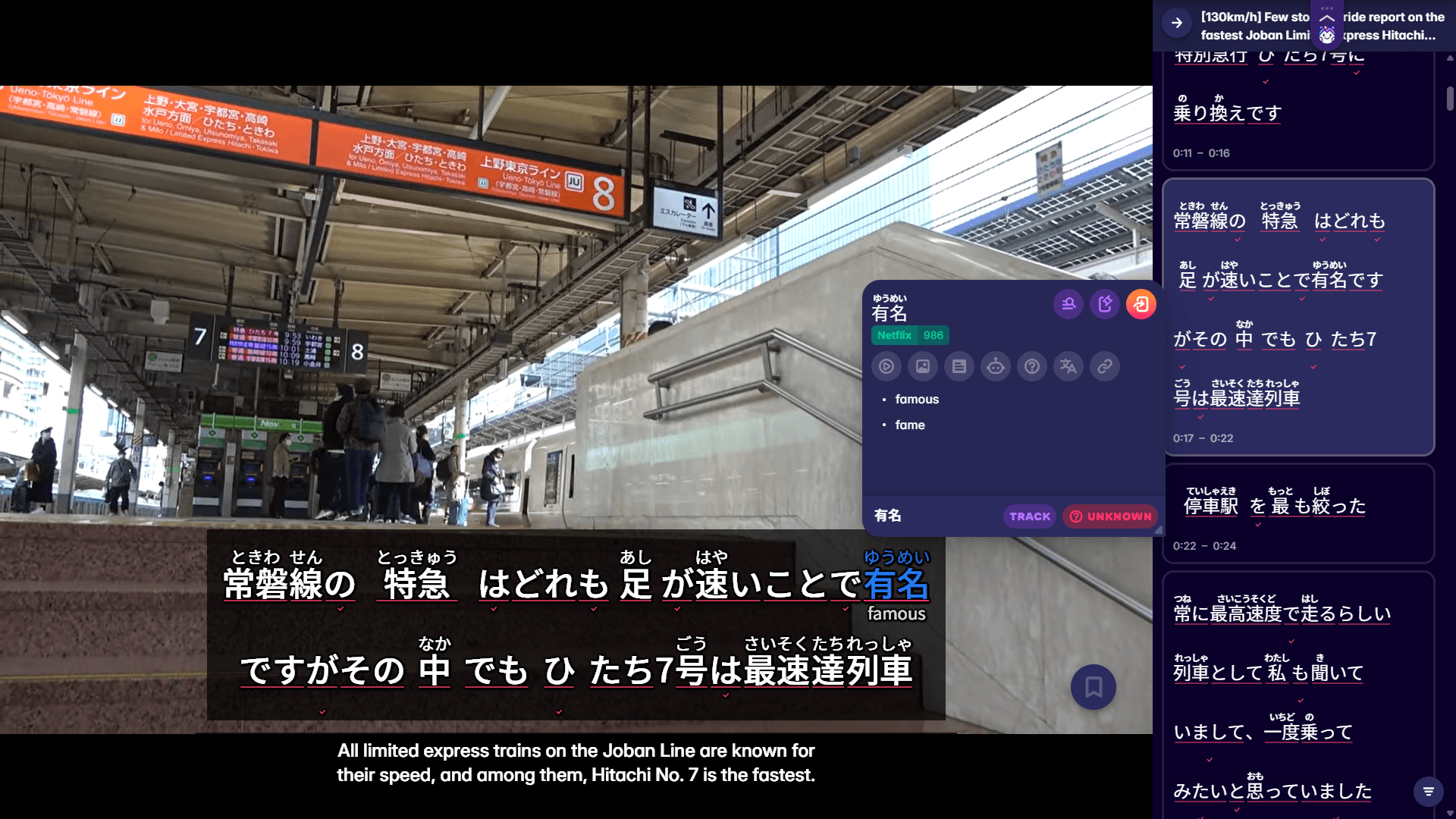
Speaking of consuming Japanese media, if you're serious about learning through immersion, Migaku's browser extension and app let you look up any word instantly while browsing Japanese social media or watching videos. You can save words directly to your flashcards with full context, which makes learning this kind of vocabulary way more practical. There's a 10-day free trial if you want to check it out.
 ----
## FAQs on Japanese internet slang terms
You could, but you'd be missing out on a huge chunk of authentic content and real communication. Here's my take: if you're only interested in reading classical literature or conducting formal business meetings, sure, skip the slang for now. But if you want to watch [Japanese YouTube videos](https://migaku.com/blog/japanese/best-japanese-youtube-channels), follow Japanese artists on Twitter, understand memes, or have casual conversations with Japanese friends online, you need this vocabulary. The internet is where Japanese culture happens in real time. Skipping Japanese slang means cutting yourself off from that.
LINE dominates messaging in Japan. Pretty much everyone uses it. Twitter/X is extremely popular for public posting, news, and fandom communities. Instagram is big for lifestyle content and photos. TikTok has massive reach among younger users.
----
## Your gateway to authentic Japanese online culture
Japanese social media vocabulary opens up a massive world of authentic content, real conversations, and cultural insights you can't get from textbooks alone. Whether you're trying to follow your favorite Japanese content creators, understand trending memes, or get the meanings of the internet expressions mentioned in Japanese dramas, movies, and vlogs, these words and phrases are your toolkit.
> If you consume media in Japanese, and you understand at least some of the messages and sentences within that media, you will make progress. Period.
Learn it once. Understand it. Own it. 🫡
----
## FAQs on Japanese internet slang terms
You could, but you'd be missing out on a huge chunk of authentic content and real communication. Here's my take: if you're only interested in reading classical literature or conducting formal business meetings, sure, skip the slang for now. But if you want to watch [Japanese YouTube videos](https://migaku.com/blog/japanese/best-japanese-youtube-channels), follow Japanese artists on Twitter, understand memes, or have casual conversations with Japanese friends online, you need this vocabulary. The internet is where Japanese culture happens in real time. Skipping Japanese slang means cutting yourself off from that.
LINE dominates messaging in Japan. Pretty much everyone uses it. Twitter/X is extremely popular for public posting, news, and fandom communities. Instagram is big for lifestyle content and photos. TikTok has massive reach among younger users.
----
## Your gateway to authentic Japanese online culture
Japanese social media vocabulary opens up a massive world of authentic content, real conversations, and cultural insights you can't get from textbooks alone. Whether you're trying to follow your favorite Japanese content creators, understand trending memes, or get the meanings of the internet expressions mentioned in Japanese dramas, movies, and vlogs, these words and phrases are your toolkit.
> If you consume media in Japanese, and you understand at least some of the messages and sentences within that media, you will make progress. Period.
Learn it once. Understand it. Own it. 🫡