# Japanese Summer Festival Vocabulary: Essential Matsuri Words
> From hanabi fireworks to yukata clothing, master the words related to Japanese culture! Learn Japanese summer festival vocabulary for matsuri season.
**URL:** https://migaku.com/blog/japanese/japanese-summer-festival-vocabulary
**Last Updated:** 2026-03-25
**Tags:** vocabulary, phrases
---
Summer in Japan means festival season, and if you're [learning Japanese](https://migaku.com/learn-japanese), knowing the right vocabulary can transform your experience from confused tourist to someone who actually gets what's happening. Whether you're planning a trip or just want to [understand anime festival episodes](https://migaku.com/blog/japanese/anime-japanese-history) better, this guide covers the essential words and phrases you'll hear at every matsuri across the country.
----
## Understanding matsuri: The basics of Japanese festivals
The word (matsuri) refers to any festival in Japan, but summer festivals hold a special place in Japanese culture. These events happen throughout the warmer months, peaking during July and August when communities gather to celebrate everything from harvests to historical events.
Here's the thing about Japanese festivals: they follow patterns that have existed for centuries. Most matsuri connect to Shinto shrines or Buddhist temples, which explains why you'll see so many religious elements mixed with street food and games. The summer season, called (natsu) in Japanese, hosts the majority of these celebrations.
----
## Essential festival vocabulary
Let's get into the words that matter. When you attend a Japanese festival, these terms come up repeatedly.
- (yatai) refers to the food stalls that line festival streets. You'll find everything from (yakisoba, fried noodles) to (takoyaki, octopus balls) at these temporary stands. Pretty much every festival has dozens of them.
- (kingyo sukui) means goldfish scooping, one of those classic festival games where you try to catch goldfish with a paper scoop that dissolves in water. Most people fail spectacularly, but that's part of the fun.
- (mikoshi) are portable shrines that groups of people carry through streets during festivals. These can weigh hundreds of pounds, and watching teams coordinate their movements while chanting is genuinely impressive.
- The (bon odori) is a traditional dance performed during Obon festivals. Communities gather in circles and perform choreographed movements to specific songs. Anyone can join, which makes it accessible even if you're visiting Japan for the first time.
----
## Fireworks: The highlight of summer matsuri
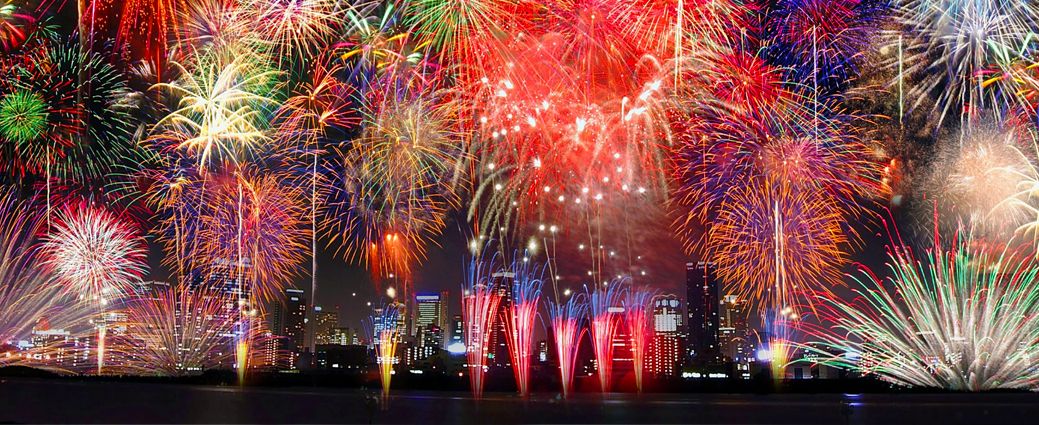
Fireworks displays, called (hanabi), represent the peak of many Japanese summer festivals. The word breaks down to (hana, flower) and (hi, fire), literally meaning fire flowers. When you see the kanji 花火 written out, you understand why Japanese people describe fireworks this way.
Major cities host massive firework competitions where pyrotechnic companies showcase their skills. The Sumida River Fireworks in Tokyo attracts nearly a million spectators each year. These aren't quick ten-minute shows. Japanese firework displays often last over an hour with carefully choreographed sequences.
The word (uchiage hanabi) specifically refers to launch fireworks, the ones that shoot into the sky and explode in patterns. Different types include (shikake hanabi), which are stationary firework displays often shaped like characters or objects.
You'll hear people shout (Kagiya) or (Tamaya) during firework shows. These were famous firework maker names from the Edo period, and the tradition of shouting them continues as a way to show appreciation for particularly good fireworks.
 ----
## What to wear: Yukata and traditional clothing
The (yukata) is a casual summer kimono made from cotton. You'll see thousands of people wearing them at any major festival. Unlike formal kimono, yukata are relatively simple to put on and much more affordable. Yukata are so associated with summer festivals that many people buy or rent them specifically for matsuri season. Department stores dedicate entire floors to yukata sales from May through August.
The word itself uses the kanji 浴衣, where relates to bathing. Historically, people wore yukata after baths, which explains the lightweight fabric choice. Modern yukata come in countless patterns, from traditional geometric designs to anime characters.
The word (geta) are wooden sandals typically worn with yukata. They make a distinctive clacking sound on pavement. Walking in them takes practice, especially on crowded festival streets.
The (obi) is the wide belt that wraps around the yukata. For women, these often feature elaborate bows tied in back. Men's obi are simpler and tied lower on the waist. Getting the obi right makes the difference between looking put-together and looking like you're wearing a bathrobe.
----
## Obon: Japan's festival for the dead
The festival (Obon) happens in mid-August in most regions of Japan. This Buddhist tradition honors deceased ancestors who are believed to return to the living world during this period. Families clean graves, make offerings, and participate in community festivals.
The bon odori dances mentioned earlier originated from Obon celebrations. Each region has distinct dance styles and accompanying music. Some are slow and meditative, others surprisingly upbeat.
The (mukaebi) and (okuribi) are welcoming fires and sending fires respectively. Families light mukaebi at the start of Obon to guide spirits home, then light okuribi at the end to send them back. In Kyoto, the massive (Daimonji) fire on the mountainside marks the end of Obon.
The (shōryō nagashi) involves floating lanterns down rivers to guide spirits back to their world. Watching hundreds of illuminated lanterns drift downstream creates an atmosphere that's both beautiful and solemn.
----
## Traditional performances and entertainment
- (taiko) drum performances energize festival crowds. These aren't gentle background music. Taiko groups perform with intense physicality, striking massive drums in synchronized patterns that you feel in your chest. The word drum in Japanese specifically refers to these traditional percussion instruments.
- (fue) are Japanese flutes that provide melodic accompaniment. The high-pitched sound cuts through crowd noise and pairs with taiko rhythms during processions.
- (shishi mai) is lion dance, though the "lion" looks more like a mythical creature than an actual lion. Performers wearing elaborate costumes move through crowds, and having the lion "bite" your head is considered good luck.
- Street performers called (daidougeinin) show up at larger festivals. You'll see everything from traditional juggling to modern street magic.
----
## Food vocabulary for festival snacks
Beyond the yatai term itself, knowing specific food names helps you navigate the overwhelming options.
- (kakigōri) is shaved ice with flavored syrup, essential for surviving summer heat. Popular flavors include (ichigo, strawberry), (meron, melon), and (matcha, green tea).
- (ringo ame) are candy apples, literally apple candy. They're coated in hard sugar that cracks when you bite through to the fruit.
- (okonomiyaki) appears at most festivals. This savory pancake filled with cabbage, meat, and other ingredients gets topped with special sauce and mayonnaise.
- (watagashi) means cotton candy. The kanji literally translates to cotton confection, which describes the texture perfectly.
- (yaki tōmorokoshi) is grilled corn brushed with soy sauce. The charred kernels and savory glaze make it way better than regular corn on the cob.
----
## Location and timing vocabulary
- (jinja) means Shinto shrine, where many festivals center their activities. Even if the festival spreads into surrounding streets, the shrine usually serves as the main gathering point.
- (keidai) refers to shrine grounds. This is where you'll find the most concentrated festival activities, from food stalls to performance stages.
- (yomise) are night stalls, emphasizing that many Japanese festivals really come alive after sunset. The combination of lantern light, crowds, and cooler temperatures makes evening the prime festival time.
- (chōchin) are paper lanterns that illuminate festival areas. Some festivals feature thousands of these hanging from buildings and strung across streets.
----
## Regional festival variations across Japan
Ever been to a Japanese festival? If you have, you know that regional differences make each matsuri unique.
- The (Nebuta Matsuri) in Aomori features enormous illuminated floats depicting warriors and mythical figures.
- The (Awa Odori) in Tokushima focuses on organized dance troupes performing through city streets.
- Kyoto's (Gion Matsuri) runs throughout July and showcases elaborate floats called (yamahoko). Some of these structures stand three stories tall and weigh over 10 tons.
- The (Tenjin Matsuri) in Osaka combines river processions with fireworks. Boats decorated with lanterns float down the river while participants in traditional clothing perform ceremonies.
----
## How to enjoy the festival season in Japan
Summer festival season runs roughly from late June through early September, with peak activity in July and August. Major cities host multiple festivals each weekend, while smaller towns might have one significant annual event.
Arriving early gives you time to explore before crowds become overwhelming. Most festivals start in late afternoon and continue past midnight. The firework finale typically happens around 8 or 9 PM.
Checking local tourism websites helps you find festivals that match your interests. Some focus on traditional religious ceremonies, others emphasize modern entertainment. The variety means you can experience different aspects of Japanese culture through strategic festival selection.
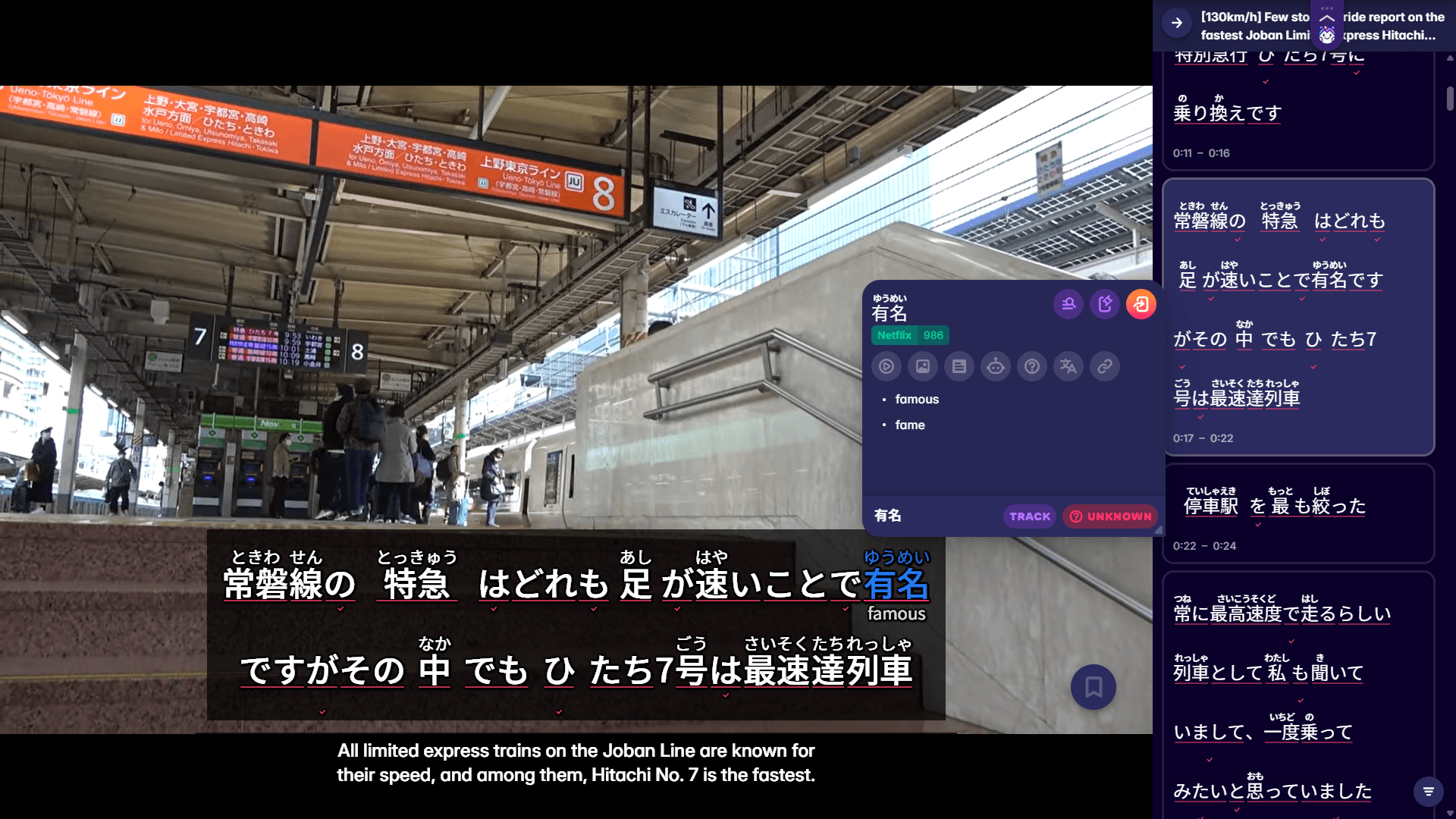
Anyway, if you want to use this vocabulary while watching Japanese content, Migaku's browser extension and app let you look up words instantly while streaming shows or reading articles about festivals. Makes learning from real Japanese sources way more practical. There's a 10-day free trial if you want to check it out.
----
## What to wear: Yukata and traditional clothing
The (yukata) is a casual summer kimono made from cotton. You'll see thousands of people wearing them at any major festival. Unlike formal kimono, yukata are relatively simple to put on and much more affordable. Yukata are so associated with summer festivals that many people buy or rent them specifically for matsuri season. Department stores dedicate entire floors to yukata sales from May through August.
The word itself uses the kanji 浴衣, where relates to bathing. Historically, people wore yukata after baths, which explains the lightweight fabric choice. Modern yukata come in countless patterns, from traditional geometric designs to anime characters.
The word (geta) are wooden sandals typically worn with yukata. They make a distinctive clacking sound on pavement. Walking in them takes practice, especially on crowded festival streets.
The (obi) is the wide belt that wraps around the yukata. For women, these often feature elaborate bows tied in back. Men's obi are simpler and tied lower on the waist. Getting the obi right makes the difference between looking put-together and looking like you're wearing a bathrobe.
----
## Obon: Japan's festival for the dead
The festival (Obon) happens in mid-August in most regions of Japan. This Buddhist tradition honors deceased ancestors who are believed to return to the living world during this period. Families clean graves, make offerings, and participate in community festivals.
The bon odori dances mentioned earlier originated from Obon celebrations. Each region has distinct dance styles and accompanying music. Some are slow and meditative, others surprisingly upbeat.
The (mukaebi) and (okuribi) are welcoming fires and sending fires respectively. Families light mukaebi at the start of Obon to guide spirits home, then light okuribi at the end to send them back. In Kyoto, the massive (Daimonji) fire on the mountainside marks the end of Obon.
The (shōryō nagashi) involves floating lanterns down rivers to guide spirits back to their world. Watching hundreds of illuminated lanterns drift downstream creates an atmosphere that's both beautiful and solemn.
----
## Traditional performances and entertainment
- (taiko) drum performances energize festival crowds. These aren't gentle background music. Taiko groups perform with intense physicality, striking massive drums in synchronized patterns that you feel in your chest. The word drum in Japanese specifically refers to these traditional percussion instruments.
- (fue) are Japanese flutes that provide melodic accompaniment. The high-pitched sound cuts through crowd noise and pairs with taiko rhythms during processions.
- (shishi mai) is lion dance, though the "lion" looks more like a mythical creature than an actual lion. Performers wearing elaborate costumes move through crowds, and having the lion "bite" your head is considered good luck.
- Street performers called (daidougeinin) show up at larger festivals. You'll see everything from traditional juggling to modern street magic.
----
## Food vocabulary for festival snacks
Beyond the yatai term itself, knowing specific food names helps you navigate the overwhelming options.
- (kakigōri) is shaved ice with flavored syrup, essential for surviving summer heat. Popular flavors include (ichigo, strawberry), (meron, melon), and (matcha, green tea).
- (ringo ame) are candy apples, literally apple candy. They're coated in hard sugar that cracks when you bite through to the fruit.
- (okonomiyaki) appears at most festivals. This savory pancake filled with cabbage, meat, and other ingredients gets topped with special sauce and mayonnaise.
- (watagashi) means cotton candy. The kanji literally translates to cotton confection, which describes the texture perfectly.
- (yaki tōmorokoshi) is grilled corn brushed with soy sauce. The charred kernels and savory glaze make it way better than regular corn on the cob.
----
## Location and timing vocabulary
- (jinja) means Shinto shrine, where many festivals center their activities. Even if the festival spreads into surrounding streets, the shrine usually serves as the main gathering point.
- (keidai) refers to shrine grounds. This is where you'll find the most concentrated festival activities, from food stalls to performance stages.
- (yomise) are night stalls, emphasizing that many Japanese festivals really come alive after sunset. The combination of lantern light, crowds, and cooler temperatures makes evening the prime festival time.
- (chōchin) are paper lanterns that illuminate festival areas. Some festivals feature thousands of these hanging from buildings and strung across streets.
----
## Regional festival variations across Japan
Ever been to a Japanese festival? If you have, you know that regional differences make each matsuri unique.
- The (Nebuta Matsuri) in Aomori features enormous illuminated floats depicting warriors and mythical figures.
- The (Awa Odori) in Tokushima focuses on organized dance troupes performing through city streets.
- Kyoto's (Gion Matsuri) runs throughout July and showcases elaborate floats called (yamahoko). Some of these structures stand three stories tall and weigh over 10 tons.
- The (Tenjin Matsuri) in Osaka combines river processions with fireworks. Boats decorated with lanterns float down the river while participants in traditional clothing perform ceremonies.
----
## How to enjoy the festival season in Japan
Summer festival season runs roughly from late June through early September, with peak activity in July and August. Major cities host multiple festivals each weekend, while smaller towns might have one significant annual event.
Arriving early gives you time to explore before crowds become overwhelming. Most festivals start in late afternoon and continue past midnight. The firework finale typically happens around 8 or 9 PM.
Checking local tourism websites helps you find festivals that match your interests. Some focus on traditional religious ceremonies, others emphasize modern entertainment. The variety means you can experience different aspects of Japanese culture through strategic festival selection.
Anyway, if you want to use this vocabulary while watching Japanese content, Migaku's browser extension and app let you look up words instantly while streaming shows or reading articles about festivals. Makes learning from real Japanese sources way more practical. There's a 10-day free trial if you want to check it out.
 ----
## Why should you learn the most common Japanese summer words?
The answer is simple! These words come up constantly if you [consume Japanese media](https://migaku.com/blog/japanese/best-japanese-youtube-channels) or visit Japan during summer months. Anime and dramas feature festival episodes regularly, and [knowing the vocabulary](https://migaku.com/blog/japanese/basic-japanese-phrases) helps you catch details you'd otherwise miss.
> If you consume media in Japanese, and you understand at least some of the messages and sentences within that media, you will make progress. _Period_.
Festival vocabulary connects to food, clothing, religion, music, and social customs.
Explore the Japanese culture when you're learning it!🎆
----
## Why should you learn the most common Japanese summer words?
The answer is simple! These words come up constantly if you [consume Japanese media](https://migaku.com/blog/japanese/best-japanese-youtube-channels) or visit Japan during summer months. Anime and dramas feature festival episodes regularly, and [knowing the vocabulary](https://migaku.com/blog/japanese/basic-japanese-phrases) helps you catch details you'd otherwise miss.
> If you consume media in Japanese, and you understand at least some of the messages and sentences within that media, you will make progress. _Period_.
Festival vocabulary connects to food, clothing, religion, music, and social customs.
Explore the Japanese culture when you're learning it!🎆