# JLPT Study Schedule: Comprehensive Study Plans for Each Level (N5 to N1)
> Build a realistic JLPT study schedule for any level. Get daily routines and hour estimates to pass the Japanese Language Proficiency Test.
**URL:** https://migaku.com/blog/japanese/jlpt-study-schedule-guide
**Last Updated:** 2026-03-31
**Tags:** discussion, deepdive
---
You want to pass the JLPT, but staring at a pile of textbooks and wondering where to start isn't exactly motivating. [Learning Japanese](https://migaku.com/learn-japanese) for the Japanese Language Proficiency Test can feel overwhelming when you're trying to figure out [how many kanji to learn](https://migaku.com/blog/japanese/how-many-kanji-to-learn), which grammar points matter most, and whether you're studying enough hours per day. Here's the thing: a solid JLPT study schedule makes all the difference between cramming frantically and actually retaining what you learn. Let's break down exactly how to create a study plan that works for each level.
----
## Understanding the JLPT levels and what you're up against
Before you can build a realistic study schedule, you need to know what each JLPT level actually requires. The Japanese Language Proficiency Test has five levels, with N5 being the easiest and N1 being the most advanced.
1. **JLPT N5 tests about 800 vocabulary words and 100 kanji.** You'll need to understand basic grammar patterns and simple everyday conversations. The passing score is around 80 out of 180 points total, with minimum scores required in each section (language knowledge, reading, and listening).
2. **N4 bumps things up to roughly 1,500 vocabulary words and 300 kanji.** The grammar gets more complex, and you'll encounter longer reading passages. Many learners ask "Can I clear N5 in 2 months?" and honestly, if you're starting from zero and can dedicate 2-3 hours per day, it's totally doable. N4 typically needs 4-6 months from a beginner level.
3. **JLPT N3 sits in an interesting middle ground with about 3,700 vocabulary words and 650 kanji.** This is where the test starts getting serious. You need to understand everyday conversations at natural speed and read longer articles.
4. **N2 requires around 6,000 vocabulary words and 1,000 kanji.** The jump from N3 to N2 is probably the biggest difficulty spike in the whole test series. You need to understand news articles, essays, and natural conversations about abstract topics.
5. **JLPT N1 demands mastery of about 10,000 vocabulary words and 2,000 kanji.** This level expects you to understand complex texts and nuanced conversations across various contexts.
----
## How many hours to study for JLPT success
Study time varies wildly depending on your starting point and the jlpt level you're targeting.
1. A complete beginner aiming for JLPT N5 typically needs 150-300 hours total. That breaks down to about 2 hours per day over 3 months, or 3 hours per day for 2 months.
2. For N4, you're looking at 300-600 hours from zero. If you're coming from N5, cut that roughly in half.
3. N3 requires about 600-1,200 hours total from scratch. Most learners spend 6-12 months preparing if they're starting from N4 level.
4. JLPT N2 needs around 1,200-2,400 hours. The jump here is real. Plan for at least a year of consistent study if you're at N3.
5. N1 demands 2,400-4,800 hours minimum. Very few people pass JLPT N1 without several years of serious study or immersion experience.
These numbers aren't meant to scare you. They're just realistic estimates so you can plan properly and not feel discouraged when progress feels slow.
----
## Building your JLPT N5 study plan
Let's get practical. For JLPT N5, you need a simple but consistent routine. Dedicate 2-3 hours per day if you want to pass in 3 months.
- **Week 1-4**: Focus on hiragana, katakana, and the first 50 kanji. Spend 1 hour on writing practice and recognition drills. Use 30 minutes for basic grammar patterns like です/ます forms and simple particles. The remaining time goes to vocabulary building, aiming for 20-30 new words daily.
- **Week 5-8**: Ramp up to 80 kanji total. Start a [textbook like Genki I](https://migaku.com/blog/japanese/genki-vs-minna-no-nihongo) or Minna no Nihongo. Grammar study should cover past tense, basic adjectives, and common sentence structures. Vocabulary should reach 400-500 words by week 8. Add 15 minutes of listening practice daily using beginner podcasts or YouTube videos.
- **Week 9-12**: Complete all 100 N5 kanji. Finish your chosen textbook. Grammar review becomes crucial here. Create a rotation where you review previously learned patterns every few days. Vocabulary should hit 700-800 words. Increase listening practice to 30 minutes daily. Start taking practice tests every weekend to identify weak spots.
A sample daily schedule for JLPT N5 looks like this:
- 30 minutes: Kanji review and new kanji learning (5-10 new characters)
- 45 minutes: Grammar study from your textbook
- 45 minutes: Vocabulary using flashcards or SRS apps
- 30 minutes: Listening practice
- 30 minutes: Reading practice or mock test questions
----
## Creating a study schedule for JLPT N4
N4 builds on everything from N5, so if you haven't taken N5, make sure you've covered that material first. Plan for 4-6 months of study at 2-3 hours per day.
- **Month 1-2**: Focus on expanding kanji from 100 to 300. That's roughly 100 new kanji per month, or 3-4 daily. Grammar gets more complex with te-form variations, potential form, and conditional patterns. Vocabulary expansion should add 500-700 new words over these two months. Start using a textbook like Genki II or the equivalent level in your chosen series.
- **Month 3-4**: Complete all 300 kanji for JLPT N4. Grammar study should cover causative form, passive form, and more nuanced particles. Your vocabulary should reach 1,500 words total. Listening practice needs to increase because N4 listening passages are longer and faster than N5. Aim for 45 minutes daily of audio immersion.
- **Month 5-6**: This is review and practice test time. Take full-length mock tests every week. Identify your weakest section (usually it's listening or reading comprehension) and dedicate extra time there. Keep reviewing kanji and vocabulary daily but spend more time on application through reading and listening.
Daily study plan for N4:
- 45 minutes: Kanji study and review
- 1 hour: Grammar practice from textbook and workbook exercises
- 45 minutes: Vocabulary building
- 45 minutes: Listening practice with varied materials
- 15 minutes: Reading practice
----
## Tackling JLPT N3 with a structured approach
N3 is where things get real. This level requires genuine Japanese ability, not just test-taking skills. Plan for 8-12 months if you're coming from N4 level, studying 2-4 hours per day.
- **Month 1-3**: Kanji expansion from 300 to 650 is your biggest challenge. That's about 350 new kanji over three months, roughly 4 per day. Grammar introduces more formal patterns, complex conditionals, and expressions you'll actually hear in real conversations. Vocabulary needs to grow from 1,500 to around 2,500 words in this period. Use intermediate textbooks and start incorporating native materials like simple news articles.
- **Month 4-6**: Complete all 650 N3 kanji. Grammar study should cover all major N3 patterns, including those tricky ones like , , and . Push vocabulary to 3,500+ words. Reading practice becomes critical. Spend at least 30 minutes daily reading articles, short stories, or manga with furigana.
- **Month 7-9**: Finish vocabulary building to reach 3,700 words. Heavy focus on listening comprehension because N3 listening uses natural speed conversations. Practice tests should happen twice weekly. Review weak grammar points and kanji you keep forgetting.
- **Month 10-12**: Mock test marathon. Take at least one full practice test per week. Analyze every mistake. Create targeted review sessions for your problem areas. Many learners struggle with reading speed at N3, so time yourself on reading sections.
Daily schedule for JLPT N3:
- 30 minutes: Kanji study and review
- 30 minutes: Grammar patterns and practice sentences
- 30 minutes: Vocabulary with example sentences
- 1 hour: Listening practice from various sources
- 30 minutes: Reading practice
- 30 minutes: Practice test questions or review
----
## Preparing for JLPT N2 with serious commitment
N2 is a massive step up. You need 12-18 months minimum if you're at N3 level, dedicating 3-4 hours per day. This is where you transition from textbook Japanese to real-world language ability.
- **Month 1-4**: Kanji expansion from 650 to 1,000 means learning about 90 new kanji per month, or 3 daily. The grammar gets abstract with patterns like , , and various formal expressions. Vocabulary needs to grow from 3,700 to about 4,500 words. Start reading news articles daily without furigana. Listen to podcasts meant for native speakers.
- **Month 5-8**: Complete all 1,000 N2 kanji. Grammar study covers the remaining N2 patterns, many of which overlap in meaning and usage. This is frustrating but necessary. Vocabulary should reach 5,500 words. Increase native content consumption to at least 2 hours daily. Watch Japanese TV shows, YouTube videos, or anime without subtitles.
- **Month 9-12**: Push vocabulary to 6,000 words. Heavy practice test rotation begins. Take full mock tests weekly. The reading section at N2 includes longer passages with complex vocabulary and grammar, so speed reading practice becomes essential. Listening comprehension requires understanding implied meanings and context, not just literal words.
- **Month 13-18**: Refinement phase. Keep reviewing all kanji and grammar patterns. Vocabulary maintenance through reading and listening. Practice tests twice weekly. Focus on timing because N2 tests are long and mentally exhausting.
Daily study plan for N2:
- 30 minutes: Kanji review and new kanji
- 30 minutes: Grammar pattern study and comparison
- 30 minutes: Vocabulary building with context
- 1.5 hours: Listening to native content
- 1 hour: Reading articles or books
- 30 minutes: Mock test sections
----
## Conquering JLPT N1 requires long-term dedication
N1 is the final boss. Plan for 18-36 months from N2 level, studying 3-5 hours per day. Honestly, most people who pass JLPT N1 have lived in Japan or have years of immersion experience.
- **Month 1-6**: Kanji from 1,000 to 2,000 is a huge undertaking. That's about 170 new kanji per month, or 5-6 daily. Many of these are rare or specialized characters. Grammar at N1 includes literary patterns, formal written expressions, and classical forms. Vocabulary expansion from 6,000 to 8,000 words requires reading extensively. Textbooks alone won't cut it. You need novels, newspapers, academic articles, and technical documents.
- **Month 7-12:** Complete all 2,000 kanji. Grammar study covers every remaining N1 pattern, including archaic expressions that show up in formal writing. Vocabulary should reach 9,000 words. Immersion becomes your primary study method. Spend 2-3 hours daily consuming native content across various genres.
- **Month 13-24**: Push vocabulary to 10,000+ words. Practice tests become weekly rituals. The reading section at JLPT N1 includes dense academic texts and literary passages that require cultural knowledge and inference skills. Listening comprehension tests your ability to understand rapid conversations, lectures, and news broadcasts.
- **Month 25-36**: Maintenance and refinement. Review everything constantly. Take practice tests twice weekly. Work on speed and accuracy. Many N1 test-takers run out of time on the reading section, so practice finishing within time limits.
Daily schedule for N1:
- 30 minutes: Kanji review and new kanji
- 30 minutes: Grammar patterns with example sentences from real sources
- 30 minutes: Vocabulary through extensive reading
- 2 hours: Listening to news, podcasts, lectures
- 1.5 hours: Reading novels, articles, academic papers
- 30 minutes: Practice test sections
----
## Flexible adjustments and staying on track
Real-life situations are not as ideal as planned. You'll miss study days, feel burned out, or hit plateaus. Here's how to adjust your JLPT study schedule without derailing completely.
1. **If you miss a day, don't try to double up the next day.** Just continue where you left off. Consistency beats intensity. If you're consistently missing your daily targets, your schedule is too ambitious. Cut it back by 30 minutes and actually stick to it.
2. **Weekly review sessions are crucial.** Every Sunday (or whatever day works), spend 1-2 hours reviewing everything you learned that week. This reinforces memory and identifies gaps before they become problems.
3. **Monthly self-tests help you track progress.** Take a practice test or quiz yourself on the month's material. Compare your scores to previous months. If you're not improving, something in your study plan needs adjustment.
4. **Burnout is real when preparing for JLPT.** Take one full day off per week. No studying, no guilt. Your brain needs rest to consolidate information. If you're dreading study time, you're pushing too hard.
5. **Balance your study across all sections.** Many learners over-focus on kanji and vocabulary while neglecting listening practice. The JLPT requires minimum scores in each section, so you can't just ace one area and bomb another.
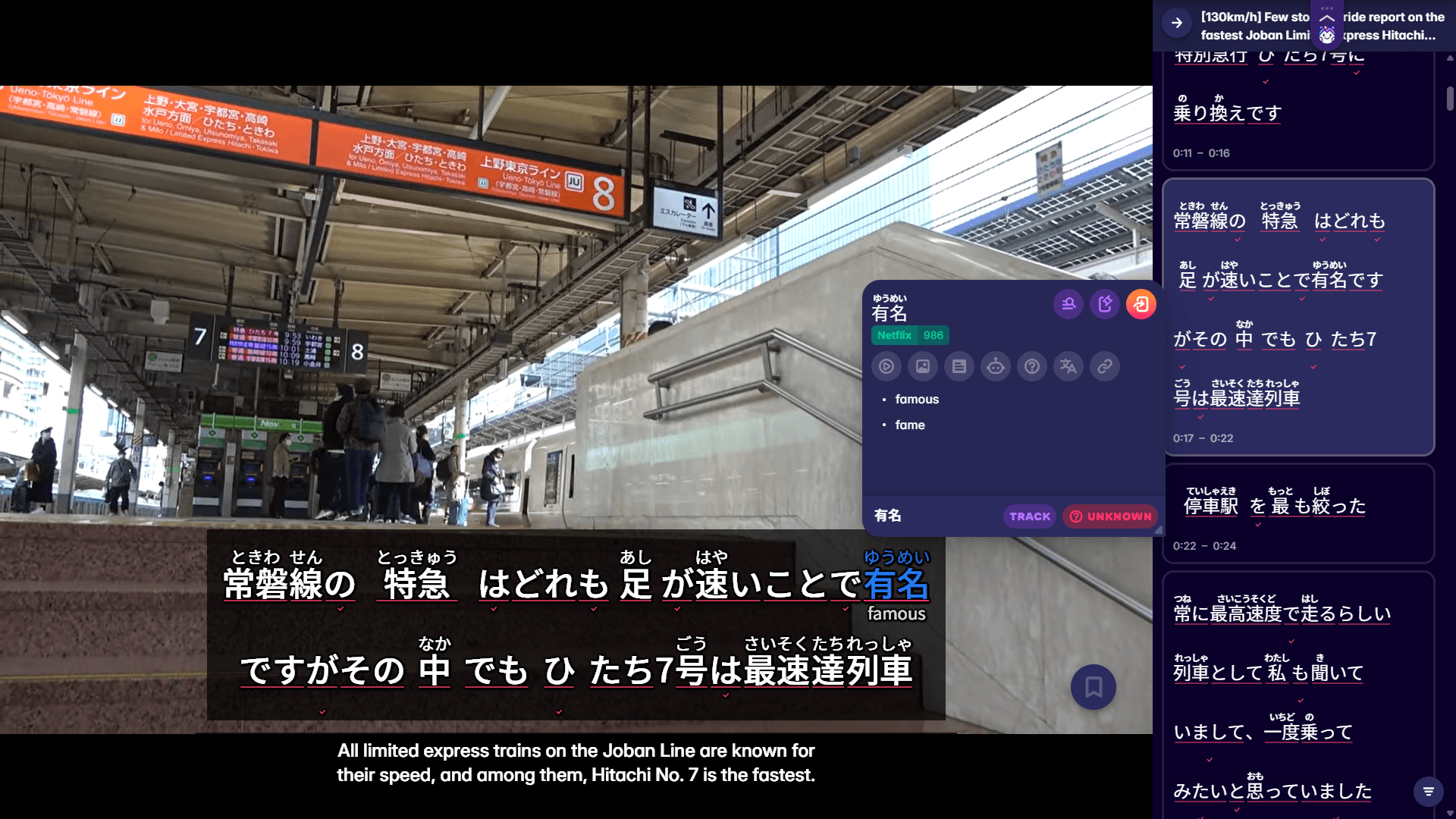
Anyway, if you want to level up your Japanese learning beyond textbooks and practice tests, Migaku's browser extension and app let you look up words instantly while watching shows or reading articles. Makes immersion way more practical when you're trying to learn Japanese through real content. There's a 10-day free trial if you want to check it out.
 ----
## Stay on track, and pass the JLPT without feeling overwhelmed!
Creating a JLPT study schedule comes down to being realistic about your time, consistent with your effort, and flexible when life gets in the way. Whether you're tackling JLPT N5 in a few months or grinding toward N1 over several years, the key is showing up daily and trusting the process. Grammar patterns, kanji, vocabulary, and media consumption all build on each other, so even when progress feels slow, you're moving forward.
> If you consume media in Japanese, and you understand at least some of the messages and sentences within that media, you will make progress. *Period*.
Small consistent steps create lasting change!
----
## Stay on track, and pass the JLPT without feeling overwhelmed!
Creating a JLPT study schedule comes down to being realistic about your time, consistent with your effort, and flexible when life gets in the way. Whether you're tackling JLPT N5 in a few months or grinding toward N1 over several years, the key is showing up daily and trusting the process. Grammar patterns, kanji, vocabulary, and media consumption all build on each other, so even when progress feels slow, you're moving forward.
> If you consume media in Japanese, and you understand at least some of the messages and sentences within that media, you will make progress. *Period*.
Small consistent steps create lasting change!