Korean Animals Vocabulary: Learn 100+ Animal Names in Korean
Last updated: March 4, 2026
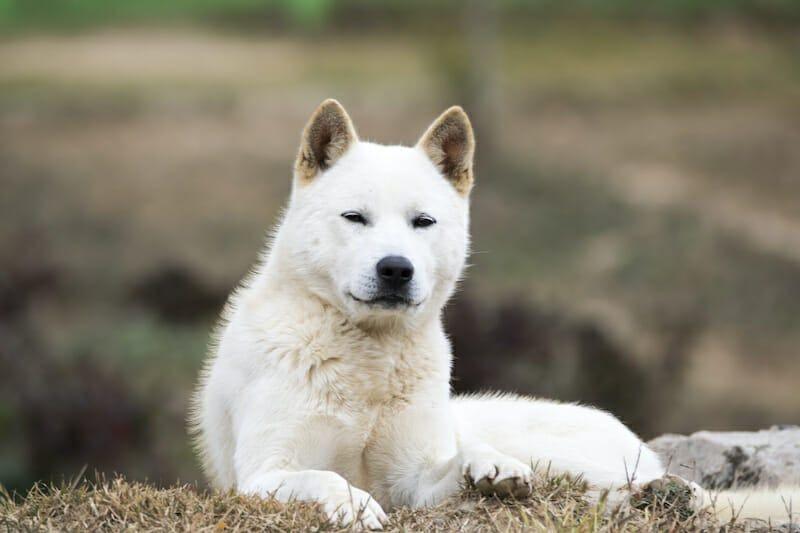
Animal vocabulary in Korean learning is one of those beginner-friendly topics that sticks with you. Whether you're trying to understand what your Korean friend is saying about their pet, watching a K-drama where someone visits a zoo, or just building up your basic vocabulary, knowing how to talk about animals comes up more often than you'd think. Let's dig into the essential Korean animal vocabulary!
- Common pets in Korean
- Farm animals in Korean vocabulary
- Wild animals in Korean
- Birds you should know
- Insects and small creatures
- Sea animals and ocean life
- The 12 Korean zodiac animals
- Describe animal sounds in Korean
- How to practice and remember animal vocabulary
- Resources for learning more Korean animal names
Common pets in Korean
Let's start with the animals you're most likely to talk about in daily conversation.
- 개 (gae) means dog. This is probably the first animal word you should learn since dogs are super popular pets in Korea. You might also hear 강아지 (gangaji), which specifically means puppy or is used as a cute way to refer to dogs in general.
- 고양이 (goyangi) is cat. Cat cafes are pretty popular in Korea, so this word comes in handy if you're planning to visit one.
- 물고기 (mulgogi) means fish. The word literally breaks down to water (물) and meat/fish (고기), which is kind of cool when you think about it.
- 새 (sae) is the general word for bird. If you want to be more specific, 앵무새 (aengmusae) means parrot, and 카나리아 (kanaria) is canary, borrowed from English.
- 토끼 (tokki) means rabbit. Rabbits appear in Korean folklore quite a bit, so you'll see this word pop up in traditional stories.
- 햄스터 (haemsteo) is hamster, another English loanword that's been adapted into Korean pronunciation.
- 거북이 (geobugi) means turtle or tortoise. The turtle has special meaning in Korean culture as a symbol of longevity and wisdom.
Farm animals in Korean vocabulary
If you're watching Korean variety shows set in the countryside or talking about farming, these words will come up.
- 소 (so) is cow or cattle. Korea has a special breed called 한우 (hanwoo), which is highly prized Korean beef.
- 돼지 (dwaeji) means pig. You'll definitely hear this one since pork is incredibly popular in Korean cuisine.
- 닭 (dak) is chicken. This word appears everywhere since Korean fried chicken is a whole cultural phenomenon.
- 말 (mal) means horse. Jeju Island is famous for its horses, so you might encounter this word when learning about Korean tourism.
- 양 (yang) is sheep. Sheep aren't as common in Korea as in some other countries, but the word still comes up.
- 염소 (yeomso) means goat. You might hear this when discussing farm animals or certain traditional Korean dishes.
- 오리 (ori) is duck. Duck is eaten in Korea, so this word appears in restaurant menus and food discussions.
Wild animals in Korean
These are the animals you'd encounter in nature, forests, or at a zoo in Korea.
- 호랑이 (horangi) is tiger. The tiger holds massive cultural importance in Korea and appears in traditional art, folklore, and even as a mascot. The Korean peninsula used to have a native tiger population, though they're now extinct in South Korea.
- 곰 (gom) means bear. Bears still exist in some mountainous regions of Korea, and the bear appears in Korean mythology, particularly in the founding story of Korea.
- 사자 (saja) is lion. While not native to Korea, you'll see this word at zoos and in translated content.
- 코끼리 (kokkiri) means elephant. The word has a fun, memorable sound that makes it stick in your head.
- 원숭이 (wonsungi) is monkey. Monkeys aren't native to Korea, but the word comes up in zoo contexts and entertainment.
- 여우 (yeouu) means fox. Foxes appear frequently in Korean folklore, often as shapeshifters with magical abilities.
- 늑대 (neukdae) is wolf. Like the fox, wolves feature prominently in traditional Korean stories.
- 사슴 (saseum) means deer. You can actually see deer roaming freely in some Korean parks and temple areas.
- 다람쥐 (daramjwi) is squirrel. These little guys are common in Korean parks and mountains.
- 쥐 (jwi) means mouse or rat. This is one of the 12 animals in the Korean zodiac.
Birds you should know
Beyond the general word 새 (sae) for bird, here are specific types you'll encounter.
- 까마귀 (kkamagwi) is crow or raven. These birds are common in Korea and appear in various cultural contexts.
- 까치 (kkachi) means magpie. The magpie is considered a bird of good news in Korean culture, and seeing one is thought to bring visitors or good fortune.
- 비둘기 (bidulgi) is pigeon or dove. You'll see plenty of these in Korean cities.
- 독수리 (doksuri) means eagle. This appears more in formal or literary contexts.
- 올빼미 (olppaemi) is owl. Owls appear in Korean idioms and expressions.
- 참새 (chamsae) means sparrow. These small birds are everywhere in Korea.
- 학 (hak) is crane. Cranes are symbols of longevity and grace in Korean culture and appear in traditional art.
- 닭 (dak) we covered earlier as chicken, but it's also one of the 12 Korean zodiac animals.
Insects and small creatures
- 개미 (gaemi) is ant. This word appears in the famous fable about the ant and the grasshopper, which Korean kids learn too.
- 나비 (nabi) means butterfly. You'll hear this in poetry and songs since butterflies symbolize transformation and beauty.
- 벌 (beol) is bee. Honey (꿀, kkul) is popular in Korea, so bees get mentioned fairly often.
- 모기 (mogi) means mosquito. Definitely useful vocabulary for summer in Korea.
- 거미 (geomi) is spider. Not the most pleasant topic, but practical vocabulary.
- 파리 (pari) means fly. Another pest-related word that comes up in everyday life.
Sea animals and ocean life
Korea is a peninsula surrounded by water on three sides, so sea life vocabulary is pretty relevant.
- 물고기 (mulgogi) we covered as the general word for fish, but here are specific types.
- 상어 (sangeo) is shark. You'll encounter this at aquariums or in nature documentaries.
- 고래 (gorae) means whale. Whale watching is possible in some coastal areas of Korea.
- 돌고래 (dolgorae) is dolphin. Dolphin shows exist at some Korean aquariums.
- 문어 (muneo) means octopus. Octopus is super popular in Korean cuisine, so this word comes up frequently.
- 오징어 (ojingeo) is squid. Like octopus, squid is eaten commonly in Korea.
- 새우 (saeu) means shrimp or prawn. Essential vocabulary for seafood lovers.
- 게 (ge) is crab. Crab appears in many Korean dishes.
- 조개 (jogae) means clam or shellfish. You'll see this at seafood markets and restaurants.
The 12 Korean zodiac animals
Korea uses the same zodiac system as China, with 12 animals representing different years. Here they are in order:
Zodiac Animal | Korean | Pronunciation |
|---|---|---|
🐭 Rat | 쥐 | jwi |
🐂 Ox | 소 | so |
🐅 Tiger | 호랑이 | horangi |
🐇 Rabbit | 토끼 | tokki |
🐉 Dragon | 용 | yong |
🐍 Snake | 뱀 | baem |
🐎 Horse | 말 | mal |
🐐 Sheep | 양 | yang |
🐒 Monkey | 원숭이 | wonsungi |
🐓 Rooster | 닭 | dak |
🐕 Dog | 개 | gae |
🐖 Pig | 돼지 | dwaeji |
Knowing these is pretty useful since Koreans often talk about birth years in terms of zodiac animals. Someone born in 2026 would be a 말띠 (maltti), meaning horse year person.
Describe animal sounds in Korean
Animal sounds are different across languages, which is kind of fascinating. Here's what animals say in Korean:
Animal | Korean Sound | English Equivalent |
|---|---|---|
Dog | 멍멍 (meongmeong) | woof woof |
Cat | 야옹 (yaong) | meow |
Pig | 꿀꿀 (kkulkkul) | oink oink |
Cow | 음메 (eummae) | moo |
Rooster | 꼬끼오 (kkokkio) | cock-a-doodle-doo |
Duck | 꽥꽥 (kkwaekkkwaek) | quack quack |
Bird (general) | 짹짹 (jjaekjjaek) | chirp chirp |
These onomatopoeia words (called 의성어, uiseongeo in Korean) are fun to learn and make you sound more natural when talking about animals.
How to practice and remember animal vocabulary
Learning animal names in Korean works best when you connect the words to images.
- Flashcards with pictures work way better than just text. You can make your own or find pre-made decks online.
- Watching Korean nature documentaries or animal-related variety shows gives you context for these words. Korean TV has plenty of shows featuring pets and animals.
- Kids' content in Korean often focuses on animals since they're teaching vocabulary. Even as an adult learner, these resources can be super helpful for beginner vocabulary.
- Try labeling animals you see in your daily life. When you see a dog on the street, think 개 (gae). When you see a bird, think 새 (sae). This mental practice reinforces the vocabulary.
- Grouping animals by category (pets, farm animals, wild animals, sea life) helps your brain organize the information better than trying to memorize a random list of 100 animal names.
Resources for learning more Korean animal names
- You can find Korean animal vocabulary PDFs online, though the quality varies quite a bit. Some just list words without context, while better ones include example sentences and cultural notes.
- YouTube has tons of Korean learning channels that cover animal vocabulary with pronunciation guides. Hearing the words spoken by native speakers helps way more than just reading romanization.
- Korean learning apps often include animal vocabulary in their beginner lessons since it's foundational stuff. Many animals fall into the first 1,000 most common Korean words.
- If you want to go deep, Korean children's books about animals give you vocabulary in context with simple grammar. Picture books work great for adult learners too.
Anyway, if you want to use this vocabulary while consuming Korean content, Migaku's browser extension and app let you look up words instantly while watching Korean shows or reading articles. Makes learning from real content way more practical. There's a 10-day free trial if you want to check it out.

Animal words make great starter vocabulary for anyone learning Korean
They're concrete nouns that you can visualize, which makes them way easier to remember than abstract concepts. You'll hear them in everyday conversations, kids' shows, nature documentaries, and even Korean idioms. Some animals also have cultural significance in Korea, like the tiger being a symbol of strength and courage, or the magpie being considered a bird of good luck. When watching Korean dramas and movies, pay attention to how people discuss their pets, wildlife, and cultural symbolism.
If you consume media in Korean, and you understand at least some of the messages and sentences within that media, you will make progress. Period.
Best friends have paws.🐾