# Best Language Learning Methods Compared (2026 Guide)
> Comparing the best language learning methods in 2026: AI apps, immersion tools, tutoring platforms, and proven strategies to reach fluency faster.
**URL:** https://migaku.com/blog/language-fun/best-language-learning-methods
**Last Updated:** 2026-03-05
**Tags:** discussion, deepdive
---
If you're trying to figure out the best [language learning](https://migaku.com/) methods in 2026, you've probably noticed there are about a million options out there. Apps with AI tutors, gamified lessons, [immersion](https://migaku.com/blog/language-fun/comprehensible-input-method-language-learning) platforms, traditional textbooks, and everything in between. The truth is, different methods work for different people, but some approaches consistently deliver better results than others. I've spent years testing these methods myself and watching what helps learners reach fluency, so let me break down what works, what doesn't, and how to pick the right approach for your goals.
---
## Why the best language learning methods matter more than ever
Here's the thing: most people quit learning a language within the first few months. They download Duolingo, do it for three weeks, then forget about it. Or they buy a textbook, get through two chapters, and give up when grammar gets complicated.
The best language learning methods solve this problem by **keeping you engaged while actually building real skills**. In 2026, we've got AI tools that can have realistic conversations with you, immersion platforms that make watching foreign TV shows into active learning, and tutoring services that connect you with native speakers for a few bucks an hour.
The methods that work share a few things in common.
1. They get you using the language actively, not just passively reading about it.
2. They adapt to your level so you're challenged but not overwhelmed.
3. And they focus on practical communication skills you'll use, not just memorizing verb tables.
---
## The way to learn a language: The 5C theory
The 5 C's are a framework developed for language education: Communication, Cultures, Connections, Comparisons, and Communities.
1. **Communication** means actually using the language to understand others and express yourself. This is the core goal. All the grammar and vocabulary study should serve this purpose.
2. **Cultures** means learning about the people who speak the language. Understanding cultural context helps you communicate more effectively and appreciate why the language works the way it does.
3. **Connections** means using the language to learn about other subjects. Read about topics you're interested in, whether that's cooking, history, sports, or technology. This keeps learning interesting and builds specialized vocabulary.
4. **Comparisons** means noticing differences between the language you want to learn and languages you already know. This helps you understand grammar concepts and avoid mistakes based on assumptions from your native language.
5. **Communities** means connecting with other speakers, both learners and native speakers. Language is social. Using it with real people in real situations can help build a solid foundation and instinct.
The best language learning methods incorporate all five C's. You're not just memorizing words in isolation, you're building the ability to participate in a new linguistic community.
---
## The immersion approach: Learning like how you learned your first language
[Immersion](https://migaku.com/blog/language-fun/immersion-learning-at-home) means surrounding yourself with your target language as much as possible. You watch shows, read articles, listen to podcasts, and basically live in the language even if you can't physically move to another country.
This is probably the single best way to [learn a language](https://migaku.com/blog/language-fun/3-things-to-learn-a-language) if you can stick with it. Language acquisition research shows that massive input, understanding messages in context, works way better than drilling grammar rules. You pick up vocabulary naturally, you hear correct pronunciation constantly, and you learn how people actually talk instead of textbook phrases.
The problem? Traditional immersion was brutal for beginners. Watching a Spanish movie when you know 50 words feels like torture. You understand nothing and learn nothing.
That's where modern immersion tools come in.
1. **Lingopie** lets you watch TV shows and movies with interactive subtitles. Click any word and you get an instant definition. The platform tracks your vocabulary and creates review cards automatically. Pretty cool for making immersion actually productive instead of just confusing.
2. **Rosetta Stone** has been doing immersion-style learning for years, teaching through images and context without translating to English. It works, though some people find it slow. The advantage is you start thinking in your new language from day one instead of constantly translating in your head.
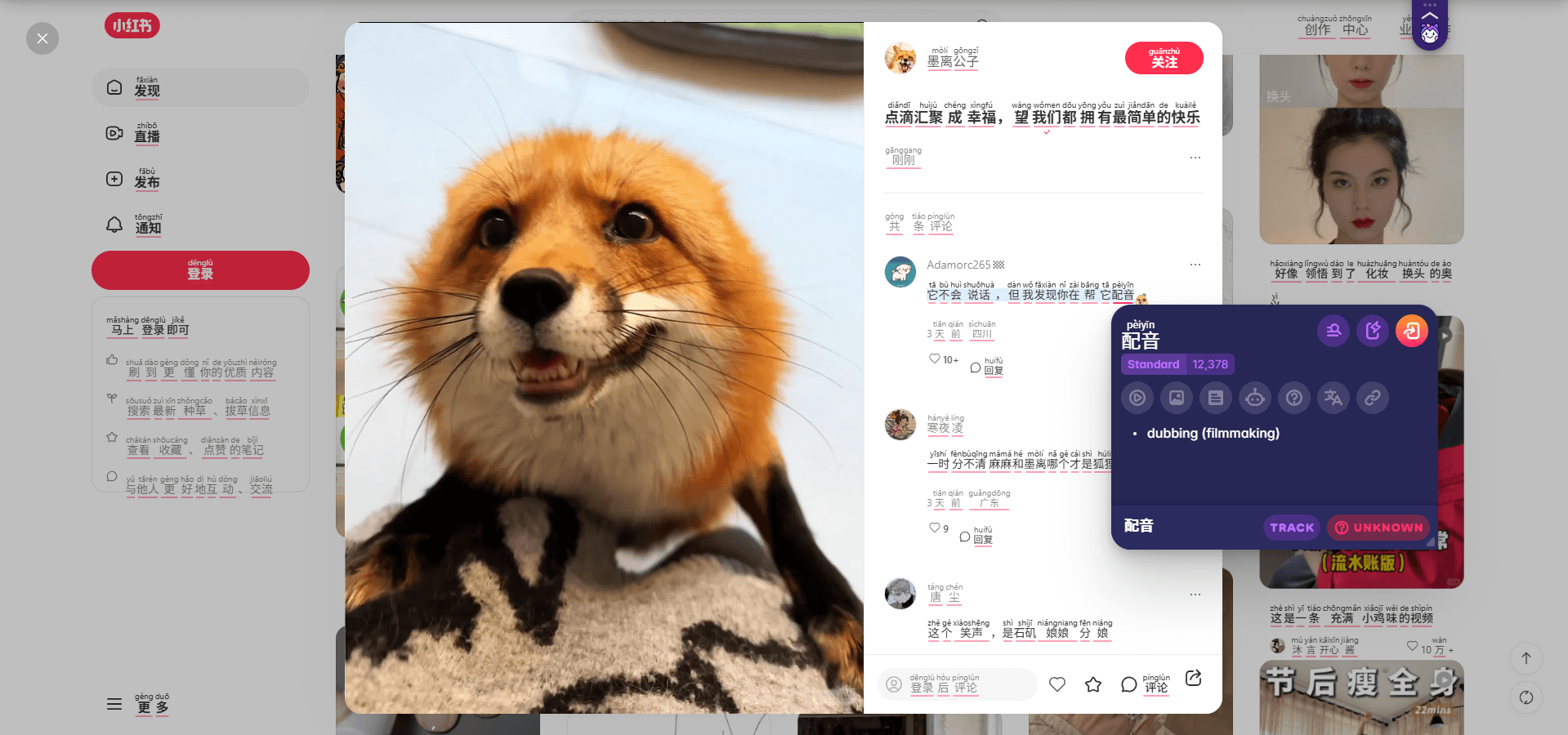
3. **Migaku browser extension and app** work both for reading, listening, and video immersion. The tool lets you look up words instantly while reading native content. You can read news articles, blog posts, or books at your level and gradually work up to harder material. You can also click the new words to add them to flashcards and review them later.
 ---
## AI conversation apps for language learners
Speaking practice used to mean either finding a language partner (awkward) or paying for expensive tutors. In 2026, AI conversation apps have gotten good at simulating real conversations.
1. **Langua AI** creates realistic dialogue scenarios where you talk to the app. The AI responds naturally to what you say, corrects your mistakes, and adapts to your level. You can listen and read the dialogues of ordering food, asking for directions, or having casual conversations without worrying about embarrassing yourself in front of a real person.
2. **Speak** focuses specifically on pronunciation and speaking fluency when learning a new language. It uses speech recognition to catch your errors and give you feedback on how to sound more like a native speaker. The app is particularly strong for languages like Spanish, French, and German.
3. **TalkPal** is another solid option that combines conversation practice with vocabulary building. You can choose topics you're interested in, so you're learning words you'll use instead of random vocabulary lists.
The advantage of AI apps is that you can practice anytime, as much as you want, without scheduling or social anxiety, compared to other learning techniques. The downside is they're not quite as good as talking to actual humans. They can miss cultural context and don't always catch subtle errors in the ever-evolving modern languages. But for building confidence and getting reps in, they're fantastic.
---
## Learning a language with native speakers through tutoring platforms
Nothing beats talking to actual people. Tutoring platforms have exploded in the last few years, making it cheap and easy to find native speakers who'll practice with you.
1. **Preply** connects you with tutors for one-on-one lessons. You can filter by price, availability, specialty, and teaching style. Prices range from around $5 to $40 per hour depending on the tutor's experience and the language. The flexibility is great because you can book lessons whenever you have time.
2. **LanguaTalk** is similar but focuses specifically on conversation practice with native speakers. The tutors aren't necessarily trained teachers, they're just fluent speakers who want to help learners practice. This makes it more affordable and often more casual, which some people prefer.
The best way to use these platforms is to combine them with other language learning strategies. Do your vocabulary and grammar work on your own, then use tutoring sessions to practice actually using what you've learned. Come to each lesson with specific things you want to practice or questions about stuff that confused you.
One hour per week with a tutor plus daily self-study beats three hours of tutoring with no practice in between. The tutoring gives you feedback and forces you to use the language, while your solo work builds the foundation.
---
## Gamified apps for beginners
Duolingo, Memrise, and Babbel take a game-like approach to language learning. You earn points, maintain streaks, level up, and compete with friends. The gamification keeps you coming back, which is honestly half the battle.
1. **Duolingo** is free and covers a ton of languages. The lessons are bite-sized, usually 5-10 minutes, so you can fit them into a busy schedule. The app teaches vocabulary and basic grammar through translation exercises and speaking practice.
2. **Memrise** uses spaced repetition to help you remember vocabulary long-term. You learn words, then the app schedules reviews at specific intervals to move them into your long-term memory. It also includes video clips of native speakers using words in context, which helps with pronunciation and understanding different accents.
These apps work great for beginners who need to start learning basic grammar and vocabulary. They're also good for maintaining a daily habit. But you'll hit a ceiling eventually. Getting to fluency requires more than gamified lessons. Use these apps as part of your routine, not your entire strategy.
---
## Spaced repetition and vocabulary building
Building a strong vocabulary is essential for second language acquisition. You can't understand much or express yourself if you only know 200 words. But memorizing thousands of words sounds impossible.
Spaced repetition systems solve this problem when learning languages. They show you new words, then quiz you on them at increasing intervals. Words you struggle with come back more frequently. Words you know well show up less often. This is a natural method that takes advantage of how your brain forms long-term memories.
**[Anki](https://migaku.com/blog/language-fun/anki-settings-for-language-learning)** is the most popular spaced repetition app. It's free, customizable, and has nearly 1,000 free decks for different languages. You can download pre-made decks with the most common words in your target language, or create your own cards from words you encounter when you read texts or watch movies in the language.
The key to vocabulary learning is context. Don't just memorize isolated words with English translations. Learn example sentences so you understand how the word is used grammatically. Pay attention to grammar patterns and collocations (words that commonly appear together) when learning new words.
For most languages, learning the 1,000 most common words gives you around 80% comprehension of everyday conversation. The next 1,000 words gets you to maybe 90%. So focusing on high-frequency vocabulary first makes sense for effective language learning.
---
## Building your personal learning plan
what’s the best way to learn a language? The only answer is to learn depending on your goals, your schedule, and how you learn best. Someone who wants conversational Spanish for an upcoming trip needs a different approach than someone learning Spanish to watch drama series.
Here's a solid plan that works for most learners:
1. Start with a structured course or app to build your foundation. Spend 20-30 minutes daily on Duolingo, Babbel, or a similar platform. This gets you basic vocabulary and grammar while building the habit of daily practice.
2. Add vocabulary study with spaced repetition. Another 10-15 minutes per day with Anki or Memrise, focusing on the most common words in your target language.
3. Incorporate immersion as soon as possible. Even as a beginner, you can watch shows with subtitles or read simple content to give yourself a nice, immersive learning environment. Start with 15-30 minutes per day and increase as you improve. The key is finding content at your level or slightly above to build up [comprehensible input](https://migaku.com/blog/language-fun/comprehensible-input-method-language-learning).
4. Practice speaking weekly, either with a tutor on Preply or LanguaTalk, or using AI conversation apps like Langua or Speak. One focused hour per week beats nothing.
5. As you advance, shift more time toward immersion and conversation, less toward structured lessons. Intermediate and advanced learners benefit most from massive input (reading and listening) plus regular speaking practice.
Anyway, if you want to combine these strategies with real content, Migaku's browser extension and app let you look up words instantly while watching shows or reading articles in your target language. Makes immersion learning way more practical. There's a 10-day free trial if you want to check it out.
---
## AI conversation apps for language learners
Speaking practice used to mean either finding a language partner (awkward) or paying for expensive tutors. In 2026, AI conversation apps have gotten good at simulating real conversations.
1. **Langua AI** creates realistic dialogue scenarios where you talk to the app. The AI responds naturally to what you say, corrects your mistakes, and adapts to your level. You can listen and read the dialogues of ordering food, asking for directions, or having casual conversations without worrying about embarrassing yourself in front of a real person.
2. **Speak** focuses specifically on pronunciation and speaking fluency when learning a new language. It uses speech recognition to catch your errors and give you feedback on how to sound more like a native speaker. The app is particularly strong for languages like Spanish, French, and German.
3. **TalkPal** is another solid option that combines conversation practice with vocabulary building. You can choose topics you're interested in, so you're learning words you'll use instead of random vocabulary lists.
The advantage of AI apps is that you can practice anytime, as much as you want, without scheduling or social anxiety, compared to other learning techniques. The downside is they're not quite as good as talking to actual humans. They can miss cultural context and don't always catch subtle errors in the ever-evolving modern languages. But for building confidence and getting reps in, they're fantastic.
---
## Learning a language with native speakers through tutoring platforms
Nothing beats talking to actual people. Tutoring platforms have exploded in the last few years, making it cheap and easy to find native speakers who'll practice with you.
1. **Preply** connects you with tutors for one-on-one lessons. You can filter by price, availability, specialty, and teaching style. Prices range from around $5 to $40 per hour depending on the tutor's experience and the language. The flexibility is great because you can book lessons whenever you have time.
2. **LanguaTalk** is similar but focuses specifically on conversation practice with native speakers. The tutors aren't necessarily trained teachers, they're just fluent speakers who want to help learners practice. This makes it more affordable and often more casual, which some people prefer.
The best way to use these platforms is to combine them with other language learning strategies. Do your vocabulary and grammar work on your own, then use tutoring sessions to practice actually using what you've learned. Come to each lesson with specific things you want to practice or questions about stuff that confused you.
One hour per week with a tutor plus daily self-study beats three hours of tutoring with no practice in between. The tutoring gives you feedback and forces you to use the language, while your solo work builds the foundation.
---
## Gamified apps for beginners
Duolingo, Memrise, and Babbel take a game-like approach to language learning. You earn points, maintain streaks, level up, and compete with friends. The gamification keeps you coming back, which is honestly half the battle.
1. **Duolingo** is free and covers a ton of languages. The lessons are bite-sized, usually 5-10 minutes, so you can fit them into a busy schedule. The app teaches vocabulary and basic grammar through translation exercises and speaking practice.
2. **Memrise** uses spaced repetition to help you remember vocabulary long-term. You learn words, then the app schedules reviews at specific intervals to move them into your long-term memory. It also includes video clips of native speakers using words in context, which helps with pronunciation and understanding different accents.
These apps work great for beginners who need to start learning basic grammar and vocabulary. They're also good for maintaining a daily habit. But you'll hit a ceiling eventually. Getting to fluency requires more than gamified lessons. Use these apps as part of your routine, not your entire strategy.
---
## Spaced repetition and vocabulary building
Building a strong vocabulary is essential for second language acquisition. You can't understand much or express yourself if you only know 200 words. But memorizing thousands of words sounds impossible.
Spaced repetition systems solve this problem when learning languages. They show you new words, then quiz you on them at increasing intervals. Words you struggle with come back more frequently. Words you know well show up less often. This is a natural method that takes advantage of how your brain forms long-term memories.
**[Anki](https://migaku.com/blog/language-fun/anki-settings-for-language-learning)** is the most popular spaced repetition app. It's free, customizable, and has nearly 1,000 free decks for different languages. You can download pre-made decks with the most common words in your target language, or create your own cards from words you encounter when you read texts or watch movies in the language.
The key to vocabulary learning is context. Don't just memorize isolated words with English translations. Learn example sentences so you understand how the word is used grammatically. Pay attention to grammar patterns and collocations (words that commonly appear together) when learning new words.
For most languages, learning the 1,000 most common words gives you around 80% comprehension of everyday conversation. The next 1,000 words gets you to maybe 90%. So focusing on high-frequency vocabulary first makes sense for effective language learning.
---
## Building your personal learning plan
what’s the best way to learn a language? The only answer is to learn depending on your goals, your schedule, and how you learn best. Someone who wants conversational Spanish for an upcoming trip needs a different approach than someone learning Spanish to watch drama series.
Here's a solid plan that works for most learners:
1. Start with a structured course or app to build your foundation. Spend 20-30 minutes daily on Duolingo, Babbel, or a similar platform. This gets you basic vocabulary and grammar while building the habit of daily practice.
2. Add vocabulary study with spaced repetition. Another 10-15 minutes per day with Anki or Memrise, focusing on the most common words in your target language.
3. Incorporate immersion as soon as possible. Even as a beginner, you can watch shows with subtitles or read simple content to give yourself a nice, immersive learning environment. Start with 15-30 minutes per day and increase as you improve. The key is finding content at your level or slightly above to build up [comprehensible input](https://migaku.com/blog/language-fun/comprehensible-input-method-language-learning).
4. Practice speaking weekly, either with a tutor on Preply or LanguaTalk, or using AI conversation apps like Langua or Speak. One focused hour per week beats nothing.
5. As you advance, shift more time toward immersion and conversation, less toward structured lessons. Intermediate and advanced learners benefit most from massive input (reading and listening) plus regular speaking practice.
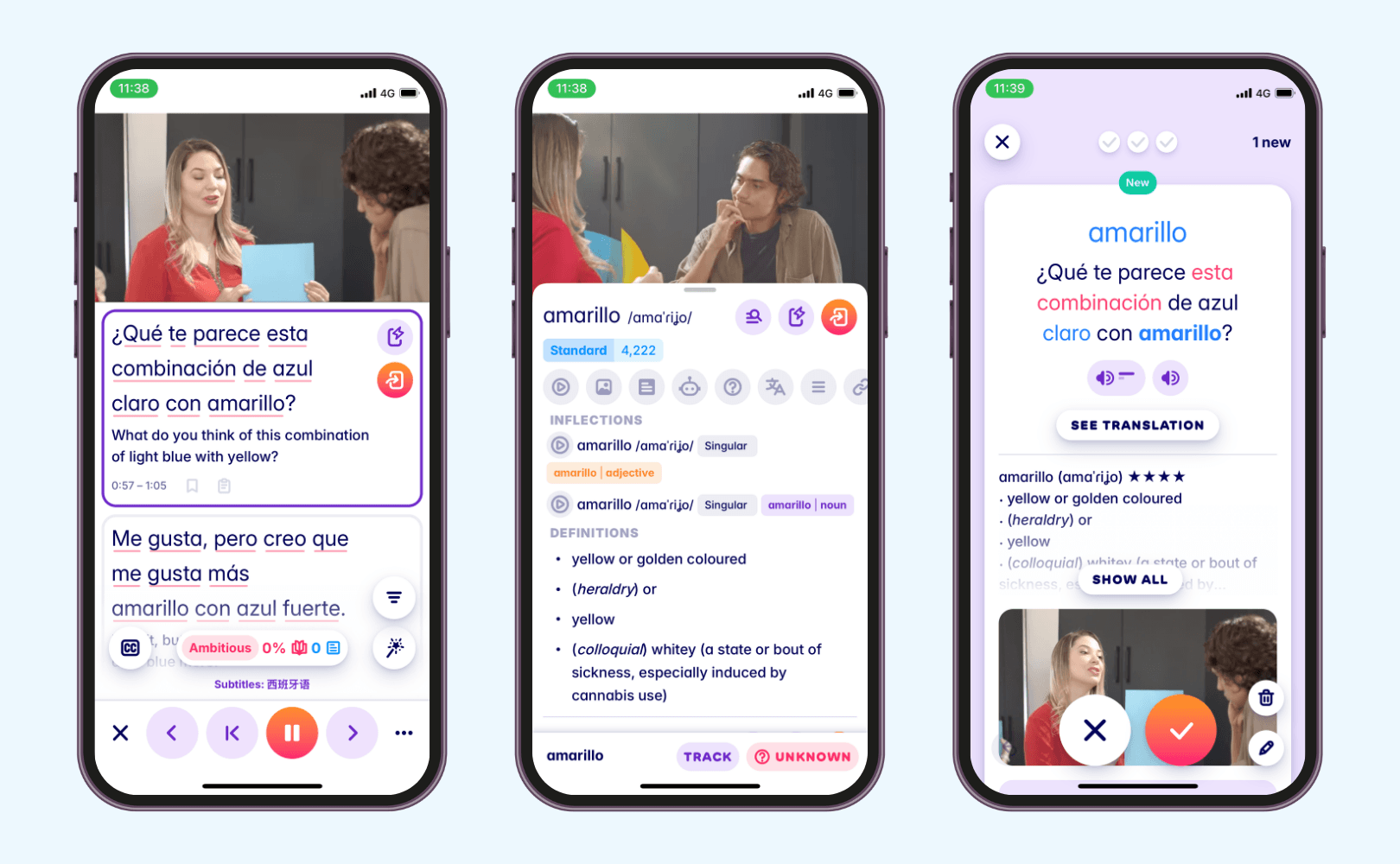
Anyway, if you want to combine these strategies with real content, Migaku's browser extension and app let you look up words instantly while watching shows or reading articles in your target language. Makes immersion learning way more practical. There's a 10-day free trial if you want to check it out.
 ---
## FAQs
People always ask about the FSI (Foreign Service Institute, which trains diplomats and FBI agents in languages). Their method focuses on intensive, structured learning with lots of speaking practice. FSI students do 4-5 hours of formal classroom instruction per day, plus 3-4 hours of independent study. They work through carefully designed materials that progress systematically from basic to advanced. And they practice speaking constantly, with immediate correction from native speaker instructors.
For Chinese, you need to tackle characters separately from spoken language. Some learners start with pinyin (romanization) to build speaking and listening skills, then add characters later. Others learn characters from the beginning. Both approaches work.
---
## FAQs
People always ask about the FSI (Foreign Service Institute, which trains diplomats and FBI agents in languages). Their method focuses on intensive, structured learning with lots of speaking practice. FSI students do 4-5 hours of formal classroom instruction per day, plus 3-4 hours of independent study. They work through carefully designed materials that progress systematically from basic to advanced. And they practice speaking constantly, with immediate correction from native speaker instructors.
For Chinese, you need to tackle characters separately from spoken language. Some learners start with pinyin (romanization) to build speaking and listening skills, then add characters later. Others learn characters from the beginning. Both approaches work.
Spaced repetition is especially important for Chinese because you need to memorize thousands of characters. Apps like Pleco (a Chinese dictionary with flashcard features) are specifically designed for this.
For tonal languages like Chinese, Thai, or Vietnamese, pronunciation practice from day one is critical. If you get the tones wrong, you're saying completely different words. Working with a tutor who can correct your tones makes a huge difference.
The same principles apply to other difficult languages. Japanese requires learning three writing systems. Arabic has different spoken dialects versus formal written Arabic. Russian has complex grammar with six cases. Each language has its challenges, but the core methods still work: massive input, active practice, spaced repetition for memorization, and feedback from native speakers.
---
## Reach fluency with consistent training
Most people quit learning a language because they lose motivation or don't see progress. The best language learning methods address both problems. Track your progress in concrete ways. Keep a list of words you've learned. Record yourself speaking every month and compare. Watch a show and notice how much more you understand than last month. The best immersion approach can not only feed you comprehensible input, but also keep you motivated with topics you enjoy and are eager to explore more.
> If you consume media in the language you want to learn, and you understand at least some of the messages and sentences within that media, you will make progress. _Period_.
A good learning strategy starts with knowing yourself!🚀