Best Neighborhoods in Lisbon for Expats: Príncipe Real, Alfama, Estrela
Last updated: May 21, 2026
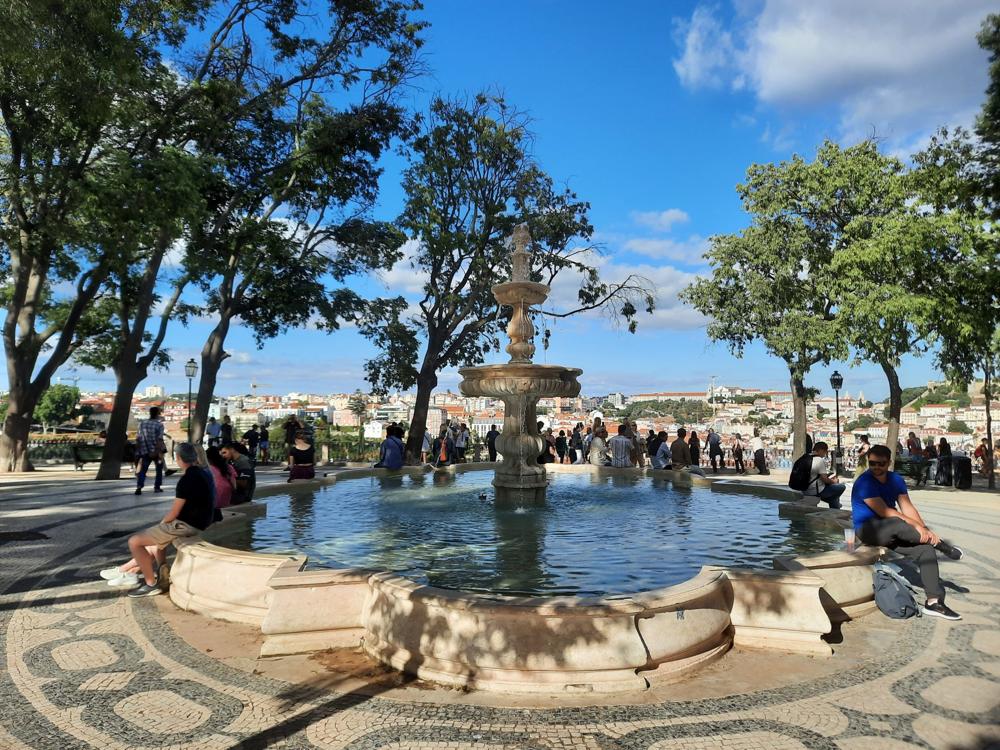
If you're moving to Lisbon, the three neighborhoods most expats end up shortlisting are Príncipe Real (polished, central, walkable), Alfama (historic, atmospheric, hilly), and Estrela (residential, green, family-friendly). Each suits a different kind of life in Portugal's capital, and rents in 2026 vary widely between them.
Last updated: May 21, 2026
- What Lisbon costs in 2026
- Príncipe Real: the polished center
- Alfama: history, hills, and atmosphere
- Estrela: residential, green, family-friendly
- Other neighborhoods worth shortlisting
- Visas, taxes, and the rules that actually matter in 2026
- How to choose between Príncipe Real, Alfama, and Estrela
- Common pitfalls when renting in Lisbon
- FAQs
What Lisbon costs in 2026
Before comparing neighborhoods, it helps to anchor expectations against the citywide market. Lisbon is now Portugal's priciest rental city, with asking rents averaging around €23/m² and signed leases closer to €16.50/m². Vacancy sits near 3%, which means desirable apartments move quickly and landlords have the upper hand.
Typical rents across the city in early 2026:
Apartment type | Average monthly rent | Typical range |
|---|---|---|
1-bedroom | €1,250 | €1,000–€1,700 |
2-bedroom | €1,850 | €1,400–€2,600 |
Utilities (per Numbeo) | €152 | varies by season |
Navegante Metropolitano transit pass | €40 | flat fare |
For buyers, the median Lisbon apartment (around 90 m²) sits near €397,000, with asking prices up roughly 4% year-over-year between January 2025 and January 2026. Portugal's property transfer tax (IMT) reaches up to 7.5% in the top 2026 bracket, plus 0.8% stamp duty. The average bank lending rate eased to 3.78% as of February 2026.
One policy change worth flagging: Lisbon's municipal restrictions on new Alojamento Local (short-term rental) licenses came into force on 6 December 2025, capping new registrations in high-density tourist zones. That has shifted some inventory back to the long-term market, which moderately helps tenants in places like Alfama and Bairro Alto.
Príncipe Real: the polished center
Príncipe Real (administratively part of Misericórdia parish) is the neighborhood most often recommended to mid-career professionals, remote workers on a D8 visa, and couples without children. It sits on a plateau above Bairro Alto, with leafy streets, restored 19th-century townhouses, concept stores, natural-wine bars, and an excellent weekly organic market in the central garden.
Who it suits: Remote workers, design and tech professionals, LGBTQ+ residents (it's the most visibly gay-friendly area of the city), people who want to live without a car.
The trade-offs: It's expensive. Misericórdia consistently ranks among Lisbon's most expensive parishes, with purchase prices in the Bairro Alto/Príncipe Real area reaching roughly €7,895/m². A renovated one-bedroom typically asks €1,600–€2,200, and larger family flats easily clear €3,000. Weekend nights in adjacent Bairro Alto can be loud, though Príncipe Real itself stays calmer.
Practical notes: Excellent walking access to Chiado, Avenida da Liberdade, and the Rato metro station. Coworking spaces, English-speaking GPs, and international groceries are within five minutes on foot.
Alfama: history, hills, and atmosphere
Alfama is the oldest part of Lisbon, a tangle of medieval alleys spilling down from São Jorge Castle to the river. It survived the 1755 earthquake, which is why the streets aren't on a grid. For expats who fell in love with Lisbon through fado music, azulejo-tiled facades, and morning light off the Tejo, Alfama is the obvious choice.
Who it suits: Writers, retirees on D7 visas, artists, anyone working from home who doesn't need to commute by car. Singles and couples adapt better than families with young children.
The trade-offs: Everything is uphill. Alfama is genuinely hard on knees, suitcases, and groceries. Streets are narrow enough that delivery vans struggle, and parking is essentially impossible. Tourists are constant in the lower sections, especially around Largo do Chafariz de Dentro and the tram 28 route. Building stock is old, and many apartments lack elevators, central heating, or proper insulation. Winter dampness is a real complaint.
Prices: Alfama falls under the São Vicente parish for housing statistics, with purchase prices around €6,401/m². Long-term rentals are scarcer than the listings suggest because much of the inventory was historically short-term, though the December 2025 Alojamento Local cap is starting to change that. Expect €1,100–€1,600 for a renovated one-bedroom, more for anything with a river view.
Practical notes: Santa Apolónia station (metro and trains to Porto) sits at the eastern edge. The Time Out Market and Cais do Sodré are a flat 15-minute walk along the river.
Estrela: residential, green, family-friendly
Estrela sits west of the center, organized around the basilica and the Jardim da Estrela, a large park with a duck pond, a kiosk café, and an outdoor library. It's quieter, more residential, and better suited to family life than Príncipe Real or Alfama.
Who it suits: Families, expats with school-age children, anyone with a partner or pet who values green space, professionals who don't need to be in the center every evening.
The trade-offs: Less nightlife. Fewer English-language services compared to Príncipe Real. Some streets are steep, though less punishing than Alfama. Rents are no longer cheap, since Estrela has been steadily gentrifying since 2018.
Prices: Expect €1,400–€2,000 for a one-bedroom and €1,900–€2,800 for a two-bedroom. Family-sized three-bedrooms with outdoor space can exceed €3,500.
Practical notes: Several international schools are within reach (St. Julian's, Park International, and the French and German schools are nearby or a short tram ride away). Tuition at international primary schools in Lisbon runs around €14,212/year, with private preschool near €535/month. Tram 25 and 28 run through Estrela, and Rato metro is a 10-minute walk.
Other neighborhoods worth shortlisting
If the three flagship areas don't fit your budget or lifestyle, these are the next-tier options expats actually move to:
- Campo de Ourique: Just uphill from Estrela. Village feel, excellent food market, popular with French and Brazilian families. Rents slightly below Estrela.
- Avenidas Novas: Modern, grid-planned, broad avenues, strong metro access at Saldanha and Picoas. Among the most expensive purchase markets at roughly €8,377/m², but rental yields are reasonable. Good for corporate transfers.
- Parque das Nações: Riverside, built for Expo '98. The most modern part of the city, with the highest purchase prices in Lisbon at around €8,517/m². Family-friendly, but lacking the old-city character many expats came for.
- Graça: Above Alfama, slightly less touristy, with viewpoints and a growing café scene. Cheaper than Alfama proper.
- Marvila: Eastern Lisbon, post-industrial, breweries and galleries. Cheaper rents, longer commutes, gentrifying fast.
- Benfica, Olivais, Lumiar: Lisbon's most affordable parishes for one-bedrooms. Less charm, more practical. Good metro connections.
Visas, taxes, and the rules that actually matter in 2026
Which neighborhood you can afford depends partly on which visa you hold and how Portugal taxes your income. The key 2026 facts:
- D7 (passive income) visa: Minimum income of €920/month (€11,040/year) for a single applicant, plus 50% per additional adult and 30% per dependent child. Consulate fee €90, plus roughly €156 for the AIMA permit and biometrics.
- D8 (digital nomad) visa: Minimum monthly income of €3,680 (4× the new minimum wage) plus savings of at least €11,040. Same percentage uplifts for dependents.
- Physical presence: D7 and D8 holders must spend at least 16 months in Portugal during the first 2-year residence permit period to qualify for renewal.
- Processing: Consulate stage typically 60–90 days; AIMA targets a 90-day legal deadline for issuing the residence card, though backlogs are real.
- IFICI (NHR 2.0): The old NHR closed to new applicants on 31 March 2025. The replacement IFICI regime offers a 20% flat tax on qualifying Portuguese income for 10 years, but only for tax residents who became resident after 1 January 2024, weren't Portuguese tax residents in the previous 5 years, and work in qualifying sectors (science, tech, R&D, certified startups, exporters with more than 50% foreign turnover). Pensions are excluded.
- Citizenship: Portugal's new citizenship law (Lei Orgânica n.º 1/2026) entered into force on 19 May 2026. Naturalization now requires 7 years of residency for CPLP and EU nationals and 10 years for everyone else. Applications already pending with the IRN on 18 May 2026 continue under the previous 5-year rule.
- AIMA backlog: The agency issued approximately 386,000 residency permits in 2025 (a roughly 60% jump from 2024). Backlog reportedly exceeded 400,000 cases. Online renewals opened for permits expiring in January and February 2026, and the Golden Visa Renewals Portal has been live since 16 February 2026. Permits that expired between February 2020 and 30 June 2025 remain valid until 15 April 2026; permits expiring after 30 June 2025 get a six-month grace period.
Verify any specific figure with AIMA (aima.gov.pt), the Portuguese Tax Authority (Portal das Finanças), or your consulate before relying on it. Rules shifted multiple times during late 2025 and early 2026.
How to choose between Príncipe Real, Alfama, and Estrela
A simple decision framework:
- Pick Príncipe Real if you want to live without a car, work in tech or creative fields, value walkability above space, and can absorb €1,800+ monthly rent.
- Pick Alfama if you're moving to Lisbon for the soul of the city, you don't have small kids or a bad back, and you accept that tourists are part of the deal.
- Pick Estrela if you have a family, a dog, or simply want a quieter base with a real park nearby, and you want to stay reasonably central without paying Príncipe Real prices.
Common pitfalls when renting in Lisbon
- Asking rent vs. signed rent: Listings show asking prices around €23/m²; actual signed leases are closer to €16.50/m². Negotiate, especially on apartments that have been listed more than three weeks.
- Fiador requirements: Many landlords still ask for a Portuguese guarantor or 3–6 months' rent upfront. A NIF (tax number) and Portuguese bank account are minimum prerequisites.
- Older buildings: Alfama, Graça, and parts of Bairro Alto have buildings without elevators, with single-pane windows, and with electric-only heating. Ask before signing.
- Short-term to long-term conversions: With the December 2025 Alojamento Local cap, some former tourist flats are returning to long-term leases. Inspect them carefully; furniture and finishes may not be built for daily living.
- Commute realities: Hills matter more than distance. A 1.5 km walk from Alfama to Chiado involves serious elevation changes.
FAQs
Where do most American expats live in Lisbon?
Príncipe Real, Estrela, Campo de Ourique, and Parque das Nações are the most common. Families lean toward Estrela and Parque das Nações; remote workers cluster in Príncipe Real and Santos.
What's the cheapest decent neighborhood in Lisbon?
Benfica, Olivais, and Lumiar consistently show the lowest one-bedroom rents in 2026 data. All have metro access.
Is Alfama too touristy to live in?
The lower streets near the riverfront and along the tram 28 route are heavily touristed. Upper Alfama and the Graça side are calmer.
Do I need to speak Portuguese to rent an apartment?
No, but contracts are in Portuguese, and most utility companies operate primarily in Portuguese. Even basic vocabulary makes the process smoother, and many landlords prefer tenants who are visibly committed to staying.
What about healthcare and schools?
Residents register with the SNS (Serviço Nacional de Saúde) after getting their residence permit. International schools are concentrated in the western suburbs (Carcavelos, Cascais line) and in central neighborhoods like Estrela.
Useful further reading
Settling into Lisbon goes faster when you can follow conversations at the talho, read your rental contract, and chat with neighbors in Portuguese. If you want to pick up the language through the shows, news, and music you'd consume anyway, try Migaku.