Bisous Etiquette: How Many Cheek Kisses by Region in France
Last updated: May 21, 2026
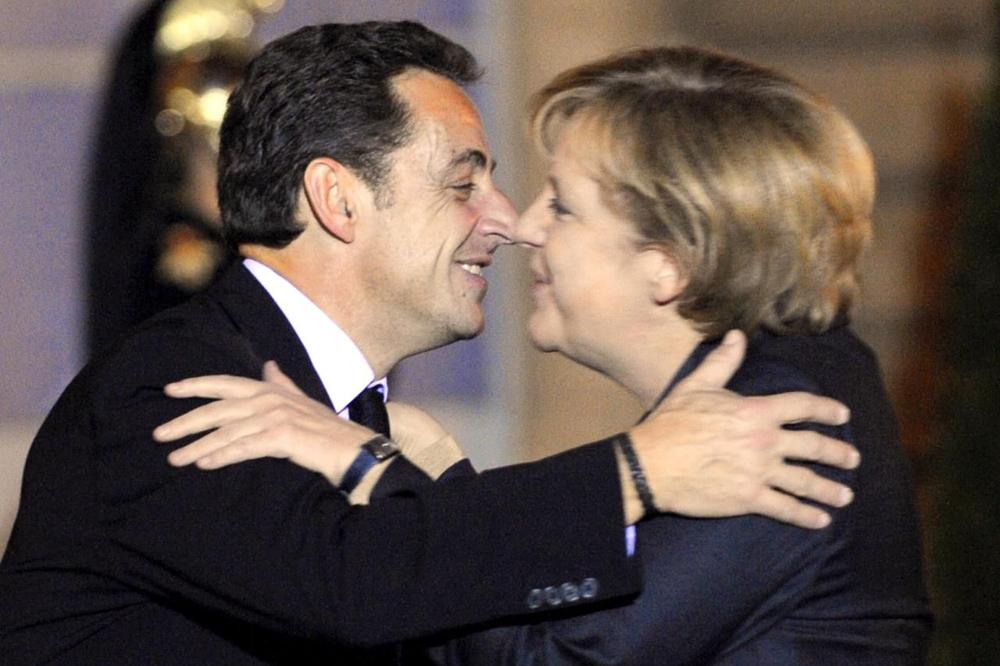
In most of France, the standard greeting between friends and family is two cheek kisses, one on each side, but the number jumps to three or four (and occasionally one) depending on which département you happen to be in. If you're new to France, the safest opening move is to follow the lead of the person greeting you, then memorize the local count for the area you've settled in.
Last updated: May 21, 2026
What La Bise Actually Is
La bise is not a kiss in the romantic sense. Cheeks touch lightly, and the lips make a small kissing sound in the air rather than pressing onto the other person's skin. Getting this part wrong is one of the fastest ways to mark yourself as foreign, since an actual lip-to-cheek contact reads as overly intimate or clumsy.
A few key points to internalize before you ever lean in:
- La bise is reserved for people you address with tu: family, friends, close colleagues, neighbors you know well. For anyone you address with vous, a handshake is the default.
- Hands generally stay at your sides or rest lightly on the other person's shoulder or upper arm. No hugging.
- The first encounter of the day triggers the bise. You don't redo it every time you cross paths in the same office or apartment building.
- When leaving, a second bise is common among close friends and family but optional with acquaintances.
The practice is older than most people assume. Romans codified three kinds of social kiss, but the custom faded in the 14th century during the Black Death and only became widespread in France again in the second half of the 20th century. In other words, even your French in-laws' grandparents may not have grown up doing it the way it's done today.
The Regional Map: How Many Bisous Where
There is no national rule. The most reliable data comes from two sources: the crowdsourced poll Combien de bises, launched in 2007 and still collecting votes by département, and linguist Mathieu Avanzi's survey of roughly 11,000 respondents published through Le français de nos régions. Both broadly agree on the following picture.
Region / area | Standard number of bises |
|---|---|
Paris and most of northern France | 2 |
Finistère (western Brittany) | 1 |
Deux-Sèvres (Poitou-Charentes) | 1 |
Marseille and surrounding Provence | 3 |
Southeastern départements (Ardèche, Aveyron, Cantal, Drôme, Gard, Hautes-Alpes, Haute-Loire, Hérault, Lozère, Vaucluse) | 3 |
Vienne and Charente | 3 |
Normandy, Loire region, Champagne-Ardenne block (22 départements including Calvados, Eure, Loiret, Maine-et-Loire, Manche, Marne, Mayenne, Orne, Sarthe) | 4 |
Pas-de-Calais (coastal pocket) | 4 |
Nice and parts of the western coast | 3 or 4 |
Corsica | 2 (first kiss on the left cheek) |
In Finistère and Deux-Sèvres, roughly half of respondents in the Français de nos régions survey reported doing only one bise. Everywhere else, one is rare enough that doing it will probably leave the other person reaching for a second.
The four-bise zone is generationally split. It's strongest among older people in eastern Brittany and the Loire region, with one curious hot spot of support among under-25s in the Champagne region. If you're under 30 and moving to Reims, four is more likely than you might guess.
Which Cheek First
The number of kisses isn't the only regional variable. The starting cheek changes too, and getting this wrong leads to the awkward face collision that foreigners dread.
- Most of France (north, west, southwest): present the right cheek first, meaning both people tilt their heads slightly to the left.
- Southeastern and eastern France: present the left cheek first, both heads tilt right.
- Corsica: left cheek first.
- Haute-Normandie: an exception within the right-cheek-first zone (lean as if you were further east).
- Swiss Romande (French-speaking Switzerland): right cheek first, an island within the otherwise left-first eastern zone, with three kisses standard.
In Avanzi's survey, 85% of respondents had a definite preference about which cheek goes first, so this is not something locals are vague about. If you tilt the wrong way, the other person will usually compensate, but expect a half-second of confusion.
Neighboring Countries and French-Speaking Regions
If you cross a border or move between French-speaking areas, the count resets:
- Belgium: one kiss. Nearly 100% of survey respondents agreed on this.
- Switzerland (Romande): three kisses.
- Quebec, North African Francophone countries, and other regions: practices vary widely and are not covered by the French regional surveys above. Watch and copy.
The verb for the action also shifts. In Normandy people say se boujouter (from boujou, a dialect form of bonjour). In part of Picardie it's baisse. In French-speaking Switzerland you might hear se faire un bec. In parts of eastern France where Germanic dialects were once spoken, schmoutz survives. Standard French uses faire la bise or se faire la bise.
When to Bise and When Not To
Number and direction matter, but knowing when not to attempt a bise at all matters more.
Bise is expected with:
- Close friends and their partners
- Family, including in-laws once you've been introduced
- Children of friends (they will often initiate)
- Close colleagues in informal contexts (lunch, after-work drinks, birthdays)
- Friends' parents after a first introduction, often initiated by them
Handshake or verbal greeting only:
- First-time professional meetings
- Clients, suppliers, civil servants, doctors, lawyers, notaires
- Anyone significantly senior to you in a work context until they signal otherwise
- Shop staff, restaurant servers, delivery people (a bonjour is enough and is non-negotiable)
- Anyone you sense is uncomfortable, including people from cultures where it isn't customary
Since the COVID-19 pandemic, la bise has cautiously returned in social settings but is markedly less common in offices. Many French workers now consider workplace bise unhygienic, and the #MeToo movement has further reduced acceptance of unsolicited workplace kissing, particularly with junior female colleagues. Between men in offices, the handshake remains the default. If in doubt at work, extend your hand first; nobody will be offended by a handshake.
For a deeper look at the underlying social codes (tu vs vous, bonjour, s'il vous plaît), see our French politeness and etiquette guide.
How to Actually Do It (Step by Step)
- Make eye contact and say bonjour (or salut with friends) as you approach. Skipping the verbal greeting is rude regardless of whether a bise follows.
- Read the lean. If the other person leans in with their head tilted, mirror them. If they extend a hand, shake it. If they stay still, stay still.
- Lead with the correct cheek for the region. Right cheek out (head tilted left) in most of France; left cheek out (head tilted right) in the southeast and Corsica.
- Touch cheeks lightly. A brushing contact, not a press. Lips do not touch skin.
- Make a soft kissing sound with your lips in the air, once per cheek.
- Repeat for the regional count. Two in Paris, three in Marseille, four in Caen, one in Brest.
- Step back slightly and continue the conversation. Don't linger in the close-contact zone.
If you wear glasses, tilt your head a little further to avoid frame collisions. If you have a cold, say so and offer a wave or elbow instead. Nobody will insist.
Common Pitfalls for Newcomers
- Initiating with a stranger or a professional contact. Wait to be invited. A handshake or a clear bonjour madame / monsieur is correct until you're sure.
- Pressing your lips to the cheek. This reads as either clumsy or flirtatious. Air kiss only.
- Hugging at the same time. Don't. Hands stay neutral.
- Doing too few in a four-kiss region. Pulling back after two in Normandy leaves the other person hanging.
- Doing too many in a one-kiss region. In Finistère, two kisses can feel performative.
- Forgetting to greet everyone in a small group. If you bise one person at a small gathering, you generally bise everyone (or wave at the whole group from the door). Skipping people is noticed.
- Bising at work without reading the room. In many post-2020 French offices, the bise is genuinely optional and increasingly avoided. Match the team's norm.
- Assuming Paris norms apply nationally. Two kisses is the most common count, but Paris is not the rule for Marseille, Lille, Rennes, or Strasbourg.
For more on navigating professional contexts in France, including when to switch from vous to tu, see our guide to French workplace and professional culture, and for phone and remote interactions, our French conversation phrases and social interactions primer.
FAQ
Is la bise mandatory?
No. It's customary, not legal or even universally expected. Anyone can decline politely with a smile, a wave, or an extended hand. Health concerns, personal preference, and cultural background are all accepted reasons.
Do men bise each other?
Within families and among very close friends, yes, particularly in southern France. In most other contexts, men shake hands with men. Men bise women and women bise women routinely once on familiar terms.
What about children?
French children bise relatives and close family friends from a young age, and many will spontaneously bise adult visitors they've met before. Don't force a bise on a child who doesn't want one.
How do I know the local count if I just moved?
Ask. On se fait combien de bises ici? ("How many bises do we do here?") is a perfectly normal question and usually gets a laugh. You can also check the crowdsourced map at combiendebises.com, which lets you click on any département to see current vote totals.
What if I move between regions often?
Default to the local count when you're in that region. With friends from another region who are visiting you, follow their count if they initiate.
Is the bise really back after COVID?
Largely yes, in private and social settings as of 2025 and into 2026. Workplaces are the main holdout, with handshakes and verbal greetings widely accepted as substitutes. For current respiratory-illness advisories, check Santé publique France (santepubliquefrance.fr).
Why three kisses in some places and four in others?
There's no single explanation. Tradition holds that four kisses ensure each person kisses both of the other's cheeks twice. One folk explanation for three kisses links it to 17th-century Protestant France and the Holy Trinity. The patterns we see today are mostly the accumulated habit of communities, mapped only recently by linguists and crowdsourced polls.
If you're settling in France, getting comfortable with everyday French (the bonjour, the small talk, the verbal half of greetings that surrounds every bise) will do more for your daily life than memorizing kiss counts ever could. Migaku is built to help you learn French from native shows, news, and YouTube, which is where you'll pick up the rhythm of real French social interaction.