How to Say Congratulations in French: Formal & Informal Ways
Last updated: April 2, 2026

Learning how to say congratulations in French opens up a whole world of celebratory moments you can share with native speakers. Whether you're cheering on a friend's promotion, celebrating a wedding, or acknowledging someone's achievement, learning the right French expressions makes all the difference. The good news? French has several ways to express congratulations, each fitting different situations and levels of formality. Let's dive into the most common expressions, when to use them, and how to pronounce them like a natural French speaker.
The main way to say congratulations in French
The most straightforward translation for congratulations in French is "félicitations." This word works in pretty much any celebratory context, from professional achievements to personal milestones. You'll hear it at graduations, weddings, job promotions, and basically any situation where someone accomplished something worth celebrating.
Félicitations comes from the verb "féliciter," which means "to congratulate." The pronunciation can trip up English speakers at first: it sounds like "fey-lee-see-tah-see-ohn." The stress falls evenly across the syllables, which is typical for French words. Unlike English, where we tend to emphasize one syllable heavily, French keeps things more balanced.
Here's the thing about félicitations: it's slightly formal but not stuffy. You can use it with your boss, your friends, your grandmother, or a stranger you just met. It's the safe choice when you want to congratulate someone but aren't sure which expression fits best.
Using bravo to congratulate someone
Bravo works exactly like it does in English, except the French actually use it way more often. It's enthusiastic, warm, and less formal than félicitations. You'll hear parents say it to kids who did well on a test, coaches say it to athletes after a good performance, or friends say it to each other after any small victory.
The pronunciation is simple: "brah-vo." Pretty much identical to English, though the French "r" sound comes from the back of the throat rather than rolling or tapping like in some other languages.
Bravo fits casual situations better than félicitations. It's the expression you'd use when your friend finally beats that difficult video game level, when your coworker nails a presentation, or when someone tells a really good joke. It carries genuine enthusiasm without feeling overly formal or stiff.
You can also combine it with other words for extra emphasis. "Bravo à toi!" means "Bravo to you!" and adds a personal touch. Some people double it up: "Bravo, bravo!" when they're really impressed.
Other French expressions for congratulations
French vocabulary offers several other ways to congratulate someone, each with its own flavor and appropriate context. Learning these gives you more flexibility in conversation and helps you sound more natural.
- "Chapeau" literally means "hat," but when you say it as an exclamation, it means something like "hats off to you" or "well done." It's informal and playful, perfect for friends and casual situations. The pronunciation is "shah-poh." You might hear this after someone pulls off something clever or impressive in a casual setting.
- "Bien joué" translates to "well played" and works great for games, sports, or situations where someone executed something skillfully. It's casual and friendly. You'd say this after a good move in a board game, a smart decision, or when someone handles a tricky situation well.
- "Mes compliments" means "my compliments" and sits somewhere between formal and casual. It's a bit old-fashioned but still used, especially by older French speakers. You might hear it at formal dinners or events.
- "Super" or "Génial" both mean "great" or "awesome" and work as quick, enthusiastic responses. They're very casual and common among younger speakers. "C'est super!" (That's great!) or "Génial!" (Awesome!) both express happiness about someone's good news.
French congratulations vocabulary for specific situations
Different achievements call for different expressions in French, just like in English. Knowing these specific phrases helps you sound more natural and shows cultural awareness.
For weddings, you'd typically say "Félicitations aux mariés!" (Congratulations to the newlyweds!) or "Tous mes vœux de bonheur!" (All my wishes for happiness!). The second expression is actually more common at French weddings than a direct translation of congratulations.
For births, French speakers usually say "Félicitations pour le bébé!" or "Toutes mes félicitations pour la naissance!" The word "naissance" means "birth," so you're congratulating them on the birth specifically.
When someone passes an exam, you might hear "Félicitations pour ton examen!" or simply "Bravo pour ton succès!" The word "succès" means "success" and works for any achievement.
For birthdays, here's where French gets interesting. The basic phrase "Joyeux anniversaire" means "Happy birthday," but in France, "anniversaire" specifically refers to birthdays.
Wedding anniversaries use "anniversaire de mariage."
Building your French vocabulary beyond basic congratulations
Once you've mastered the basic congratulations expressions, expanding your vocabulary helps you participate more fully in French conversations. The language offers rich ways to express joy, support, and celebration.
Learning related verbs gives you more flexibility.
French | English |
|---|---|
féliciter | To congratulate |
encourager | To encourage |
applaudir | To applaud |
célébrer | To celebrate |
Adjectives that describe achievements help too.
French | English |
|---|---|
formidable | Fantastic |
excellent | Excellent |
remarquable | Remarkable |
impressionnant | Impressive |
Practicing congratulations in real French conversations
Knowing the words is one thing, but using them naturally in conversation takes practice. The good news is that congratulatory expressions come up pretty regularly, giving you plenty of opportunities to practice.
- Start by using these expressions with other French learners. Language exchange partners or study groups provide a safe space to try out new vocabulary without pressure. You can congratulate each other on learning milestones, correct each other's pronunciation, and build confidence together.
- Online French communities offer another practice avenue. When someone posts about an achievement in a French learning forum or social media group, comment with an appropriate congratulatory expression. Written practice reinforces the spelling and helps you remember the phrases.
- If you have French-speaking friends or colleagues, look for natural moments to congratulate them. Did they mention finishing a project? "Félicitations pour ton projet!" Did they share good news? "C'est génial! Bravo!" These small interactions build your comfort level with the expressions.
- Watching French content and repeating the phrases helps with pronunciation and timing. When a character in a French show says "félicitations," pause and repeat it yourself. Match their intonation and rhythm. This mimicry technique works really well for internalizing natural pronunciation patterns.
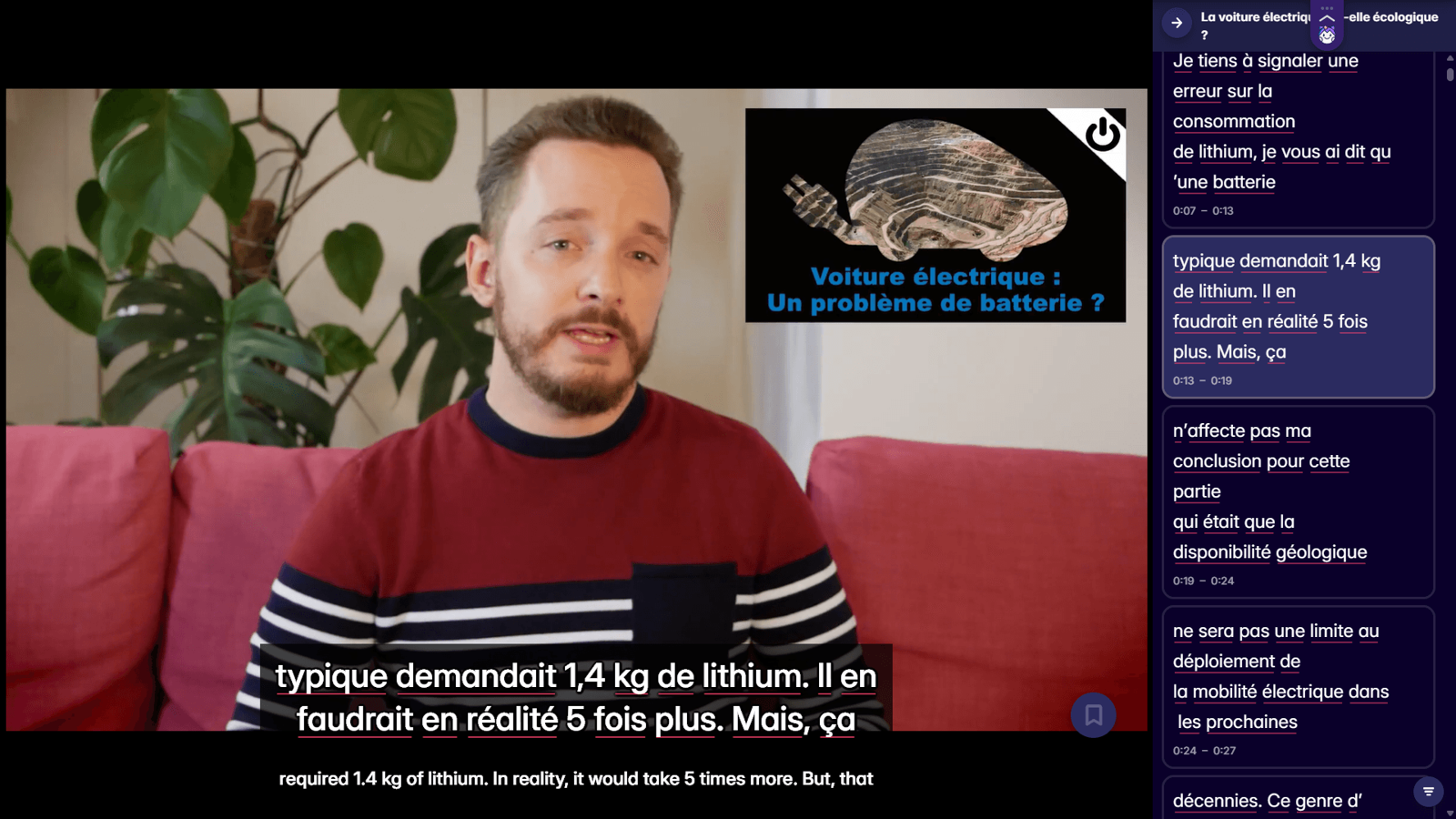
If you're serious about building your French vocabulary through real content, Migaku's browser extension and app let you look up words instantly while watching French shows or reading articles. Makes immersion learning way more practical. There's a 10-day free trial if you want to check it out.
Now you've got the basics, the next step is...
Reviewing what you learned today based on spaced repetition can help you retain new expressions way better. And if you want to level up your French beyond congratulations? Immersion works wonders for picking up natural expressions and vocabulary. It's a method that you should try out when learning the congratulation vocabulary, and adopt for your later language learning journey.
If you consume media in French, and you understand at least some of the messages and sentences within that media, you will make progress. Period.
Keep it up — your vocabulary is growing!💪