# How to Say Congratulations in Italian: Complete Guide to Complimenti, Congratulazioni, and Auguri
> Learn how to say congratulations in Italian with complimenti, congratulazioni, and auguri. Get pronunciation tips and know what to say for any occasion.
**URL:** https://migaku.com/blog/language-fun/congratulations-in-italian
**Last Updated:** 2026-03-26
**Tags:** vocabulary, phrases
---
So you want to congratulate someone in Italian? Maybe you've got an Italian friend who just landed a new job, or you're planning to attend a wedding in Rome, or you're just [learning Italian](https://migaku.com/learn-italian) and want to sound natural when celebrating good news. Whatever the reason, knowing how to properly say congratulations in Italian goes way beyond just memorizing one phrase. Italians have different expressions for different occasions, and using the right one shows you actually get the culture. Let's break down exactly what to say and when.
----
## The most common ways to say congratulations in Italian
Here's the thing about Italian congratulations: there isn't just one magic word that works everywhere. English speakers can basically say "congratulations" for everything from birthdays to promotions, but Italian splits these up into different phrases depending on what you're celebrating.
The three big ones you'll hear constantly are **complimenti**, **congratulazioni**, and **auguri**. Each has its own vibe and specific contexts where it fits best. If you only learn these three, you'll cover probably 90% of situations where you need to congratulate someone.
### Complimenti: The everyday winner
Complimenti is hands down the most versatile way to congratulate someone in Italian. You'll hear this all the time in casual conversations, and it works for tons of different achievements.
Use complimenti when someone does something well or achieves something noteworthy. Got a promotion? Complimenti. Finished a difficult project? Complimenti. Cooked an amazing dinner? Yep, complimenti works there too.
The pronunciation is pretty straightforward: com-plee-MEN-tee. The stress falls on that third syllable, which gives it a nice punch when you say it.
You can also make it more personal by adding **"per" (for)** and whatever they accomplished. Like "Complimenti per la laurea!" means "Congratulations on your degree!" or "Complimenti per il nuovo lavoro!" for "Congratulations on the new job!"
What makes complimenti so useful is that it works in both casual and somewhat formal situations. You can say it to your best friend or to a colleague you don't know super well. It's the safe choice when you're not sure which phrase to pick.
### Congratulazioni: The formal approach
Congratulazioni looks and sounds a lot like the English word "congratulations," and that's because they share the same Latin root. This is your go-to for more formal or serious achievements.
Think graduations, weddings, major career milestones, or official ceremonies. If someone just defended their PhD thesis or got elected to public office, congratulazioni is probably the better pick over complimenti.
Pronunciation: con-gra-too-la-tsee-OH-nee. It's a mouthful, but Italians say it smoothly with the emphasis on that "OH" syllable near the end.
You'll often see this written in cards or formal messages. It carries more weight than complimenti, so it can actually sound a bit stiff or overly serious for everyday achievements. Like, if your friend just made decent pasta for the first time, congratulazioni might come off as sarcastic or weirdly formal. Stick with complimenti for those moments.
### Auguri: Best wishes for special occasions
Auguri is the Italian word you use for birthdays, holidays, weddings, anniversaries, and other celebrations. It translates more closely to "best wishes" than "congratulations," but Italians use it constantly to congratulate someone on their special day.
Say it like this: ow-GOO-ree. The "ow" sounds like the English word "ouch" without the "ch."
- On someone's birthday, you'd say "Auguri!" or the full version "Tanti auguri!" (many wishes).
- For Christmas, "Auguri di Buon Natale!"
- For a wedding, "Auguri agli sposi!" (best wishes to the newlyweds).
Why do Italians say auguri so much? Because it's tied to the idea of wishing someone well for future happiness, not just acknowledging a past achievement. When you say auguri for a birthday, you're wishing them a good year ahead. For a wedding, you're wishing them happiness in their marriage.
This is why you wouldn't use auguri for something like a job promotion or winning a competition. Those call for complimenti or congratulazioni because they're about recognizing what someone already accomplished.
----
## Other useful congratulations phrases
Beyond the big three, Italian has some other expressions worth knowing. These add variety to your vocabulary and help you sound more natural.
### Bravo and brava
These are simple and sweet. **Bravo** (for males) or **brava** (for females) literally means "good" or "well done." You'd use this for performances, presentations, or when someone does something skillfully.
If your friend just gave a great speech, you could shout "Brava!" If multiple people did well, you'd say **"Bravi!"** for a mixed or all-male group, or **"Brave!"** for all females.
It's super casual and enthusiastic. Think of it like saying "Nice job!" in English.
### Felicitazioni
**Felicitazioni** is another formal way to say congratulations in Italian. It's pretty similar to congratulazioni in terms of formality and usage. You'll see it less often, but it works for the same kinds of serious achievements.
Some Italians use felicitazioni and congratulazioni interchangeably. Others feel like felicitazioni sounds slightly more heartfelt or personal, but honestly, both work fine for formal congratulations.
### Tanta felicità
This phrase means "much happiness" and works beautifully for weddings, engagements, or the birth of a baby. You're literally wishing someone lots of happiness in their new life chapter.
For a baby, you might say "Tanti auguri per il bebè!" (best wishes for the baby) or "Tanta felicità con il nuovo arrivato!" (much happiness with the new arrival).
----
## How to respond when someone congratulates you
When someone says complimenti, congratulazioni, or auguri to you, the simplest response is **"Grazie!"** (thank you). That works perfectly in any situation.
You can make it warmer with **"Grazie mille!"** (thanks a million) or **"Grazie di cuore!"** (thanks from the heart). If you want to be more elaborate, **"Grazie, sei molto gentile!"** means "Thank you, you're very kind!"
----
## Simple ways to practice saying congratulations
Want to get comfortable with these phrases? Here are some practical ways to practice.
1. First, [listen to native speakers](https://migaku.com/blog/language-fun/active-vs-passive-listening-language-learning). You can find tons of Italian YouTube videos, podcasts, or shows where people celebrate things. Pay attention to which word they use in which situation. You'll start noticing the patterns.
2. Second, use them in writing before you try speaking. Comment "Complimenti!" on an Italian cooking video or write "Auguri!" on a friend's birthday post. Writing it out helps cement the spelling and gives you low-pressure practice.
3. Third, say them out loud to yourself. Seriously, just practice the pronunciation while you're driving or cooking or whatever. Get your mouth used to forming those Italian sounds.
4. If you've got Italian-speaking friends, tell them you're learning these phrases and ask them to correct you if you use the wrong one. Most people are happy to help, and you'll learn way faster with real feedback.
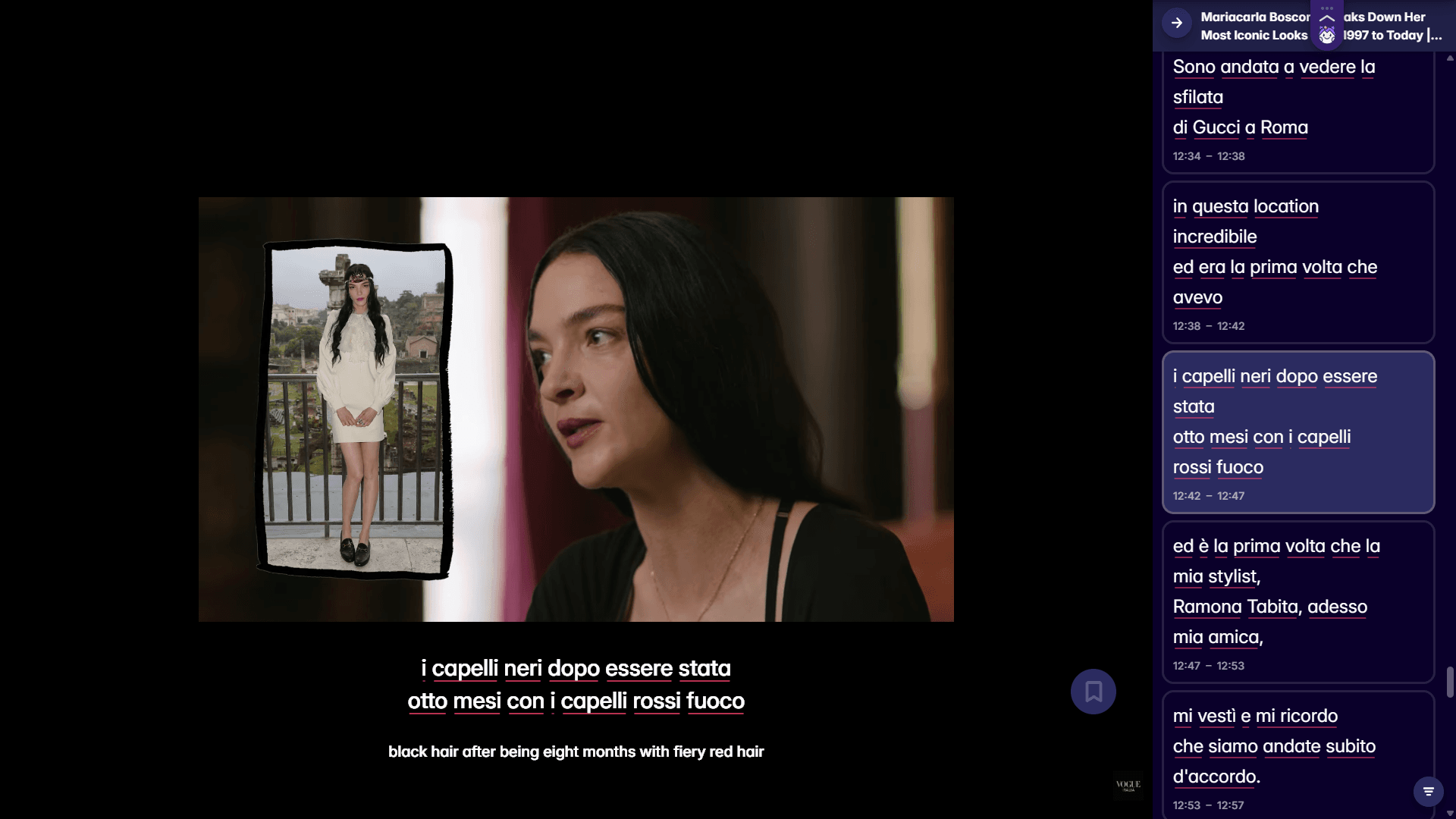
Anyway, if you're serious about learning Italian beyond just congratulations phrases, Migaku's browser extension and app let you look up words instantly while watching Italian shows or reading Italian websites. Makes [immersion learning](https://migaku.com/blog/language-fun/comprehensible-input-method-language-learning) way more practical. There's a 10-day free trial if you want to check it out.
 ----
## Italians also tend to be pretty effusive with congratulations
Don't be surprised if someone says complimenti multiple times in one conversation or really emphasizes it with hand gestures. That's just the culture. Celebrations and recognition matter, and people express them openly. That also stresses the importance of getting the key phrases for congratulations right as Italian learners. If you still feel unsure about matching phrases to situations, consume more Italian media and pay attention to when the native speakers make heartfelt congratulations. You will make progress with time.
> If you consume media in Italian, and you understand at least some of the messages and sentences within that media, you will make progress. _Period_.
Learn what to say, and when.
----
## Italians also tend to be pretty effusive with congratulations
Don't be surprised if someone says complimenti multiple times in one conversation or really emphasizes it with hand gestures. That's just the culture. Celebrations and recognition matter, and people express them openly. That also stresses the importance of getting the key phrases for congratulations right as Italian learners. If you still feel unsure about matching phrases to situations, consume more Italian media and pay attention to when the native speakers make heartfelt congratulations. You will make progress with time.
> If you consume media in Italian, and you understand at least some of the messages and sentences within that media, you will make progress. _Period_.
Learn what to say, and when.