English Internet Slang: Common Internet Abbreviations and Acronyms
Last updated: March 30, 2026
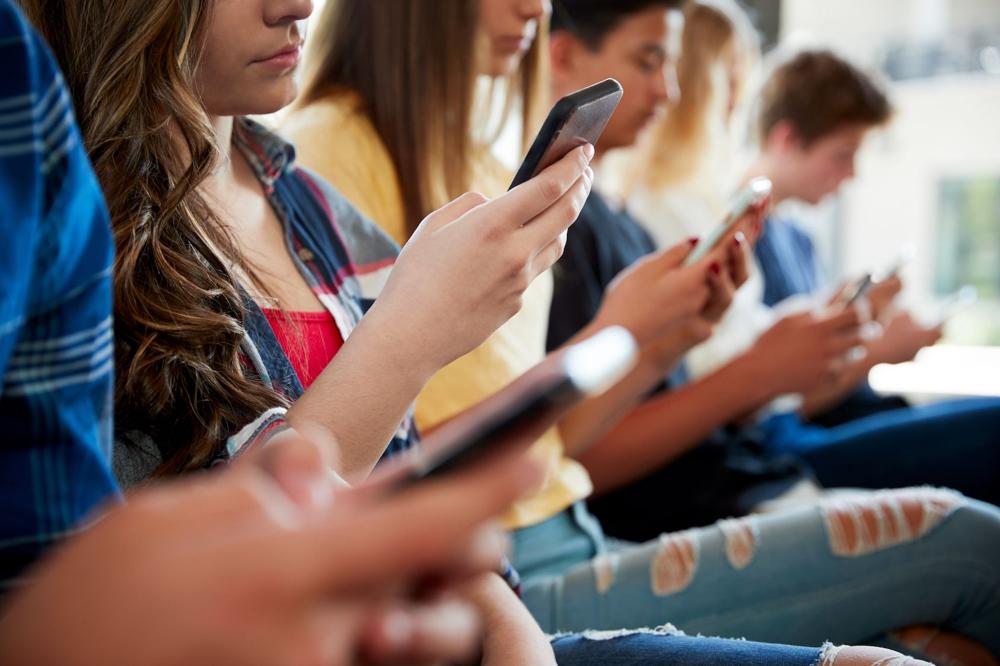
If you've spent any time online in English-speaking spaces, you've probably seen abbreviations and slang that are not covered by English learning courses. Maybe someone typed "IYKYK" and you had no idea what they meant, or you saw "NGL" and wondered if it was a typo. English internet slang evolves faster than any dictionary can keep up with, and what was popular last year might already feel outdated. This guide covers the most common internet slang and abbreviations you'll actually see in 2026, plus where they come from and how to use them without looking totally out of touch.
- Where does internet slang come from
- Common internet slang abbreviations you need to know
- Slang terms from social media platforms
- Acronyms for reactions and emotions
- Understanding slang that might be NSFW
- English internet slang from gaming and streaming culture
- Popular internet slang that emerged recently
- How to use internet slang in daily English conversation
Where does internet slang come from
Here's the thing about internet slang: it doesn't just appear out of nowhere. Most of these terms started in specific online communities before spreading everywhere. Gaming forums gave us terms like "GG" (good game) and "noob," while early chat rooms created abbreviations like "BRB" (be right back) because people were typing on slow keyboards and wanted to save time.
Social media platforms each developed their own slang ecosystems, too.
- Twitter's character limit made abbreviations essential.
- TikTok created entirely new slang terms that spread to Instagram and then to everyday conversation.
- Reddit has its own vocabulary that can feel like a completely different language if you're new there.
The speed at which slang spreads now is pretty wild. A phrase can go from a niche subreddit to mainstream use in weeks. By 2026, we saw slang terms moving from online to offline faster than ever before, with people using internet abbreviations in actual spoken conversations.
Common internet slang abbreviations you need to know
Let's start with the basics. These are the abbreviations you'll see constantly across almost every platform.
- LOL (laughing out loud) is probably the most recognizable internet acronym ever created. People use it even when they're barely smiling, which is kind of funny in itself. You'll also see variations like LMAO (laughing my ass off) and ROFL (rolling on floor laughing), though ROFL feels a bit dated now.
- BRB (be right back) and AFK (away from keyboard) both come from early chat room culture. People still use BRB all the time, but AFK mostly survives in gaming communities these days.
- IMO (in my opinion) and IMHO (in my humble opinion) show up in discussions where people want to soften their statements. The "humble" version always seemed ironic to me, since people usually use it right before stating a very strong opinion.
- TBH (to be honest) became massive around 2015 and never really left. You'll see it starting sentences everywhere: "TBH, I didn't think that movie was good."
- IDK (I don't know) and IDC (I don't care) are super common in casual conversations. They're efficient and get the point across without seeming too formal.
Slang terms from social media platforms
Different platforms developed their own vocabulary, and understanding where slang comes from helps you use it correctly.
- FYP (For You Page) is TikTok-specific slang. People comment "see you on the FYP" when they think a video will go viral. If you're not on TikTok much, you probably won't need this one.
- RT (retweet) started on Twitter but people now use it to mean "I agree" or "same here" even outside the platform. You might see someone comment "RT" under a post they strongly agree with.
- DM (direct message) works across every platform now. "DM me" means send a private message, whether that's on Instagram, Twitter, Facebook, or anywhere else.
- OP (original poster) comes from Reddit and forum culture. It refers to whoever started the thread or conversation. You'll see comments like "OP is right about this" all over Reddit and increasingly on other platforms too.
Acronyms for reactions and emotions
These acronyms express feelings quickly, which is pretty useful when you're typing on a phone.
- SMH (shaking my head) shows disappointment or disbelief. "He really said that? SMH" conveys your reaction without needing a paragraph.
- FOMO (fear of missing out) entered mainstream vocabulary so thoroughly that people use it in regular conversation now. It describes that anxious feeling when you see everyone else doing something fun.
- YOLO (you only live once) peaked around 2013 but still shows up occasionally. It's what people say before making questionable decisions, honestly.
- TFW (that feeling when) and MFW (my face when) usually accompany memes or reactions. "TFW you realize it's Monday tomorrow" captures a specific relatable emotion.
- NGL (not gonna lie) works similarly to TBH. People use it before admitting something: "NGL, I actually liked that song."
Understanding slang that might be NSFW
Some internet slang falls into categories you should be aware of before using them at work.
- NSFW (not safe for work) itself is an important acronym that warns people content might be inappropriate for professional settings.
- NSFL (not safe for life) is even more extreme, warning that content is disturbing or graphic. You'll mostly see this on Reddit when people are being considerate about triggering content.
- The opposite is SFW (safe for work), which reassures people that a link or image is totally fine to open anywhere.
Knowing these warnings matters because clicking the wrong link in a work environment can be genuinely embarrassing. The internet developed this slang specifically to help people navigate content appropriately.
English internet slang from gaming and streaming culture
Gaming communities created tons of slang that spread beyond just gamers.
- GG (good game) shows sportsmanship after a match. People expanded it to mean "well done" or even "I give up" depending on context. "GG no re" means "good game, no rematch" when someone wins decisively.
- AFK (away from keyboard) tells teammates you're stepping away. In fast-paced games, going AFK without warning is considered pretty rude.
- Noob (newbie) describes inexperienced players. It can be neutral or insulting depending on tone. The intentional misspelling "n00b" feels very 2000s now.
- OP in gaming means "overpowered," which is different from its forum meaning. An OP character or weapon is too strong and probably needs balancing.
- F (pay respects) comes from a video game prompt and became a meme. People type "F" to show sympathy or acknowledge that something unfortunate has happened. It's simultaneously sincere and ironic.
Popular internet slang that emerged recently
Language evolves constantly, and 2026 brought new slang while retiring some older terms.
- IYKYK (if you know, you know) implies insider knowledge. People use it when referencing something that only certain people will understand. It can feel a bit exclusive, which is kind of the point.
- Periodt (with a T) emphasizes a statement as final and true. It's an evolution of "period" used the same way. "That outfit is amazing, periodt."
- Bussin describes something really good, especially food. "This pizza is bussin" means it tastes great. It spread from AAVE (African American Vernacular English) to mainstream internet use.
- No cap means "no lie" or "for real." The opposite, "cap," means lying. "That's cap" = "that's a lie." Understanding this slang helps you follow a lot of modern internet conversations.
- Slaps describes music that's really good. "This song slaps" is high praise in music communities.
How to use internet slang in daily English conversation
Knowing what slang means is different from using it naturally. Context matters a lot here.
- First, consider your audience. Using heavy internet slang with people who aren't extremely online will just confuse them. Your grandmother probably doesn't need you to say "NGL, this dinner slaps, periodt."
- Platform matters too. Reddit slang might feel weird on LinkedIn. Professional spaces generally call for minimal slang, even in casual conversations with coworkers.
- Timing is everything. Some slang terms have short lifespans. Using outdated slang makes you seem out of touch, which is ironic since you're trying to seem current. By 2026, terms like "on fleek" or "bae" feel ancient even though they were everywhere just a few years ago.
- The safest approach is to use slang you've seen multiple times in contexts similar to where you want to use it. If you're not sure, standard English always works fine. Nobody judges you for typing out "in my opinion" instead of "IMO."
If you're learning English through immersion and want to actually save these slang terms when you encounter them, Migaku's browser extension and app let you create flashcards instantly from any content you're reading or watching. Makes it way easier to remember the difference between all these acronyms. There's a 10-day free trial if you want to check it out.

Your English slang dictionary is never really complete
Learning internet slang is an ongoing process, not a one-time thing. New terms emerge constantly while others fade away. What matters most is keeping yourself updated by going through social media, trending videos, and actually trying to text native speakers. If you're on Reddit daily, learn Reddit terminology. If TikTok is your thing, focus on what's current there.
If you consume media in English, and you understand at least some of the messages and sentences within that media, you will make progress. Period.
Stay curious, stay on trend.🔍