French Restaurant Phrases: Useful French Phrases for Dining Out
Last updated: March 31, 2026
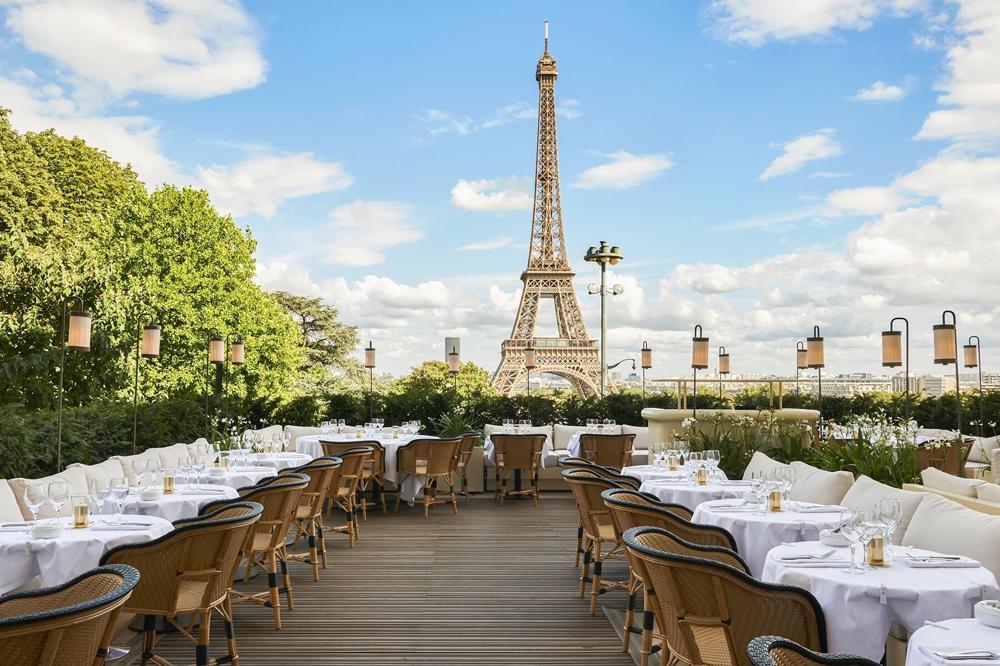
You've been dreaming about that trip to Paris, imagining yourself at a cozy bistro ordering escargots and sipping wine. But when you actually sit down at a French restaurant, panic sets in. What do you say to the waiter? How do you ask for the menu without sounding like a complete tourist? Good news: ordering food in French doesn't require fluency. You just need to learn French restaurant phrases and expressions. This guide walks you through every step of a restaurant visit in France, from walking in the door to paying the bill.
- Getting a table and making reservations
- Understanding the French menu
- French restaurant phrases for ordering your meal
- During your meal at a restaurant in France
- Asking for the check and understanding tipping
- Ordering at cafes and getting takeout
- Regional variations and Quebec French
- Practical tips for using French phrases successfully
Getting a table and making reservations
Walking into a French restaurant without a reservation can be tricky, especially during peak hours. The first phrase you'll need is "Bonjour" when you enter. Always greet the host or waiter first. French dining culture takes politeness seriously, and skipping this greeting marks you as rude before you even sit down.
If you need a table, say "Une table pour deux personnes, s'il vous plaît" (A table for two people, please). Replace "deux" with whatever number you need: trois (three), quatre (four), cinq (five). The phrase "une table pour" is your go-to for requesting seating.
Making a phone reservation? Start with "Bonjour, je voudrais réserver une table pour ce soir" (Hello, I would like to reserve a table for this evening). They'll ask you how many people and what time. You can respond with "Pour quatre personnes à vingt heures" (For four people at 8 PM). French restaurants typically use 24-hour time, so 8 PM becomes vingt heures (20:00).
Understanding the French menu
French menus follow a different structure from American ones. You'll typically see:
French | English |
|---|---|
entrées | Starters (not main courses) |
plats principaux / plats | Main dishes |
fromages | Cheese course |
desserts | Desserts |
menu du jour | Menu of the day |
formule | Set menu (multiple courses at a fixed price) |
When the waiter brings the menu, they might ask "Voulez-vous voir la carte?" (Would you like to see the menu?). The word "carte" refers to the full à la carte menu, while "menu" usually means the fixed-price option. Pretty confusing for English speakers!
If you need help understanding something, ask "Qu'est-ce que c'est?" (What is this?) while pointing at the item. The waiter will explain.
You can also ask "Quelle est la spécialité de la maison?" (What is the house specialty?) to get recommendations.
Wine gets its own separate menu called "la carte des vins." If you want house wine, ask for "un verre de vin rouge" (a glass of red wine) or "une carafe de vin blanc" (a carafe of white wine). A carafe typically holds about half a liter.
French restaurant phrases for ordering your meal
Once you've decided what to eat, the waiter will approach and ask "Vous avez choisi?" (Have you chosen?) or "Vous êtes prêts à commander?" (Are you ready to order?). If you need more time, say "Pas encore, quelques minutes s'il vous plaît" (Not yet, a few minutes please).
When you're ready, start with "Je voudrais" (I would like) or "Je prends" (I'll take). For example: "Je voudrais le steak-frites, s'il vous plaît" or "Je prends la soupe à l'oignon." The phrase "s'il vous plaît" should appear frequently in your conversations with the waiter. It's the polite form of "please" and shows respect.
The waiter might ask "Et comme boisson?" (And to drink?). You can respond with "Une bouteille d'eau, s'il vous plaît" (A bottle of water, please) or "Un verre de vin rouge" (A glass of red wine).
For your steak, they'll ask about cooking preference: "Quelle cuisson?" You can answer "Saignant" (rare), "À point" (medium), or "Bien cuit" (well done). French steaks tend to come rarer than American ones, so order one level more cooked than you usually prefer.
During your meal at a restaurant in France
French service operates differently from American service. The waiter won't check on you every five minutes. They consider constant interruptions rude and assume you'll call them when you need something. To get their attention, make eye contact and raise your hand slightly, or say "Excusez-moi" when they pass by.
If you need something extra, these French phrases help: "Pourriez-vous m'apporter du pain, s'il vous plaît?" (Could you bring me some bread, please?) or "Je voudrais encore de l'eau" (I would like more water). Bread and tap water ("une carafe d'eau") are free at French restaurants.
If something's wrong with your food, speak up politely: "Excusez-moi, mais ce n'est pas ce que j'ai commandé" (Excuse me, but this isn't what I ordered) or "Ma viande est trop cuite" (My meat is overcooked). French restaurants take pride in their food and will usually fix problems quickly.
Between courses, the waiter might ask "Ça s'est bien passé?" (Did everything go well?) or "C'était bon?" (Was it good?). A simple "Oui, très bon, merci" (Yes, very good, thank you) works perfectly.
Asking for the check and understanding tipping
When you're finished eating, you'll need to request the bill. The waiter won't bring it automatically because lingering at the table is normal in French culture. Say "L'addition, s'il vous plaît" (The check, please) or "Je voudrais payer, s'il vous plaît" (I would like to pay, please).
The waiter will bring a small tray or folder with the bill. Service is included in French restaurants (It says "service compris" on the menu), so tipping isn't mandatory like in the US. However, leaving a few euros for good service is appreciated. Round up to the nearest convenient number or leave 5-10% for exceptional service.
If you want to split the bill, ask "On peut payer séparément?" (Can we pay separately?). Some restaurants accommodate this, others don't. Alternatively, say "On partage l'addition" (We're splitting the bill) and figure it out among yourselves.
Paying by card? Ask "Vous acceptez les cartes?" (Do you accept cards?). Most French restaurants do, but small neighborhood places might be cash-only. When the waiter brings the card reader, they'll often hand it to you rather than take your card away.
If you want a receipt, request "Un reçu, s'il vous plaît" (A receipt, please). For business meals, you might need "Une facture détaillée" (An itemized invoice).
Ordering at cafes and getting takeout
Cafes operate more casually than full restaurants. You can often order at the counter or grab a table and wait for service. Prices differ depending on whether you sit at the bar ("au comptoir"), on the terrace ("en terrasse"), or inside at a table. The counter is cheapest.
Common cafe orders include "Un café, s'il vous plaît" (A coffee, please), "Un crème" (coffee with milk), or "Un thé au lait" (tea with milk). For food, try "Un croissant" or "Un pain au chocolat." You can also ask "Qu'est-ce que vous avez comme pâtisseries?" (What pastries do you have?).
Takeout is less common in France than in the US, but it exists. Ask "C'est possible à emporter?" (Is it possible for takeout?). Some restaurants offer "vente à emporter" (takeout sales). You might hear the waiter or waitress say "Pour ici ou à emporter?" (For here or to go?).
Fast-casual places and bakeries make takeout easier. At a boulangerie, point to what you want and say "Je voudrais ça, s'il vous plaît" (I would like that, please). They'll ask "Avec ceci?" (Anything else?). When you're done, say "C'est tout, merci" (That's all, thank you).
Regional variations and Quebec French
France has regional dining customs. In the south, meals start later and last longer. In Brittany, you'll find crêperies with their own vocabulary: "une galette" (savory buckwheat crepe) versus "une crêpe" (sweet wheat crepe).
Quebec French uses different restaurant phrases. Instead of "l'addition," Quebecers say "la facture." A waiter might be called "un serveur" in both places, but you'll hear "la waitresse" (from English "waitress") more often in Quebec. They also use "bienvenue" to mean "you're welcome," while in France it only means "welcome."
In Quebec, "une table pour" works the same way, but you might hear "une table d'hôte" (table d'hôte) for the fixed-price menu more often than "menu du jour."
The formal "vous" versus informal "tu" matters everywhere French is spoken. Always use "vous" with restaurant staff unless they're close friends. "S'il vous plaît" is the formal "please," while "s'il te plaît" is informal. Stick with "vous" forms.
Practical tips for using French phrases successfully
- Learn French pronunciation basics before your trip. The phrase "s'il vous plaît" sounds like "seal voo play," not "sill voos plate." Getting the nasal vowels right in words like "vin" and "pain" helps servers understand you faster.
- Write down your dietary restrictions in French before you go. Having "Je suis allergique aux fruits de mer" (I'm allergic to seafood) written clearly prevents dangerous miscommunications.
- Combine pointing with phrases. Say "Je voudrais ça, s'il vous plaît" while pointing at the menu. Physical gestures bridge language gaps.
- If you're completely lost, "Parlez-vous anglais?" (Do you speak English?) is acceptable. Many waiters in tourist areas speak some English, though they prefer you try French first.
If you want to level up beyond restaurant phrases, Migaku's browser extension and app let you learn from actual French content like cooking shows and food blogs. You can save phrases directly to your flashcards while watching real French people order meals. There's a 10-day free trial if you want to check it out.
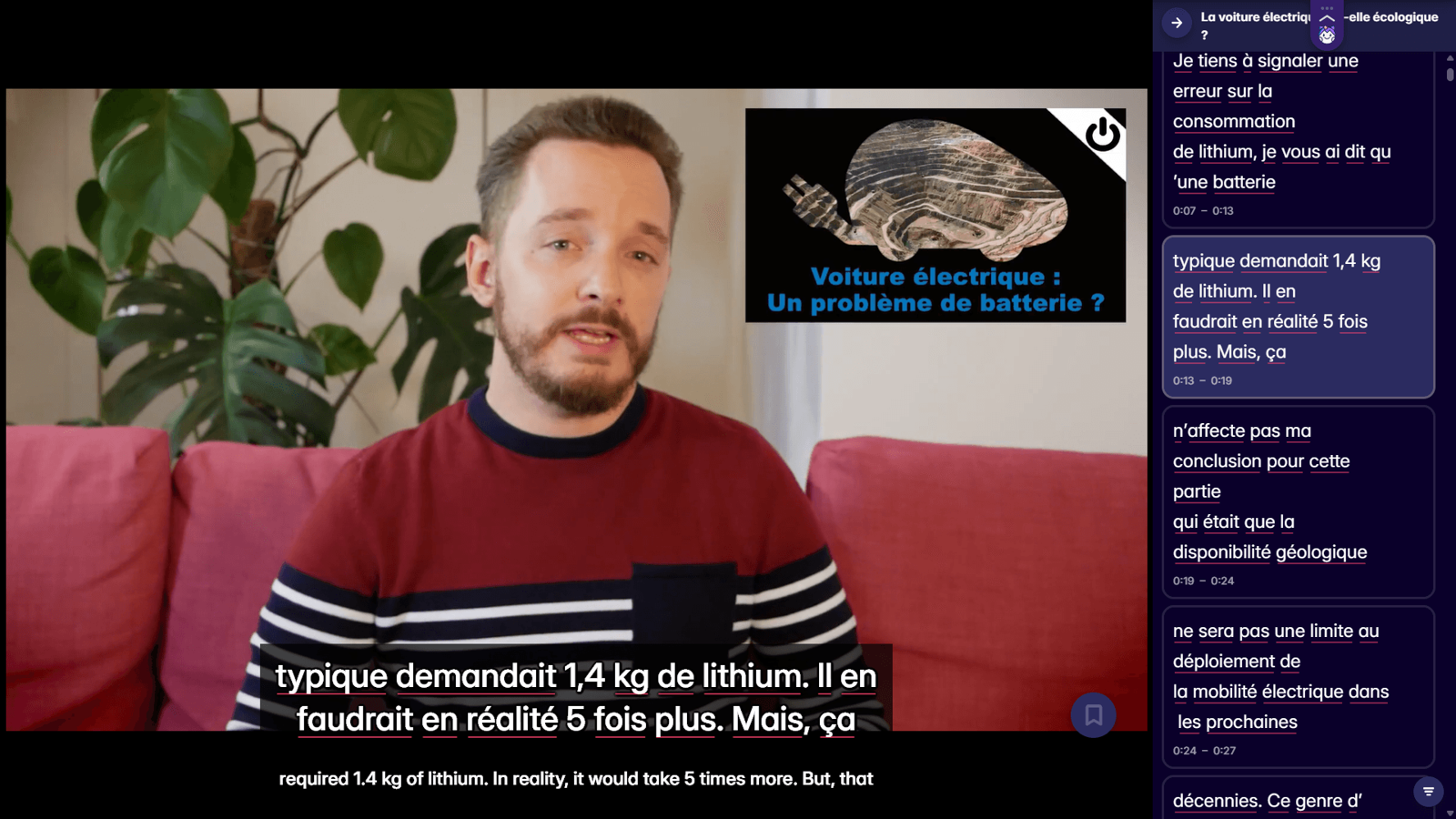
You don't need to learn French language fluently to enjoy your meal
These essential phrases get you through most situations: greet with "Bonjour," request with "Je voudrais," thank with "Merci," and apologize with "Excusez-moi." Add "s'il vous plaît" to everything, and you're golden. On top of that, read through French menus and watch several French dining vlogs. You will be more than prepared to order in France.
If you consume media in French, and you understand at least some of the messages and sentences within that media, you will make progress. Period.
Progress matters more than perfect preparation.😋🥐