# German Texting Slang: German Internet Slang and Abbreviations Explained
> Learn the most common German texting slang and abbreviations like hdl, lg, and kp. Understand how Germans text and chat online in 2026.
**URL:** https://migaku.com/blog/language-fun/german-texting-slang
**Last Updated:** 2026-03-08
**Tags:** vocabulary, culture, phrases
---
If you've ever gotten a text from a German friend and stared at your screen wondering what "hdl" or "kp" means, you're definitely not alone. German texting slang can feel like a completely different language when you're first [learning German](https://migaku.com/learn-german), but here's the thing: once you crack the code, it makes conversations way easier to follow. Germans love abbreviating things in texts just as much as English speakers do, and they've developed their own unique shortcuts mixed with some borrowed English terms. Let's break down the most common abbreviations you'll see popping up in WhatsApp chats, Instagram DMs, and pretty much anywhere Germans are typing casually.
---
## Common German abbreviations you'll see everywhere
Let's start with the basics. These are the abbreviations that show up constantly in German texting, so you'll want to memorize them pretty quickly.
### Farewells and greetings
- **"lg"** stands for "Liebe Grüße," which translates to "kind regards" or "best wishes." You'll see this one at the end of messages all the time. It's friendly without being too formal, perfect for acquaintances, coworkers, or friends.
- **"bb"** means "bis bald," literally "see you soon." Pretty straightforward, and Germans borrowed this one partly because "bb" also works as "bye bye" in English, so it does double duty.
- **"bd"** is "bis dann," meaning "see you then" or "until then." Use this when you've made plans and you're wrapping up the conversation.
- **"gn8"** is a clever one. It's "gute Nacht" (Good night), where the "8" is pronounced "acht" in German. So "gn" plus "8" sounds like "gute Nacht" when you say it out loud. Germans love these phonetic abbreviations.
- **"mfg"** stands for "Mit freundlichen Grüßen," which is "with kind regards." This one's more formal, so you'd use it in professional emails or texts with people you don't know well. Honestly, it feels a bit stiff for casual texting.
### Affectionate expressions
Here's where German texting slang gets kind of sweet. Germans have specific abbreviations for showing affection that you won't find in English.
- **"hdl"** means "hab dich lieb," which translates roughly to "love you" but in a friendly, platonic way. You'd use this with close friends or family members. It's warm without being romantic.
- **"ild"** is "ich liebe dich," the actual "I love you" for romantic relationships. This one's more serious than hdl, so don't mix them up unless you want to send the wrong message.
- **"bussi"** isn't an abbreviation exactly, but it's slang for a little kiss, like "xoxo" in English. You'll see it with hearts or at the end of messages between close friends or partners.
- **"hdgdl"** is the extended version: "hab dich ganz doll lieb," meaning "love you very much." It's like hdl but turned up a notch. Teenagers use this one a lot.
### Casual responses and reactions
When you need to respond quickly or don't have much to say, these abbreviations come in handy.
- **"ka"** stands for "keine Ahnung," literally "no idea." If someone asks you a question and you genuinely don't know, just type "ka" and you're good.
- **"kp"** means "kein Plan," which also translates to "no idea" or "no clue." It's basically interchangeable with ka. Some people prefer one over the other, but they mean the same thing.
- **"ak"** is "alles klar," meaning "all clear" or "got it." Use this to confirm you understood something or to acknowledge what someone said.
- **"vlg"** stands for "viele liebe Grüße," which means "many kind regards." It's like lg but with extra warmth. Good for ending messages to people you care about.
- **"gw"** means "gern geschehen" (You're welcome) or sometimes "gute Woche" (Good week), depending on context. You'll figure out which one from the conversation.
---
## Common German words that get shortened
Beyond standard abbreviations, Germans also shorten regular words in casual texting.
- **"Bisschen"** (a little bit) becomes "bissi" or just "bissl." You'll see "bis" (until) combined with other words constantly, like "bis später" shortened to "bisi" sometimes, though that's less common.
- **"Dich"** (you, accusative) appears in several abbreviations we've covered, like hdl and ild. It's one of those words that's already short but gets abbreviated further when combined with other words.
- **"Liebe"** (love) shows up in lg, vlg, hdl, and other affectionate expressions. It's a versatile word that Germans use in both romantic and platonic contexts, which is why the distinction between hdl and ild matters.
- **"Hab"** (have) from "haben" gets used in "hab dich lieb" and similar phrases. In casual speech, Germans already drop syllables from "haben," so texting takes it even further.
---
## Borrowed English slang in German texting
Germans don't just stick to their own language when texting. They've adopted a bunch of English abbreviations and use them constantly, sometimes even more than native English speakers do.
- **"lol"** works exactly the same in German as in English. Laughing out loud, though Germans might say "laughing out loud" in their heads or just think of it as a reaction to something funny. Either way, you'll see "lol" everywhere.
- **"omg"** (Oh my god) shows up all the time too. Germans will type "omg" in the middle of German sentences without thinking twice about it. The internet has made these English expressions universal.
- **"btw"** (by the way) gets used frequently in German chats. Sometimes you'll even see people mix it into otherwise completely German sentences, like "Ich komme btw später" (I'm coming later btw).
- **"wtf"** appears when Germans are confused or shocked, just like in English. The meaning translates across languages pretty easily.
- **"thx" or "ty" for "thanks" or "thank you"** pop up occasionally, though Germans also have "danke" which is already short, so these English versions are less common than lol or omg.
---
## How to rizz up with German internet slang
If you're trying to flirt or be charming in German texts, knowing the right slang definitely helps. Using "hdl" too early might seem overly familiar, so save that for when you actually know someone well.
Compliments work better than abbreviations for flirting, honestly. But if you want to keep things light and playful, throwing in some casual German slang shows you're comfortable with the language. Using **"süß"** (cute) or **"cool"** in response to photos works well.
The **"bussi"** I mentioned earlier can be flirty depending on context and how many heart emojis you include. But German flirting tends to be pretty direct compared to English, so don't overthink the slang part. Just be genuine and maybe learn some actual compliments beyond abbreviations.
---
## Using German texting slang naturally
1. The [best way to learn](https://migaku.com/blog/language-fun/best-language-learning-methods) these abbreviations is by seeing them in context. When you're chatting with German friends or following German accounts on social media, pay attention to which shortcuts appear most frequently.
2. Don't force yourself to use every abbreviation you learn. Pick the ones that feel natural and fit your texting style. If you normally type in full sentences in English, you don't need to suddenly become an abbreviation machine in German.
3. Start with the basic farewells like lg and bb. Those are easy to incorporate at the end of messages. Then add in the casual responses like ka or kp when they fit naturally. The affectionate ones like hdl will come up organically if you're texting close friends.
4. Reading German subreddits, Discord servers, or WhatsApp groups will expose you to tons of real examples. You'll start recognizing patterns and understanding when each abbreviation makes sense.
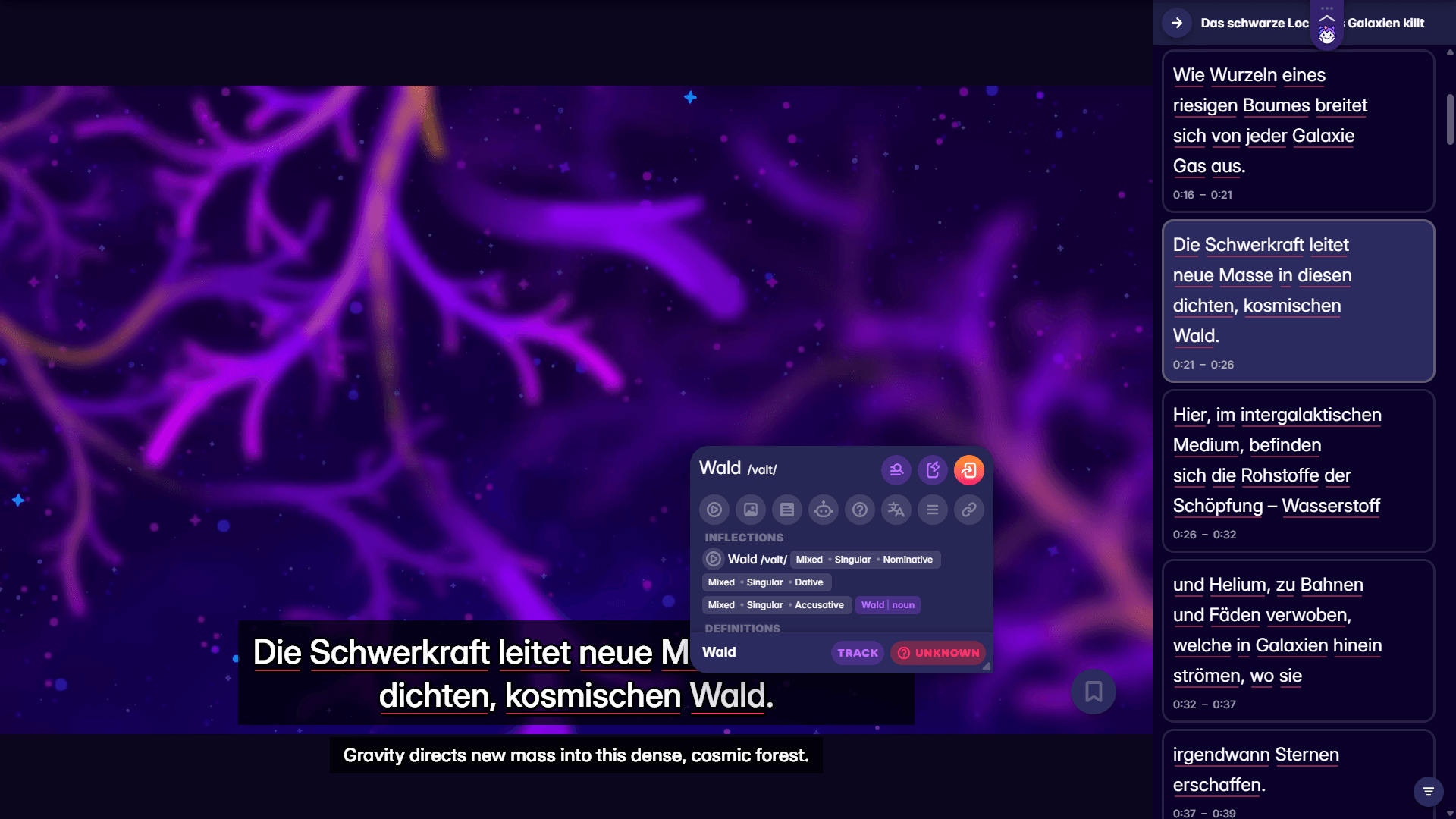
Anyway, if you want to practice reading real German content and picking up natural language like these texting abbreviations, Migaku's browser extension and app let you look up words instantly while browsing German websites or social media. Makes learning from authentic content way more practical. There's a 10-day free trial if you want to check it out.
 ---
## FAQs
Using abbreviations in German texts isn't considered rude or improper in casual contexts. Germans expect informal language in personal chats, and using these shortcuts actually shows you understand how digital communication works in German culture.
---
## Learning to text in German is a great way to practice
Textbooks usually skip informal expressions, but if you try to text, you'll pick up on how Germans communicate day-to-day, which is super valuable if you want to sound natural. As you [learn German through immersion](https://migaku.com/blog/language-fun/comprehensible-input-method-language-learning), adding texting practice helps reinforce vocabulary and common phrases. When you see text messages in dramas and movies, you can also pause and try to decode them, as sometimes subtitles do not translate them properly.
> If you consume media in German, and you understand at least some of the messages and sentences within that media, you will make progress. _Period_.
New methods can give you more inspiration!✨🧠
---
## FAQs
Using abbreviations in German texts isn't considered rude or improper in casual contexts. Germans expect informal language in personal chats, and using these shortcuts actually shows you understand how digital communication works in German culture.
---
## Learning to text in German is a great way to practice
Textbooks usually skip informal expressions, but if you try to text, you'll pick up on how Germans communicate day-to-day, which is super valuable if you want to sound natural. As you [learn German through immersion](https://migaku.com/blog/language-fun/comprehensible-input-method-language-learning), adding texting practice helps reinforce vocabulary and common phrases. When you see text messages in dramas and movies, you can also pause and try to decode them, as sometimes subtitles do not translate them properly.
> If you consume media in German, and you understand at least some of the messages and sentences within that media, you will make progress. _Period_.
New methods can give you more inspiration!✨🧠