Getting Around Mexico City: Metro, Metrobús, and Cabify
Last updated: May 20, 2026
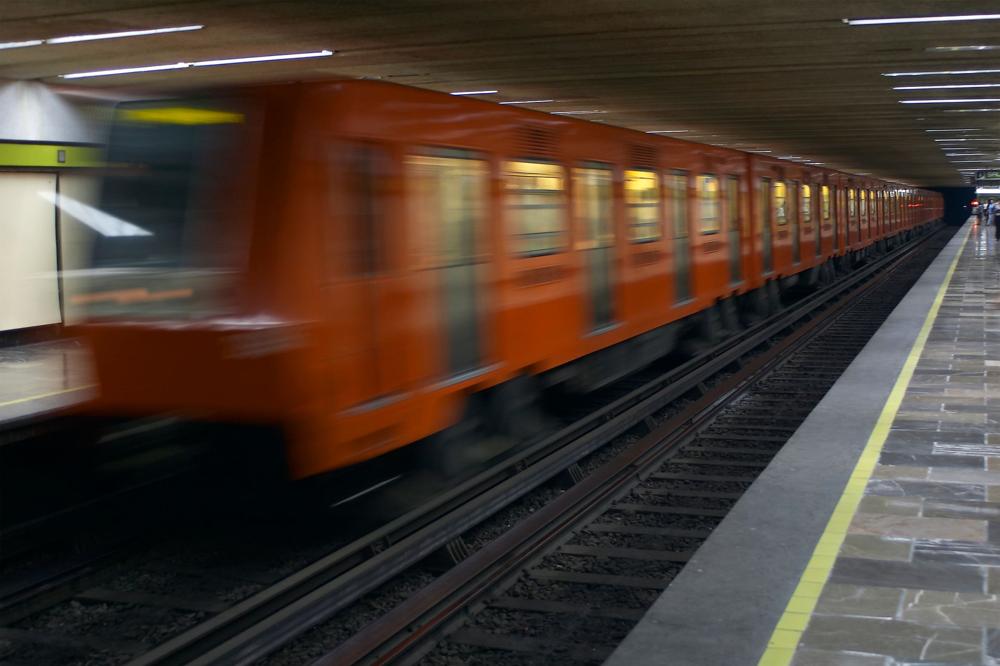
Mexico City has one of the largest and cheapest urban transit systems in the Americas, and once you understand how the Metro, Metrobús, and ride-hailing apps like Cabify fit together, getting around the capital is straightforward and inexpensive. This guide walks you through fares, cards, routes, hours, and the practical quirks that catch most newcomers off guard.
Last updated: May 20, 2026
The three systems you actually need
Mexico City (CDMX) has dozens of transit options, but for daily life as a visitor or new resident, three cover almost everything:
- Metro (STC): the underground/elevated rail network. Twelve lines, around 195 stations, roughly 226 km of track. Cheapest and fastest for long crosstown trips.
- Metrobús: the surface bus rapid transit (BRT) system running in dedicated lanes. Seven lines, 283 stations, about 174.6 km of route. Better for north-south corridors like Avenida Insurgentes and for reaching the airport.
- Cabify (and Uber/DiDi): ride-hailing apps. More expensive than public transit but useful at night, with luggage, in the rain, or for door-to-door trips to neighborhoods the Metro doesn't serve well.
You'll also encounter the Trolebús (electric buses), RTP (regular city buses), Cablebús (gondola lines in the hills), Tren Ligero (light rail to Xochimilco), and the new El Insurgente commuter train to Toluca. All of these accept the same Tarjeta de Movilidad Integrada described below.
The Tarjeta de Movilidad Integrada (MI card)
This is the rechargeable card you need. Paper magnetic tickets are no longer issued, so the MI card is effectively required for the Metro and is the only accepted payment on Metrobús.
- Card price: 15 pesos, sold at any Metro ticket window.
- Top-up limit: 99 pesos per recharge, with a maximum accumulated balance of 500 pesos.
- Balance validity: 300 calendar days from your last recharge.
- Where it works: Metro, Metrobús, Trolebús, RTP buses, Tren Ligero (Xochimilco), Cablebús, and El Insurgente.
- Contactless cards: many turnstiles now also accept tap-to-pay with contactless credit/debit cards, though coverage is uneven.
A special-edition MI card is being issued for the 2026 FIFA World Cup, since Mexico City is hosting the tournament for a third time. If you collect that sort of thing, ask for it at a Metro ticket window.
Fares at a glance
Service | Fare (MXN) | Payment |
|---|---|---|
Metro (any trip, any distance) | 5 pesos | MI card or ticket window |
Metrobús (Lines 1, 2, 3, 5, 6, 7) | 6 pesos | MI card only |
Metrobús Line 4 to/from AICM airport | 30 pesos | MI card only |
Tren Ligero (Xochimilco) | 3 pesos | MI card |
Cabify (typical short ride in CDMX) | varies | in-app card or cash |
A few rules that trip people up:
- Metro transfers are free between intersecting Metro lines as long as you don't exit the paid area.
- Metrobús transfers are free between Lines 1 through 7 if completed within the first 2 hours of entering the system and in a single direction.
- Metro to Metrobús transfers are NOT free: you pay each system separately.
- Free Metrobús rides are provided to adults over 70, persons with disabilities, and children under 5.
How to actually ride the Metro
- Buy and load a card. Go to any ticket window (taquilla), say una tarjeta, por favor, hand over 15 pesos plus whatever you want loaded. Many windows take cash only, so bring small bills.
- Tap in. Place the card flat on the turnstile reader. It will deduct 5 pesos and show your remaining balance.
- Find your line by color and end station. Mexico City Metro lines are identified by both a number and a color, and platforms are signed by the terminal station in each direction (e.g. Dirección Pantitlán). Memorizing the terminal of the line you want is faster than reading every map.
- Transfer (correspondencia). Follow the signs in the station; you don't tap again.
- Exit (salida). Just walk out; no tap on exit.
Operating hours
- Monday to Friday: 5:00 a.m. to midnight
- Saturday: 6:00 a.m. to midnight
- Sunday and holidays: 7:00 a.m. to midnight
Women's and children's cars
On weekdays during peak hours (06:00–09:00 and 18:00–21:00), the first two cars of each train are reserved for women and children. Look for the pink signs on the platform. Male passengers should board the rear cars during those windows.
Ongoing 2026 closures
As of April 2026, Line 2 (Tasqueña–Cuatro Caminos) still has three stations closed for World Cup-related remodeling, and Line 7's Auditorio station is closed for renovation. Line 1 (Pink Line) has completed its overhaul and now runs end to end from Pantitlán to Observatorio, where you can connect to El Insurgente train toward Toluca. Always check service alerts before traveling, especially on weekends.
How to use the Metrobús
Metrobús runs in dedicated red-painted lanes down the middle of major avenues. Stations are raised platforms accessed through turnstiles, just like the Metro.
- Pay only with the MI card. Cash is not accepted at Metrobús stations. If you only have cash, buy the card at the vending machines inside Metrobús stations or at a nearby Metro ticket window.
- Tap once per system entry. Within 2 hours and one direction of travel, you can transfer between Lines 1 through 7 without paying again.
- Watch the platform side. Doors open on the left side of the bus in most stations, the opposite of normal traffic.
- First section of each bus is reserved for women, children, seniors, and people with disabilities.
Hours
- Monday to Friday: 4:30 a.m. to midnight
- Saturday, Sunday, and holidays: 5:00 a.m. to midnight
- Since March 2026, Lines 1, 2, and 7 have extended Friday and Saturday night service, with last departures from Insurgentes station at 1:00 a.m. The regular 6-peso fare applies.
Getting to and from AICM airport
Metrobús Line 4 connects Mexico City International Airport (Terminals 1 and 2) to the Historic Center, Bellas Artes, and points along Paseo de la Reforma. The airport-branded buses cost 30 pesos per trip (still paid with the MI card) and take roughly 40 to 60 minutes depending on traffic. Line 4 runs Monday to Saturday 4:30 a.m. to midnight and Sundays and holidays 5:00 a.m. to midnight. If you have heavy luggage or arrive late, a Cabify or authorized airport taxi is more practical.
Cabify, Uber, and DiDi
Ride-hailing in Mexico City is reliable, widely used, and far cheaper than taxis in most North American or European capitals. Cabify is the platform most often recommended to expats for safety features and clear pricing, but Uber and DiDi work equally well.
Why use ride-hailing instead of the Metro:
- Late nights: after midnight, only ride-hailing or licensed taxis are available.
- Luggage: Metro turnstiles and Metrobús platforms are awkward with suitcases.
- Safety: at night or in unfamiliar neighborhoods, a tracked app ride with a registered driver is the safer choice.
- Rain: CDMX summer downpours flood streets and overwhelm transit.
- Door-to-door: useful in hilly areas like parts of Coyoacán, San Ángel, or the Lomas.
Practical tips:
- Add a card to the app before arriving; cash payments are accepted but card is smoother.
- Confirm the license plate matches the app before getting in.
- Share your trip status with someone via the app's built-in feature.
- Avoid hailing unmarked street taxis. Use sitio (stand) taxis or apps.
- Tip is not required but 10 to 20 pesos for a normal ride is appreciated.
For airport pickups, walk to the designated ride-hailing zones at Terminal 1 (Sala E2 exterior) or Terminal 2 (level 1 exterior). Drivers cannot legally pick up at curbside arrivals.
Sample costs for a week of getting around
Assume a visitor staying in Roma Norte who takes two transit trips per weekday and uses Cabify a few evenings:
- 10 Metro rides at 5 pesos = 50 pesos
- 4 Metrobús rides at 6 pesos = 24 pesos
- 1 Metrobús airport trip at 30 pesos = 30 pesos
- 4 Cabify rides averaging 90 pesos = 360 pesos
- MI card purchase = 15 pesos
- Weekly total: about 479 pesos (roughly USD 25 at mid-2026 rates)
You can absolutely live in CDMX spending under 200 pesos a week on transit if you stick to Metro and Metrobús.
Common pitfalls
- Assuming you can pay Metrobús with cash. You can't. Get the MI card first.
- Tapping a Metro card on a Metrobús reader and expecting a free transfer. The two systems share a card but not a fare.
- Trying to top up more than 99 pesos at once. You'll need to make two separate transactions.
- Letting your MI balance sit for nearly a year. After 300 days without a recharge, the balance expires.
- Boarding the women's car as a man during peak hours. It's enforced; you'll be asked to move.
- Riding the Metro at 7:30 a.m. or 6:30 p.m. with luggage. Trains during rush hour can be genuinely impassable. Take Cabify or shift your schedule.
- Ignoring service alerts. Line closures for World Cup 2026 prep continue to affect Lines 2 and 7. Check the official sites: metro.cdmx.gob.mx and metrobus.cdmx.gob.mx.
- Confusing Line 4 airport buses with regular Line 4 service. The 30-peso airport buses are a separate branded service; regular Line 4 stops do not all serve the airport.
Frequently asked questions
Is the Mexico City Metro safe?
Generally yes, especially during daytime and peak hours when stations are well-staffed and crowded. Pickpocketing is the main risk; keep your phone and wallet in front pockets. Women report fewer incidents in the reserved cars during commute hours. Late-night rides on emptier lines are best avoided in favor of Cabify.
Can I use one MI card for multiple people?
Yes. Tap once per person at the turnstile and pass the card back. This works on both Metro and Metrobús.
Do I need to speak Spanish to use the system?
Signs are in Spanish with pictograms, and station names are easy to read. Knowing a few phrases (¿dónde está la salida?, una recarga de cincuenta pesos) makes ticket windows smoother. If you're settling in long-term, picking up learning Spanish for travel pays off quickly.
How do I get from the airport to the city center?
Three options: Metrobús Line 4 (30 pesos, 40 to 60 minutes), authorized airport taxi (around 300 to 450 pesos depending on zone), or Cabify/Uber from the designated pickup zones (typically 200 to 350 pesos to central neighborhoods).
What about getting to Xochimilco or Toluca?
For Xochimilco, take Metro Line 2 to Tasqueña and transfer to the Tren Ligero (3 pesos, same MI card). For Toluca, take Metro Line 1 to Observatorio and connect to El Insurgente commuter train.
Are there day passes or tourist cards?
No. The fares are already so low that single rides on the MI card are the standard for everyone, residents and visitors alike.
Can I bring a bike or scooter?
Folding bikes and scooters are allowed on the Metro outside peak hours. Full-size bikes are not permitted on most lines.
Once you have an MI card in your pocket and know which line color goes where, CDMX opens up. The same logic applies to exploring Mexico City's neighborhoods by Metro on weekends and learning how transit works in other cities you visit; if you've used metro and bus systems in other cities, most of the muscle memory transfers.
If you're moving to Mexico City or staying long enough that conversational Spanish would change your daily life, try Migaku to learn from the shows, news, and YouTube channels you'd actually watch in CDMX.