Halal Food in Osaka and Kyoto: A Practical Guide
Last updated: May 26, 2026
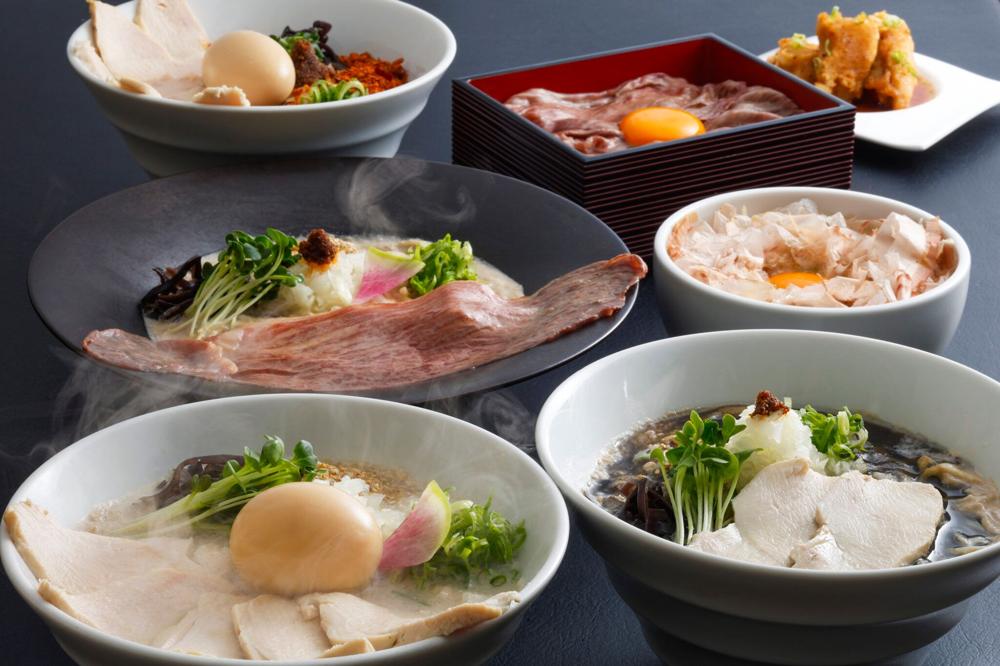
Finding halal food in Osaka and Kyoto is easier than it was five years ago, but it still takes planning: certification bodies are fragmented, some Kyoto-certified restaurants closed after the pandemic, and many places listed as "halal" online are actually Muslim-friendly rather than fully certified. This guide explains how to tell the difference, where to eat, where to pray, and how to avoid the common mistakes Muslim travelers make in Kansai.
Last updated: May 26, 2026
How Halal Certification Works in Japan
Japan has no single national halal authority. JNTO, the Japan National Tourism Organization, publicly acknowledges this and directs travelers to third-party databases such as Halal Gourmet Japan, Food Diversity Today, and HalalJapan.jp. In practice, that means restaurants in Osaka and Kyoto sit on a spectrum:
- Fully halal-certified: audited by a recognized body, with documented supply chains and no pork or alcohol on the premises.
- Muslim-friendly: offers halal menu items, often with separate cookware, but may serve alcohol or non-halal dishes elsewhere in the kitchen.
- Self-declared halal: the owner has sourced halal meat but holds no certification. Verify case by case.
The main certifying bodies you will encounter in Kansai are:
- NPO Japan Halal Association (JHA), headquartered in Chuo Ward, Osaka. It is recognized by JAKIM (Malaysia), MUIS (Singapore), BPJPH (Indonesia), HAK (Turkey), GAC (Gulf), and MOIAT (UAE). Applicants must already hold ISO 9000s, GMP, HACCP, or ISO 22000.
- Kyoto Muslim Association (KMA) and the Kyoto Council for Sharia and Halal Affairs, which jointly supervise certifications listed on the official Muslim Friendly Kyoto site run by kyoto.travel.
A 2024 Yomiuri/Asia News Network report noted that the Kyoto Halal Council had certified roughly 20 restaurants in Kyoto city, with several closing after the pandemic. Always confirm a restaurant is still operating and still certified before traveling across town to reach it.
Halal-Certified and Muslim-Friendly Restaurants in Osaka
Osaka is the easier of the two cities for halal dining. The food scene is denser, the certification options are broader, and several major venues installed prayer rooms during the run-up to Expo 2025.
Notable certified or strongly Muslim-friendly venues
- CHIBO Dotonbori (Diversity Dotonbori Building, 7F) runs a dedicated Muslim-friendly okonomiyaki branch using halal-certified meat, with no pork or alcohol contact in that kitchen and an on-site prayer room. This is one of the few places in Osaka where you can eat the city's signature dish without compromise.
- WASHOKU KADEN at Hotel Plaza Osaka (Juso) offers a Muslim-friendly kaiseki experience. Reservations for the halal menu must be made at least three days in advance. Weekday lunch runs 11:30 to 14:30 (last order 14:00) and dinner 17:00 to 21:30 (last order 21:00).
- Osaka Halal Mughal rose to prominence inside the Sustainable Food Court at Expo 2025 (Chicken Biryani with Mango Lassi was the signature dish). The Expo site closed October 13, 2025, so check current branch locations and hours before visiting.
- Namba-area listings on Halal Gourmet Japan cluster around tourist-friendly price points: roughly ¥2,000 for lunch and ¥5,000 for dinner per person, including South Asian, Turkish, and Japanese-fusion options.
For English-friendly browsing, the JNTO Muslim Welcome Guide and Halal Gourmet Japan remain the most reliable starting points, since aggregator sites like Tripadvisor mix certified and self-declared venues without distinction.
Useful Japanese phrases for ordering
- ハラール料理はありますか? (harāru ryōri wa arimasu ka?) - "Do you have halal food?"
- 豚肉とアルコールは入っていますか? (butaniku to arukōru wa haitte imasu ka?) - "Does it contain pork or alcohol?"
- みりんは使っていますか? (mirin wa tsukatte imasu ka?) - "Is mirin used?" (Mirin is a sweet rice wine that appears in many "vegetarian" Japanese dishes.)
If you want a deeper look at how to order around dietary restrictions in Japanese kitchens, this companion piece on vegetarian food in Japan covers the hidden-ingredient problems (dashi, mirin, bonito) that also matter to Muslim diners.
Halal Food in Kyoto
Kyoto is harder. The city saw about 330,000 visitors from Southeast Asia and the Middle East between January and July 2024, according to the Kyoto City Tourism Association, but supply has not caught up. The certified list is short and changes often.
Notable venues
- Kyoto Arashiyama Yoshiya (Sagatenryuji Tsukurimichi-cho, Ukyo-ku, Kyoto 616-8384) received Kyoto Halal Council certification in March 2016 and offers a Japanese-style prayer room with a wudu facility. Its location near the Arashiyama bamboo grove makes it the most convenient halal option for a sightseeing day.
- Honke Tankuma Honten is certified by the Kyoto Halal Council and was awarded one Michelin star in the Michelin Guide Kyoto/Osaka + Wakayama 2022. This is the go-to choice for a special-occasion kaiseki.
- Wagyu Sukiyaki Kyoto PANGA (B1F Unity Kawaramachi Building, 410 Shimomaruyacho, Nakagyo Ward; tel 075-741-8115) is certified by a recognized Halal Authority and provides a prayer space. Note that alcohol is served on the premises with separation, so confirm details if that matters to you.
- Nanzan offers two halal yakiniku courses using Kyo Tankuro wagyu, certified by the Kyoto Council for Sharia and Halal Affairs.
- Honolu Grande Kyoto, a four-story halal-food building in Shijo-Kawaramachi operated by Tokyo-based Assetfrontier Co., serves halal-compliant ramen, with bowls priced above ¥4,000.
Expect prices in Kyoto to run higher than Osaka. A halal kaiseki dinner can easily exceed ¥15,000 per person, and ramen at Honolu Grande sits well above the ¥1,000 to ¥1,500 typical of non-halal ramen shops in Kansai. The premium reflects sourcing costs for halal-certified wagyu and the smaller customer base.
Prayer Rooms and Mosques
Finding prayer space has become noticeably easier in Kansai, especially after Expo 2025 pushed many public venues to upgrade their facilities.
Location | Details |
|---|---|
Osaka Ibaraki Mosque | 4-6-13 Toyokawa, Ibaraki City, Osaka 567-0057. Established 2006. About 7 minutes on foot from Toyokawa Monorail Station. Tel 0726-43-7420. The central mosque for Kansai Muslims. |
Kansai International Airport (KIX) Terminal 1 | Three prayer rooms: one landside on 3F and two airside in the international departure gate area (north and south wings). Open 24 hours with wudu facilities and gender separation. |
Hankyu Department Store Osaka (Umeda) | 8th-floor prayer room, separated by gender, with prayer mats and a wudu area. Open daily 10:00 to 20:00. No reservation needed. |
Kyoto Arashiyama Yoshiya | Japanese-style prayer room with wudu facility on the restaurant premises. |
At KIX, the KINEYA MUGIMARU udon restaurant (Terminal 1, 2F public area, open 7:00 to 22:00) serves a Muslim-friendly menu, which is useful if you arrive hungry or have a long layover.
Getting Around to Halal Restaurants
Most of the halal restaurants in Osaka are clustered around Namba, Dotonbori, Umeda, and Shinsaibashi, all of which sit on the Midosuji and Sennichimae subway lines. Kyoto's certified venues are spread thinner: Arashiyama is on the west side, Nakagyo Ward is central, and Honke Tankuma is in the Higashiyama area, so plan around one neighborhood per day rather than crisscrossing the city.
If you're new to the Kansai transit system, our Osaka subway guide for foreigners covers IC cards, English signage, and the quirks of transferring between JR and the municipal lines.
Costs, Reservations, and Common Pitfalls
A few practical numbers and warnings to keep in mind:
- Budget per person, Osaka: roughly ¥2,000 lunch and ¥5,000 dinner at Halal Gourmet Japan-listed restaurants in Namba.
- Budget per person, Kyoto: ¥4,000 and up for halal ramen, ¥10,000 and up for halal kaiseki or wagyu.
- Reservations: several certified venues, including WASHOKU KADEN, require advance booking (at least three days) for halal menus. Walking in and asking for halal on the day often fails.
- KFC is not halal in Japan. Despite halal KFC being common in Malaysia, Indonesia, and the Gulf, Japan's KFC outlets do not use halal-certified chicken or procedures.
- Mirin, sake, and dashi appear in many "plain-looking" Japanese dishes. Even at a Muslim-friendly venue, ask specifically about seasonings, not only meat.
- Aggregator listings drift out of date. Tripadvisor, Yelp, and byFood mix certified and self-declared venues. Cross-check with JNTO, Halal Gourmet Japan, or call the restaurant directly.
- Certification can lapse. Kyoto in particular lost several certified restaurants during the pandemic. A 2018 blog post is not a 2026 guarantee.
Frequently Asked Questions
Is there a single official list of halal restaurants in Osaka and Kyoto?
No. JNTO confirms there is no central halal accreditation agency in Japan. The closest things to authoritative lists are the JNTO Muslim Welcome Guide (muslimguide.jnto.go.jp), Halal Gourmet Japan, and the kyoto.travel Muslim Friendly Kyoto pages.
Can I find halal wagyu in Kansai?
Yes. Wagyu Sukiyaki Kyoto PANGA, Nanzan (Kyo Tankuro wagyu), and Honke Tankuma all serve halal-certified or Kyoto Council-certified Japanese beef. Expect to pay a significant premium over non-halal wagyu restaurants.
Are there prayer rooms at Kansai International Airport?
Yes. KIX Terminal 1 has three: one in the public area on 3F and two after security in the international departure gate area, in the north and south wings. All are open 24 hours with wudu facilities and gender separation.
Where is the main mosque in Osaka?
Osaka Ibaraki Mosque at 4-6-13 Toyokawa, Ibaraki City, established in 2006. It is roughly 7 minutes on foot from Toyokawa Monorail Station and serves as the central mosque for Muslims across the Kansai region.
Is Osaka or Kyoto better for halal travelers?
Osaka, in 2026. It has more certified venues, more Muslim-friendly chain outlets (Hankyu Umeda's prayer room, CHIBO's Muslim-friendly okonomiyaki), and lower average prices. Use Kyoto for specific destination meals (Arashiyama Yoshiya, Honke Tankuma) rather than expecting casual halal options on every corner.
How do halal options in Kansai compare with Tokyo?
Tokyo has more certified restaurants overall and a denser cluster of Muslim-friendly chains. If you're planning to visit both, our guide to halal food in Tokyo covers the certified venues there.
Did Expo 2025 leave any lasting halal infrastructure?
Expo 2025 Osaka, Kansai, Japan ran April 13 to October 13, 2025, on Yumeshima Island, with prayer facilities at Rest Area 4 in the Forest of Tranquility Zone and halal vendors like Osaka Halal Mughal in the Sustainable Food Court. The site has closed, but several vendors have since opened or expanded permanent locations in central Osaka, and citywide awareness of Muslim diners has visibly improved.
Reading a Japanese menu, calling ahead to confirm halal status, or asking about hidden ingredients all go more smoothly with some Japanese under your belt. If you want to pick up the language using real menus, restaurant videos, and the kind of content you'll actually use in Kansai, try Migaku, it turns native Japanese material into your study deck.