Halal Food in Tokyo: Where to Find Certified Restaurants
Last updated: May 26, 2026
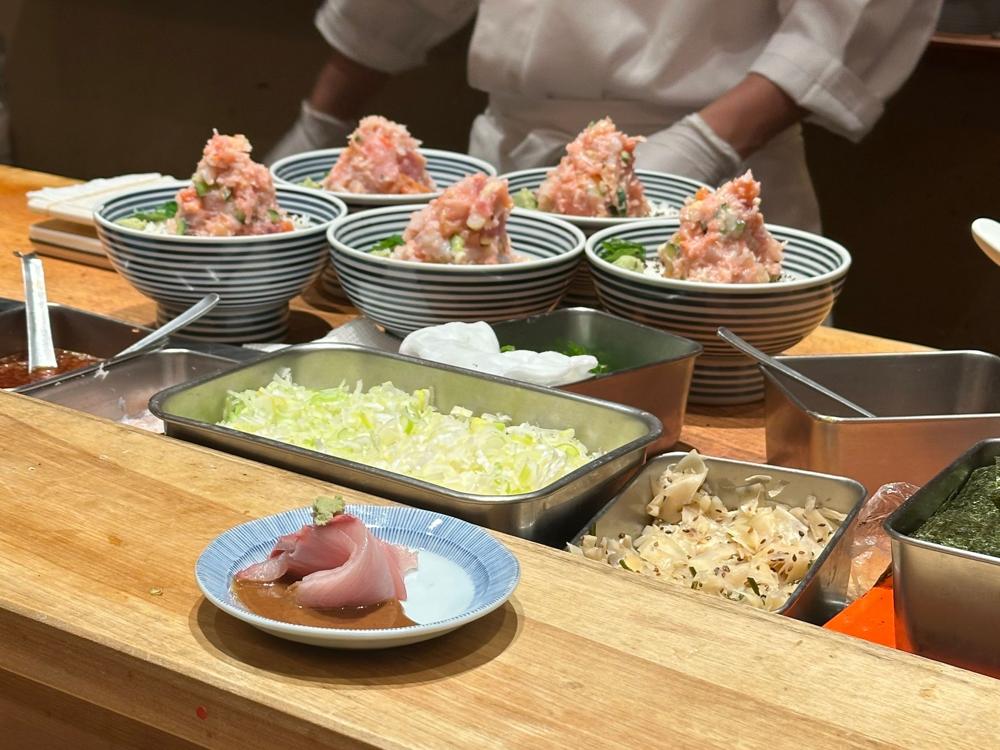
Tokyo now has an estimated 300+ halal-certified or Muslim-friendly restaurants, and the easiest way to find them is to focus on three areas (Shin-Okubo, Asakusa, and Shibuya/Roppongi), trust the three recognized Japanese certifiers, and double-check each venue on a halal directory before you go.
Last updated: May 26, 2026
- Understanding Halal Certification in Japan
- Where to Eat: Neighborhoods with the Most Options
- Tokyo Camii: Mosque, Market, and Cultural Center
- Chain Restaurants: What Is and Isn't Halal
- Hidden Non-Halal Ingredients in Japanese Cooking
- Prayer Facilities Near Restaurants and Stations
- Practical Tips for Eating Halal in Tokyo
Understanding Halal Certification in Japan
Japan does not have a single national halal authority. Instead, three independent bodies issue certifications that most Muslim travelers and residents rely on:
- Japan Halal Association (JHA)
- Japan Muslim Association (JMA)
- Nippon Asia Halal Association (NAHA), established in 2011
A restaurant displaying a logo from any of these three has gone through ingredient sourcing checks, kitchen audits, and (in stricter cases) separation of utensils and storage. There are also "Muslim-friendly" venues, which serve no pork and no alcohol but may not be fully certified. The distinction matters: if you require strict certification, look for the logo on the door or on the menu, and if it isn't there, ask.
For an at-a-glance check before traveling to a restaurant, two directories are widely used by residents and visitors: Halal Gourmet Japan and Halal Navi. Both list certification status, prayer facilities, and whether alcohol is served on the premises.
The Tokyo Metropolitan Government also publishes a free Tokyo Muslim Travelers' Guide 2026-2027 PDF, which catalogs certified restaurants, lodgings, and prayer spaces across the city.
Where to Eat: Neighborhoods with the Most Options
Tokyo's halal scene is concentrated in a handful of districts. If you base yourself near any of these, you can walk to multiple certified options.
Shin-Okubo (Tokyo's Muslim quarter)
JR Shin-Okubo Station sits one minute up the Yamanote Line from Shinjuku. The street locally known as Islam Yokocho is lined with halal grocers, spice shops, and small eateries serving Pakistani, Bangladeshi, Indonesian, Turkish, and Malaysian food. Halal food carts and stalls here sell kebab wraps, samosas, and grilled chicken in the ¥500 to ¥800 range, making it the best-value district for halal eating in the city.
Asakusa
Asakusa is the most convenient base if you also want sightseeing. Naritaya, a few minutes from Senso-ji Temple, has been serving Muslim travelers since 2013 and is certified by the Japan Halal Association. All meat is halal and no alcohol is used in cooking. The restaurant has about 15 seats and lines can stretch down the block during peak hours, so arrive before noon or after 2 PM.
Asakusa Sushi-Ken, the first halal-certified sushi restaurant in Tokyo, offers lunch sets ranging from ¥1,200 to ¥2,200. For prayer, the small Asakusa Mosque (Darul Arqam Masjid) at 1-9-12 Higashiasakusa, Taito City, is within walking distance.
Shibuya and Roppongi
Gyumon Shibuya is a halal-certified yakiniku (Japanese BBQ) restaurant where the premium wagyu set course runs ¥6,000 to ¥8,000. About six minutes from Shibuya Station, Halal Wagyu Ramen SHINJUKU-TEI serves 100% halal-certified ramen topped with wagyu beef for around ¥3,500, free from pork and alcohol.
Odaiba
SAKURA, the Japanese restaurant inside Hilton Tokyo Odaiba, has served halal meals certified by Nippon Asia Halal Association since 2015. It's a useful option for travelers staying on the bay side or visiting teamLab.
Kanda
Shotaian Kanda received halal certification in 2025 and specializes in high-quality Japanese beef dishes, useful if you want a sit-down Japanese experience near Tokyo Station.
Tokyo Camii: Mosque, Market, and Cultural Center
Tokyo Camii, attached to the Diyanet Turkish Culture Center, is Japan's largest mosque. Originally built in 1938 as a cooperative project between Japan and Turkey and reconstructed in 2000, it is open to non-Muslim visitors outside prayer times and runs a halal market.
- Address: 1-19 Oyama-cho, Shibuya-ku, Tokyo 151-0065
- Halal Market hours: 10:00 to 19:00 daily
- Phone: +81-3-5790-0760
The market sells halal-certified meat, frozen goods, Turkish groceries, dates, spices, and prayer items. If you are renting an apartment in Tokyo and want to cook at home, this is one of the most reliable places to stock up. The nearest station is Yoyogi-Uehara on the Odakyu and Chiyoda lines.
Chain Restaurants: What Is and Isn't Halal
This is where many newcomers get caught out. Japanese fast-food chains generally do not serve halal food, even when an overseas branch of the same chain does.
Not halal in Japan (as of 2025):
- KFC Japan
- McDonald's Japan
- Pizza Hut Japan
Halal in Japan:
- Curry House CoCo Ichibanya operates two halal-certified branches in Tokyo: one in Akihabara (opened September 2017 as the first NAHA-certified curry restaurant) and one in Shinjuku. All other CoCo Ichibanya locations are not halal-certified, so verify before sitting down.
The pattern to remember: a brand being halal-certified at one Tokyo location does not extend to its other branches. Always check the specific address.
Hidden Non-Halal Ingredients in Japanese Cooking
Even at a restaurant that looks fine on the surface, several common Japanese ingredients are problematic. Resident Muslims learn this list early:
- Mirin: a sweet cooking wine used in glazes, teriyaki sauce, and many simmered dishes
- Cooking sake (ryorishu): added to sauces, marinades, and broths
- Dashi: while often made from kelp and bonito (fish), some dashi is made with pork bones; even a bowl labeled "chicken ramen" may have pork in the broth if it is not certified
- Shoyu (soy sauce): traditionally brewed with naturally occurring alcohol; opinions among certifiers differ, but strict halal restaurants use alcohol-free soy sauce
- Miso, rice vinegar, and pickles: sometimes contain trace alcohol from fermentation
The practical takeaway: in a non-certified restaurant, even vegetable tempura or plain udon can contain mirin or dashi made with non-halal ingredients. If you eat outside certified venues, ask specifically about mirin, sake, and the broth base.
Prayer Facilities Near Restaurants and Stations
Most halal travelers want to know where to pray between meals. Tokyo has expanded its prayer infrastructure significantly in the lead-up to and after major international events. Useful locations:
Facility | Address | Hours | Notes |
|---|---|---|---|
Narita Airport prayer rooms | Both terminals | 24h | Qibla markers, wudu facilities |
Haneda Airport prayer rooms | International terminal | 24h | Qibla markers, wudu facilities |
JR Tokyo Station prayer room | 1 Marunouchi, Chiyoda-ku (near North Marunouchi exit) | 10:00–17:00 | Water for ablution available; tel +81-50-2016-1603 |
Shibuya PARCO | 15-1 Udagawa-cho, Shibuya-ku | 11:00–21:00 | Separate men's and women's spaces, capacity 4–5 each; wudu available |
Takashimaya | 11th floor | Store hours | Department-store prayer room |
DiverCity Tokyo Plaza | Odaiba | Store hours | Muslim-friendly facilities |
Tokyo Midtown Prayer Space | 9-7 Akasaka, Minato (Galleria, 1F) | Complex hours | 5 min from Roppongi Station |
Asakusa Mosque (Darul Arqam) | 1-9-12 Higashiasakusa, Taito | Daily | Small community mosque |
Kamata Masjid | 5-1-2 Kamata, Ota | Daily | 3 min from Kamata Station |
Tokyo Camii | 1-19 Oyama-cho, Shibuya | Daily | Largest mosque in Japan |
If you're planning to bounce between these on the same day, navigating Tokyo's public transportation on the Yamanote and Metro lines will get you everywhere on this list.
Practical Tips for Eating Halal in Tokyo
- Reserve where possible. Naritaya, Sushi-Ken, and Gyumon all see queues, especially on weekends and during cherry blossom and autumn seasons. Tokyo's Indonesian and Malaysian visitor numbers reached roughly 558,900 and 630,000 respectively between January and November 2025, and demand is concentrated at certified venues.
- Carry cash. Some smaller halal eateries in Shin-Okubo are cash-only.
- Ask about Ramadan hours. Some halal restaurants close or change hours during Ramadan; one Tokyo halal establishment closed from February 19th to March 18th in 2026 before resuming normal operations on March 19th. Check the directory listing the week before you go.
- Learn a few phrases. Useful Japanese questions include: 豚肉は入っていますか (butaniku wa haitte imasu ka, "does this contain pork?"), アルコールは使っていますか (arukōru wa tsukatte imasu ka, "is alcohol used?"), and ハラル認証されていますか (hararu ninshō sarete imasu ka, "is this halal-certified?").
- Stock up at Tokyo Camii's market if you are staying in serviced apartments and want to cook a few meals. Halal meat, especially poultry and lamb, is far cheaper from the market than from imported gourmet supermarkets.
- Use directories actively. Halal Gourmet Japan and Halal Navi are updated more frequently than printed guides.
If you're piecing together a longer Asia trip, our notes on halal food in other Asian cities cover similar ground for Seoul, and our guide to restaurant phrases in Asian languages helps with ordering across the region.
Frequently Asked Questions
Is there a halal supermarket in Tokyo?
Yes. The Tokyo Camii Halal Market in Shibuya is the largest and most accessible, open daily 10:00 to 19:00. There are also smaller halal grocers throughout Shin-Okubo's Islam Yokocho.
Are convenience store onigiri halal?
Generally no. Onigiri at 7-Eleven, Lawson, and FamilyMart commonly contain fish flakes, mayonnaise with trace alcohol, or fillings cooked with mirin or dashi. Read English ingredient stickers carefully or stick to certified vendors.
Can I drink Japanese green tea?
Plain sencha, matcha, and hojicha are halal. Bottled tea drinks vary, so check labels for added flavorings.
Is wagyu beef halal by default?
No. Wagyu refers to the breed and grade, not the slaughtering method. Only buy wagyu from halal-certified restaurants or butchers such as Gyumon Shibuya, SHINJUKU-TEI, or Shotaian Kanda.
What about vegetarian restaurants?
Vegetarian and vegan restaurants are safer than average but still often use mirin and dashi. Confirm with the staff before assuming a vegan menu is halal-compliant.
Are there halal options at Narita and Haneda airports?
Both airports have prayer rooms with qibla markers and wudu facilities. Halal meal options inside the terminals are limited, so eat before departure or ask your airline about Muslim Meal (MOML) requests.
Is the certification logo in English or Japanese?
Both. JHA, JMA, and NAHA logos are typically displayed at the entrance or on the menu and include Arabic, Japanese, and English text. If you don't see one, ask before ordering.
If you're settling in Tokyo for more than a short trip, picking up Japanese will make checking ingredients, calling ahead, and reading certification notices far easier, and try Migaku is built to help you learn Japanese from the real menus, signs, and shows you'll encounter every day.