Italian Regional Cuisine: Roman, Neapolitan, Sicilian, Bolognese
Last updated: May 21, 2026
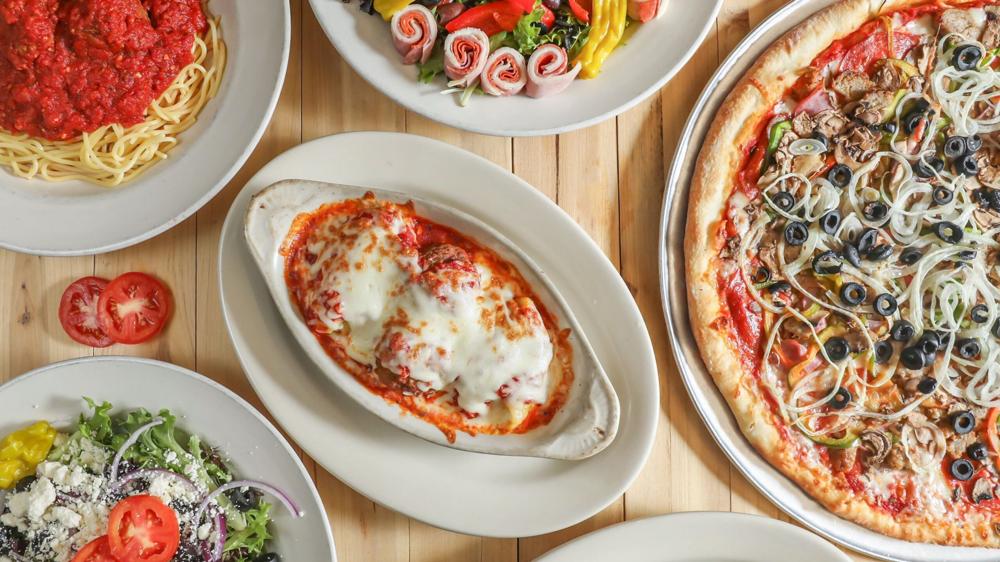
Italian regional cuisine differs so sharply that a Bolognese cook and a Sicilian cook share a flag, a passport, and almost no recipes. The four tables most travelers encounter, Roman, Neapolitan, Sicilian, and Bolognese, each grew from a separate climate, a separate set of trade routes, and a separate aristocracy, and Italian law now protects those distinctions through hundreds of EU-registered designations.
Last updated: May 21, 2026
- Why Italian Regional Cuisine Is Legally, Not Just Culturally, Distinct
- The Roman Table: Offal, Pecorino, and Four Pasta Dishes
- The Neapolitan Table: Pizza by Law, and Everything Tomato
- The Sicilian Table: Arab, Greek, and Norman Layers on One Plate
- The Bolognese Table: Butter, Eggs, Pork, and the Hard Cheeses
- Side-by-Side: The Four Tables
- Common Mistakes Travelers Make
Why Italian Regional Cuisine Is Legally, Not Just Culturally, Distinct
Italy does not treat regional cooking as folklore. It treats it as protected industry. As of 2025, the country counts roughly 897 certified geographical indications across food, wine and spirits, including 331 agri-food products (174 PDO, 153 PGI, 4 TSG) recorded in the 23rd Ismea-Qualivita Report. The total PDO/PGI/TSG production value reached €20.7 billion in 2024, about 19% of national agri-food turnover.
On 10 December 2025, UNESCO inscribed Italian cuisine on the Representative List of the Intangible Cultural Heritage of Humanity at the Intergovernmental Committee meeting in New Delhi, the first national cuisine to receive that designation. Prime Minister Meloni linked the listing to record agri-food exports above €70 billion in 2025.
What this means in practice: when you sit down in Rome and order cacio e pepe, the Pecorino Romano in your bowl is legally restricted to milk produced in Sardinia, Lazio, or the Tuscan province of Grosseto. When you order pizza in Naples, the dish itself is governed by an EU Implementing Regulation. The regional differences are not vibes. They are codified.
The regions with the most certified products, per the 2025 Ismea-Qualivita data, are Emilia-Romagna (42), Veneto (36), Lombardy (32), Sicily (29), Tuscany (28), Lazio (26), and Piedmont and Campania (22 each). Two of our four regions, Emilia-Romagna (Bologna) and Sicily, sit near the top of that list.
The Roman Table: Offal, Pecorino, and Four Pasta Dishes
Roman cooking is built on what poor Romans and Vatican kitchens left behind. The historic quinto quarto tradition (the fifth quarter, meaning offal) gave Rome dishes like coda alla vaccinara (oxtail) and trippa alla romana (tripe with tomato and mint). The wealthy got the prime cuts, the slaughterhouse workers in Testaccio took the rest home, and a cuisine formed.
The defining ingredient is Pecorino Romano DOP, a hard sheep's milk cheese whose production zone is legally restricted to Sardinia, Lazio, and Grosseto. 2024 production value was €338 million. It is sharper and saltier than the cow's milk cheeses of the north, and it anchors Rome's four classic pastas:
- Cacio e pepe: Pecorino Romano, black pepper, pasta water. No butter, no cream.
- Carbonara: eggs, Pecorino Romano, guanciale (cured pork jowl), black pepper. No cream, no garlic, no peas.
- Amatriciana: guanciale, tomato, Pecorino Romano, sometimes a splash of white wine.
- Gricia: essentially Amatriciana without tomato.
Notice what is missing: butter, beef, cream, long-simmered ragùs. The Roman pantry is sheep, pig, pasta, pepper, and tomato. Vegetable dishes are equally specific: carciofi alla romana (artichokes braised with mint), carciofi alla giudia (deep-fried, from Rome's Jewish quarter), and puntarelle (a bitter chicory dressed with anchovy).
Bread in Lazio is typically unsalted to nearly unsalted, dense, and meant for soaking up sauce. If a trattoria in Trastevere serves you carbonara with cream, you are eating a tourist version.
The Neapolitan Table: Pizza by Law, and Everything Tomato
Naples is the only one of these four cities whose signature dish is governed by a specific EU regulation. Pizza Napoletana STG protection was strengthened through EU Implementing Regulation 2022/2313, effective 18 December 2022, restricting commercial use of the name to certified products meeting strict specifications.
The rules are precise:
Specification | Requirement |
|---|---|
Maximum diameter | 35 cm |
Central thickness | 0.4 cm (±10%) |
Rim thickness | 1–2 cm |
Oven | Wood-fired, 485°C |
Required ingredients | Italian extra virgin olive oil, fresh basil, Mozzarella di Bufala Campana DOP or Mozzarella STG |
Under the regulation, only two official variants exist: Marinara (tomato, garlic, oregano, olive oil) and Margherita (tomato, mozzarella, basil, olive oil). Everything else served in Naples is pizza, but not protected Pizza Napoletana STG.
Beyond pizza, Campania's cooking is defined by the volcanic soils of Vesuvius and the long coastline. The signature pasta of the region is Pasta di Gragnano IGP, produced in the hills above Sorrento; 108,119 tons were produced in 2024 (+11.0% year-on-year), with about €303–307 million in value. It is bronze-die extruded and slow-dried, which gives it a rough surface that holds sauce.
Other anchors of the Neapolitan table:
- Ragù napoletano: a slow-cooked tomato sauce with whole cuts of pork and beef, simmered for hours. The meat is served as a second course, the sauce dresses the pasta.
- Spaghetti alle vongole: clams, garlic, olive oil, parsley, sometimes a touch of chili.
- Parmigiana di melanzane: layered eggplant, tomato, basil, mozzarella, grated cheese.
- Sfogliatella and babà: the two pastries that anchor every Neapolitan breakfast bar.
- Mozzarella di Bufala Campana DOP: the buffalo-milk fresh mozzarella from the Caserta and Salerno plains, soft and acidic, very different from the firmer cow's milk fior di latte.
Naples leans aggressively on tomato, seafood, fresh cheese, and short cooking times. Where Rome cures its pork, Naples simmers it.
The Sicilian Table: Arab, Greek, and Norman Layers on One Plate
Sicily has been ruled by Greeks, Romans, Arabs, Normans, Spaniards, and Bourbons, and every one of them left an ingredient. The result is the most cosmopolitan regional cuisine in Italy, and the most distinct from the mainland north.
The Arab influence (9th to 11th century) introduced sugar, citrus, almonds, raisins, saffron, and rice, plus the practice of pairing sweet with savory. You see this directly in:
- Pasta con le sarde: bucatini with sardines, wild fennel, pine nuts, raisins, and saffron.
- Caponata: eggplant, celery, capers, olives, vinegar, sugar, the agrodolce (sweet-sour) treatment in one dish.
- Cous cous alla trapanese: fish couscous from the western coast around Trapani, a direct North African inheritance.
The Greek and coastal influence shows in seafood: swordfish (pesce spada) grilled with salmoriglio (oil, lemon, oregano), tuna from the tonnare of Favignana, raw red prawns from Mazara del Vallo.
Sicilian pastry is its own discipline. Cannoli are fried tubes filled with sweetened sheep's milk ricotta. Cassata siciliana layers sponge cake, ricotta, candied fruit, and marzipan. Granita (semi-frozen flavored ice) is eaten for breakfast in summer with a brioche, particularly in Catania and Messina. Pasta di mandorle, almond paste shaped into fruit, dates to the convents of Palermo.
Sicily holds 29 certified PDO/PGI products as of 2025, including Arancia Rossa di Sicilia IGP (the blood oranges), Pistacchio di Bronte DOP, Cioccolato di Modica IGP (an unrefined, granular chocolate made by a cold method inherited from the Spanish), and Pomodoro di Pachino IGP. Street food is a category unto itself: arancine (or arancini, depending on whether you are in Palermo or Catania), panelle (chickpea fritters), sfincione (a thick focaccia-style pizza), and pane ca' meusa (spleen sandwich) in Palermo.
If you are heading further afield to compare regional food systems, the French Regional Cuisine Explained and Mexican Regional Cuisine Specialties guides cover the same territory for their respective countries.
The Bolognese Table: Butter, Eggs, Pork, and the Hard Cheeses
Bologna sits in Emilia-Romagna, which holds 42 certified products, the most of any Italian region, and produces the country's two highest-value PDO cheeses. In the 2024 PDO rankings, Grana Padano DOP led at €2.185 billion (+23.3%) and Parmigiano Reggiano DOP followed at €1.727 billion (+7.2%).
Parmigiano Reggiano DOP is legally produced only in Parma, Reggio Emilia, Modena, and parts of Mantua and Bologna, with minimum ageing of 12 months. EU Implementing Regulation 2025/661 amended the specification, setting the maximum age for bovines entering the production chain at 10 months. Wholesale prices for the 12-month wheel reached €13–14/kg in December 2025, up from €9–10/kg in 2015.
Emilia-Romagna's cooking has nothing in common with Rome or Naples. The fats are butter and lardo, not olive oil. The pasta is fresh, egg-based, and rolled by hand: tagliatelle, tortellini, tortelloni, lasagne, passatelli. The cured meats are the most refined in Italy: Prosciutto di Parma DOP, Mortadella Bologna IGP, Culatello di Zibello DOP, Salame Felino IGP.
The true Bolognese repertoire includes:
- Tagliatelle al ragù: hand-cut egg pasta with a slow-cooked meat sauce of beef, pork, soffritto, tomato paste, wine, and milk. Bologna does not serve ragù on spaghetti. Spaghetti Bolognese is not a Bolognese dish.
- Tortellini in brodo: tiny stuffed pasta (pork loin, prosciutto, mortadella, Parmigiano, nutmeg) in capon broth. The Christmas dish.
- Lasagne verdi alla bolognese: spinach pasta sheets, ragù, besciamella, Parmigiano. Baked.
- Cotoletta alla bolognese: breaded veal cutlet topped with prosciutto and Parmigiano.
- Aceto Balsamico Tradizionale di Modena DOP: aged in wood for a minimum of 12 years, syrupy, served in drops on Parmigiano or strawberries.
If you are working in or relocating to the region, the Italian Work Culture and Traditions guide explains the August shutdown and lunch norms that shape when and how this food is actually eaten.
Side-by-Side: The Four Tables
Element | Rome (Lazio) | Naples (Campania) | Sicily | Bologna (Emilia-Romagna) |
|---|---|---|---|---|
Primary fat | Olive oil, strutto | Olive oil | Olive oil | Butter, lardo |
Signature cheese | Pecorino Romano DOP | Mozzarella di Bufala DOP | Ricotta, Pecorino Siciliano DOP | Parmigiano Reggiano DOP |
Signature pasta shape | Tonnarelli, rigatoni, bucatini | Spaghetti, paccheri, Pasta di Gragnano IGP | Bucatini, busiate | Tagliatelle, tortellini (fresh egg) |
Defining meat | Guanciale, oxtail, lamb | Pork ragù, seafood | Swordfish, tuna, lamb | Prosciutto, mortadella, beef ragù |
Sweet trademark | Maritozzo | Sfogliatella, babà | Cannoli, cassata, granita | Torta di riso, zuppa inglese |
Foreign influence | Roman/Jewish | Spanish (Bourbon) | Arab, Greek, Norman | Austrian, French |
Common Mistakes Travelers Make
A few things will mark you as a tourist faster than a selfie stick:
- Ordering carbonara outside of Rome and expecting it to be the same dish. It will not be.
- Asking for spaghetti Bolognese in Bologna. The dish does not exist there; you want tagliatelle al ragù.
- Putting Parmigiano on seafood pasta. Considered wrong in Naples and Sicily.
- Drinking cappuccino after 11am. A breakfast drink in all four cities; after lunch order an espresso or macchiato.
- Assuming "Italian Sounding" products abroad are real. The Ismea-Qualivita 2025 report estimates global sales of imitation Italian products at over €100 billion per year. Unauthorized commercial use of a protected designation in Italy is subject to administrative fines from €2,500 to €16,000 under Italian Legislative Decree 297/2004.
- Eating dinner at 6pm. Kitchens in Rome, Naples, and Sicily often open at 7:30 or 8pm; Bologna can start slightly earlier.
FAQs
Is Pizza Napoletana legally protected outside Italy?
Yes. Pizza Napoletana holds EU Traditional Speciality Guaranteed (TSG) status under EU Implementing Regulation 2022/2313, effective 18 December 2022. Only certified pizzerias following the specification (485°C wood-fired oven, 35 cm maximum diameter, specified ingredients including Mozzarella di Bufala Campana DOP or Mozzarella STG) may commercially label a product as Pizza Napoletana STG within the EU.
What is the difference between DOP, IGP, and STG?
DOP (PDO in English) requires that all production, processing and preparation occur in the defined geographic area. IGP (PGI) requires at least one production stage to occur in the area. STG (TSG) protects a traditional recipe or method (like Pizza Napoletana) without tying it to a single geographic origin.
Which region has the most protected products?
Emilia-Romagna, with 42 certified PDO/PGI/TSG products as of 2025, followed by Veneto (36), Lombardy (32), and Sicily (29).
Did UNESCO really recognize Italian cuisine?
Yes. On 10 December 2025, UNESCO inscribed Italian cuisine on the Representative List of the Intangible Cultural Heritage of Humanity, the first national cuisine to receive that designation. The inscription covers culinary practices across sustainability and biocultural diversity, not a single dish.
Is real Parmigiano expensive in Italy?
It is not cheap. Wholesale prices for 12-month Parmigiano Reggiano DOP reached €13–14/kg in December 2025. Retail prices in supermarkets and salumerie run higher, particularly for 24- and 36-month wheels. Grana Padano DOP, while also a PDO hard cheese, is cheaper at €8–10/kg wholesale (9-month) and is a legitimate everyday alternative.
If you are settling in Italy and want to actually follow conversations in a trattoria, on the bus, or with your landlord, learning Italian from native menus, films, and podcasts beats studying a textbook. Migaku is built for that kind of immersion learning.