# Lunar New Year Greetings: Mandarin, Vietnamese, Korean Phrases
> Learn authentic Lunar New Year greetings in Mandarin, Cantonese, Vietnamese, and Korean with pronunciation guides. Perfect for 2026 celebrations.
**URL:** https://migaku.com/blog/language-fun/lunar-new-year-greetings-asian-cultures
**Last Updated:** 2026-04-27
**Tags:** fundamentals, vocabulary, phrases, grammar
---
So you want to wish someone a happy Lunar New Year, but you're not sure what to say? Pretty common situation, especially if you're [learning an Asian language](https://migaku.com/) or have friends celebrating this important holiday. Here's the thing: the greetings change dramatically depending on which culture you're talking about. I'm going to walk you through the most common Lunar New Year greetings across Chinese, Vietnamese, and Korean cultures. You'll get the native script, pronunciation, and what each phrase actually means. By the end, you'll know exactly what to say (and when to say it) for the 2026 celebrations and beyond.
----
## Traditional Chinese new year greetings: The foundation
Let's start with Chinese New Year, which is probably what most people think of when they hear "Lunar New Year." The Spring Festival celebrations in China are absolutely massive, and the greetings reflect centuries of tradition focused on prosperity, health, and good fortune.
### The essential Mandarin greeting
The most basic Chinese New Year greeting you need to know is 新年快乐 . This literally means "New year happy" or "Happy New Year" in English. You'll hear this everywhere during new year celebrations.
But here's something interesting: in more traditional contexts, especially in business settings or with older relatives, people often use 恭喜发财 instead. This translates to "Congratulations and be prosperous" or more literally "Respectful congratulations for getting rich." The gong part means respectful or reverent, while 发财 specifically refers to making money or gaining wealth. You'll see this phrase everywhere during Chinese New Year, from red envelopes to storefront decorations.
### Common Chinese new year wishes
Once you've got the basics down, you can get more creative with your Chinese New Year wishes. These phrases let you wish for specific types of good fortune:
- 万事如意 means "May all your wishes come true" or literally "Ten thousand things according to wish." The 万 (10,000) is used in Chinese to represent an unlimited number, so you're basically wishing someone that everything goes their way.
- 身体健康 translates to "Good health" or "Healthy body." This one is especially appropriate for older relatives or anyone who's been dealing with health issues. It shows you care about their wellbeing beyond just financial prosperity.
- 心想事成 means "May all your wishes come true" but with a slightly different nuance than wàn shì rú yì. This phrase emphasizes that what you think in your heart (心) will become reality (成).
### Cantonese variations
If you're dealing with Cantonese speakers (common in Hong Kong, Guangdong, and many overseas Chinese communities), the pronunciation and [the scripts](https://migaku.com/blog/chinese/simplified-vs-traditional-chinese) change.
- 恭喜發財 is the Cantonese version of 恭喜发财. You'll hear this constantly in Cantonese-speaking areas.
- 新年快樂 is the Cantonese pronunciation of 新年快乐. Traditional characters, different sounds. Pretty cool how that works.
- For something more elaborate, try 龍馬精神 , which means "May you have the spirit of the dragon and horse" or basically "May you be energetic and vigorous." This greeting connects to the Chinese zodiac animals and wishes someone vitality for the year ahead.
### Year-specific wishes for 2026
In 2026, we'll be celebrating the Year of the Horse in the Chinese zodiac. You can customize your new year greetings to reference this: 马年大吉 means "Great fortune in the Year of the Horse." The jí character represents good luck or auspiciousness.
----
## Vietnamese tết phrases: Different but related
Vietnamese Lunar New Year, called **Tết** (more fully Tết Nguyên Đán), has its own distinct greetings. While Vietnam's culture has been influenced by Chinese traditions, the language is completely different.
### The basic Vietnamese lunar new year wishes
**Chúc mừng năm mới ** is the standard "Happy New Year" in Vietnamese. Chúc means to wish, mừng means happy or joyful, năm means year, and mới means new. Pronunciation is roughly "chook moong nam moy" but the tones matter a lot in Vietnamese.
You'll also hear **Cung chúc tân xuân **, which is more formal and poetic. This translates to "Respectfully wishing you a new spring." Vietnamese culture strongly associates the Lunar New Year with spring, similar to how Chinese people call it the Spring Festival.
### Prosperity and health greetings and wishes in Vietnamese
- **Sức khỏe dồi dào ** means "Abundant health." Vietnamese new years greetings often emphasize health alongside prosperity, especially when addressing elders.
- **Vạn sự như ý ** is actually borrowed from Chinese (it's the same as wàn shì rú yì) but pronounced Vietnamese-style as "van suh nyoo ee." This shows the cultural exchange between the countries while maintaining distinct linguistic identity.
- **An khang thịnh vượng ** translates to "Peace, health, and prosperity." This phrase covers all the bases and works great as a comprehensive blessing for the year ahead.
### Tết-specific cultural phrases
During Tết celebrations, you might hear **Năm mới tiền về như nước **, which means "May money flow to you like water in the new year." Vietnamese culture is pretty direct about wishing financial success, similar to Chinese traditions.
For children receiving red envelopes (called lì xì in Vietnamese), adults often say **Chúc con ngoan ngoãn học giỏi **, meaning "Wishing you to be obedient and study well."
----
## Korean seollal wishes: Formal respect matters
Korean Lunar New Year, called Seollal (설날 ), comes with greetings that heavily emphasize the formal respect levels built into Korean language. You can't just use one greeting for everyone.
### The standard Korean new year greeting
새해 복 많이 받으세요 is the most common Korean Lunar New Year greeting. It translates to "Please receive lots of luck/blessings in the new year." The pronunciation is roughly "say-hay bok mah-nee bah-duh-say-yo."
This phrase uses formal polite language (the -seyo ending), which makes it appropriate for most situations. You're essentially wishing someone that they receive (badeuseyo) lots (mani) of fortune (bok) in the new (sae) year (hae).
### Formal vs. Casual Korean greetings
Korean has different speech levels, so your greeting changes based on who you're talking to. With close friends or younger siblings, you might say 새해 복 많이 받아 , dropping the formal ending. But with elders, bosses, or people you don't know well, stick with the -seyo form.
For maximum formality (like addressing your partner's grandparents), use 새해 복 많이 받으십시오 . The -shipshio ending shows even higher respect.
### Additional seollal phrases
- 올해도 좋은 일 가득 하세요 means "May this year be full of good things for you." This works well as a follow-up to the basic greeting.
- 항상 건강하세요 translates to "Always be healthy." Health wishes are huge in Korean culture, and this phrase works year-round, making it especially meaningful during new year celebrations.
----
## Common themes across all lunar new year messages
Looking at Chinese, Vietnamese, and Korean greetings together, you'll notice some clear patterns. Prosperity shows up everywhere. The Chinese 发财, Vietnamese tiền về, and Korean bok all reference wealth, luck, or material success. This reflects agricultural societies historically hoping for abundant harvests and financial stability.
Health is the other common theme. Whether it's the Mandarin 身体健康, Vietnamese sức khỏe, or Korean geongang, physical wellbeing gets mentioned constantly in new years greetings. Makes sense when you consider that traditional medicine and long life have always been highly valued across Asian cultures.
Happiness and prosperity get bundled together in many phrases. The idea is that you need both to truly thrive. Financial success without health or happiness feels incomplete in these cultural frameworks.
----
## Regional variations of lunar new year greetings
Even within Chinese-speaking regions, greetings vary. Taiwan uses traditional characters and might have slightly different common phrases than mainland China. Singapore and Malaysia have their own local variations influenced by Malay and English.
Vietnamese greetings differ between northern and southern dialects. The tones shift, and some vocabulary changes. Chúc mừng năm mới works everywhere, but regional phrases might confuse people from other parts of Vietnam.
Korean has regional dialects too, though standard Seoul Korean dominates Lunar New Year media and formal contexts. Jeju Island has particularly distinct dialect features, but for new years greetings, standard Korean works fine everywhere.
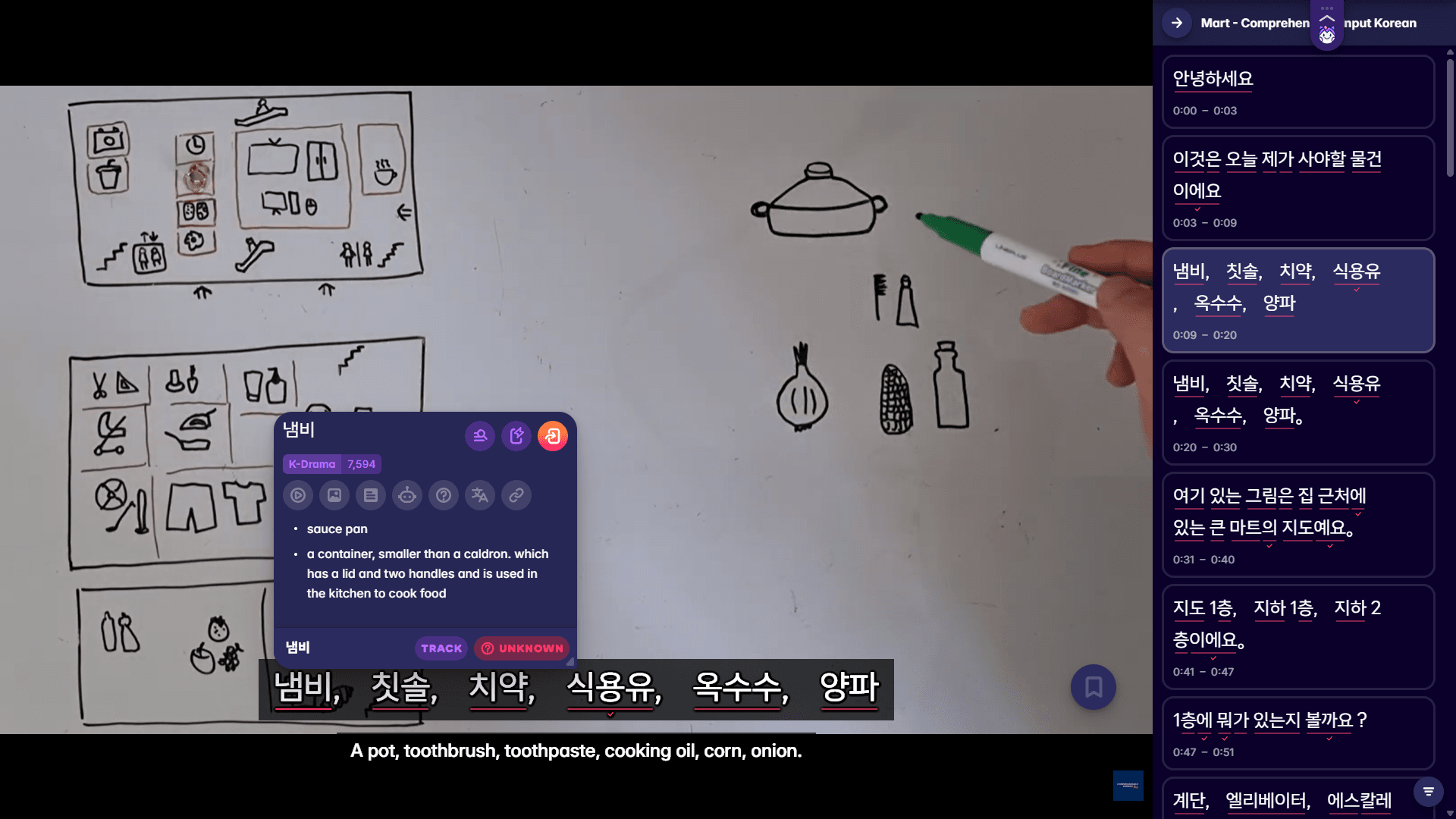
Anyway, if you're serious about learning Mandarin, Vietnamese, or Korean beyond just holiday greetings, Migaku's browser extension and app let you learn from actual content like shows, news, and social media. You can look up words instantly and build real vocabulary in context. There's a 10-day free trial if you want to check it out.
 ----
## Learning these new year traditions gives you real cultural competence
You're showing respect for traditions that go back centuries. The best approach is to learn two or three phrases really well rather than memorizing dozens poorly. Get the pronunciation right, understand what you're saying, watch several videos, read social media messages on how native speakers put them in context, and use them confidently. People appreciate the effort way more than perfect execution.
> If you consume media in your target language, and you understand at least some of the messages and sentences within that media, you will make progress. _Period_.
Practice leads to progress!
----
## Learning these new year traditions gives you real cultural competence
You're showing respect for traditions that go back centuries. The best approach is to learn two or three phrases really well rather than memorizing dozens poorly. Get the pronunciation right, understand what you're saying, watch several videos, read social media messages on how native speakers put them in context, and use them confidently. People appreciate the effort way more than perfect execution.
> If you consume media in your target language, and you understand at least some of the messages and sentences within that media, you will make progress. _Period_.
Practice leads to progress!