# How to Say Nice to Meet You in French (With Examples)
> Learn how to say nice to meet you in French with enchanté, ravi de vous rencontrer, and other phrases. Includes pronunciation and usage tips.
**URL:** https://migaku.com/blog/language-fun/nice-to-meet-you-in-french
**Last Updated:** 2026-02-23
**Tags:** fundamentals, vocabulary, phrases
---
So you're [learning French](https://migaku.com/learn-french) and want to know how to say "nice to meet you" without sounding like a robot reading from a textbook. Good news: French has several ways to express this, and they're all pretty straightforward once you understand when to use each one. The most common phrase you'll hear is "enchanté," but there are more formal and casual options depending on who you're talking to. Let's break down exactly how to greet someone in French when you're meeting them for the first time.👋
---
## The most common way: enchanté
Here's the thing about "enchanté." It's the go-to phrase that works in most situations, kind of like how "nice to meet you" works in English. You'll hear this constantly in France, Quebec, and basically anywhere French is spoken.
The word literally means "enchanted" or "delighted," but nobody thinks about that when they say it. It's just what you say when someone introduces you to a new person.
Now, there's a gender thing you need to know. If you're a guy, you say "enchanté." If you're a woman, you say "enchantée " with an extra 'e' at the end. The [pronunciation](https://migaku.com/blog/language-fun/french-alphabet-pronunciation-guide) is exactly the same (ahn-shahn-TAY), so you won't hear the difference, but if you're writing it, get the spelling right.
You can use enchanté in both formal and informal settings. Meeting your friend's parents? Enchanté. Meeting a business colleague? Enchanté. It's versatile, which is why it's the first phrase most French learners pick up.
---
## Formal options with "de vous rencontrer"
When you want to be more formal or show extra respect, you'll want to add "de vous rencontrer" to your greeting. This translates to "to meet you" and makes the whole phrase more complete.
The full phrase is "**enchanté de vous rencontrer** ." This is what you'd say in professional settings, when meeting someone older, or in any situation where you want to be particularly polite. The "vous" is the formal "you" in French, which already adds a layer of respect.
You can also say "**ravi de vous rencontrer **," which means "delighted to meet you." Ravi is another adjective that works the same way as enchanté. If you're a woman, you'd say "**ravie de vous rencontrer **." Both work equally well in formal contexts.
Another option is "**c'est un plaisir de vous rencontrer **," meaning "it's a pleasure to meet you." This one sounds a bit more elaborate and formal. You'd use this in really professional settings, like meeting a client or your boss's boss.
---
## Using "faire votre connaissance"
There's another construction in French that's super common: "faire votre connaissance." This literally means "to make your acquaintance," and it sounds just as formal in French as it does in English.
You'll hear "**ravi de faire votre connaissance **" pretty often in business contexts. It's essentially the same as "ravi de vous rencontrer," just phrased differently. The meaning is identical, so pick whichever feels more natural to you.
"**Enchanté de faire votre connaissance **" works the same way. Again, if you're a woman, change it to "enchantée de faire votre connaissance."
The "votre" here is the formal possessive "your." When you're in an informal setting with someone your age or a friend, you'd switch to "ta connaissance" instead. So "ravi de faire ta connaissance" would be the casual version.
---
## Informal greetings with "te"
Speaking of informal situations, let's talk about when you'd use "te" instead of "vous." French has this whole formality system with pronouns, and it affects how you say "nice to meet you."
With friends, people your age, or in casual situations, you'd say "**ravi de te rencontrer **" or "**enchanté de te rencontrer **." The "te" is the informal "you," and it immediately makes the greeting more relaxed and friendly.
Same deal with "faire ta connaissance." You'd say "**ravi de faire ta connaissance **" when meeting a friend of a friend at a party, for example.
Here's a practical tip: if someone addresses you with "tu" (the informal you), respond with "te" in your greeting. If they use "vous," stick with "vous." Match their energy and formality level.
---
## Variations with "ravi" and "ravie"
Let's dig deeper into "ravi" because it's super versatile. This word means "delighted" or "thrilled," and it works in basically any context where you'd use enchanté.
"Ravi " for men, "ravie " for women. The pronunciation is rah-VEE. You can use it alone as a short response, or build it into longer phrases like we've discussed.
Some people prefer ravi over enchanté because it sounds slightly **more modern and less old-fashioned**. Both are totally acceptable, though. I've heard French people use them interchangeably.
You can also use ravi in past tense: "j'ai été ravi de vous rencontrer" means "I was delighted to meet you." This is what you'd say when parting ways with someone after meeting them for the first time. It's a nice touch that shows you're putting in effort with your French.
If you're a woman saying this, it becomes "j'ai été ravie de vous rencontrer." The past tense construction stays the same, just adjust the adjective for gender.
---
## Past tense: Saying it was nice to meet you
When you're leaving and want to say "it was nice to meet you," you'll need past tense constructions. The most common is "c'était un plaisir de vous rencontrer," which means "it was a pleasure to meet you."
You can also say "**c'était un plaisir de faire votre connaissance **." Same meaning, different phrasing. Both work perfectly when you're wrapping up a conversation and saying goodbye.
Another option: "**enchanté d'avoir fait votre connaissance **." This translates to "delighted to have made your acquaintance." It's a bit more formal and elaborate, so save it for professional contexts or when you want to sound extra polite.
The past tense versions are actually pretty important because they show you're not just memorizing one phrase. You're adapting to different moments in the conversation, which makes you sound way more natural.
---
## Understanding formality levels in French greetings
French culture takes formality pretty seriously, more so than English-speaking countries in many cases. Understanding when to be formal versus casual matters.
1. Use "vous" forms (de vous rencontrer, votre connaissance) with anyone older than you, anyone in a professional setting, strangers, and people in positions of authority. This shows respect and good manners.
2. Use "te" forms (de te rencontrer, ta connaissance) with friends, family, children, and people who've explicitly told you to use "tu" with them. Some workplaces are casual enough for "tu," but let the other person lead.
3. When in doubt, start formal. If someone wants you to be more casual, they'll tell you "on peut se tutoyer" (we can use 'tu' with each other). Then you can switch to the informal versions.
The greeting you choose also signals formality. "Enchanté" alone is neutral. Adding "de vous rencontrer" makes it more formal. Going with the full "c'est un plaisir de faire votre connaissance" is very formal and polite.
---
## Responding when someone says it to you
Here's something [textbooks](https://migaku.com/blog/language-fun/best-french-textbooks) don't always cover: what do you say when someone says "enchanté" to you?
> 😊The simplest response is to say "enchanté" right back. Or "enchantée" if you're a woman. This is totally normal and what most people do.
You can also respond with a different phrase if you want variety. If they say "enchanté," you could respond with "ravi de vous rencontrer." Mix it up a bit.
Another option is "**moi de même **," which means "me too" or "likewise." This works as a response to any of these greetings.
Or just say "**également **," which means "likewise" or "same here." Short, simple, and perfectly acceptable.
The key is acknowledging their greeting. Don't just nod or smile without saying anything. In French culture, verbal responses to greetings are expected.
---
## Regional and cultural context
Quick note about regional differences. In France, these phrases work everywhere, from Paris to Marseille to Lyon. You won't have any issues.
In Quebec and other Canadian French regions, you'll hear the same phrases. "Enchanté" is universal across French-speaking areas. The formality rules apply there too.
In some African French-speaking countries, greetings might be more elaborate, with additional pleasantries and inquiries about family. But "enchanté" and "ravi de vous rencontrer" still work as your base greeting when meeting someone new.
Swiss French and Belgian French speakers use these phrases too. French greetings are pretty standardized across the francophone world, which is convenient for learners.
One cultural thing to remember: French people often shake hands when saying these greetings in formal contexts. In informal settings with friends, you might do "la bise" (cheek kisses), but that's usually after you already know someone, not when first meeting.
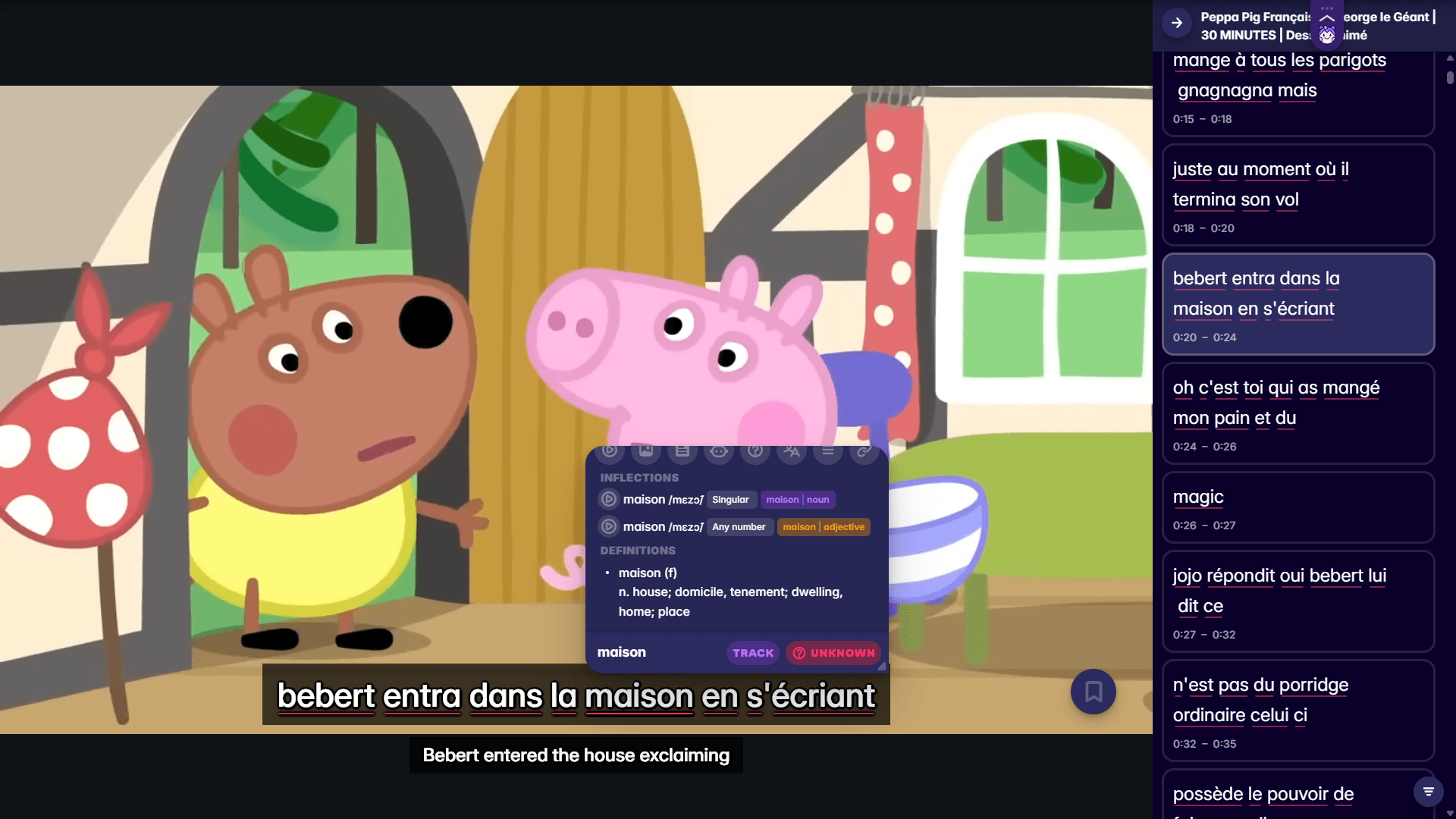
Anyway, if you want to practice French with real content and build your skills beyond just textbook greetings, Migaku's browser extension and app let you look up words instantly while watching French shows or reading French articles. Makes immersion learning way more practical. There's a 10-day free trial if you want to check it out.
 ---
## FAQs
Well, as we've covered, the standard is enchanté, but you have all these other options depending on formality and context. "It's nice to meet u in French" (casual spelling aside) is the same as above. Go with enchanté for most situations. "It's pleasure to meet you in French" translates directly to "c'est un plaisir de vous rencontrer." That's your formal, polite option.
Your best bets are "enchanté de vous rencontrer," "ravi de vous rencontrer," or "c'est un plaisir de faire votre connaissance." All three work perfectly in professional or respectful contexts.
Yes, exactly. It's the most common translation and the phrase you'll hear most often. Think of it as the default greeting when meeting someone new.
---
## Use the language and talk to yourself
This may sound stupid, but it's the best option to practice when you can't travel to a French-speaking environment. Practice these phrases out loud before you need them. Say them in front of a mirror, record yourself, or practice with a language partner. The more comfortable you are saying them, the more confident you'll sound when actually meeting French speakers. And remember, [language learning happens](https://migaku.com/blog/language-fun/comprehensible-input-method-language-learning) through real use, whether it happens in media consumption or speaking practice.
> If you consume media in French, and you understand at least some of the messages and sentences within that media, you will make progress. _Period_.
The language you consume for fun is the language you will actually keep.😀
---
## FAQs
Well, as we've covered, the standard is enchanté, but you have all these other options depending on formality and context. "It's nice to meet u in French" (casual spelling aside) is the same as above. Go with enchanté for most situations. "It's pleasure to meet you in French" translates directly to "c'est un plaisir de vous rencontrer." That's your formal, polite option.
Your best bets are "enchanté de vous rencontrer," "ravi de vous rencontrer," or "c'est un plaisir de faire votre connaissance." All three work perfectly in professional or respectful contexts.
Yes, exactly. It's the most common translation and the phrase you'll hear most often. Think of it as the default greeting when meeting someone new.
---
## Use the language and talk to yourself
This may sound stupid, but it's the best option to practice when you can't travel to a French-speaking environment. Practice these phrases out loud before you need them. Say them in front of a mirror, record yourself, or practice with a language partner. The more comfortable you are saying them, the more confident you'll sound when actually meeting French speakers. And remember, [language learning happens](https://migaku.com/blog/language-fun/comprehensible-input-method-language-learning) through real use, whether it happens in media consumption or speaking practice.
> If you consume media in French, and you understand at least some of the messages and sentences within that media, you will make progress. _Period_.
The language you consume for fun is the language you will actually keep.😀