# How to Say Please in Italian: Per Favore, Piacere & More Ways to Say Please
> Say please in Italian with per favore, per piacere, and per cortesia. Includes pronunciation, examples, and cultural tips for polite requests.
**URL:** https://migaku.com/blog/language-fun/please-in-italian
**Last Updated:** 2026-03-27
**Tags:** vocabulary, phrases
---
Learning how to say please in Italian is one of those essential skills that'll make your interactions smoother whether you're ordering coffee in Rome or asking for directions in Florence. The good news? Italians have several ways to express politeness, and they're all pretty straightforward to learn. In this guide, you'll discover the main expressions for making polite requests, when to use each one, and some cultural insights that'll help you sound more natural if you're [learning Italian](https://migaku.com/learn-italian).
----
## The main way to say please in Italian
**Per favore** is your go-to phrase for saying please in Italian. You'll hear it everywhere, from restaurants to shops to casual conversations. It works in basically any situation where you need to make a polite request.
The pronunciation is pretty straightforward: "pehr fah-VOH-reh." The stress falls on the third syllable, which is typical for many Italian words. You can use per favore at the beginning or end of a sentence, and both sound natural.
Here are some practical examples:
- Per favore, un caffè.
*A coffee, please.*
- Mi puoi aiutare, per favore?
*Can you help me, please?*
- Per favore, dov'è la stazione?
*Please, where is the station?*
The phrase literally translates to "for favor," which makes sense when you think about it. You're asking someone to do you a favor. Pretty similar to how English speakers use "please" in that respect.
----
## Per piacere as an alternative
**Per piacere** is another common way to say please in Italian, and honestly, it's pretty much interchangeable with per favore in most situations. The word piacere means "pleasure," so you're essentially saying "for pleasure."
Pronunciation-wise, it's "pehr pyah-CHEH-reh." That "cia" sound can be tricky for English speakers at first, but it sounds like "cha" in "chat."
Some Italians prefer per piacere in certain contexts, while others use it and per favore completely interchangeably. Regional preferences exist, but you won't offend anyone by choosing one over the other. Both are perfectly polite and acceptable across Italy.
Examples in action:
- Per piacere, parla più lentamente.
*Please, speak more slowly.*
- Mi passi il sale, per piacere?
*Can you pass me the salt, please?*
- Per piacere, chiudi la porta.
*Please, close the door.*
----
## Per cortesia for extra formality
When you want to sound particularly formal or respectful, **per cortesia** is your phrase. It translates to "for courtesy" and carries a more elevated tone than per favore or per piacere.
You'd typically use per cortesia in professional settings, when speaking to someone significantly older, or in formal written communication. It's less common in everyday casual conversation, but knowing it shows you understand the nuances of Italian politeness.
The pronunciation is "pehr kohr-teh-ZEE-ah," with the stress on the third syllable.
Examples where per cortesia fits well:
- Per cortesia, potrebbe firmare qui?
*Could you please sign here?* (formal)
- Per cortesia, mi invii i documenti.
*Please send me the documents.* (professional email)
- Signore, per cortesia, aspetti qui.
*Sir, please wait here.* (very polite)
----
## Using grazie in requests
Here's something that surprises a lot of language learners: Italians often use **grazie** (thank you) where English speakers would say "please." This is especially common when ordering food or drinks.
Instead of saying "Un caffè, per favore," many Italians simply say "Un caffè, grazie." It sounds more casual and friendly. The logic is that you're thanking them in advance for what they're about to do for you.
This works particularly well in cafes, restaurants, and shops:
- Due cappuccini, grazie.
*Two cappuccinos, thanks.*
- Il conto, grazie.
*The bill, thanks.*
- Un biglietto per Roma, grazie.
*A ticket to Rome, thanks.*
----
## Ti prego and la prego for urgent requests
When you really need something or you're making an emotional appeal, **ti prego** (informal) or **la prego** (formal) are the phrases to use. These translate to "I beg you" or "I implore you," which sounds dramatic in English but is pretty normal in Italian.
The verb pregare means "to pray" or "to beg," so these expressions carry more weight than a simple per favore. You'd use them when you're genuinely asking for something important or when you want to emphasize how much you need help.
Ti prego is for people you know well or younger people:
- Ti prego, non dirlo a nessuno.
*Please, don't tell anyone.* (I'm begging you)
- Aiutami, ti prego!
*Help me, please!* (urgent)
- Ti prego, ascoltami.
*Please, listen to me.* (emotional)
La prego is the formal version for strangers, older people, or professional situations:
- La prego, mi creda.
*Please, believe me.* (formal)
- Dottore, la prego, è urgente.
*Doctor, please, it's urgent.*
- La prego di scusarmi.
*I beg you to excuse me.* (very formal)
----
## Si prega di for official contexts
In written Italian, especially on signs and official notices, you'll see **si prega di** followed by an infinitive verb. This is the most impersonal and formal way to make a request.
It literally means "one is requested to" or "please" in a very official sense. You won't use this in conversation, but you'll definitely see it around Italy.
Common examples on signs:
- Si prega di non fumare.
*Please do not smoke.*
- Si prega di spegnere i cellulari.
*Please turn off cell phones.*
- Si prega di fare la fila.
*Please form a line.*
This construction is useful to recognize when you're reading instructions or following rules in public spaces.
----
## Making polite requests with conditional mood
Here's where Italian politeness gets interesting. The language relies heavily on the **conditional mood** to sound polite, sometimes even more than using explicit "please" words.
Instead of saying "Puoi aiutarmi?" (Can you help me?), saying "Potresti aiutarmi?" (Could you help me?) automatically sounds more polite. The conditional tense softens the request.
Some examples:
- Potrebbe dirmi l'ora?
*Could you tell me the time?* (formal)
- Vorresti venire con me?
*Would you like to come with me?* (informal)
- Potresti parlare più piano?
*Could you speak more quietly?*
When you combine the conditional with per favore or per piacere, you get maximum politeness:
- Potresti chiudere la finestra, per favore?
*Could you close the window, please?*
- Vorrebbe ripetere, per cortesia?
*Would you repeat that, please?* (formal)
This is actually more important than many learners realize. In Italian culture, how you phrase your request matters just as much as adding "please" to the end.
----
## "May I please have" sentences in Italian
When you want to ask "May I please have" something in Italian, you'd typically use **"Potrei avere"** (Could I have) or **"Posso avere"** (Can I have) combined with per favore.
The construction is straightforward:
- Potrei avere un bicchiere d'acqua, per favore?
*May I please have a glass of water?*
- Posso avere il menu, per piacere?
*Can I have the menu, please?*
- Potrei avere un altro tovagliolo, per cortesia?
*May I please have another napkin?* (formal)
The conditional "potrei" sounds more polite than the present tense "posso," but both work fine with per favore added.
----
## Regional variations and pronunciation notes
How do you say "please" in Rome? The same as everywhere else in Italy, but Romans tend to speak quickly and drop syllables. You might hear "pe' favore" instead of the full "per favore" in casual conversation. The pronunciation can vary slightly by region, but the words remain the same.
Northern Italians might speak more clearly and precisely, while southern dialects can soften certain consonants. But per favore, per piacere, and per cortesia are understood and used throughout the entire country.
----
## Tone matters more than words
Here's something important about Italian culture: your tone of voice and body language often matter more than the specific words you choose. You can say per favore with an impatient or rude tone and still sound impolite. Conversely, a warm smile and friendly tone can make even a direct request sound perfectly polite.
Italians are generally warm and expressive people. Making eye contact, smiling, and using a friendly tone will get you further than mechanically adding per favore to every sentence.
When you're in Italy, pay attention to how locals interact. You'll notice that politeness comes through in the whole package: facial expressions, hand gestures, tone, and word choice all working together.
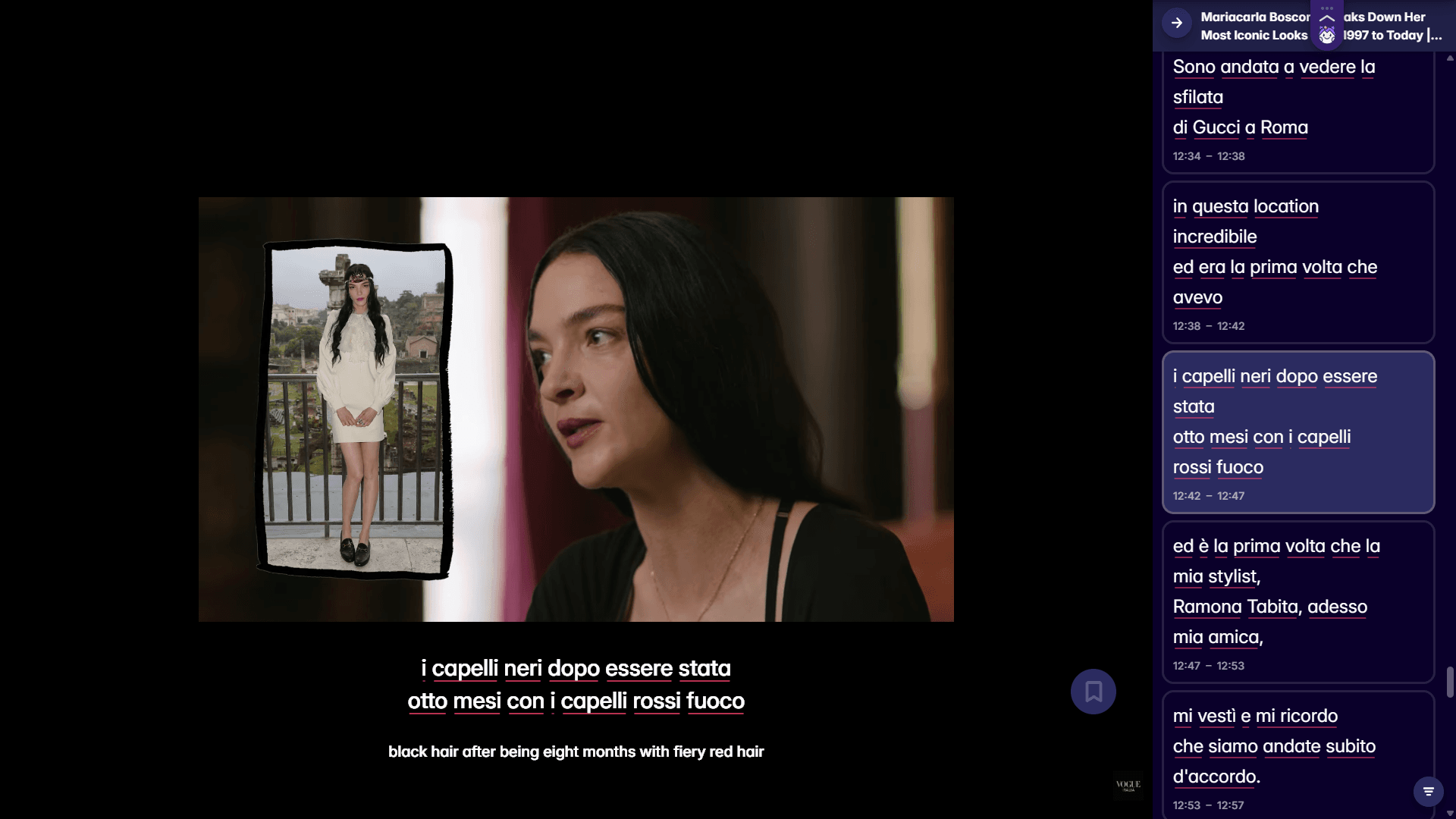
If you're serious about [learning Italian through real content](https://migaku.com/blog/language-fun/best-italian-shows-language-learners), Migaku's browser extension and app let you look up words and save sentences while watching Italian shows or reading articles. The 10-day free trial gives you enough time to see if [immersion learning](https://migaku.com/blog/language-fun/comprehensible-input-method-language-learning) clicks for you.
 ----
## Your most useful Italian politeness toolkit!
You now have all the main tools for making polite requests in Italian. Per favore and per piacere work for most everyday situations. Per cortesia adds formality when you need it. Grazie works great for quick orders. Ti prego or la prego express urgency or emotional appeals. And the conditional mood makes everything sound more polite automatically.
The best way to get comfortable with these expressions? Use them. Start with per favore since it's the most versatile, then gradually incorporate the others as you get more confident. Listen to how native speakers use these phrases in context, whether through [Italian media](https://migaku.com/blog/language-fun/best-italian-podcasts-for-language-learners), conversations, or travel experiences.
> If you consume media in Italian, and you understand at least some of the messages and sentences within that media, you will make progress. Period.
All things are difficult before they are easy!
----
## Your most useful Italian politeness toolkit!
You now have all the main tools for making polite requests in Italian. Per favore and per piacere work for most everyday situations. Per cortesia adds formality when you need it. Grazie works great for quick orders. Ti prego or la prego express urgency or emotional appeals. And the conditional mood makes everything sound more polite automatically.
The best way to get comfortable with these expressions? Use them. Start with per favore since it's the most versatile, then gradually incorporate the others as you get more confident. Listen to how native speakers use these phrases in context, whether through [Italian media](https://migaku.com/blog/language-fun/best-italian-podcasts-for-language-learners), conversations, or travel experiences.
> If you consume media in Italian, and you understand at least some of the messages and sentences within that media, you will make progress. Period.
All things are difficult before they are easy!