Portuguese Banking Vocabulary: Essential Terms You Need
Last updated: April 4, 2026
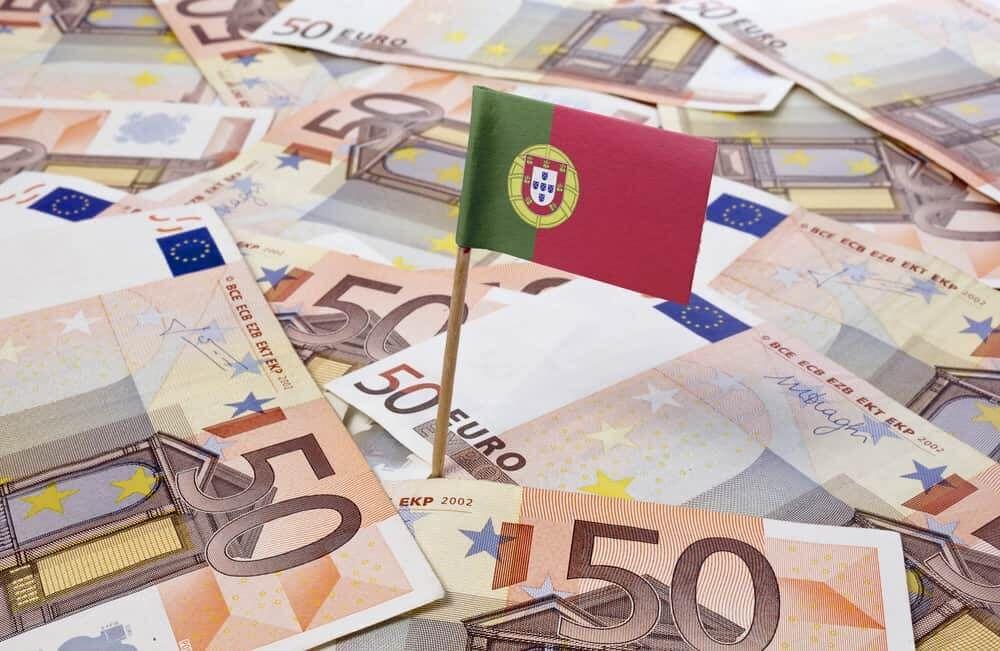
Walking into a Portuguese bank for the first time can feel like stepping into a maze of unfamiliar terms and procedures. Whether you're planning to live in Brazil, travel through Portugal, or just want to expand your Portuguese language skills, knowing banking vocabulary is pretty essential. You'll need these words for everything from opening an account to withdrawing cash at an ATM. This guide covers the practical banking terms you'll actually use, plus some cultural insights about how banking works in Portuguese-speaking countries.
- Essential bank vocabulary you need to know
- Money and currency terms in Portuguese
- Cards and payment methods
- ATM operations and vocabulary
- Banking transactions and operations
- Checks and traditional payment methods
- Fees, charges, and interest rates
- Loans and credit vocabulary
- How Portuguese banking vocabulary works across regions
- Changes in Portuguese banking vocabulary
- Learning banking vocabulary effectively
Essential bank vocabulary you need to know
Let's start with the basics. The word for bank in Portuguese is "banco," and you'll see this everywhere from bank branches to online banking platforms. When you walk into a banco, you might need to speak with a "gerente" (manager) or wait for a "caixa" (teller).
Here are the core terms you'll encounter:
Portuguese | English |
|---|---|
conta bancária | Bank account |
conta corrente | Checking account |
conta poupança | Savings account |
agência | Branch |
número da conta | Account number |
número da agência | Branch number |
The Brazilian banking system uses a specific format where you need both your account number and branch number for most transactions. This trips up a lot of people at first because you can't just give someone your account number and call it a day.
Money and currency terms in Portuguese
The word for money in Portuguese is "dinheiro," though you'll also hear "grana" in casual conversation (especially in Brazil). When talking about cash specifically, you can use "dinheiro em espécie" or just "espécie."
Brazil's currency is the "real" (plural: "reais"), abbreviated as R$. Portugal uses the euro, obviously. Here's what you need to know:
Portuguese | English |
|---|---|
moeda | Coin or currency |
nota | Bill / Banknote |
centavo | Cent |
troco | Change (money returned) |
trocar dinheiro | To exchange money |
If you're at a store and need change, you might ask "Você tem troco?" (Do you have change?). The exchange rate is "taxa de câmbio" or "cotação," and you'll check this at a "casa de câmbio" (currency exchange office).
Cards and payment methods
Credit and debit cards work a bit differently in Brazil compared to North America or Europe. The word for card is "cartão," and you'll need to specify which type:
Portuguese | English |
|---|---|
cartão de crédito | Credit card |
cartão de débito | Debit card |
cartão pré-pago | Prepaid card |
senha | PIN |
bandeira | Card network (like Visa or Mastercard) |
Here's the thing about credit cards in Brazil. When you make a purchase, the cashier will almost always ask "Crédito ou débito?" (Credit or debit?). Even if you hand them a debit card, they might still ask because some cards have both functions. Then comes another question: "À vista ou parcelado?" This translates to "In full or in installments?"
Yeah, you can pay for pretty much anything in installments in Brazil, even groceries sometimes. "Em quantas parcelas?" means "In how many installments?" You might answer "Em três vezes" (in three times) or "À vista" (in full, literally "at sight").
ATM operations and vocabulary
ATMs are called "caixas eletrônicos" or "caixas automáticos" in Portuguese. In Brazil, you'll also hear people say "ATM" in English, but the official term is caixa eletrônico.
Common ATM vocabulary includes:
Portuguese | English |
|---|---|
sacar dinheiro | To withdraw money |
saque | Withdrawal |
depósito | Deposit |
saldo | Balance |
extrato | Statement |
comprovante | Receipt |
Banking transactions and operations
Beyond basic withdrawals, you'll need vocabulary for various banking operations. A transfer is "transferência," and there are different types:
- TED (Transferência Eletrônica Disponível) - same-day transfer between different banks
- DOC (Documento de Ordem de Crédito) - next-day transfer, less common now
- PIX - instant transfer system in Brazil, super popular since 2020
PIX deserves special mention because it's revolutionized how Brazilians handle money. You can transfer money instantly using someone's phone number, email, CPF (tax ID), or a QR code. It's free for individuals and works 24/7. Pretty much everyone in Brazil uses PIX now.
Checks and traditional payment methods
Checks are called "cheques" in Portuguese, pronounced like "sheh-keys." They're becoming less common, especially in Brazil where digital payments dominate, but you still need to know the vocabulary:
Portuguese | English |
|---|---|
talão de cheques | Checkbook |
emitir um cheque | To write a check |
descontar um cheque | To cash a check |
cheque sem fundos | Bounced check (literally "check without funds") |
In Brazil, bouncing a check is serious business. Your name can go into a registry called "Serasa" or "SPC," which are credit bureaus that track financial problems.
Fees, charges, and interest rates
Banks in Brazil and Portugal charge fees for various services, and you need to understand these terms to avoid surprises:
Portuguese | English |
|---|---|
taxa | Fee / Rate |
tarifa | Charge / Fee |
juros | Interest |
taxa de manutenção | Maintenance fee |
anuidade | Annual fee (especially for credit cards) |
multa | Fine / Penalty |
IOF | Tax on financial operations (Brazil) |
Interest rates in Brazil have historically been pretty high compared to other countries. When someone talks about "juros altos" (high interest), they're usually complaining about credit card rates or loan costs.
Loans and credit vocabulary
If you need to borrow money, here's what you'll encounter:
Portuguese | English |
|---|---|
empréstimo | Loan |
financiamento | Financing (usually for big purchases) |
crédito | Credit |
parcela | Installment |
prestação | Payment installment |
entrada | Down payment |
prazo | Term / Period |
How Portuguese banking vocabulary works across regions
Brazilian Portuguese and European Portuguese share most banking vocabulary, but there are some differences. The core terms like banco, conta, and dinheiro remain the same, but you might encounter regional variations:
Brazil tends to use more English loanwords in banking. You'll hear "app" for mobile banking applications, while Portugal might use "aplicação." The PIX system is unique to Brazil. Portugal uses SEPA transfers and MBRef for payments.
Pronunciation varies too. Brazilians pronounce "cheque" with a soft "sh" sound, while Portuguese from Portugal might sound slightly different depending on the region. The meaning stays consistent though.
Changes in Portuguese banking vocabulary
Portuguese banking vocabulary does change over time, mainly because of technology. PIX didn't exist before 2020, and now it's probably the most common banking term in Brazil. Digital banks like Nubank, Inter, and C6 introduced new terminology around "conta digital" (digital account) and "cartão virtual" (virtual card).
Older terms are fading out. DOC transfers are becoming obsolete as PIX takes over. Physical checkbooks are disappearing. Some traditional banking vocabulary might become historical curiosities in another decade.
New fintech vocabulary keeps emerging. Terms like "criptomoeda" (cryptocurrency), and "carteira digital" (digital wallet) are entering everyday Portuguese. The language adapts as financial technology evolves.
Learning banking vocabulary effectively
Here's my take on learning this vocabulary. Trying to memorize word lists rarely works. You need context.
- Watch Brazilian or Portuguese YouTube videos about personal finance.
- Read banking app interfaces in Portuguese.
- Listen to people discussing money in podcasts or shows.
The Migaku approach works really well here. When you encounter banking vocabulary in real content, like a Brazilian YouTuber explaining how to use PIX or a Portuguese news article about interest rates, you're learning the word plus how it's actually used. That context makes the vocabulary stick way better than flashcards alone. There's a 10-day free trial if you want to check it out.
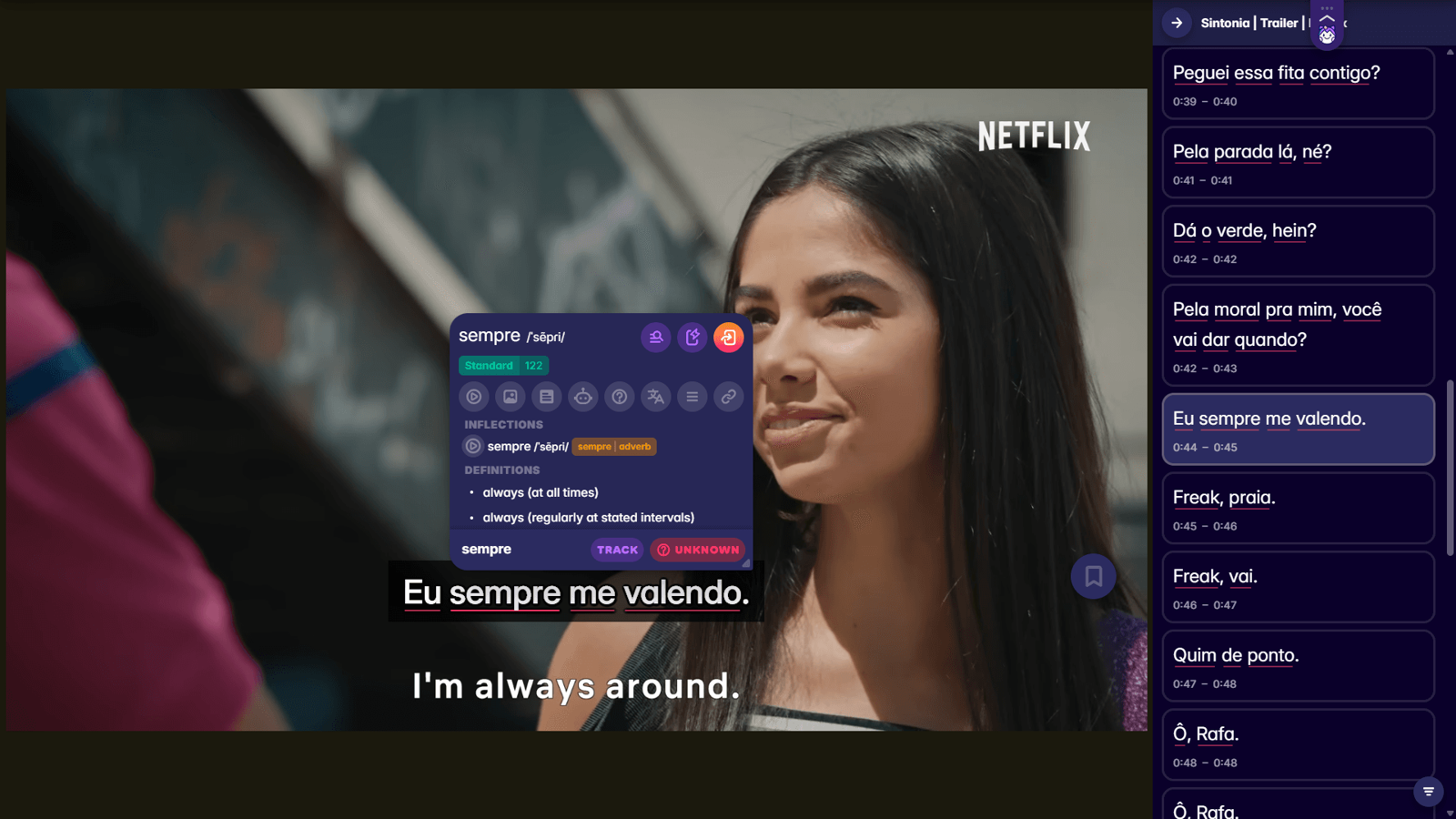
Learn Portuguese banking terms in real situations
Whether that's setting up a Brazilian bank account, shopping online in Portugal, or just understanding financial news, putting new words into your daily life helps you internalize them faster.
If you consume media in Portuguese, and you understand at least some of the messages and sentences within that media, you will make progress. Period.
Knowing finance terms should be one of your life skills!