The Camino de Santiago for Beginners: Routes, Costs, and What to Pack
Last updated: May 31, 2026
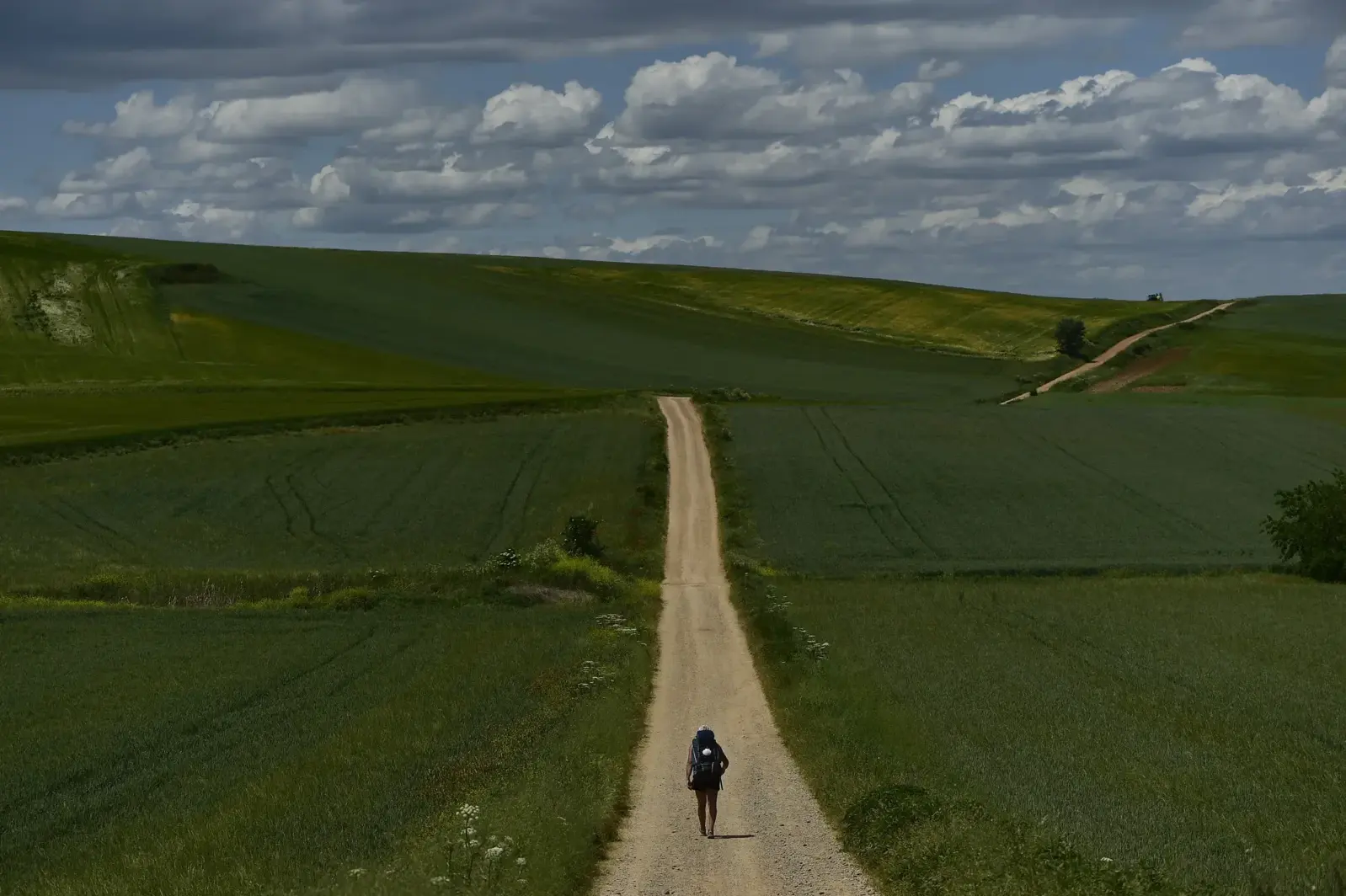
The Camino de Santiago is a network of ancient pilgrimage routes leading to the Cathedral of Santiago de Compostela in Galicia, Spain. Beginners usually complete one route in 5-35 days, sleep in shared albergues, and need only a €2 credential and two stamps per day to earn the free Compostela certificate.
Last updated: May 31, 2026
Who Can Walk the Camino de Santiago
No permits, age limits, or religious requirements exist. You only need to cover the last 100 km on foot or 200 km by bicycle to qualify for the Compostela. Citizens of the U.S., Canada, Australia, and most EU countries can enter Spain visa-free for up to 90 days. From 1 July 2026, visa-exempt travellers must obtain an ETIAS travel authorisation (€7, valid 3 years). Carry a passport valid for at least three months beyond your departure date; Spanish National Police conduct random ID checks on the route and at Santiago airport.
Choosing Your First Route
Route | Distance & Days | Terrain Highlights | Best Months |
|---|---|---|---|
Camino Francés | 780 km / 30–35 days | Rolling plateaus, Meseta plains, Galician hills | May–June, September |
Camino Portugués Central | 260 km / 10–12 days | Riverside paths, coastal Minho, urban exits | April–June, September–October |
Camino Portugués Coastal | 280 km / 12–14 days | Atlantic boardwalks, fishing villages, beaches | May–October |
Camino Inglés | 120 km / 5–6 days | Short estuary climbs, eucalyptus forests | May–June, September |
Camino Primitivo | 320 km / 13–15 days | Mountain ranges, pre-Romanesque churches | June–September |
First-timers often choose the Camino Portugués Central or the last 100 km of the Francés (Sarria to Santiago) because services are dense and navigation is straightforward.
Daily Budget Breakdown for 2026
Item | Municipal Albergue | Private Albergue | Private Hostal |
|---|---|---|---|
Bed | €8–€12 | €12–€18 | €35 single |
Pilgrim menu lunch | €11–€14 | €11–€14 | €11–€14 |
Breakfast (coffee + pastry) | €3–€4 | €3–€4 | €3–€4 |
Supermarket snacks-ons | €8–€10 | €8–€10 | €8–€10 |
Total per day | €30–€40 | €34–€46 | €57–€73 |
Extras: Credencial (€2), Compostela (free), luggage transport (€20–€25 per stage), Cruz Blanca insurance (€1.50 per day for €30,000 medical cover). Budget €40–€55 per day if you mix municipal and private lodging and eat one restaurant meal.
Document Checklist
- Passport (with 3 months validity beyond departure)
- ETIAS printout (from 1 July 2026) or Schengen visa if required
- Pilgrim Credential (credencial) – buy at first albergue or cathedral office for €2
- Travel insurance card – strongly recommended; Cruz Blanca policy for pilgrims accepted by hospitals
- Credit/debit card – rural ATMs can run out of cash on weekends
- Health insurance card (EHIC/GHIC for EU citizens)
- Printed accommodation list for backup
Application Steps (Credential & Stamps)
- Get your Credential at your starting point (cathedral office or municipal albergue). Cost: €2. Bring cash.
- Collect two stamps per day in churches, bars, albergues, or town halls. One stamp suffices on arrival day.
- Arrive at the Cathedral of Santiago Pilgrim Office with your stamped credential.
- Address: Rúa das Carretas 33, Santiago de Compostela
- Hours: 08:00–20:00 (1 Apr–31 Oct) / 10:00–19:00 (1 Nov–31 Mar)
- Queue & receive the Compostela – issued free. Peak season (Jul–Aug) wait: 45–90 min; off-season (Jan–Feb): 5–15 min.
- Attend the Pilgrim Mass at 12:00 daily; arrive 30 min early for seating.
What to Pack (May–October Kit)
Clothing
- 2 moisture-wicking T-shirts (quick-dry)
- 1 long-sleeve shirt for sun or cool mornings
- 1 fleece or lightweight down jacket
- 1 pair hiking trousers (zip-off legs optional)
- 1 pair shorts
- 3 pairs merino socks + 3 underwear
- 1 rain jacket (packable)
- 1 wide-brim hat or cap
- 1 pair camp shoes (flip-flops or Crocs)
Gear
- 30–40 L backpack backpack (max 10 % body weight loaded)
- Sleeping bag liner (cotton or silk; mandatory in municipal albergues)
- Collapsible 1 L water bottle + 1 soft flask
- Quick-dry microfiber towel
- Headlamp with red-light mode
- Phone + USB-C cable + lightweight 10,000 mAh power bank
- Earplugs & eye mask
- Basic first-aid: Compeed blister plasters, ibuprofen, tweezers, antiseptic wipes
- Laundry soap sheets or small bottle
- Small combination lock (for albergue lockers)
- Lightweight dry bags for organizing clothes
Common Beginner Mistakes and How to Avoid Them
- Overpacking – Use a luggage scale; target 6–8 kg total. Post excess items ahead via Correos Paq Mochila (€20–€25 per stage).
- Skipping rest days – Plan at least one zero day in León, Porto, or Santiago to avoid injury.
- Walking without insurance – Hospital Xeral in Santiago treats pilgrims; the Cruz Blanca policy (€1.50/day) covers €30,000 emergency costs and is recognized on-site.
- Ignoring municipal rules – Municipal albergues allow one night only, check-in opens at 13:00, lights-out at 22:00. Respect the curfew.
- Running out of cash – Rural ATMs may be empty on Sundays. Withdraw €150–€200 in larger towns.
Frequently Asked Questions
Do I need to speak Spanish?
Basic phrases help but are not required. Albergue staff and most pilgrims speak English. A pocket list of key words (Spanish language basics for pilgrims) smooths interactions.
Which SIM card works best?
Orange Spain’s “Mundo” prepaid SIM (€20, 100 GB, 28 days) has coverage along all major routes. Buy at Madrid or Barcelona airport.
Can I cycle instead of walk?
Yes. The 200 km rule applies: start at least 200 km from Santiago (e.g., Porto on the Camino Portugués). Cyclists need a helmet and two stamps per day.
Are dogs allowed?
Private albergues and some hotels accept dogs; municipal ones generally do not. Book ahead and carry a pet passport.
What if I get injured?
Dial 112 (free, English-speaking operator) or the Galicia pilgrim hotline 900 815 815. Rural health posts (centro de salud) treat minor injuries; Santiago’s Hospital Clínico handles serious cases.
Is the route safe for solo women?
Yes. Police patrols and high pilgrim density create a safe environment. Walk with others at night or take taxis in isolated stretches.
When is the next Holy Year?
The Xacobeo 2027 Holy Year begins 31 December 2026. The Holy Door opens the same day and closes 31 December 2027. Expect crowds and book accommodation early.
If you’d like to brush up on Spanish before you go, Migaku turns everyday videos into study material so you can handle menus, albergue conversations, and emergencies with confidence on the trail.