Three Days in Madrid: A First-Timer's Itinerary
Last updated: May 20, 2026
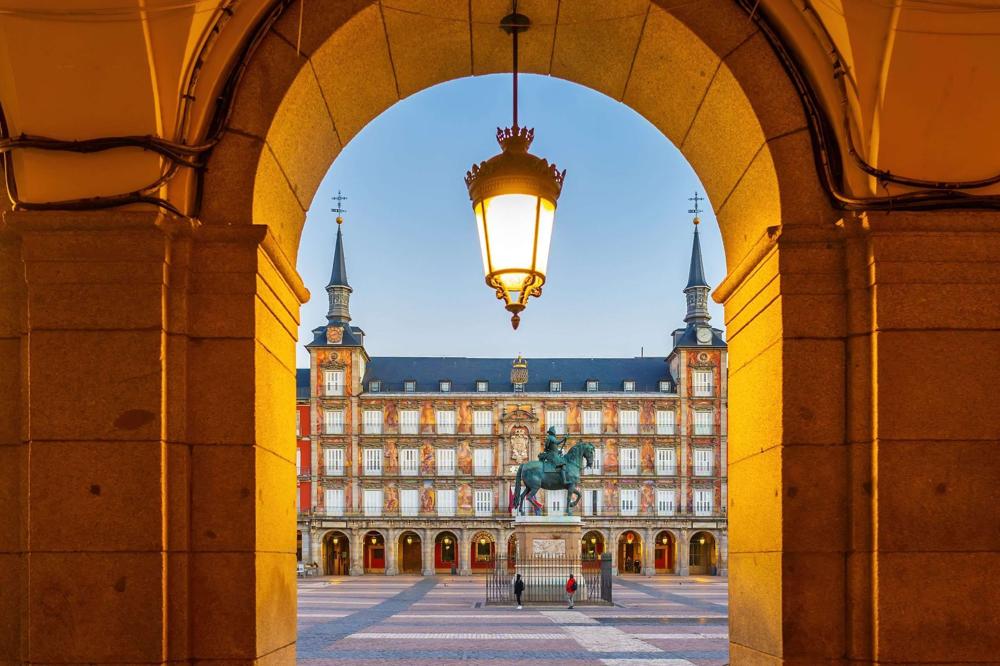
Three days is enough to see central Madrid properly if you plan around museum free hours, walk between the main districts, and use the metro for the longer hops. This itinerary maps out a realistic route for a first-time visitor arriving by air, with current fees, opening times, and the practical details that trip up newcomers.
Last updated: May 20, 2026
Before You Arrive: Entry Rules and Costs to Know
If you hold a US, UK, Canadian, Australian, or other visa-exempt passport, two EU systems affect your arrival in 2026:
- EU Entry/Exit System (EES): Already in phased rollout at Madrid-Barajas. Expect biometric registration (fingerprints, facial scan) instead of a passport stamp on your first entry. Full rollout is expected by the end of April 2026.
- ETIAS: The EU travel authorisation for visa-exempt nationals is scheduled to launch in Q4 2026. The fee is around €7 and a single authorisation is valid up to three years or until your passport expires. As of May 2026 it is not yet operational, so check the European Commission's official page close to your travel date.
A few more baseline facts:
- Madrid does not charge a general hotel or tourist accommodation tax in 2026, unlike Barcelona or the Balearic Islands.
- All accommodation providers (hotels and short-term rentals alike) must register guests via SES Hospedajes within 24 hours of check-in under Royal Decree 933/2021. Expect to hand over your passport at check-in.
- The new IFEMA Formula 1 circuit hosts the Spanish Grand Prix on 13 September 2026, so hotel prices that week will spike. Avoid those dates unless that is the reason for your visit.
For longer-term planning beyond a short visit, see our notes on the cost of living and budgeting for Madrid.
Getting from Barajas Airport to the City
Madrid-Barajas (MAD) sits about 12 km northeast of the center. You have four sensible options:
Option | Cost (2026) | Time | Notes |
|---|---|---|---|
Metro (Line 8) | €4.50–€5.00 | 30–45 min | Includes €3 airport supplement; waived with Tourist Travel Pass |
Cercanías C-1 train (from T4) | ~€3 | 25–30 min | To Atocha/Chamartín; T4 only |
Exprés Aeropuerto Bus (Line 203) | €5 | 30–40 min | 24/7; Atocha by day, Cibeles overnight; contactless accepted |
Taxi (fixed rate) | €33 | 20–35 min | Flat fare to anywhere inside the M-30 ring |
If you plan to use public transit heavily over three days, buy the Tourist Travel Pass (Zone A) at the airport metro station. The 3-day Zone A pass costs €22.50 in 2026, covers unlimited metro, EMT bus, and Cercanías within Zone A, and waives the airport supplement. Children aged 4–11 get a 50% discount; under-4s travel free.
If you prefer pay-as-you-go, pick up a Tarjeta Multi card (€2.50, valid 10 years) and load a 10-trip Metrobús ticket for €7.30 (price held through 31 December 2026 under the regional discount extension). Single Zone A metro tickets cost €1.50 for up to 5 stations, scaling to €2.00 for 10+ stations.
The Madrid Metro runs 6:00 AM to 1:30 AM daily. For late-night arrivals, the 203 bus is the safest bet.
Where to Base Yourself
For a three-day visit, stay central. The most walkable bases are:
- Sol / Centro: Maximum convenience, touristy, can be noisy.
- Malasaña: Lively, independent shops, good food, walkable to everything.
- Chueca: Vibrant, central, excellent dining.
- La Latina: Tapas heartland, especially Sundays on Cava Baja.
- Salamanca: Quieter, upscale, better for travelers who want calm evenings.
For a deeper look at each district's character, our guide to the best neighborhoods to explore in Madrid breaks down the trade-offs.
Day 1: Historic Center, Royal Madrid, and La Latina
Morning: Habsburg Madrid
Start at Puerta del Sol, the geographic center of Spain (Kilometer Zero is marked in the pavement). Walk west to Plaza Mayor, the 17th-century arcaded square, then continue down Calle Mayor to Plaza de la Villa and on to the Royal Palace (Palacio Real).
- Royal Palace timing: The Changing of the Guard happens every Wednesday and Saturday from 11am–2pm (10am–noon from 17 June to 15 September). The Solemn Changing of the Guard is held on the first Wednesday of most months (no January, August, or September), 11am–2pm. Both are free and require no ticket.
- Free entry: EU and Ibero-American citizens can enter the palace free Monday–Thursday, 5pm–7pm April–September or 4pm–6pm October–March. Bring ID. Tickets are issued only at the on-site office during those windows.
- For the standard admission fee, check the official Patrimonio Nacional portal directly, since prices update periodically.
Next door, slip into the Catedral de la Almudena (free, donations welcome) and walk the gardens of Sabatini or Campo del Moro behind the palace.
Afternoon: Mercado de San Miguel and La Latina
Lunch at Mercado de San Miguel is convenient but pricey and crowded. Better value: head down the hill into La Latina for tapas along Cava Baja and Calle de la Cava Alta. Order vermú (vermouth on tap) before food, then move bar to bar.
Evening: Sunset and a flamenco show
Walk up to the Temple of Debod, a real Egyptian temple gifted to Spain in 1968. It is free to enter the grounds, and the western terrace is the city's classic sunset spot. For the evening, Corral de la Morería or Cardamomo offer well-regarded flamenco performances. Reserve at least a few days ahead.
Day 2: The Golden Triangle of Art
Madrid's three flagship museums sit within a 15-minute walk of each other along the Paseo del Prado. If you plan to enter all three, buy the Paseo del Arte combined ticket: it covers the Prado, Reina Sofía, and Thyssen-Bornemisza, is valid one year, and gives a 20% discount over individual admissions.
If you want to economize, time your visits around free hours.
Prado Museum
- Hours: Monday–Saturday 10am–8pm; Sundays/holidays 10am–7pm; last entry 30 minutes before closing. Closed 1 January, 1 May, and 25 December.
- Admission (2026): €15 adults; €7.50 seniors 65+; free for under-18s and students up to 26.
- Free hours: Monday–Saturday 6:00 PM–8:00 PM and Sundays 5:00 PM–7:00 PM. Free anniversary days include 18 May (International Museum Day) and 19 November (Prado anniversary). Expect long lines.
- Must-see: Velázquez's Las Meninas, Goya's Black Paintings, Bosch's Garden of Earthly Delights.
Reina Sofía Museum
- Hours: Monday–Saturday 10am–9pm (closed Tuesdays); Sundays/holidays 10am–2:30pm. Last entry 30 minutes before closing.
- Admission (2026): €12 online or at the ticket office. Free for under-18s, over-65s, and students 18–25.
- Free hours: The last two hours of each day. Free admission days in 2026 include 18 April, 18 and 22 May, 12 October, and 6 December.
- Must-see: Picasso's Guernica. Allow at least 90 minutes.
Thyssen-Bornemisza Museum
- Admission (2026): €13 adults; €9 seniors (65+) and students with valid ID; free for under-18s, unemployed, active teachers, and visitors with 33%+ disability.
- Free hours: Mondays 12:00–16:00 (permanent collection only, on-site ticket office) and Saturdays 21:00–23:00 (Thyssen Nights). Closed 1 January, 1 May, and 25 December.
A workable plan: Prado from late morning to mid-afternoon, Thyssen-Bornemisza afterward, and Reina Sofía in the final two free hours of the day.
Evening: Retiro Park and Barrio de las Letras
Walk off the museums in Parque del Retiro, free and open 6:00 AM to midnight April–September (until 10:00 PM October–March). It was designated UNESCO World Heritage in 2021 as part of the "Landscape of Light" cultural site. See the Crystal Palace (Palacio de Cristal) and rent a rowboat on the central pond.
For dinner, walk into Barrio de las Letras, the old literary quarter around Calle de las Huertas, packed with traditional tabernas.
Day 3: Markets, Modern Madrid, and a Day-Trip Option
Option A: Stay in Madrid
Start with breakfast (churros con chocolate) at Chocolatería San Ginés, open 24 hours near Sol. Then head to Malasaña for independent shops, vintage clothes, and Plaza del Dos de Mayo, followed by Chueca for design stores and lunch.
In the afternoon, walk Gran Vía end to end, detour to the rooftop bar of the Círculo de Bellas Artes (small fee for the terrace), and finish at Plaza de Cibeles and the Palacio de Cibeles observation deck.
If you have energy, the Madrid City Tour hop-on hop-off bus (24-hour ticket €21–25, 48-hour €28–33, three routes, 34 stops) is a reasonable way to cover outer sights like Bernabéu Stadium or the Salamanca district.
Option B: Day trip
Fast trains make day trips painless:
- Toledo: ~33 minutes by AVE from Atocha. Walled medieval capital, El Greco country.
- Segovia: ~30 minutes by AVE from Chamartín. Roman aqueduct and a fairytale Alcázar.
- El Escorial: ~1 hour by Cercanías C-3. Royal monastery in the mountains.
Return to Madrid for one last dinner. Sobrino de Botín (the Guinness-recognized oldest restaurant in the world, opened 1725) serves traditional roast suckling pig. Reserve well in advance.
Practical Tips and Common Pitfalls
- Eat on Spanish time. Lunch runs 2:00–4:00 PM; dinner starts at 9:00 PM. Restaurants opening earlier are usually tourist traps.
- Sunday closures. Many shops close Sundays, but museums, restaurants, and El Rastro flea market (La Latina, Sunday mornings) are open.
- Tap water is safe and free. Spanish law requires restaurants to serve free tap water on request.
- Tipping. Small change is fine, 5–10% in restaurants is generous. No obligation.
- Pickpockets. Sol, Gran Vía, the metro, and Plaza Mayor are the main hotspots. Front pockets and zipped bags.
- Taxis. Daytime starting fare (Tariff 1, Mon–Fri 7am–9pm) is €2.50; evenings and weekends (Tariff 2) €3.15, plus €1.30 per kilometer. Licensed taxis are white with a red diagonal stripe.
- Heat. July and August regularly exceed 35°C. If you visit in summer, do museums midday and walking tours early or after 7:00 PM.
- Cash. Cards work nearly everywhere, including buses. Carry €20 in coins for small bars and market stalls.
FAQs
Is three days enough for Madrid?
For the central historic core, the Golden Triangle of museums, and a feel of the main neighborhoods, yes. For day trips to Toledo, Segovia, or El Escorial, you'll want a fourth day.
What is the best month to visit?
April–June and September–October offer the best balance of weather and prices. Avoid the week of the Spanish Grand Prix (13 September 2026) unless that is the goal.
Do I need to book museum tickets in advance?
For the Prado and Reina Sofía, yes during peak season (April–October, holidays, weekends). The Thyssen is usually easier to walk into.
Is Madrid walkable?
The historic center, Retiro, the museums, Malasaña, Chueca, and La Latina are all walkable from one another. Use the metro for Bernabéu, the airport, or anywhere beyond the M-30 ring.
Is Madrid more affordable than Barcelona?
Generally yes, especially for accommodation, and Madrid does not levy the regional tourist tax that Catalonia and the Balearics charge in 2026.
What about other Spanish cities?
If you have more time and want a contrast, see our guide to living in nearby Seville as an alternative.
If you're heading to Madrid and want to actually understand the menus, the bartenders, and the conversations around you, learning Spanish through real Spanish content makes the trip more rewarding. Try Migaku if that sounds useful.