Vietnamese Clothing Vocabulary: Discuss and Shop Clothes in Vietnamese
Last updated: April 5, 2026
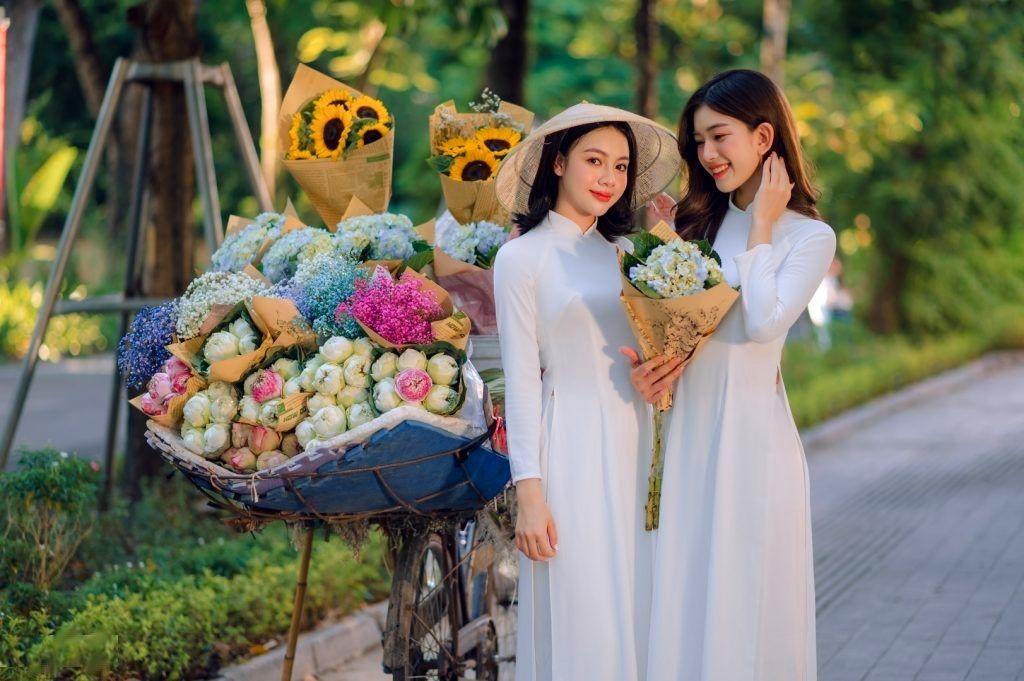
Learning a new language means picking up the words you'll actually use in daily life, and clothing vocabulary sits right at the top of that list. Whether you're shopping at a Vietnamese market, complimenting someone's outfit, or just trying to describe what you're wearing, learning Vietnamese clothing terms makes everything easier. Vietnamese clothing vocabulary follows some interesting patterns that differ from English, especially with how words combine and how formal versus casual speech affects your choices.
- How Vietnamese clothing vocabulary works
- Essential Vietnamese clothing words
- Traditional Vietnamese clothing terms
- Accessories and additional clothing items
- Shopping phrases using clothing vocabulary
- How Vietnamese describes clothing colors and patterns
- Learning strategies for Vietnamese clothing vocabulary
- Resources for expanding your clothing vocabulary
How Vietnamese clothing vocabulary works
Vietnamese handles clothing terms differently from English. The language builds clothing words by combining basic terms with descriptors, which means you'll see the same core words pop up repeatedly.
The word "áo" appears in tons of clothing items because it means "upper garment" or "shirt." You'll find it in áo sơ mi (dress shirt), áo thun (t-shirt), and áo khoác (jacket).
Similarly, "quần" means pants or trousers, showing up in quần dài (long pants), quần short (shorts), and quần jean (jeans).
Here's something pretty cool: Vietnamese borrows some English fashion terms directly but adapts the pronunciation. You'll hear "t-shirt" become "ti-sơ" in casual speech, though áo thun remains the standard term. Same goes for "jean" which gets pronounced more like "gin" but written as jean.
The structure makes learning faster once you grasp the pattern. Master the base words, then add modifiers to create specific items. It's way more systematic than English, where we have completely different words for similar items.
Essential Vietnamese clothing words
Let's start with the basics that come up in everyday conversations.
For tops, you've got:
Vietnamese | English |
|---|---|
áo sơ mi | Dress shirt or blouse |
áo thun | T-shirt |
áo khoác | Jacket or coat |
áo len | Sweater |
áo ba lỗ | Tank top (literally "three-hole shirt") |
The pants category uses quần as the foundation:
Vietnamese | English |
|---|---|
quần dài | Long pants |
quần short | Shorts |
quần jean | Jeans |
quần tây | Dress pants (literally "Western pants") |
quần lót | Underwear |
Footwear revolves around "giày" (shoe) and "dép" (sandal):
Vietnamese | English |
|---|---|
giày thể thao | Sneakers (literally "sports shoes") |
giày cao gót | High heels |
dép lê | Flip-flops / Slippers |
dép xăng-đan | Sandals |
For dresses and skirts, Vietnamese uses:
Vietnamese | English |
|---|---|
váy | Skirt or dress |
đầm | Dress (typically more formal) |
chân váy | Skirt (literally "skirt bottom") |
The word "mặc" means to wear for clothing on your body, while "đi" means to wear for shoes. So you'd say "mặc áo" (wear a shirt) but "đi giày" (wear shoes). Getting this verb distinction right matters for sounding natural.
Traditional Vietnamese clothing terms
Vietnamese traditional clothing carries cultural significance, and knowing these terms helps you navigate cultural conversations and shopping situations.
- The áo dài stands as Vietnam's national garment. This long tunic splits at the sides and gets worn over pants, typically for special occasions, formal events, or by students in some schools. The name literally means "long shirt," and you'll see variations like áo dài cưới (wedding áo dài) or áo dài cách tân (modernized áo dài).
- The áo bà ba represents everyday traditional wear in southern Vietnam. Farmers and rural workers often wear this comfortable, loose-fitting shirt with a button-down front. It's practical and breathable, perfect for Vietnam's climate.
- For headwear, the nón lá (conical hat, literally "leaf hat") remains iconic. You'll spot these throughout Vietnam, especially in rural areas and tourist spots. The nón quai thao refers to a specific style with chin straps, commonly worn by women in central Vietnam.
Learning these terms matters beyond vocabulary. When you use them correctly, you show respect for Vietnamese culture and can engage more meaningfully with locals about traditions and customs.
Accessories and additional clothing items
Accessories round out your wardrobe vocabulary and come up frequently in shopping and fashion discussions.
For bags and carrying items:
Vietnamese | English |
|---|---|
túi xách | Handbag / Purse |
ba lô | Backpack |
cặp | Briefcase / School bag |
ví | Wallet |
Jewelry and accessories include:
Vietnamese | English |
|---|---|
dây chuyền | Necklace |
vòng tay | Bracelet |
nhẫn | Ring |
khuyên tai | Earrings |
đồng hồ | Watch |
Head and neck accessories:
Vietnamese | English |
|---|---|
mũ | Hat / Cap |
khăn quàng cổ | Scarf |
thắt lưng | Belt |
cà vạt | Necktie |
Weather-related items:
Vietnamese | English |
|---|---|
áo mưa | Raincoat |
ô | Umbrella |
găng tay | Gloves |
The term "đồ" works as a general classifier for items or things. You'll hear "đồ trang sức" (jewelry, literally "decorative items") or "đồ phụ kiện" (accessories). This word helps you describe categories when you don't know the specific term for something.
Shopping phrases using clothing vocabulary
Knowing the words helps, but using them in real shopping situations takes your Vietnamese to the next level.
When browsing, you might ask:
- Cái áo này bao nhiêu tiền?
How much is this shirt? - Có size lớn hơn không?
Do you have a bigger size? - Tôi có thể thử không?
Can I try this on?
Describing what you want:
- Tôi đang tìm một chiếc quần jean màu đen.
I'm looking for black jeans. - Bạn có áo sơ mi màu trắng không?
Do you have white dress shirts?
Common responses you'll hear:
- Vừa vặn không?
Does it fit? - Đẹp lắm!
Very beautiful / nice! - Hơi chật / rộng.
A bit tight / loose.
Size terms in Vietnamese often use English letters (S, M, L, XL) in modern stores, but traditional measurements still appear in markets. You might hear "số" followed by a number for numbered sizes.
The verb "mua" means to buy, so "mua áo" means buying a shirt. "Bán" means to sell.
How Vietnamese describes clothing colors and patterns
Colors attach directly to clothing items to create specific descriptions. The word "màu" means color, and it typically comes before the color name.
Basic colors you'll use constantly:
Vietnamese | English |
|---|---|
màu đỏ | Red |
màu xanh dương | Blue |
màu xanh lá cây | Green (literally "leaf color") |
màu vàng | Yellow |
màu đen | Black |
màu trắng | White |
màu nâu | Brown |
màu hồng | Pink |
Vietnamese distinguishes between blue and green with different "xanh" combinations, which trips up many English speakers initially. "Xanh dương" refers to ocean blue, while "xanh lá cây" means tree-leaf green.
For patterns and styles:
Vietnamese | English |
|---|---|
sọc | Striped |
chấm bi | Polka dots |
hoa | Floral pattern |
trơn | Plain / Solid color |
kẻ | Checkered |
You combine these directly with clothing items: "áo sơ mi sọc" (striped dress shirt) or "váy hoa" (floral dress). The adjectives typically follow the noun in Vietnamese, opposite to English word order.
Learning strategies for Vietnamese clothing vocabulary
Memorizing lists sucks. You need context and repetition with actual usage to make these words stick.
- Watching Vietnamese shopping content on YouTube gives you natural exposure. Fashion hauls, shopping vlogs, and style videos use this vocabulary constantly. You'll hear the words in context, see the items being described, and pick up the natural rhythm of how Vietnamese speakers discuss clothing.
- Vietnamese dramas and shows provide another goldmine. Characters talk about what they're wearing, compliment each other's outfits, and go shopping. The subtitles help you connect spoken words to written forms.
- Flashcard apps work best when you include example sentences, not just isolated words. Instead of just "áo khoác = jacket," create cards with full sentences like "Tôi cần mua một cái áo khoác mới" (I need to buy a new jacket). This builds your ability to actually use the vocabulary.
- Physical shopping trips, even if you're just browsing, force you to engage with the vocabulary actively. Looking at price tags, asking questions, and describing what you want all reinforce the words through real-world use.
- Language exchange partners can help you practice describing outfits. Try explaining what you're wearing each day, or describe someone else's clothing. This active production solidifies the vocabulary way faster than passive recognition.
Resources for expanding your clothing vocabulary
Beyond basic word lists, you want resources that show you how Vietnamese speakers use these terms.
- Vietnamese fashion magazines and websites use current, trendy vocabulary. Sites like Kenh14 or Eva.vn feature fashion sections with contemporary language that reflects how younger Vietnamese people talk about clothes today.
- Instagram accounts from Vietnamese fashion influencers provide daily exposure to clothing vocabulary in casual, authentic contexts. The captions often mix Vietnamese and English in ways that reflect actual usage patterns.
- Vietnamese shopping apps like Shopee Vietnam or Lazada Vietnam let you browse real product listings with descriptions entirely in Vietnamese. Reading these descriptions builds your ability to understand detailed clothing specifications and marketing language.
- YouTube channels focused on Vietnamese lessons often include dedicated clothing vocabulary episodes. Channels like "Learn Vietnamese with TVO" or "VietnamesePod101" break down pronunciation and usage in structured ways.
- For more formal study, the lesson structure in textbooks like "Elementary Vietnamese" by Binh Ngo includes clothing vocabulary units with dialogues and exercises. These provide the grammatical framework for using the vocabulary correctly.
If you're serious about learning Vietnamese through real content, Migaku's browser extension and app let you look up words instantly while watching Vietnamese shows or reading fashion blogs. Makes the whole immersion thing way more practical. There's a 10-day free trial if you want to check it out.

Challenge yourself with buying clothes in Vietnamese!
Shopping in Vietnamese markets, watching fashion content, and describing your daily outfits all push these words from your passive vocabulary into active use. That's where the magic happens. You stop translating in your head and start thinking directly in Vietnamese about what you're wearing and what you want to buy.
If you consume media in Vietnamese, and you understand at least some of the messages and sentences within that media, you will make progress. Period.
You won't know you're ready until you begin!