# What Is Your Name in French: How to Ask and Say Your Name
> Ask "What is your name" in French with Comment t'appelles-tu and respond with Je m'appelle. Includes audio, formal vs informal usage, and dialogues.
**URL:** https://migaku.com/blog/language-fun/what-is-your-name-in-french
**Last Updated:** 2026-02-24
**Tags:** fundamentals, vocabulary, phrases
---
So you're [learning French](https://migaku.com/learn-french) and need to know how to introduce yourself? Good call. Asking someone's name and giving yours is literally the first thing you'll do in any French conversation, whether you're traveling in Paris, sitting in a language class, or just trying to make friends online. Let's break down exactly how to ask and say your name in French, with all the [pronunciation](https://migaku.com/blog/language-fun/french-alphabet-pronunciation-guide) help you need.
---
## How to ask "What is your name?" in French
> 💡 The Most Common Way 💡
The most common way to ask someone's name in French is "Comment t'appelles-tu?" for informal situations or "Comment vous appelez-vous?" when you need to be formal. Both literally translate to "How do you call yourself?" which might sound weird in English, but that's just how French works.
Here's the breakdown:
- **"Comment t'appelles-tu?"** (informal) is pronounced roughly like "koh-mohn tah-PELL-too". You'd use this with friends, kids, people your age, or anyone you're on casual terms with.
- **"Comment vous appelez-vous?"** (formal) sounds like "koh-mohn vooz ah-play-VOO". This is for strangers, older people, professional settings, or anyone you want to show respect to.
The difference between these two comes down to the **tu/vous distinction**, which is basically French's way of separating casual and formal relationships. Tu is like talking to a buddy, while vous is more respectful or used when addressing multiple people.
There's also a simpler version you'll hear sometimes: "Quel est votre nom?" (formal) or "Quel est ton nom?" (informal), which directly translates to "What is your name?" This sounds more like English, but honestly, most French speakers prefer the "comment" versions for everyday conversation. The "quel est" phrasing feels a bit stiff and formal, like something you'd hear in an official setting or on a form.
---
## How to say "My name is" in French: Je m'appelle
Once someone asks your name, you need to respond.
> The most common way is **"Je m'appelle (your name)"**, which literally means "I call myself (name)". It's pronounced "zhuh mah-PELL (name)".
So if your name is Sarah, you'd say "Je m'appelle Sarah" (zhuh mah-PELL sah-RAH). If you're John, it's "Je m'appelle John" (zhuh mah-PELL zhohn). Pretty straightforward.
The "je m'appelle" construction uses the same reflexive verb as the question (s'appeler, meaning "to call oneself"). The "m'" is actually "me" shortened because it comes before a vowel. French loves its contractions.
---
## Other ways to introduce yourself
Beyond "je m'appelle", you've got a few other options for saying your name:
1. "Mon nom est (name)" translates directly to "My name is (name)". It's grammatically correct and you'll see it in [textbooks](https://migaku.com/blog/language-fun/best-french-textbooks), but actual French speakers don't use it as much in casual conversation. It sounds a bit formal or official.
2. "Je suis (name)" means "I am (name)" and works perfectly fine. This is super casual and common, especially in relaxed settings. "Je suis Marc" is totally natural.
3. "Moi, c'est (name)" is probably the most casual way to introduce yourself. It literally means "Me, it's (name)" and has a very conversational feel. You'll hear this a lot among younger French speakers or in informal situations. "Moi, c'est Julie" sounds friendly and approachable.
Each of these has slightly different vibes. Je m'appelle is the standard, safe choice that works everywhere. Je suis is simple and direct. Moi, c'est is relaxed and casual. Pick based on the situation.
---
## Formal vs informal introductions
Understanding when to use tu versus vous makes a huge difference in French. Getting it wrong won't cause a disaster, but it can make things awkward.
**Use the informal "Comment t'appelles-tu?"** and respond with any of the casual options when you're talking to:
- Friends and family
- Children and teenagers
- Classmates or coworkers you're friendly with
- People who've told you to use tu
- Other young people in casual settings
**Use the formal "Comment vous appelez-vous?"** when addressing:
- Strangers you've just met
- Older people (especially if there's a significant age gap)
- Professionals in business settings
- Teachers, bosses, or authority figures
- Anyone in a customer service interaction
- Groups of people (vous is also the plural "you")
Here's the thing: **if you're unsure, go with vous.** French people will usually tell you if they want you to switch to tu. They might say "On peut se tutoyer" (We can use tu with each other), which is your signal to drop the formality.
In Quebec and some other French-speaking regions, the rules are a bit more relaxed and people tend to use tu more freely. But in France, especially in professional contexts, vous is the safer bet.
---
## Common expressions after introducing yourself in French
Once you've mastered asking and saying names, you'll want to expand your introduction skills. Here are some useful follow-up phrases:
- "Ravi de faire votre connaissance" (formal) or "Ravi de te connaitre" (informal) both mean "Pleased to meet you" and sound a bit more sophisticated than just "enchante".
- "Comment ca s'ecrit?" means "How do you spell that?" which is super useful when someone tells you their name and you want to write it down or remember it correctly.
- "Vous pouvez repeter?" (formal) or "Tu peux repeter?" (informal) means "Can you repeat that?" Perfect for when you didn't catch someone's name the first time.
- "C'est un joli nom" means "That's a pretty name" and works as a nice compliment after someone introduces themselves.
Learning these phrases helps you move beyond the absolute basics and have more natural conversations. Real interactions don't stop at name exchanges, so building out your introduction [vocabulary](https://migaku.com/blog/language-fun/anki-settings-for-language-learning) makes a big difference.
---
## Full introduction dialogues
Let me give you some realistic conversation examples so you can see how this actually plays out.
### Informal introduction
- Person A: "Salut! Comment t'appelles-tu?"
*Hi! What's your name?*
- Person B: "Je m'appelle Marie. Et toi?"
*My name is Marie. And you?*
- Person A: "Moi, c'est Thomas. Enchanté!"
*I'm Thomas. Nice to meet you!*
### Formal introduction
- Person A: "Bonjour. Comment vous appelez-vous?"
*Hello. What is your name?*
- Person B: "Je m'appelle Monsieur Dubois. Et vous?"
*My name is Mr. Dubois. And you?*
- Person A: "Je m'appelle Madame Laurent. Enchantée."
*My name is Mrs. Laurent. Nice to meet you.*
Notice how "enchante" (for men) or "enchantee" (for women) gets added at the end? That's the standard "nice to meet you" in French. The extra "e" on enchantee is the feminine form, though honestly, you can barely hear the difference when spoken.
### Casual introduction with follow-up
- Person A: "Hey! Comment tu t'appelles?"
*Hey! What's your name?*
- Person B: "Je m'appelle Lucas. Et toi, c'est quoi ton nom?"
*My name is Lucas. And you, what's your name?*
- Person A: "Moi, c'est Sophie. Tu es d'où?"
*I'm Sophie. Where are you from?*
That last question, "Tu es d'ou?" (Where are you from?), is a super common follow-up after introductions. Learning to ask and answer basic questions like this helps you move beyond just exchanging names.
---
## Common mistakes to avoid
When you're learning to introduce yourself in French, watch out for these typical errors:
1. Forgetting the reflexive pronoun: It's "je m'appelle", not "j'appelle". That "m'" is crucial because the verb is reflexive. Saying "j'appelle" means "I call" or "I'm calling", which doesn't work for introductions.
2. Mixing up tu and vous: Using tu with someone who expects vous can seem rude, even if you don't mean it that way. When in doubt, start with vous.
3. Pronouncing the final consonants: French typically doesn't pronounce final consonants. In "comment", you don't say the T. In "appelles", the S is silent. Getting this wrong makes you sound very English.
4. Using "mon nom est" too much: While grammatically correct, it sounds awkward in casual conversation. Stick with "je m'appelle" as your default.
5. Forgetting "et toi?" or "et vous?": After giving your name, asking "and you?" keeps the conversation flowing naturally. It's polite and expected.
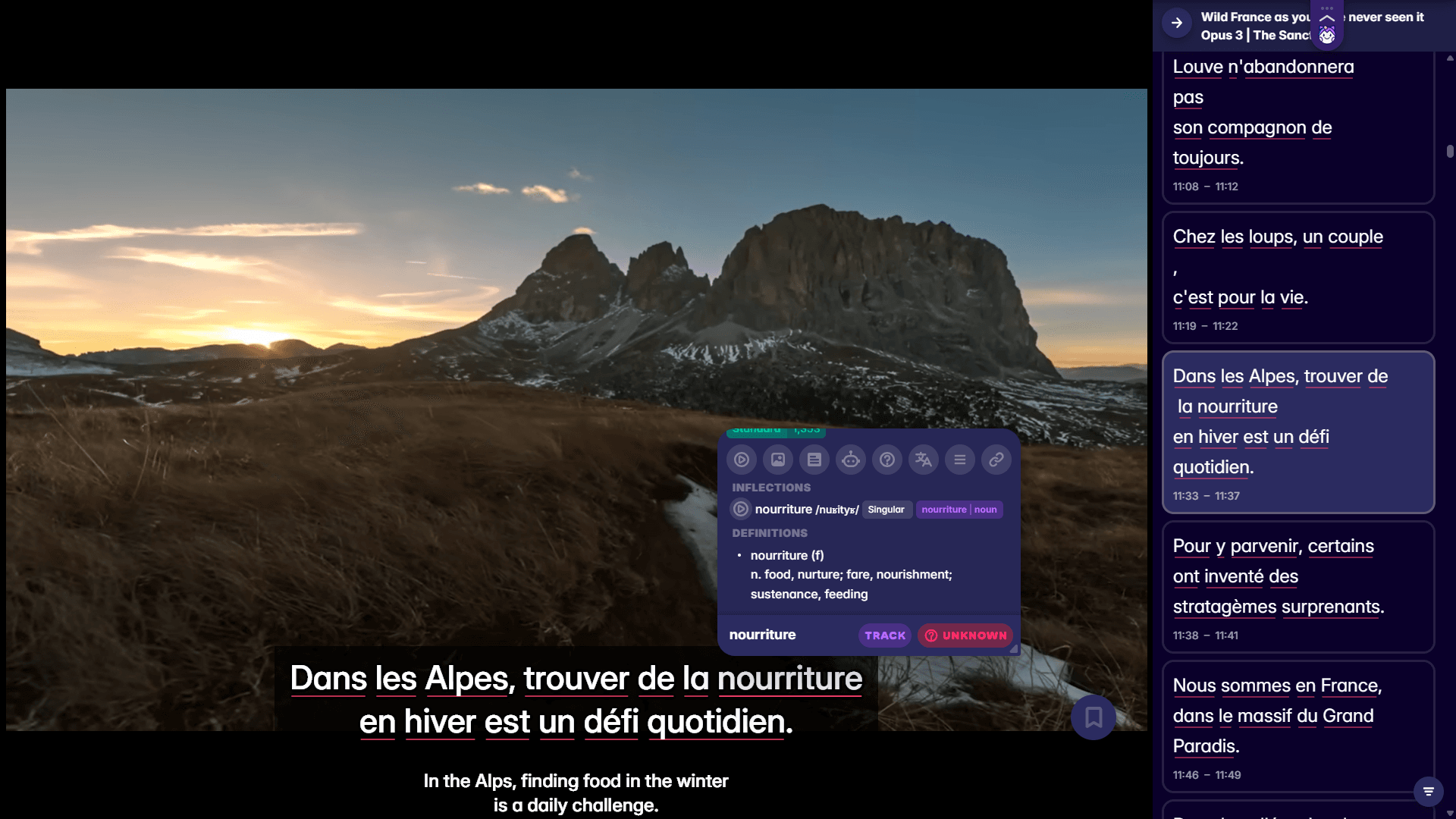
Anyway, if you want to practice French with real content beyond just introduction phrases, Migaku's browser extension and app let you look up words and save vocabulary while watching French shows or reading French articles. Makes learning from actual French media way more practical. There's a 10-day free trial if you want to check it out.
 ---
## The only way these phrases become automatic is through practice
The goal is to reach the point where someone asks "Comment vous appelez-vous?" and you respond instantly without translating in your head. That takes repetition, but these phrases are short enough that you can get there pretty quickly. Say them out loud, even if you're alone. Watch videos on how French people introduce themselves and collect all the relevant expressions for your flashcards.
> If you consume media in French, and you understand at least some of the messages and sentences within that media, you will make progress. _Period_.
The more you practice, the better you get.🔥
---
## The only way these phrases become automatic is through practice
The goal is to reach the point where someone asks "Comment vous appelez-vous?" and you respond instantly without translating in your head. That takes repetition, but these phrases are short enough that you can get there pretty quickly. Say them out loud, even if you're alone. Watch videos on how French people introduce themselves and collect all the relevant expressions for your flashcards.
> If you consume media in French, and you understand at least some of the messages and sentences within that media, you will make progress. _Period_.
The more you practice, the better you get.🔥