Yucatán Peninsula Road Trip: Mérida, Cenotes, Riviera Maya
Last updated: May 22, 2026
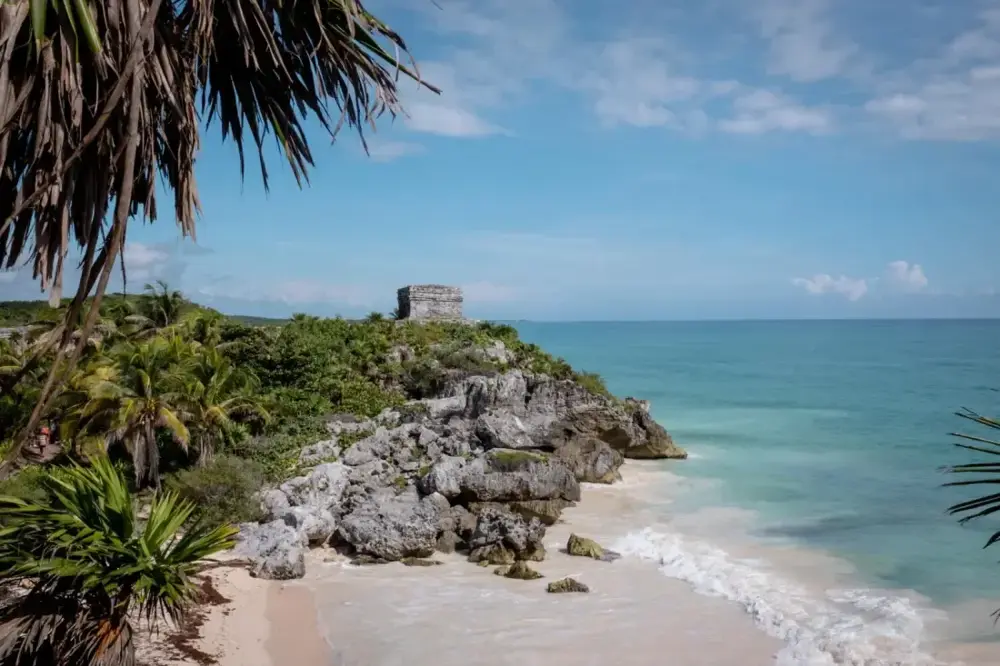
A Yucatán Peninsula road trip works best as a loop of roughly 900 to 1,100 kilometers anchored by Mérida in the west, Valladolid in the middle, and the Riviera Maya coast in the east, with cenotes and Maya ruins filling the days in between. Ten days is the sweet spot, seven is doable if you skip Campeche, and two weeks lets you slow down without backtracking.
Last updated: May 22, 2026
Why drive the Yucatán instead of busing it
The peninsula is one of the easier parts of Mexico to drive. Roads are flat, well-marked, and largely free of the mountain switchbacks you get further west. The U.S. State Department currently rates Yucatán state and Campeche at Level 1 (Exercise Normal Precautions) and Quintana Roo at Level 2 (Exercise Increased Caution), which is consistent with what most travelers experience on the ground.
That said, a car is not strictly required. The Tren Maya now connects Cancún, Valladolid, Chichén Itzá, Mérida, Campeche, Palenque, and Tulum, with fares cut by up to 30% in late April 2026 and the previous foreigner-only rate scrapped. ADO buses run frequently between every major city. But a rental car still gives you access to the cenotes, hacienda hotels, and small Maya sites that public transport skips.
If you want to compare formats before committing, see this road trip itinerary format used for coastal Europe, which mirrors the structure used here.
Entry requirements and taxes you cannot skip
Before you cross into Mexico, three pieces of paperwork matter:
- FMM tourist permit. Issued by INM (Instituto Nacional de Migración). The 2026 fee is 983 MXN (roughly 54 to 57 USD) for stays longer than seven days. Land entries of seven days or fewer are free but still require processing at an INM office. Maximum stay is 180 days, single entry, no extensions.
- VISITAX (Quintana Roo only). Required for any foreign visitor age 4 and up entering Quintana Roo (which covers Cancún, Playa del Carmen, Tulum, Cozumel, and Bacalar). The 2026 rate is 283 MXN per person (around 15.80 USD), unchanged from 2025. Pay online at visitax.gob.mx and keep the QR code on your phone. Cash is not accepted, and the QR code is the only valid proof.
- Hotel environmental tax. Cancún charges 76 pesos per night per room in 2026. Playa del Carmen charges 54 pesos per couple per room. Tulum bills by guests over age 12. This is usually collected at check-out.
If you fly in and rent a car at Cancún airport, the FMM is handled at immigration. If you drive in from Belize or fly into Mérida, the process is the same but the office may be smaller.
Renting a car: what the brochures leave out
Mexican third-party liability insurance (TPL) is required by law for every rental car in Mexico. Your U.S. or Canadian auto policy does not satisfy this, and most credit card coverage does not either. Expect the rental counter to add TPL on top of the headline rate, and read the line items before signing. A 200 MXN per day rental advertised online routinely becomes 700 to 900 MXN per day once mandatory insurance is included.
A few practical notes:
- Gasoline as of mid-May 2026 is 28.19 MXN per liter (about 1.64 USD per liter). Diesel is 27.44 MXN per liter. Budget around 1,800 to 2,200 MXN in fuel for a full peninsula loop in a small sedan.
- CAPUFE began phasing out cash-only toll lanes in January 2026 in favor of electronic tags (TAG/IAVE). Most rental companies now include a TAG; confirm before leaving the lot. Credit and debit cards are not accepted at toll booths, and foreign currency is refused except at border crossings.
- The federal toll rate adjusted upward 4.7% on April 13, 2026.
- Mexican highway speed limit on autopistas is 110 km/h. Federal roadside assistance (Ángeles Verdes) is reached by dialing 078, free of charge.
The 10-day route
This itinerary assumes you fly into Cancún (CUN), pick up the car at the airport, and return it there. Reverse it if you fly into Mérida (MID).
Days 1–2: Cancún arrival and Valladolid
Skip the Hotel Zone unless you specifically want resort beaches. Drive west on Highway 180D toward Valladolid. The Cancún to Valladolid toll segment is 427 MXN for a car in 2026. Valladolid is a colonial town with cenotes inside city limits (Cenote Zací sits two blocks from the main square). Use it as your base for day-tripping Chichén Itzá and Ek Balam.
Days 3–4: Chichén Itzá, Ek Balam, and cenotes
Arrive at Chichén Itzá by 8 AM to beat the heat and the tour buses from the coast. The 2026 foreigner entrance fee totals 697 MXN, split between a federal INAH fee and the Yucatán state CULTUR fee, collected at two separate windows (have pesos ready for both). Parking is around 80 MXN. The site closes at 5 PM with last admission at 4 PM.
Afterward, drive 3 kilometers to Cenote Ik Kil (180 MXN entry) for a swim. The next day, head north to Ek Balam, climb the main pyramid (still permitted, unlike Chichén Itzá), and visit Cenote X'Canché on the same property.
Days 5–6: Mérida and the haciendas
Drive Valladolid to Mérida on 180D (248 MXN toll, about 2 hours). Mérida is the cultural capital of the peninsula and the easiest city in the region for walking, food, and Spanish practice. Base yourself in Santiago or Santa Lucía neighborhoods.
Day-trip options from Mérida:
- Uxmal (80 km south). The 2026 entrance fee for foreign adults is 556 MXN (461 pesos state + 95 pesos INAH). Mexican nationals pay 252 pesos. Parking is 116 MXN. Open 8 AM to 4 PM. Less crowded than Chichén Itzá and arguably more architecturally interesting.
- Cenotes of Cuzamá (45 minutes east of Mérida). A series of three cenotes traditionally visited by horse-drawn rail cart.
- Izamal, the "yellow city," 70 km east.
Day 7: Mérida to Bacalar via Campeche shortcut or direct
If you have an extra day, detour southwest to Campeche city (walled colonial port, Level 1 advisory). If not, drive directly to Bacalar, a long lagoon known for its seven shades of blue. The drive is roughly 6 hours via the Escárcega route.
Days 8–9: Tulum and Cobá
Drive north up Highway 307 to Tulum. The Tulum ruins entrance fee in 2026 totals 515 MXN for foreigners: 210 pesos INAH, 125 pesos CONANP bracelet, and 180 pesos Jaguar Park. INAH doubled Category I site fees on January 1, 2026, which is why Tulum, Cobá, and Palenque now cost noticeably more than they did in 2024.
Cobá is a 45-minute inland drive from Tulum, with 2026 admission at 195 MXN per person. Bring water and bug spray; the site is jungle-shaded but humid.
Cenotes worth your time in this stretch:
- Gran Cenote (just outside Tulum)
- Cenote Dos Ojos (popular for snorkeling and diving)
- Cenote Calavera (smaller, less developed)
Day 10: Riviera Maya beach and return
Drop into Akumal for sea turtles, Playa del Carmen for a final dinner, then return the car at Cancún airport. Allow extra time: fuel-up surcharges at the airport are punishing, and the airport return process can take 45 minutes.
For a broader country-level overview, this Two Weeks in Mexico itinerary covers what a longer trip looks like outside the peninsula.
Fees and tolls at a glance (2026)
Item | 2026 cost (MXN) | Approx. USD |
|---|---|---|
FMM tourist permit (>7 days) | 983 | $54–57 |
VISITAX (Quintana Roo) | 283 | $15.80 |
Chichén Itzá (foreigner) | 697 | $40 |
Tulum ruins (foreigner) | 515 | $28 |
Uxmal (foreigner) | 556 | $30 |
Cobá (foreigner) | 195 | $11 |
Cenote Ik Kil | 180 | $10 |
Mérida–Cancún toll (180D) | 675 | $37 |
Mérida–Valladolid toll | 248 | $14 |
Valladolid–Cancún toll | 427 | $24 |
Gasoline (per liter) | 28.19 | $1.64 |
Common pitfalls
- Underestimating archaeological fees. A family of four at Chichén Itzá now pays close to 2,800 MXN before parking or a guide. Carry cash; card terminals at INAH ticket windows are unreliable.
- Showing up at Tulum ruins midday. Heat and crowds peak between 11 AM and 2 PM. Arrive at opening.
- Not paying VISITAX. Some travelers leave without paying and are stopped at the airport on departure. Pay online before you fly.
- Driving at night. Livestock, cyclists without lights, and unmarked topes (speed bumps) make rural night driving genuinely dangerous. Plan to be off the road by sundown.
- Using non-Mexican insurance. TPL is a legal requirement, full stop.
- Buying ADO tickets in cash at small terminals expecting change for a 500-peso note. Smaller terminals often cannot break large bills. Same for toll booths: bring 100s, 200s, and coins.
- Skipping the Tren Maya as an alternative. If you want to do one-way segments and avoid driving altogether, the Cancún–Tulum coastal route runs three trains daily each way (around 406 MXN one-way) and the Cancún–Mérida route runs up to six daily.
FAQs
Do I need a 4x4? No. A standard sedan handles the entire route. The dirt road to Ek Balam and some cenote access roads are rough but not impassable.
Is it safe to drive at night in Yucatán? Within cities, yes. Between cities, no, mostly because of road hazards rather than crime.
Can I use US dollars? At resorts and tour operators in Quintana Roo, often yes (at poor rates). At toll booths, archaeological sites, and gas stations, no. Carry pesos.
What's the best time of year? November through March for cooler weather. April through May is hot and dry. June through October overlaps with hurricane season; storms are rare but possible.
Should I rent at the airport or in town? Airport rentals are pricier but more flexible. In-town rentals in Mérida or Playa del Carmen can be 20 to 30% cheaper if you arrange a one-way drop-off (when offered).
How much cash should I carry per day? Plan on 1,500 to 2,500 MXN per person per day in cash, including tolls, site fees, food, and tips. ATMs at OXXO and bank branches are widely available; avoid standalone ATMs in tourist zones.
Do I need to speak Spanish? In tourist areas, no. In small towns, hacienda hotels, and at INAH ticket windows, basic Spanish makes the day go much faster. For more on the practical side of Mexican logistics, this guide to travel logistics for Mexico shows how paperwork tends to work across Latin America.
If you're planning more than a quick visit and want to actually talk to people along the way (cenote attendants, hacienda owners, the woman selling cochinita pibil at the market), Migaku helps you learn Spanish from real native content, which is what makes a trip like this go from "saw a lot of ruins" to "had real conversations." Try Migaku before you go.