Essential Spanish Restaurant Phrases: Order Food Like a Local
Last updated: April 7, 2026
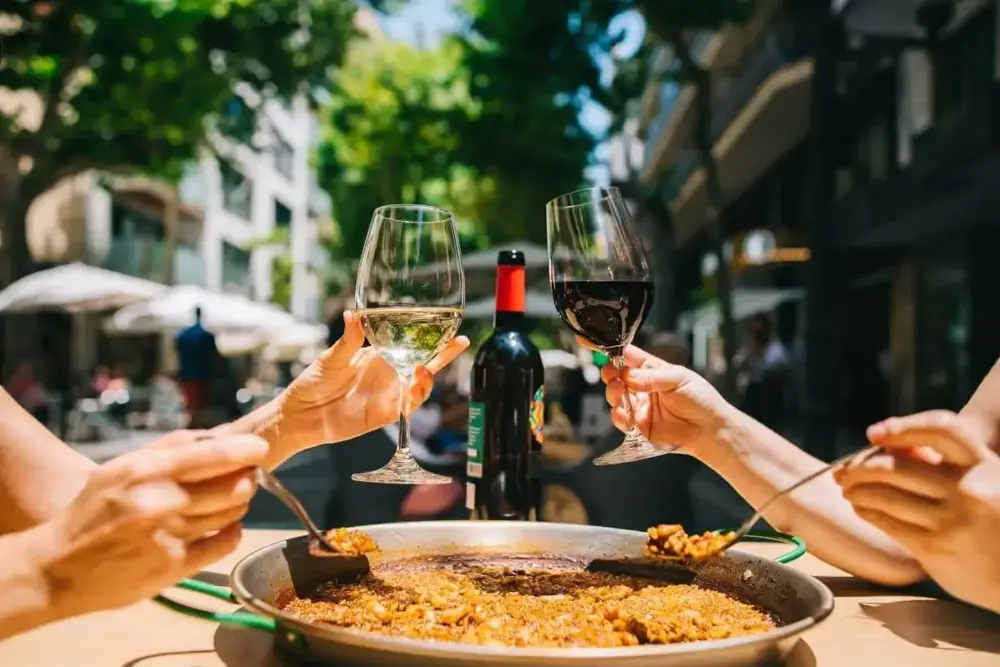
Walking into a restaurant in Madrid or Mexico City shouldn't feel like a high-stakes language exam. You're hungry, the menu looks incredible, and you just want to order some food without pointing at random items and hoping for the best. Learning a handful of essential Spanish restaurant phrases makes the whole experience way more enjoyable. You'll actually understand what you're ordering, handle special requests, and maybe even chat with your waiter about their recommendations. This guide covers everything from making reservations to paying the bill, with practical phrases you can start using immediately.
Getting a table and making reservations
Before you even sit down to eat, you need to secure a spot. If you're planning ahead, calling for a reservation is pretty straightforward. Here's what you'll say:
"Quisiera hacer una reserva para dos personas" (I would like to make a reservation for two people). The phrase "quisiera" is the polite conditional form of "querer" (to want), and it sounds way more courteous than just saying "quiero."
When you arrive at the restaurant, the host might ask "¿Tienen reserva?" (Do you have a reservation?).
You might also need to specify where you want to sit. "¿Podemos sentarnos afuera?" (Can we sit outside?) or "Prefiero una mesa cerca de la ventana" (I prefer a table near the window) are useful phrases for getting the spot you want.
Timing matters too. If they tell you there's a wait, they'll probably say something like "Hay una espera de 20 minutos" (There's a 20-minute wait). You can decide if you want to wait or come back later.
Understanding the menu and asking questions
Once you're seated, the waiter will likely hand you "la carta" or "el menú" (the menu). Both words work, though "la carta" is more common in Spain while "el menú" gets used everywhere.
Questions to ask before ordering food in Spanish
If you need a moment to look things over, say "¿Puede darme unos minutos, por favor?" (Can you give me a few minutes, please?). Most waiters appreciate when you're polite about needing time to decide.
Here's the thing about Spanish menus: they can include dishes you've never heard of, especially regional specialties. Don't be shy about asking questions. "¿Qué es esto?" (What is this?) while pointing at a menu item works perfectly fine.
For recommendations, try "¿Qué me recomienda?" (What do you recommend?). Waiters usually know which dishes the kitchen does best, and they're often happy to share their favorites.
Many restaurants offer "el menú del día" (menu of the day), which is usually a great deal that includes multiple courses at a fixed price. Ask "¿Cuál es el menú del día?" (What is the menu of the day?) to find out what's included.
Dietary restrictions
If you have dietary restrictions, you'll need these phrases. "¿Tienen platos vegetarianos?" (Do you have vegetarian dishes?) is essential for vegetarians. For vegans, ask "¿Este plato es vegano?" (Is this dish vegan?).
Allergies require clear communication.
Spanish | English |
|---|---|
Cacahuetes | Peanuts |
Frutos secos | Tree nuts |
Mariscos | Shellfish |
Pescado | Fish |
Huevos | Eggs |
Lácteos | Dairy |
The ending changes based on your gender: "alérgico" for men, "alérgica" for women. "Soy alérgico a los mariscos" (I'm allergic to shellfish) or "Soy alérgica a los cacahuetes" (I'm allergic to peanuts) can prevent serious problems.
Placing your order like a confident speaker
When you're ready to order, catch the waiter's attention politely. "Disculpe" (Excuse me) works well. Then say "Estoy listo para pedir" (I'm ready to order) or "Estamos listos" if you're with others.
The basic ordering phrase is simple: "Quisiera" or "Me gustaría" (I would like) followed by the dish. For example, "Quisiera la paella de mariscos" (I would like the seafood paella).
You can also use "Para mí" (For me) when ordering, especially if you're in a group. "Para mí, el bistec con papas fritas" (For me, the steak with French fries).
Drinks follow the same pattern. "¿Qué quieren para beber?" (What would you like to drink?) is what the waiter will ask. Respond with "Una cerveza, por favor" (A beer, please) or "Un vino tinto" (A red wine).
If you want water, specify whether you want tap or bottled.
- "Agua del grifo" (tap water) is free.
- "Agua con gas" (sparkling water) or "Agua sin gas" (still water) will be bottled and cost money.
For cooking preferences on meat, you'll use "poco hecho" (rare), "término medio" (medium), or "bien hecho" (well done). These phrases are pretty universal across Spanish-speaking countries.
Essential vocabulary for the dining experience
Understanding the different parts of a meal helps you navigate the restaurant experience better.
- "El entrante" or "el aperitivo" refers to appetizers or starters.
- "El plato principal" is the main course.
- "El postre" is dessert.
Common dishes you'll see on menus include:
Spanish | English |
|---|---|
la ensalada | Salad |
la sopa | Soup |
el pescado | Fish |
el pollo | Chicken |
la carne | Meat |
las verduras | Vegetables |
las guarniciones / los acompañamientos | Side dishes |
arroz | Rice |
papas fritas | French fries |
puré de papas | Mashed potatoes |
el desayuno | Breakfast |
huevos revueltos | Scrambled eggs |
huevos fritos | Fried eggs |
tostadas | Toast |
pan | Bread |
Asking for the bill and understanding tipping culture
When you're finished eating and ready to leave, you need to ask for the check. The most common phrase is "La cuenta, por favor" (The bill, please). You can also say "¿Nos trae la cuenta?" (Can you bring us the bill?).
In some restaurants, especially casual ones, you might say "¿Cuánto es?" (How much is it?) if you're paying at the counter.
If you're splitting the bill, use "Cuentas separadas, por favor" (Separate bills, please). It's easier to mention this when ordering rather than at the end of the meal.
Payment methods vary. Ask "¿Aceptan tarjeta de crédito?" (Do you accept credit card?) if you're not sure. Most restaurants in cities accept cards, but smaller places might be cash-only.
Tipping culture differs across Spanish-speaking countries. In Spain, tipping isn't mandatory, and leaving 5-10% is considered generous. In Mexico and other Latin American countries, 10-15% is more standard. The phrase "Quédese con el cambio" (Keep the change) works if you're leaving cash and don't need change back.
Practice Spanish restaurant phrases
Practice these phrases before you travel.
- Say them out loud, not just in your head. The muscle memory of actually speaking helps when you're nervous in a real restaurant.
- Start with simpler restaurants where the pressure is lower. Street food vendors and casual cafes give you chances to practice without the formal atmosphere of fine dining.
- Carry a small notebook or use your phone to jot down new words you hear. When a waiter uses a phrase you don't know, ask them to repeat it and write it down. This builds your vocabulary naturally.
- If you don't understand something the waiter said, just ask "¿Puede repetir, por favor?" (Can you repeat, please?) or "¿Puede hablar más despacio?" (Can you speak more slowly?).
If you want to pick up these restaurant phrases naturally, Migaku's browser extension and app let you learn from Spanish cooking shows, food vlogs, and restaurant scenes in movies. You can save phrases directly to your flashcards while watching real people order food in real situations. There's a 10-day free trial if you want to give it a shot.
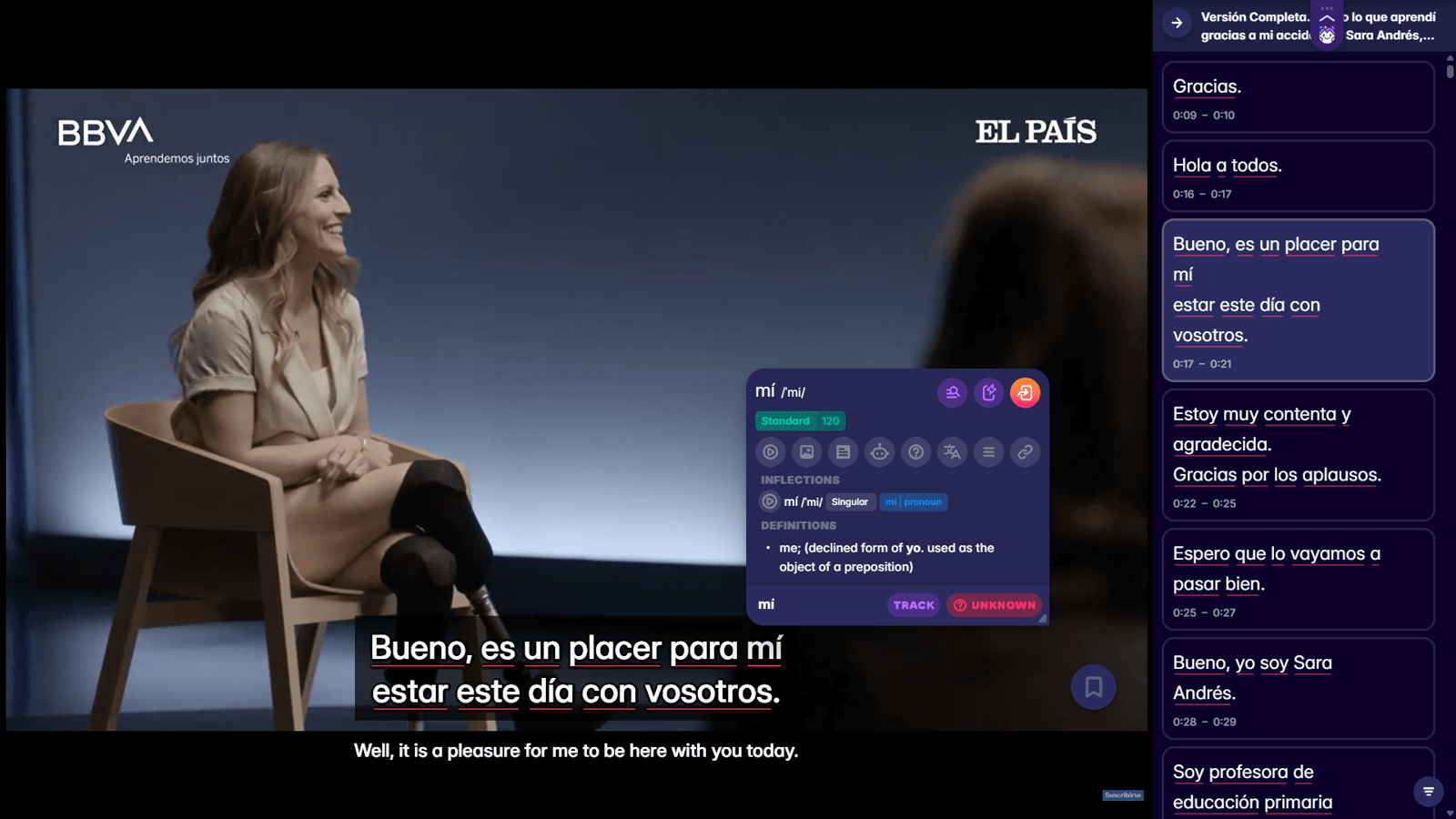
Explore the real food culture of Mexico and other Spanish-speaking countries!
These useful Spanish phrases work across different contexts too. The same vocabulary you use in restaurants helps at markets, food stalls, and even when cooking with locals. Food vocabulary is incredibly practical for language learners. The best way to remember these phrases? Use them. Find a local Spanish restaurant in your city, browse through Spanish restaurant menus, and explore social media for the best local food. Real-world practice beats memorization every time.
If you consume media in Spanish, and you understand at least some of the messages and sentences within that media, you will make progress. Period.
Food words make language learning feel deliciously real!😋