Two Weeks in Brazil: Rio, Salvador, and Iguaçu Itinerary
最終更新日: 2026年5月23日
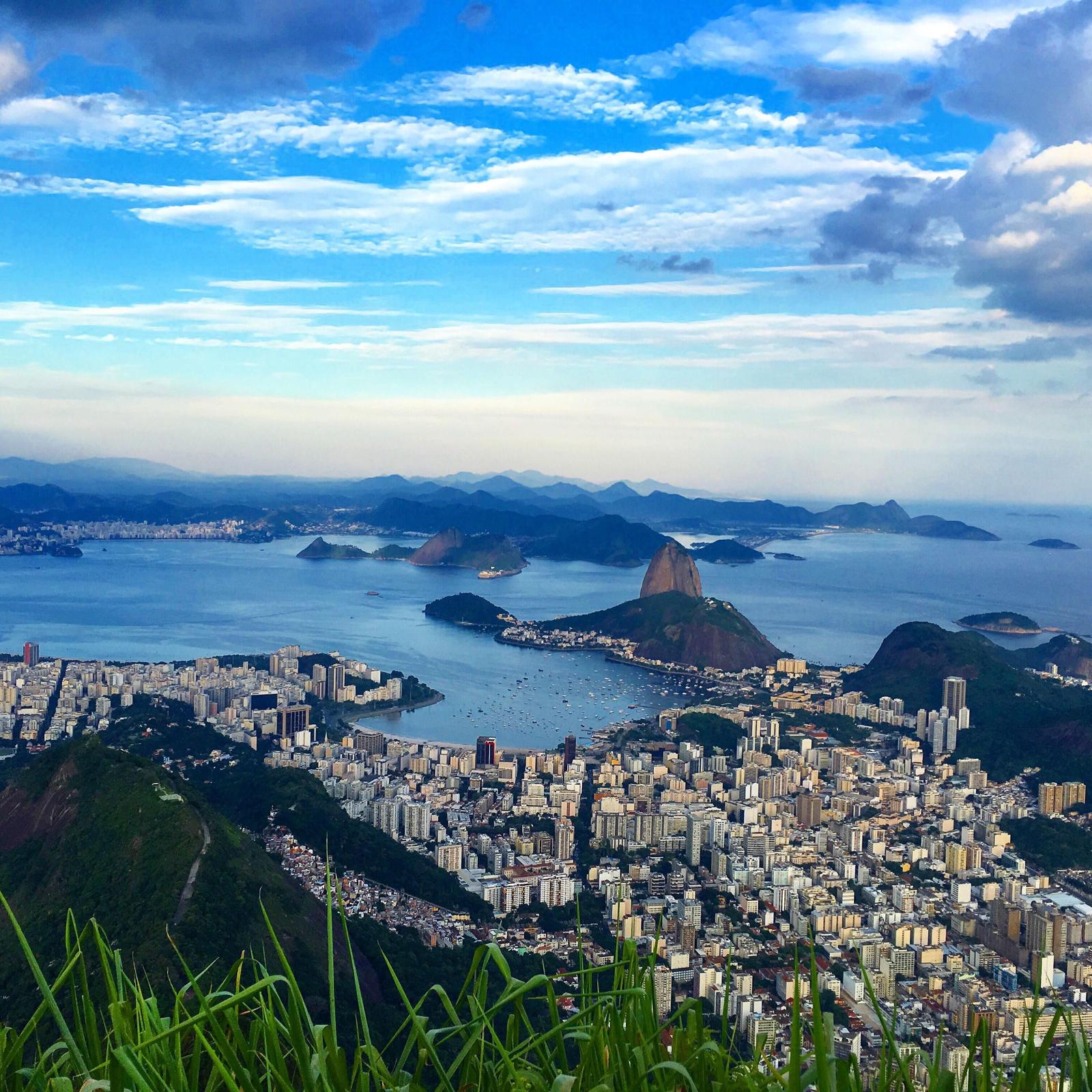
Two weeks is enough time to see three of Brazil's signature destinations without rushing: Rio de Janeiro for beaches and icons, Salvador for Afro-Brazilian culture and colonial architecture, and Iguaçu Falls for one of the most powerful waterfall systems on earth. This guide lays out a realistic 14-day plan with current entry rules, prices, and the logistical details that actually matter on the ground.
Last updated: May 23, 2026
Entry Requirements and Pre-Trip Paperwork
As of April 10, 2025 (still in force in 2026), US, Canadian, and Australian passport holders must hold a Brazil e-Visa for tourism. Applications go through the official VFSeVisa portal at brazil.vfsevisa.com. Walk-in consular submissions are not accepted.
Key facts to know before you book flights:
- Fee: US$80.90 per applicant, paid online by card.
- Validity: 10 years multiple-entry for US citizens; 5 years multiple-entry for Canadians and Australians.
- Stay length: Up to 90 days per visit, capped at 180 days within any 12-month period.
- Processing time: Typically 48–72 hours, with up to 10 business days during peak periods like Carnival.
- Citizens of China, France, Ireland, and five other countries received visa-free entry effective March 4, 2026, with 30-day stays extendable to 90 days. Confirm your nationality's current status at the official Itamaraty portal before applying.
If you need to extend your stay once in Brazil, the Federal Police process extensions same-day at a standard fee of BRL 200 (~US$40). Overstaying triggers a daily fine of BRL 100, capped at BRL 10,000.
Health and Vaccinations
Yellow fever vaccination is not required for entry, but the CDC recommends it for travelers visiting Iguaçu Falls and Rio de Janeiro state. The vaccine must be administered at least 10 days before travel to be effective. The CDC Yellow Book 2026 confirms no malaria risk at Iguaçu Falls or in the cities of Rio de Janeiro and São Paulo. Bring proof of vaccination just in case onward travel requires it.
Suggested 14-Day Route
The distances in Brazil are large, so internal flights are the only sensible way to connect these three regions. A typical sequence:
Days | Location | Focus |
|---|---|---|
1–5 | Rio de Janeiro | Beaches, Christ the Redeemer, Sugarloaf, Santa Teresa |
6–9 | Salvador (Bahia) | Pelourinho, Afro-Brazilian culture, coastal day trips |
10–13 | Foz do Iguaçu | Brazilian and Argentine sides of the falls, Itaipu Dam |
14 | Return via São Paulo or Rio | Buffer day for the international flight home |
Fly Rio → Salvador → Foz do Iguaçu → São Paulo (GRU) or Rio (GIG). Booking these as separate one-way segments on LATAM, GOL, or Azul is usually cheaper than a single multi-city ticket. Brazil's dual-VAT regime (CBS and IBS) took effect January 1, 2026, and hotels, car-hire firms, and tour operators have generally passed on a 3–5 percentage-point effective increase, so build a small buffer into your budget.
Days 1–5: Rio de Janeiro
Give Rio at least four full days. The city sprawls, traffic is heavy, and the headline attractions are scattered between Centro, the Zona Sul beaches, and the forested hills above the city.
Must-Do Sights and 2026 Prices
- Christ the Redeemer (Corcovado): The official Corcovado cogwheel train ticket is R$109 for adults and R$68 for children 6–11 (children under 6 free), including round-trip train transport and monument access. Authorized Paineiras-Corcovado vans run R$85–95 per person, with adult van packages including monument entry typically R$100–130. Book online a day or two ahead, particularly on weekends.
- Sugarloaf Mountain (Parque Bondinho): Round-trip cable car tickets are R$170 for adults, R$85 for children 6–12, and R$110 for seniors over 60 and students with valid ID. Children under 6 ride free. Sunset is the most popular slot, so reserve a timed entry.
- Copacabana and Ipanema beaches: Free, but pay for a chair (cadeira) and umbrella from a beach vendor (around R$15–25 per chair).
- Santa Teresa and Lapa: Hilltop neighborhood with restored trams, plus the Selarón Steps and the Lapa Arches below.
- Jardim Botânico and Parque Lage: Quieter half-day pairing under the Corcovado.
Avoid favela tours. The US State Department's December 2025 advisory designates Brazilian favelas as Level 4: Do Not Travel at any time, including on guided tours. Stick to Zona Sul (Copacabana, Ipanema, Leblon, Botafogo, Urca) and Centro by daylight.
Carnival Timing
Rio Carnival 2026 officially ran Friday, February 13 through Saturday, February 21, with the Champions' Parade on February 21. If you're planning a 2027 trip and want to include Carnival, expect Sambadrome Grandstand (Arquibancada) tickets in the US$230–350 range and Camarote (VIP) tickets starting around R$2,000 (~US$350), based on 2026 pricing. Book accommodation 6–9 months ahead for Carnival week; rates often triple.
The USD/BRL exchange rate sat near 5.00 reais per US dollar on May 22, 2026, with the real having strengthened roughly 11.35% over the prior 12 months. Brazil is no longer the bargain it was in 2023.
Days 6–9: Salvador da Bahia
Fly Rio (GIG or SDU) to Salvador (SSA) in about 2 hours 20 minutes. Salvador is the cultural heart of Afro-Brazilian Brazil and was the country's first capital. Four nights is enough for the historic center, a beach day, and a candomblé or capoeira evening.
What to See
- Pelourinho: The UNESCO-listed historic core, with pastel colonial facades, the São Francisco Church, and the Jorge Amado Foundation. Visit during daylight.
- Elevador Lacerda: The 1873 public elevator linking the Cidade Alta and Cidade Baixa. A few centavos to ride.
- Mercado Modelo: Crafts, leather goods, and Bahian food upstairs.
- Farol da Barra and Porto da Barra beach: The best in-city swimming beach, with a working lighthouse and nautical museum.
- Ilha de Itaparica or Praia do Forte (day trips): Itaparica is a 40-minute catamaran from the Terminal Marítimo; Praia do Forte is about 80 km north and home to the Projeto Tamar sea turtle reserve.
- Capoeira and candomblé: Evening rodas in Pelourinho and Tuesday night blessings at Igreja de São Francisco are the easiest entry points.
Salvador Safety in Plain Terms
Bahia state recorded 4,480 intentional homicides in 2024, the highest absolute count of any Brazilian state. Violence concentrates in peripheral districts that tourists have no reason to visit. The main tourist corridors (Barra, Ondina, Rio Vermelho, and Pelourinho by day) are reasonably patrolled. Salvador maintains tourist police stations (DELTUR) in Pelourinho and Barra with bilingual officers (English, French, Spanish).
Practical rules: use Uber or 99 rather than hailing street taxis, carry a daypack with a copy of your passport rather than the original, and avoid Pelourinho's side streets after dark unless you're with a group.
If you're staying long enough to need a local bank account, SIM, or apartment rental, you'll quickly run into requests for a CPF (Cadastro de Pessoas Físicas). See our guide on how to get a CPF in Brazil.
Days 10–13: Foz do Iguaçu
Fly Salvador (SSA) to Foz do Iguaçu (IGU), usually via São Paulo (GRU) or Brasília. Total travel time is 5–7 hours including layover. Three full days lets you see both the Brazilian and Argentine sides plus Itaipu Dam.
Foreign visitors should also note: areas within 160 km of Brazil's land borders with Bolivia, Colombia, Guyana, French Guiana, Paraguay, Peru, Suriname, and Venezuela are rated Level 4: Do Not Travel by the US State Department. Foz do Iguaçu National Park is explicitly exempt and travel there is permitted.
The Brazilian Side (Parque Nacional do Iguaçu)
The Brazilian side gives you the panoramic view. A 1.2-km walkway leads to the Garganta do Diabo (Devil's Throat) viewing platform. Plan for half a day.
- Entrance fee for foreigners (January 2026): 131 reais (~US$24). Brazil/Mercosur citizens pay 118 reais. Free for children under 6.
- Hours: Monday–Friday 9 am–4 pm; Saturdays and Sundays 8:30 am–4 pm. Visitors may remain inside until 5:30 pm.
- Macuco Safari boat ride: Optional add-on that takes you under the falls. Verify the current 2026 fee at tickets.cataratasdoiguacu.com.br.
The Argentine Side (Parque Nacional Iguazú)
The Argentine side has the longer trail network and the closer view of the Garganta del Diablo from above. You'll cross the Tancredo Neves Bridge at the Brazil–Argentina border. Bring your passport; the entry stamp is required. Allow a full day. Argentine park fees and the Tren Ecológico de la Selva schedules change frequently, so check the official park site the week of your visit.
Itaipu Dam and Three Borders Marker
A half-day tour of Itaipu Dam (the world's second-largest hydroelectric facility by output) is worth fitting in on your third day, paired with the Marco das Três Fronteiras viewpoint at sunset where Brazil, Argentina, and Paraguay meet.
Day 14: Buffer and Departure
Keep the last day flexible. International departures from São Paulo–Guarulhos (GRU) and Rio (GIG) require you to be at the terminal three hours ahead. Connecting domestic flights inside Brazil are routinely delayed during summer storms (December–March), so build in a same-city overnight rather than connecting on the day you fly home.
Money, SIM Cards, and Daily Costs
At roughly 5.00 BRL per US dollar (May 22, 2026), a realistic mid-range daily budget per person looks like this:
Category | Daily cost (BRL) | Daily cost (USD) |
|---|---|---|
Mid-range hotel (per person, double) | 250–450 | 50–90 |
Meals (café da manhã, lunch, dinner) | 150–250 | 30–50 |
Local transport (Uber, metro) | 50–100 | 10–20 |
Attractions / activities | 100–200 | 20–40 |
Total per person | 550–1,000 | 110–200 |
Pix (Brazil's instant bank transfer system) is now the default payment method for everything from beach vendors to taxis, but it requires a Brazilian bank account or fintech account, which in turn requires a CPF. As a tourist, plan to use a no-foreign-fee credit card (Visa and Mastercard are accepted almost universally) plus some cash for tips and beach kiosks. Withdraw reais from Banco do Brasil, Itaú, or Bradesco ATMs at airports; avoid the Euronet machines, which charge punishing fees.
For mobile data, Claro, Vivo, and TIM all sell prepaid SIMs and eSIMs at GRU and GIG airports. You'll need your passport. An eSIM purchased before flying (Airalo, Holafly, or similar) is the simplest option if your phone supports it.
Common Pitfalls
- Booking flights one-way separately is usually cheaper than booking a multi-city itinerary, but you lose protection if one leg is canceled. Travel insurance matters.
- Don't try to see Rio in two days. Traffic between Centro, the beaches, and Corcovado eats hours.
- Skip favela tours entirely. They're explicitly rated Level 4 by the US State Department regardless of operator.
- Time Christ the Redeemer for early morning. The summit clouds in by noon on humid days.
- Carry your passport at the Brazil–Argentina border crossing, not just a copy. Argentine immigration will refuse a photocopy.
- Don't rely on English in Salvador. Even in Pelourinho, service staff often speak only Portuguese.
- Avoid driving yourself in Rio or Salvador. Uber is plentiful and removes parking, theft, and navigation risk.
FAQs
Is two weeks enough for Brazil?
For Rio, Salvador, and Iguaçu, yes. Adding the Amazon (Manaus) or the Northeast beaches (Jericoacoara, Fernando de Noronha) requires at least three weeks.
What's the best time of year?
April–June and September–November give you reliable weather without Carnival-season prices. The Brazilian summer (December–March) is hot, wet, and crowded but offers Carnival and the fullest waterfall flow at Iguaçu.
Do I need to speak Portuguese?
You can survive on English in tourist zones of Rio and Foz do Iguaçu. Salvador is harder. Even basic greetings, numbers, and food vocabulary make a real difference, and locals respond warmly to any effort.
Are ATMs reliable?
Yes, at major bank branches and airports. Many ATMs close or limit withdrawals after 8 pm for security reasons, so plan around that.
Is tap water safe to drink?
Most Brazilians drink filtered or bottled water. Stick to bottled (água mineral, sem gás for still or com gás for sparkling).
What about tipping?
Restaurants add a 10% service charge (serviço) automatically. It's optional but customarily paid. Round up for taxi drivers; no tipping for hotel housekeeping unless you stay multiple nights.
For a different two-week Latin American route, see our two weeks in Mexico itinerary, and if you want to prepare for markets and small shops in Brazil, our Portuguese shopping vocabulary guide covers the basics.
If you're heading to Brazil, even a working grasp of Portuguese will change how you experience Salvador and the smaller towns near Iguaçu. Try Migaku to learn from Brazilian shows, news, and music using the content you're already curious about.