Two Weeks in France: A Grand Tour From Paris to Provence
最終更新日: 2026年5月24日
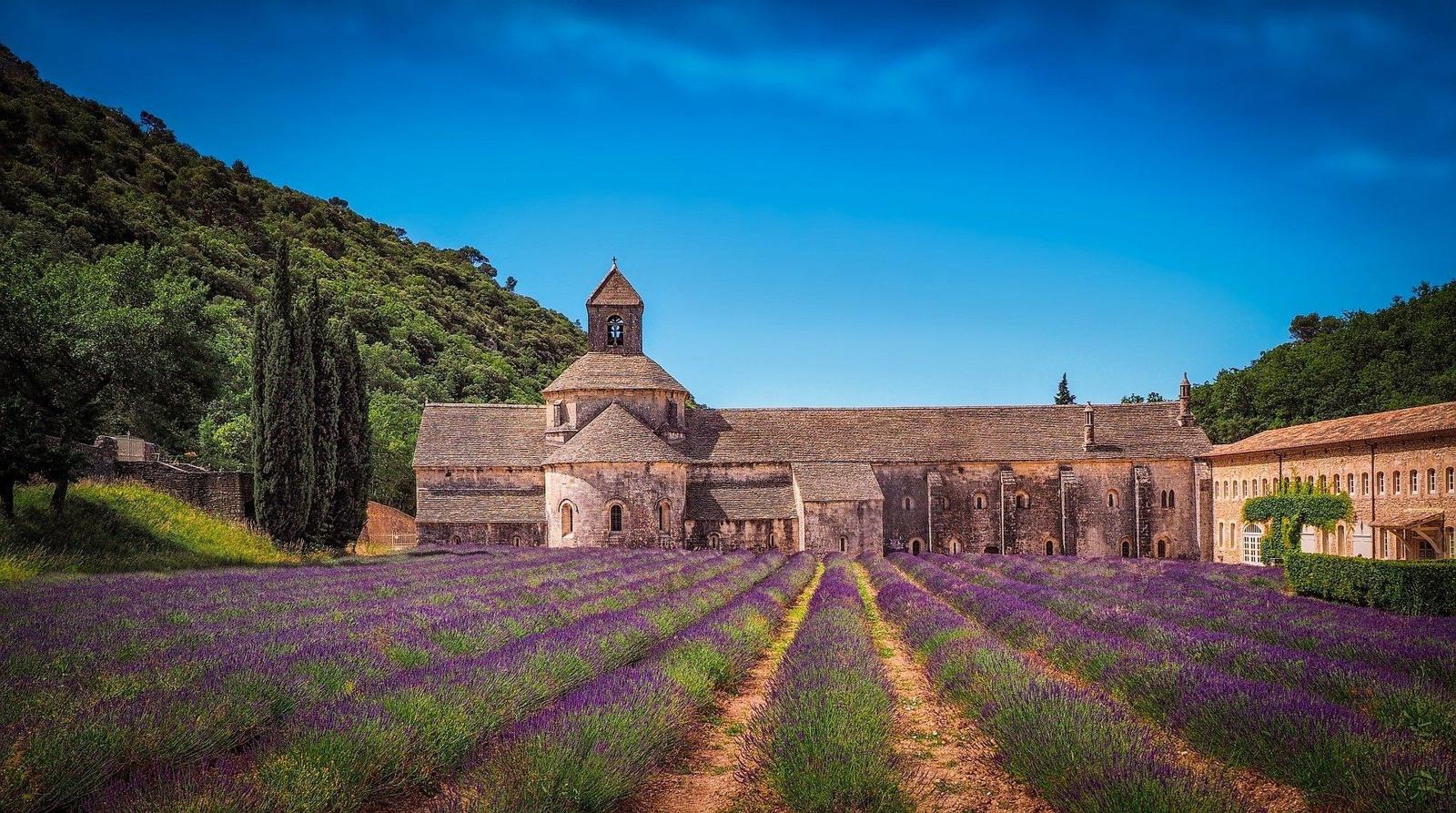
Two weeks is the sweet spot for seeing France properly: enough time to layer Paris with the Loire châteaux, Lyon's food, Provence's villages, and the Riviera, without sprinting. This itinerary covers exactly that route, with current 2026 prices, train logistics, and entry rules for non-EU visitors.
Last updated: May 24, 2026
Entry Rules and Paperwork for 2026
Before you book anything, sort out the border admin. The rules have shifted significantly in the past year.
- EES (Entry/Exit System): Fully operational since 10 April 2026. All non-EU/non-Schengen travelers are biometrically registered (fingerprints and facial image) on first entry. Budget extra time at Charles de Gaulle (CDG) on arrival.
- ETIAS: Expected to launch in the last quarter of 2026. It will cost €20 (free for under-18s and over-70s), be valid for three years, and apply to visa-exempt nationalities (US, UK, Canada, Australia, etc.). At the time of writing it is not yet collecting applications, so check the official French diplomatie.gouv.fr portal close to your travel date.
- Schengen 90/180: You can stay up to 90 days in any rolling 180-day period across the Schengen zone. Your passport must be valid for at least three months beyond your planned departure and must have been issued within the previous ten years.
- Overstays: Fines range from roughly €200 to €1,500 and can trigger entry bans of one to five years across the entire Schengen area. Count days carefully if you're chaining multiple European trips.
If you're a non-EU resident planning shopping, keep your passport on you in stores: the VAT refund (détaxe) requires a minimum €100 spend on the same day at the same shop, and the form must be validated at a PABLO kiosk before you leave the EU, within three months of purchase. France's standard VAT is 20%.
The Route at a Glance
Days | Base | Focus |
|---|---|---|
1–4 | Paris | City sights, Versailles day trip |
5 | Loire Valley (Tours or Amboise) | Châteaux |
6–7 | Lyon | Food, old town, transit hub |
8–10 | Avignon / Provence | Roman sites, villages, lavender (June–July) |
11–13 | Nice / Côte d'Azur | Coast, Monaco, Antibes |
14 | Return via Nice or Marseille | Flight home |
This is a one-way path: fly into Paris, fly out of Nice (or Marseille). Open-jaw tickets cost about the same as round-trip and save you a wasted day backtracking.
If two weeks feels too long for your schedule, a tighter version focused on the north exists in this One Week in France itinerary.
Days 1–4: Paris
Four nights gives you three full sightseeing days plus an arrival buffer.
Getting in from CDG: RER B runs roughly every 10–15 minutes from around 5:00 AM to 11:30 PM. The Paris Region ↔ Airports ticket is a flat €14. Note that the direct RoissyBus from CDG to Opéra was permanently discontinued on 1 March 2026; your options now are RER B or Metro Line 14.
Getting around: Paris retired paper Ticket t+ sales on 5 November 2025. Magnetic paper tickets stop working on buses in May 2026 and on the rail network (metro, RER, trains) in June 2026. You need either a Navigo Easy card (€2, reloadable) or the smartphone app.
2026 fares:
Ticket | Price |
|---|---|
Single Métro-Train-RER | €2.55 |
Single Bus/Tram | €2.05 |
Navigo Jour (1 day, all zones) | €12.30 |
Navigo Semaine (week, all zones) | €32.40 |
Paris Visite 3 days (all zones) | €63.80 |
Paris Visite 5 days (all zones) | €78.00 |
For a four-day Paris stay, the Navigo Semaine is usually cheaper than Paris Visite. The week pass runs Monday to Sunday, so it only works if your stay aligns.
Tourist tax (taxe de séjour): Rates increased on 1 January 2026. Expect €9.20 per adult per night at 5-star hotels, €6.60 at mid-range, and €1 at youth hostels/campsites. Unclassified accommodation is taxed at 5% of nightly cost, capped at €15.93. Children under 18 are exempt nationwide.
Headline sights and 2026 prices:
- Louvre: €32 for non-EEA adults (up from €22 since 14 January 2026), €22 for EEA citizens. Free for under-18s and EEA residents under 26. Free for everyone on the first Friday of the month after 6:00 PM (except July and August) and on Bastille Day (14 July). Closed Tuesdays.
- Eiffel Tower: Adult 25+ tickets range from €14.80 (2nd floor by stairs) to €36.70 (Summit by lift). Youth (12–24) and children (4–11) get reduced rates. Lift tickets are released 60 days in advance, stair tickets 40 days. From 29 September 2026, stair tickets will require advance reservations.
- Versailles day trip: RER C to Versailles Château–Rive Gauche is about €4.30 each way and takes 35–40 minutes. The Palace Passport (full estate) costs €25 in low season and €35 in high season for non-EEA visitors (€22/€32 for EEA). Free for under-18s and EEA residents under 26. The whole estate is free to all on the first Sunday of each month from November to March, though Palace entry still requires timed booking.
A workable Paris layout: Day 1 arrive and walk the Marais and Île de la Cité; Day 2 Louvre morning, Tuileries and Orsay afternoon; Day 3 Versailles full day; Day 4 Eiffel Tower, Trocadéro, Montmartre.
Day 5: Loire Valley
Take a morning TGV from Paris-Montparnasse to Tours (about 1h15) or a regional train to Amboise. Base yourself for one night and rent a bike or take a small-group château tour. Chenonceau and Chambord are the two most photographed; Villandry has the famous gardens. Pick two, not five.
SNCF tickets generally open four months ahead. Summer 2026 tickets opened on 11 March 2026 for travel between 4 July and 12 December 2026. If you're 12–27 or 27–59, the Carte Avantage costs €49 a year and gives 30% off TGV INOUI and INTERCITÉS fares, often paying for itself on one long journey.
Days 6–7: Lyon
From Tours, head south. The cleanest routing is TGV via Paris or a connection through Massy. Lyon is France's gastronomic capital and a useful pivot point between north and south.
Two nights gives you time for:
- Vieux Lyon (Renaissance old town) and the traboules (covered passages).
- Fourvière hill with its basilica and Roman theaters.
- A meal in a traditional bouchon (the salade lyonnaise, quenelles, and tablier de sapeur are the local trio).
- Les Halles de Lyon Paul Bocuse for cheese, charcuterie, and praline tarts.
Lyon's TCL public transit uses a single ticket (around €2.10) good for an hour of connections; multi-day passes are sold at metro vending machines.
Days 8–10: Avignon and Provence
TGV Lyon to Avignon TGV station runs about 1h10. Three nights here lets you balance Avignon itself with day trips.
- Avignon: Palais des Papes, Pont Saint-Bénézet, and the walled old city. If you're traveling in early-to-mid July, the city hosts one of Europe's largest performing arts events. See our Avignon Festival visitor's guide for dates and ticketing logistics.
- Pont du Gard: The Roman aqueduct is about 30 minutes by bus from Avignon or Nîmes.
- Luberon villages: Gordes, Roussillon (ochre cliffs), and Lourmarin. A rental car is the practical way to do this in a day; public transit is sparse.
- Arles: Roman amphitheater and the locations Van Gogh painted. Easy 20-minute train ride.
- Lavender: Peak bloom is roughly late June through mid-July around the Valensole plateau. Outside that window, skip it.
Days 11–13: Côte d'Azur
TGV Avignon to Nice takes about 3h30. Base in Nice (cheaper, livelier, and a better transit hub than Cannes or Monaco) and day-trip out.
- Nice: Promenade des Anglais, Vieux Nice, Cours Saleya market, and the Matisse Museum on Cimiez hill.
- Èze: Medieval hilltop village, 20 minutes by bus or train.
- Monaco: 25 minutes by train. Casino de Monte-Carlo, the old town, and the Oceanographic Museum.
- Antibes: Picasso Museum and the old port; under an hour by train.
- Villefranche-sur-Mer: One stop east of Nice, with a sheltered bay good for swimming.
Regional TER trains along the coast are inexpensive (most coastal hops are €5–€10) and run frequently. Buy at machines or via the SNCF Connect app.
Day 14: Departure
Nice Côte d'Azur Airport (NCE) has direct flights to most major European hubs and several long-haul destinations. Tram Line 2 connects the airport to the city center in about 25 minutes. If you booked back through Paris, the TGV from Nice to Paris is about 5h45, so allow a full transit day.
Estimated Budget per Person
Mid-range traveler, two weeks, excluding international flights:
Category | Estimate |
|---|---|
Accommodation (13 nights) | €1,400–€2,200 |
Trains (Paris–Tours–Lyon–Avignon–Nice) | €180–€320 (book early) |
Museums and sights | €150–€250 |
Food (mix of bistros and markets) | €600–€900 |
Local transit | €80–€120 |
Tourist tax | €40–€90 |
Shoestring travelers can cut this roughly in half by using hostels and picnicking; luxury travelers can easily triple it.
Common Pitfalls
- Booking trains last-minute. TGV fares are dynamic. The same Paris–Nice seat can cost €45 booked two months ahead or €170 the day before.
- Buying paper metro tickets. They're gone. Show up with a Navigo Easy card or the app ready.
- Underestimating CDG transit time post-EES. Biometric enrollment can add 30–60 minutes on busy days. Don't book a tight onward connection on arrival.
- Forgetting Tuesday closures. The Louvre and many regional museums close on Tuesdays. Plan accordingly.
- Assuming everyone speaks English. In Paris and Nice, yes. In Provençal villages and Lyon bouchons, often no. A few polite French phrases (bonjour, s'il vous plaît, merci, l'addition) change how you're treated. Greeting etiquette also varies by region; our guide to French culture and etiquette covers the cheek-kiss confusion.
- Skipping the détaxe. If you spent over €100 at a single shop and you're a non-EU resident, take 10 minutes at a PABLO kiosk at the airport. The refund is real money.
FAQs
Is two weeks enough for France? For one cohesive route (Paris plus one or two regions), yes. For all of France (Brittany, Alsace, Bordeaux, Corsica), no.
Should I rent a car? Not for Paris, Lyon, or Nice. Useful for the Loire and essential for the Luberon villages if you want flexibility.
Best time of year? Late April to mid-June and September to mid-October are the sweet spots: warm enough, not crowded, lavender either coming or recently gone. August is hot, crowded, and many small Parisian businesses close.
Do I need ETIAS yet? As of May 2026, no, it has not launched. Expected in the final quarter of 2026. Check the official diplomatie.gouv.fr page within a month of departure.
Can I pay with a US/UK credit card everywhere? Mostly yes for Visa and Mastercard. Amex is patchier. Carry €50–€100 in cash for markets, small cafés, and rural buses.
Is tap water safe? Yes, throughout France. Asking for une carafe d'eau at restaurants is normal and free.
If you're spending two weeks in France, knowing even a few hundred words of the language changes the trip, from ordering at a bouchon to chatting with a market vendor in Arles. Migaku lets you learn French from real shows, films, and YouTube content, so the phrases you pick up are the ones you'll actually hear when you land. try Migaku before you go.