France Au Pair Visa: Living With a Host Family in 2026
Última actualización: May 25, 2026
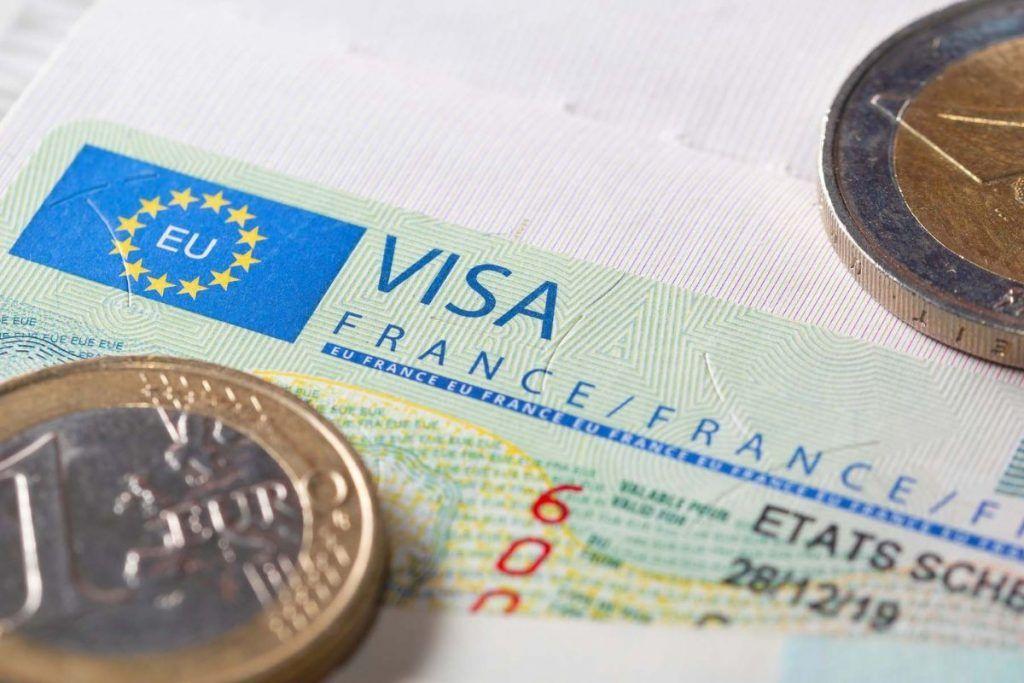
Non-EU citizens aged 18 to 30 who want to live with a French host family in exchange for childcare and light housework need a long-stay visa under the "jeune au pair" category (VLS-TS). This guide walks through the eligibility rules, paperwork, fees, and post-arrival steps as they stand in 2026, including the fee restructure that took effect on May 1, 2026.
Last updated: May 25, 2026
Who Qualifies as a Jeune Au Pair in France
The French au pair program has two parallel tracks: the EU "stagiaire aide familial étranger" (open from age 17) and the non-EU "jeune au pair" route, which is what most readers of this guide will need. The conditions below apply to the non-EU track unless stated otherwise.
To qualify as a jeune au pair, you must:
- Be between 18 and 30 years old at the time of application.
- Be unmarried and have no children.
- Hold a different nationality from your host family, with no family relationship between you.
- Prove basic knowledge of French, or hold a secondary-school diploma or relevant professional qualification.
- Have a signed "convention d'accueil" (host-family agreement) covering accommodation, pocket money, working hours, language study, and the duration of the placement.
The host family side has obligations too. They must provide a private bedroom of at least 9 m² with a window, full board, and time off so you can attend a French language course. The convention d'accueil is capped at one year initially and can be renewed once for a maximum total stay of two years. After that, the jeune au pair status ends and you would need to switch to a different residence permit (student, salaried worker, working holiday) if you wish to remain in France.
If you are a Canadian, Australian, or New Zealand citizen, the France Working Holiday Visa guide is worth comparing, since that route can sometimes be a more flexible alternative.
Pocket Money, Working Hours, and What the Host Family Owes You
The au pair relationship in France is regulated. It is not a private babysitting arrangement, and both sides have legal duties. The figures below are in force as of April 14, 2026.
Item | Non-EU jeune au pair | EU stagiaire aide familial |
|---|---|---|
Minimum pocket money | €320/month | €318.75 to €382.50/month |
Maximum working hours | 25 hours/week | 25 hours/week (typical) |
Private room | ≥ 9 m² with window | ≥ 9 m² with window |
Outside employment | Not permitted | Not permitted |
Maximum stay | 2 years total | Varies |
The host family must register you with URSSAF within 8 days of arrival, using the cerfa declaration form. They alone pay the social-security contributions, which are calculated on a flat-rate basis: 13 × the hourly SMIC per week (€156.26) or 56 × the hourly SMIC per month (€673.12), based on the rate in force on the first day of the calendar quarter. For reference, the monthly SMIC in France for January 2026 is €1,823.03, and the 2026 annual social-security ceiling used in URSSAF contribution tables is €4,005.
The family must also register you with the Caisse Primaire d'Assurance Maladie (CPAM) so you receive French health and maternity coverage. You are not allowed to take any secondary job outside the household under jeune au pair status.
Document Checklist for the Visa Application
Apply no earlier than three months before your planned arrival date. The application is submitted through france-visas.gouv.fr and finalized at a French consulate or an authorized external service provider (VFS Global, TLScontact, or Capago, depending on country).
You will generally need:
- A valid passport with at least two blank pages, issued within the last ten years, and valid for at least three months after your planned departure from the Schengen area.
- The signed long-stay visa application form.
- Two recent passport-format photographs that meet ICAO standards.
- The original convention d'accueil signed by you and the host family, stamped or validated as required by the local prefecture.
- Proof of the host family's identity, address, and family situation (livret de famille, utility bill, ID copies).
- Evidence of your French language ability or secondary-school diploma / professional qualification.
- Proof of enrollment, or pre-registration, in a French language course for the duration of the placement.
- Proof of accommodation (description of the room provided in the host family home).
- Travel medical insurance for the initial period before CPAM coverage starts.
- Proof of return travel or sufficient funds.
- A birth certificate, sometimes with a sworn translation.
- The €99 visa fee receipt.
Missing or inconsistent documents are the single most common reason for delays at the consulate stage. If your placement involves any later job-hunting on a different visa, having a properly formatted French CV ready helps; see how to write a French CV.
Step-by-Step Application Process
- Find a host family. Use a registered au-pair agency or a vetted matching platform. Both sides should exchange video calls, references, and a clear written outline of duties before signing anything.
- Sign the convention d'accueil. This contract is the core document for the visa. It must list pocket money, working hours, time off for language study, room description, and duration. Both parties sign.
- Create your france-visas.gouv.fr account. Complete the long-stay visa form, selecting "jeune au pair." The platform generates a personalized checklist.
- Book an appointment at the relevant consulate or external service provider (VFS, TLScontact, Capago) covering your country of residence. Slots can fill up weeks in advance during summer.
- Attend the appointment in person with the full document set, biometrics (fingerprints), and payment of fees. Keep every receipt.
- Wait for a decision. Standard processing runs about 15 days, but the realistic window is two weeks to two months depending on consulate workload.
- Travel to France once the VLS-TS sticker is in your passport. The visa is valid for up to one year.
- Validate the VLS-TS online within three months of arrival via the ANEF portal at administration-etrangers-en-france.interieur.gouv.fr. Failure to validate within this window means losing legal status.
- Pay the validation tax stamp of €100 for the jeune au pair VLS-TS at validation.
- Begin your placement while attending French classes. Keep proof of attendance, since you will need it for any renewal.
If you later decide to switch into salaried employment, the rules differ significantly; the guide on moving to France for work covers that transition.
Fees and Processing Time in 2026
The French 2026 Finance Law (article 128 of loi n° 2026-103) restructured several immigration fees as of May 1, 2026. The numbers below reflect the current schedule.
Stage | Amount | Notes |
|---|---|---|
Long-stay visa fee | €99 | Non-refundable even if refused |
External service provider fee | €30 to €60 | VFS Global, TLScontact, Capago |
VLS-TS validation tax stamp (jeune au pair) | €100 | Paid at online validation |
First residence permit issuance | €150 | When the carte de séjour is issued |
Reduced first-issue residence card (students, seasonal, certain family) | €100 | Doubled from €50 on May 1, 2026 |
Long-stay-visa-as-residence-permit validation (general rate) | €300 | Raised from €200 on May 1, 2026 |
Residence-card renewal | €200 (or €50 reduced) | Unchanged after May 1, 2026 |
Late-filing penalty (visa-de-régularisation route) | €180 | As of May 2026 |
Processing time: plan on roughly 15 days for the visa decision in straightforward cases, with two weeks to two months being the realistic range. After arrival, the prefecture has up to 90 days from a complete file to decide on a renewal application.
Fee figures change. Verify the current amounts on france-visas.gouv.fr, service-public.fr, and your local préfecture website before paying.
Renewal: From VLS-TS to Carte de Séjour
The initial VLS-TS covers one year. If your host family wants you to stay for a second year (the maximum), you must apply for a carte de séjour "jeune au pair" at the local prefecture within the two months before your VLS-TS expires.
The renewal file includes:
- A renewed convention d'accueil covering the second year.
- Proof of continued French language study (attendance certificates, course enrollment).
- Proof of accommodation (still the same 9 m² minimum room).
- The host family's URSSAF declarations confirming you have been properly registered.
- A valid passport, recent photographs, and proof of address in France.
- Payment of the applicable tax stamps.
The prefecture has 90 days from a complete file to issue a decision. The carte de séjour jeune au pair is renewable only once. After two years total, you must either leave France or switch to a different status (student, salaried worker, working holiday if eligible, family ties, etc.).
Common Pitfalls
- Skipping the online validation. The most frequent mistake. New arrivals assume the visa sticker is enough. It is not. You must validate the VLS-TS on the ANEF portal within three months or you lose legal status.
- Working outside the host family. Jeune au pair status forbids any other employment. A side babysitting job for a neighbor is a violation and can end your stay.
- Hours that creep past 25 per week. The 25-hour cap covers childcare and light housework combined. Document your schedule. Disputes about hours are the most common reason placements break down.
- Inadequate room. If the bedroom is under 9 m² or has no window, the convention d'accueil is non-compliant. Photograph the room before you sign.
- Host family fails to register with URSSAF. This is the family's legal responsibility within 8 days of arrival, but the consequences (no CPAM coverage, no proof of legal placement) fall on you. Ask for a copy of the cerfa declaration.
- Outdated fee assumptions. The May 1, 2026 restructure changed several amounts. Old blog posts and forum threads will quote the previous schedule.
- Applying too early. Applications cannot be submitted more than three months before the planned arrival date.
- No language study. The convention d'accueil obliges you to attend French courses, and renewal depends on proof of attendance.
FAQ
Can I bring my partner or child? No. The jeune au pair route requires that you are unmarried and have no children.
Can my host family be relatives living in France? No. The host family must have a different nationality from yours and no family ties to you.
Is the €320 pocket money taxable? Au pair pocket money is treated as compensation in kind plus a small cash allowance. The host family pays the URSSAF contributions; the au pair does not pay income tax on the pocket money in standard placements. Confirm your situation with the local tax office.
Can I switch to a student visa after the au pair year? Yes, but you must apply for a change of status at the prefecture, with proof of enrollment in a recognized French educational institution and sufficient funds. The change is not automatic.
What happens if the placement fails halfway through? You may try to find another compliant host family and sign a new convention d'accueil, but you must notify the prefecture. Extended gaps without a host family put your residence permit at risk.
Do I need health insurance before CPAM kicks in? Yes. Bring private travel medical insurance covering at least the first weeks until the URSSAF registration and CPAM enrollment are processed.
Is French required at a specific level? The rule asks for "basic" French or a secondary-school diploma / professional qualification. There is no fixed CEFR threshold in the regulation, but consulates increasingly expect at least A1 documentation.
How much should I budget on top of the visa fee? Plan for the €99 visa fee, €30 to €60 service-provider fee, €100 validation tax stamp, flights, and around €200 to €400 for travel insurance, translations, and incidentals.
Living with a host family is one of the faster ways to reach conversational French, because every meal, school run, and grocery trip becomes practice. To keep building your French outside the household, try Migaku to turn the French shows and YouTube channels you already enjoy into study material.