Short Term vs Long Term Renting in Italy: Costs, Contracts, and Foreigner Friendly Options
Última actualización: 1 de junio de 2026
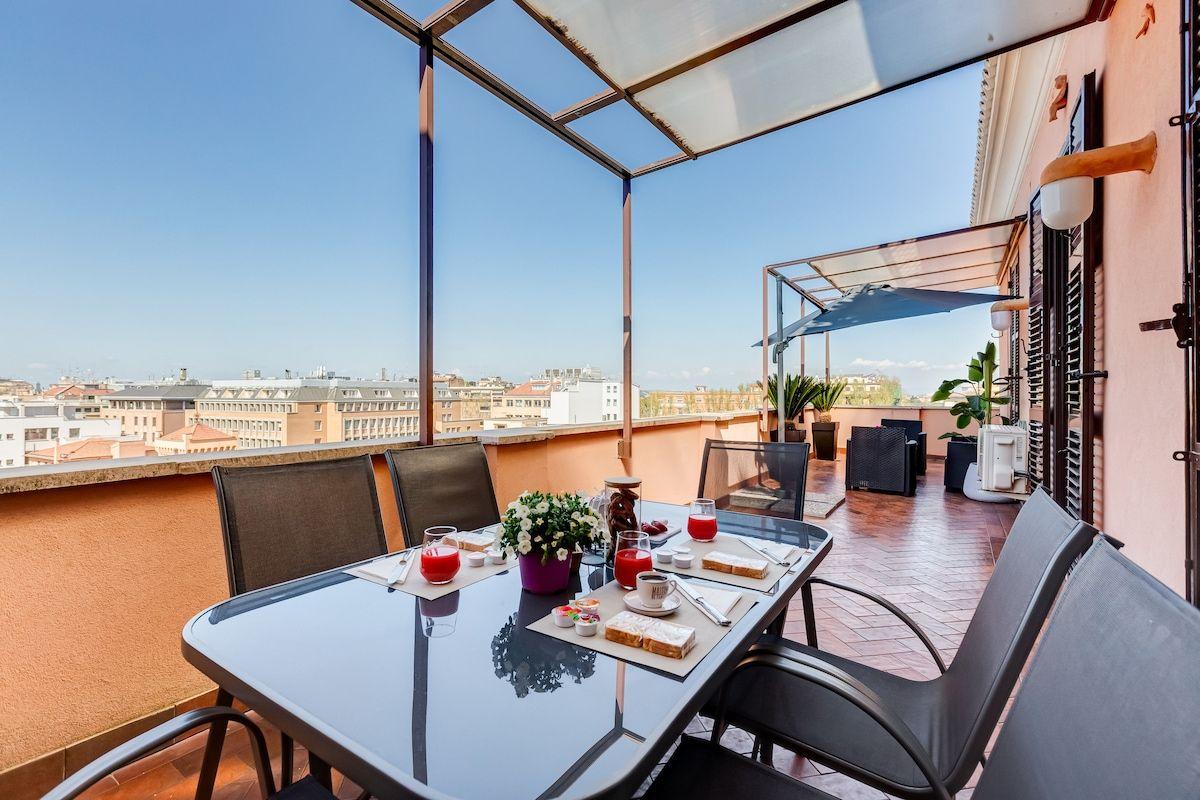
Short-term rentals in Italy are now tightly regulated, while long-term contracts offer tax breaks and price caps. This guide breaks down the real costs, mandatory city registrations, and paperwork for both options so you can choose what fits your stay.
Last updated: June 1, 2026
Eligibility: Who Can Rent What and for How Long
- EU citizens: no visa required for any rental length. A passport or EU ID is enough to sign.
- Non-EU citizens: for stays under 30 days (short-term) you can use your passport and entry stamp. For long-term leases (30 days or more) the Agenzia delle Entrate requires either a valid permesso di soggiorno or the official receipt proving you have applied for renewal.
- Hosts: anyone can list a short-term rental, but each property must be registered with the national SCIA portal (€200 per unit) and, in most cities, with the local Comune as well.
Document Checklist for Tenants
Document | Short-Term (1-29 nights) | Long-Term (30 days+) |
|---|---|---|
Passport | Required | Required |
EU ID | Accepted | Accepted |
Visa / Permesso | Not needed under 30 days | Required for non-EU |
Codice fiscale | Rarely requested | Mandatory for lease registration |
Italian bank account | Optional | Needed for utilities |
Proof of income | Optional | Usually required |
Short-Term Rental Rules and Real Costs (2026)
National obligations for hosts (passed to guests as fees)
- SCIA national registration: €200 per unit (one-time).
- ComUnica portal filing: €0 for hosts, but late filing fines of €100–€500 apply.
- Platform remittance: all major sites auto-collect tourist taxes and forward them.
City-by-city caps and nightly taxes
City | Max nights per year per host | Tourist tax per person per night | Registration fee |
|---|---|---|---|
Rome | No cap listed | €3.50 (max 10 nights) | €200 national + €0 city |
Florence | 12 nights for new hosts | €5.50 (max 7 nights) | €150 annual |
Milan | No cap | €5.00 (max 14 nights) | none |
Venice | Overnight guests exempt from €10 access fee | €4.50 (max 5 nights) | none |
Bologna | 90 nights for non-primary residence | €2.00 (max 5 nights) | €120 annual |
Turin | No cap | 2.5× base tax = €6.25 (max 7 nights) | none |
Naples | No cap | €3.50 (max 14 nights) | €100 annual |
Average nightly prices (May 2026)
- Rome: €160 for a 70 m² two-bed apartment near Termini
- Florence: €185 for entire apartments in the historic centre
- Milan: €210 for zone 1 listings
- Venice: €195 for Cannaregio, €230 for San Marco
Hidden extras
- Cleaning fees: €30–€70 per stay (stated up front).
- Cash caution deposits: some hosts still ask for €100–€300 on arrival.
- Utility overages: only an issue for monthly rentals on platforms.
Long-Term Contract Types and Price Caps
1. 4+4 standard lease (contratto a canone libero)
- Duration: 4 years, renewed automatically for another 4 unless terminated.
- Registration: 2% of annual rent + €16 bollo per page. Minimum €67.
- Tax options: landlord can choose cedolare secca flat tax at 21% of gross rent.
- Rent increases: annual ISTAT inflation adjustment only.
- Average cost in Rome centre: €1,950 per month for 70 m² (Q2 2026).
2. Transitory contract (contratto transitorio)
- Duration: 1–18 months, no automatic renewal.
- Registration: flat €67.
- Tourist tax: exempt.
- Good for: language students, project workers, trial relocations.
3. Canone concordato (discounted rent)
- Available in Milan zone 1: €25/m² cap for 2026.
- Landlord incentive: 10% IMU discount.
- Tenant lock-in: 3+2 years, early exit allowed with 6-month notice.
Up-front cash needed for long-term
- Security deposit: 2–3 months’ rent.
- First month’s rent.
- Agency fee: one month’s rent + 22% VAT.
- Registration tax: €67–€200 depending on contract and rent level.
Application Steps in Order
Short-term (platform-based)
- Filter listings marked “registered” or “Codice CIR” to ensure compliance.
- Confirm total cost including city tax; platforms add it at checkout.
- Upload passport; non-EU travellers may be asked for visa scan.
- Sign digital agreement; you have 24-hour free cancellation on most platforms.
Long-term (agency or direct)
- View flats, request contratto preliminare and building admin rules.
- Provide documents: passport, codice fiscale, work contract or payslips.
- Pay deposit and first month by bank transfer; get stamped receipt.
- Landlord registers the lease online at Agenzia delle Entrate (3-day processing).
- Transfer utilities to your name: electricity, gas, water, internet.
- Register residency at the Comune if you plan to stay more than 90 days.
Fees & Processing Times
Step | Short-Term | Long-Term |
|---|---|---|
Security deposit | €0–€300 (varies) | 2–3 months’ rent |
City tourist tax | €2–€6 pp per night | None |
Registration fee (tenant share) | None | €0–€100 |
Lease registration | Not required | €67–€200 |
Agency fee | 0–15% of booking | 1 month + VAT |
Utility connection | Included | €100–€200 setup |
Total move-in cash (example Rome) | €1,120 for 7 nights | €7,400 for 70 m² flat |
Common Pitfalls and How to Avoid Them
- “Too good to be true” nightly rates: verify SCIA code on the listing. No code means possible shutdown during your stay.
- Cash-only apartments: legitimate hosts accept bank transfers; cash deals often signal tax evasion and leave you without a paper trail.
- Overstaying an STR: exceeding the city night cap (Florence 12 nights, Bologna 90 nights) can lead to €500–€2,000 fines for the host and eviction for you.
- Wrong contract type: insist on contratto transitorio if your stay is under 18 months; agencies sometimes push 4+4 leases that are hard to break.
- Missing codice fiscale: open it free at any Agenzia delle Entrate office before lease signing. Without it, registration fails and the landlord can cancel.
- Venice access fee confusion: if you stay overnight in a registered STR you do not pay the €10 day-tripper fee. Keep your confirmation email as proof.
Frequently Asked Questions
Can I switch from short-term to long-term mid-stay?
Yes. Most platforms allow a private side contract once you have stayed 29 nights. The landlord must register a new lease and refund any prepaid tourist tax for nights after the switch.
Do tourist taxes apply to children?
Children under 10 are exempt in Rome, Florence, Milan, Venice, Bologna, Turin, and Naples. Ages 10–16 pay half the adult rate in Turin and Florence only.
What if the host has not registered the flat?
You can still book, but the property may be shut down by inspectors. If that happens, the platform must relocate you or refund in full. Ask the host for the SCIA confirmation before paying.
Is renter’s insurance mandatory?
No, but landlords increasingly request a €50 annual policy covering civil liability. Easy to buy online (e.g., Allianz or Generali).
Can I leave a 4+4 lease early?
Yes, with six months’ written notice and payment of a one-month penalty, unless the contract specifies libera disdetta (free exit).
Which city offers the best long-term value?
Turin. Average rent is 40% below Rome and Milan (cost of living in Turin) while still connected by high-speed rail.
If your move to Italy is open-ended, starting with a short-term stay to scout neighborhoods can save headaches. Once you pick a city, the transitory contract is the simplest bridge to a stable long-term home.
Settling in Italy is smoother when you can read the lease in Italian. Migaku helps you learn from real Italian contracts, listings, and daily life so nothing gets lost in translation.