Summer Dolomites Itinerary: Best Bases, Day Hikes, Rifugios
Última actualización: 27 de mayo de 2026
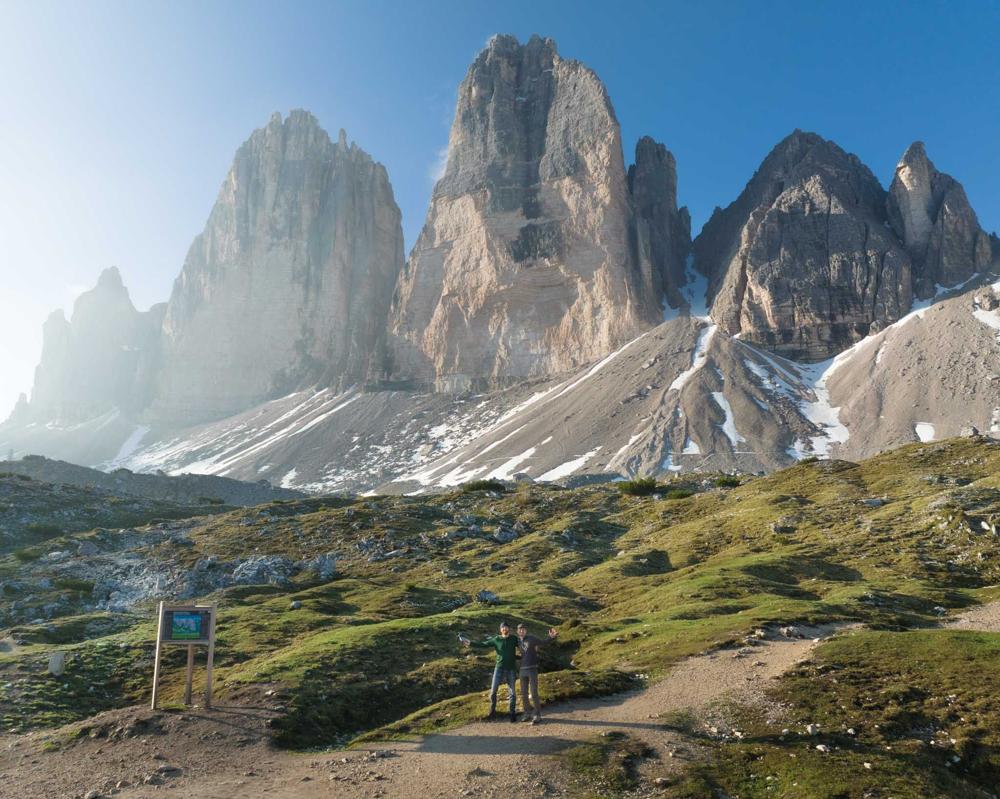
Planning a summer hiking trip in the Dolomites in 2026 means juggling three things: choosing the right valley bases, locking in rifugio beds early, and dealing with a growing list of paid-access and pre-booking rules at the most famous trailheads. This guide walks you through a workable 8 to 10 day itinerary that combines comfortable village stays with one or two nights in a mountain hut.
Last updated: May 27, 2026
When to Go and What Has Changed for 2026
The hut-to-hut season in the Dolomites runs from late June or early July through mid to late September. Most rifugios open around June 10 and close around September 25, weather permitting. July and August are the busiest months; the first three weeks of September often offer the best combination of stable weather, open huts, and slightly thinner crowds.
Several access rules tightened for the 2026 season. You should plan around these before you book flights:
- Tre Cime di Lavaredo toll road: car parking is now €40 (€26 motorbikes, €60 campervans), up from €30. Reservation with license plate is mandatory through the official Auronzo portal. The road's provisional opening date for 2026 was May 23 at 9 a.m. Permits are valid up to 12 hours and you cannot re-enter on the same ticket.
- Lago di Braies (Pragser Wildsee): from July 1 to September 15, 2026, the valley road is closed to general traffic between 9:00 a.m. and 4:00 p.m. Access during that window requires a pre-booked permit, public transport, bike, or your own two feet. Buses 439 and 442 require advance online booking; the regional Mobilcard/Guest Pass is not valid in this window.
- Seceda: a €5 per person turnstile was introduced on the main ridge in 2026, and walking off-trail in the meadows is now prohibited and enforced by rangers. Ortisei to Furnes to Seceda cable car tickets must be pre-booked with a time slot. A return ticket costs €74 (€70.50 with the pre-booking discount).
- Passo Gardena: from September 1, 2026, the road between Val Gardena and Val Badia is closed to motorized traffic except locals and hotel guests. The trial ZTL caps day access at 150 cars per day via online booking.
No general hiking permit is required to walk in the Dolomites, but the choke points above now function as de facto reservation systems.
Best Bases for a Summer Itinerary
The Dolomites span three Italian provinces (South Tyrol, Trentino, and Belluno), and trying to see them all from one hotel means too much driving. A two-base or three-base itinerary works best.
Base | Region | Good for |
|---|---|---|
Ortisei (St. Ulrich) | Val Gardena, South Tyrol | Seceda, Alpe di Siusi, Sassolungo loops |
Corvara or San Cassiano | Alta Badia | Lagazuoi, Puez-Odle, Sella massif |
Cortina d'Ampezzo | Veneto | Tre Cime, Cinque Torri, Lago di Sorapis |
Misurina or Auronzo | Veneto | Closest access to Tre Cime |
Selva di Cadore or Alleghe | Veneto | Civetta, Marmolada views |
For a first trip, Ortisei plus Cortina is the cleanest combination: German-speaking South Tyrol on one side, Italian-speaking Veneto on the other, with very different food cultures in between.
A Sample 9-Day Summer Itinerary
This itinerary assumes you fly into Venice or Innsbruck, rent a car for flexibility, and include one rifugio night. Adjust the day count down to 7 by trimming the rest day in Cortina and the second Val Gardena hike.
Days 1–3: Val Gardena base in Ortisei
- Day 1: Arrive Ortisei. Easy afternoon walk on the Alpe di Siusi plateau (take the Mont Sëuc cable car from town).
- Day 2: Seceda. Pre-book your Ortisei to Seceda cable car time slot online; pay the €5 ridge access turnstile. Walk the marked ridgeline to Rifugio Firenze and either descend via cable car or continue down the Col Raiser side.
- Day 3: Sassolungo circuit. Drive to Passo Sella, take the small "Forcella Sassolungo" basket lift, and complete the loop (around 5 hours, moderate). Stay overnight at Rifugio Vicenza for a hut experience without committing to a multi-day trek.
Days 4–5: Transit through Alta Badia
- Day 4: Drive Ortisei to Corvara via Passo Gardena. Note: if you're traveling after September 1, 2026, the pass road is closed to general motorized traffic. Use the bus or book a day permit in advance. Afternoon hike to Rifugio Puez or the Pisciadù waterfall.
- Day 5: Lagazuoi day. Cable car up from Passo Falzarego, walk the WWI tunnels (bring a headlamp), have lunch at Rifugio Lagazuoi for the Marmolada view, descend on foot via Forcella Travenanzes toward Rifugio Scotoni.
Days 6–8: Cortina d'Ampezzo base
- Day 6: Tre Cime di Lavaredo loop. Either drive the toll road (book the €40 car parking with your plate number in advance) or take the Dolomitibus shuttle from Misurina (€10 round trip, hourly). The classic loop from Rifugio Auronzo via Rifugio Locatelli takes 3 to 4 hours. Alternative: park at Parcheggio Misurina for €14 per day and hike up via Rifugio Lavaredo.
- Day 7: Lago di Sorapis. A moderate 6-hour out-and-back from Passo Tre Croci. Start early; the small lake gets crowded by midday.
- Day 8: Lago di Braies and Croda del Becco. During the July 1 to September 15 window, you must pre-book. The combined day ticket is €44 and includes the transit permit, guaranteed parking, and a €22 voucher for restaurants or shops. Alternatively, park at P1 (5 km from the lake) for €15, which includes a free shuttle ticket; shuttles run every 30 minutes between 9:10 a.m. and 5:25 p.m. Rowboat rentals at La Palafitta run 8:00 a.m. to 7:00 p.m. from June 20 to September 6, 2026.
Day 9: Departure
Drive back to Venice or transfer to Innsbruck. If you have an extra day, add Cinque Torri (easy, scenic, full of WWI history).
Sleeping in a Rifugio: How It Actually Works
A rifugio is a staffed mountain hut offering bunk-room or small private-room accommodation, half-board (dinner plus breakfast), and a bar. Booking direct on the hut's official website is the standard. A few practical points:
- Book early. Popular huts on the Alta Via 1 sell out 6 to 9 months in advance. Bookings often open in August of the previous year. Single-night stays at well-known huts near road-accessible passes (Lagazuoi, Auronzo, Locatelli) are easier but still go fast for weekends in July and August.
- Deposits. Alta Via 1 rifugios typically require around €40 per person as a deposit to hold the reservation.
- What to bring: a silk or cotton sleeping-bag liner (compulsory in most huts), earplugs, indoor shoes or thick socks (boots stay at the door), small towel, cash for the bar (card acceptance is improving but not universal at altitude).
- Half-board is the norm. Dinner is usually a fixed three-course menu at a set time. Dietary requests should be communicated when booking.
- Showers often cost a few euros extra and are time-limited. Water is precious above 2,000 m.
- Phone signal is patchy. Download offline maps (the Tabacco 1:25,000 series is the gold standard, available in app form) before you go.
Nightly half-board rates vary widely by hut and are set individually for 2026. Check each rifugio's official website directly when planning.
Alta Via 1: The Classic Multi-Day Option
If you'd rather skip the rental car and do one continuous trek, the Alta Via 1 is the most accessible high route. The classic itinerary is 120 km (75 mi) with around 7,400 m (24,000 ft) of cumulative elevation gain, typically walked in 10 to 12 days from Lago di Braies south to the La Pissa bus stop near Belluno. It requires no technical climbing but does involve long days and exposed sections.
Logistics to plan:
- Start at Lago di Braies, which means booking transport into the lake under the summer access rules described above.
- Book all hut nights as soon as the booking window opens.
- Budget for €40 deposits per hut and roughly half-board rates that you'll confirm at booking.
- Finish at La Pissa, where local buses connect to Belluno's train station.
Fees and Access at a Glance
Site | 2026 fee | Booking required? |
|---|---|---|
Tre Cime toll road (car) | €40 | Yes, license plate |
Tre Cime toll road (motorbike) | €26 | Yes |
Tre Cime toll road (campervan) | €60 | Yes |
Dolomitibus to Tre Cime | €10 round trip | No (turn up) |
Parcheggio Misurina | €14/day | No |
Lago di Braies combined day ticket (Jul 1–Sep 15) | €44 | Yes |
Lago di Braies P1 + shuttle | €15/day | Recommended |
Lago di Braies P4 (closest lot) | Day-stay ticket via pragsparking.com | Yes |
Seceda ridge turnstile | €5/person | No |
Ortisei–Seceda cable car (return) | €74 (€70.50 pre-booked) | Yes, time slot |
Passo Gardena ZTL (from Sep 1, 2026) | Free permit, 150 cars/day cap | Yes |
Common Pitfalls
- Showing up at Lago di Braies between 9 a.m. and 4 p.m. without a permit in summer. You will be turned away at the valley entrance.
- Overstaying the 2-hour free parking at Pragser Wildsee. Fines of €25 to €30 are issued reliably.
- Trying to wild camp. Tents and vans are 100% illegal in all Dolomites Nature Parks (Fanes-Sennes-Braies, Tre Cime, Puez-Odle, and others). Emergency bivouacking is generally tolerated only above 1,500 to 2,000 m and far from any rifugio.
- Flying a drone without permits. In the National Park and Nature Parks, drones require special authorization from ENAC and the park authority. Fines can reach €3,000 and up.
- Underestimating weather. Afternoon thunderstorms are routine in July and August. Start hikes early, aim to be off exposed ridges by 2 p.m., and always carry a shell and warm layer.
- Booking only one hut at a time for the Alta Via 1. You need the full chain confirmed; mismatched dates will leave you stranded.
- Assuming buses run all day. The mountain bus network is excellent but timetables thin out after 6 p.m.
FAQs
Do I need a car?
Not strictly. South Tyrol's bus and cable car network is dense, and the Mobilcard/Guest Pass covers most of it outside the Braies restriction window. A car gives you more flexibility for less-visited trailheads, but parking is increasingly capped and paid.
How fit do I need to be?
The day hikes in this itinerary range from 3 to 7 hours with 400 to 900 m of elevation gain. If you can comfortably hike 15 km on hills at home, you'll manage. For the Alta Via 1, expect 6 to 8 hours of walking per day for over a week.
Is English enough?
In South Tyrol, German is the first language for most locals, with Italian second and Ladin spoken in some valleys; in Cortina and the Veneto side, Italian dominates. English works in hotels, cable car stations, and most rifugios, but learning a few phrases in Italian (and a handful of German greetings in the north) goes a long way.
When do huts close?
Most close around September 25, 2026. A handful in lower valleys stay open into early October if weather holds.
Can I combine this with other Italian regions?
Yes. The Dolomites pair well with a coastal counterpoint such as hiking in Cinque Terre, or you can fold them into a longer month-long Italy itinerary. If you're approaching from the north, consider extending into Austria alpine hiking regions, which sit just across the border.
Are dogs allowed?
Generally yes on trails and in many rifugios (often for a small surcharge and only in private rooms). Check each hut individually. Dogs are not allowed in rowboats at Lago di Braies.
Cash or card?
Both, but carry €100 to €200 in cash for huts that don't take cards reliably, plus small change for cable car snack bars and parking machines.
If you're spending real time in northern Italy this summer, a little Italian (or German for South Tyrol) makes rifugio dinners, bus drivers, and small-town bakeries much easier to navigate. Try Migaku if you'd like to pick up the language from the kind of shows and content you'd actually watch anyway.