The Classic Two Week China Itinerary: Beijing, Xi'an, Shanghai
Última actualización: 18 de mayo de 2026
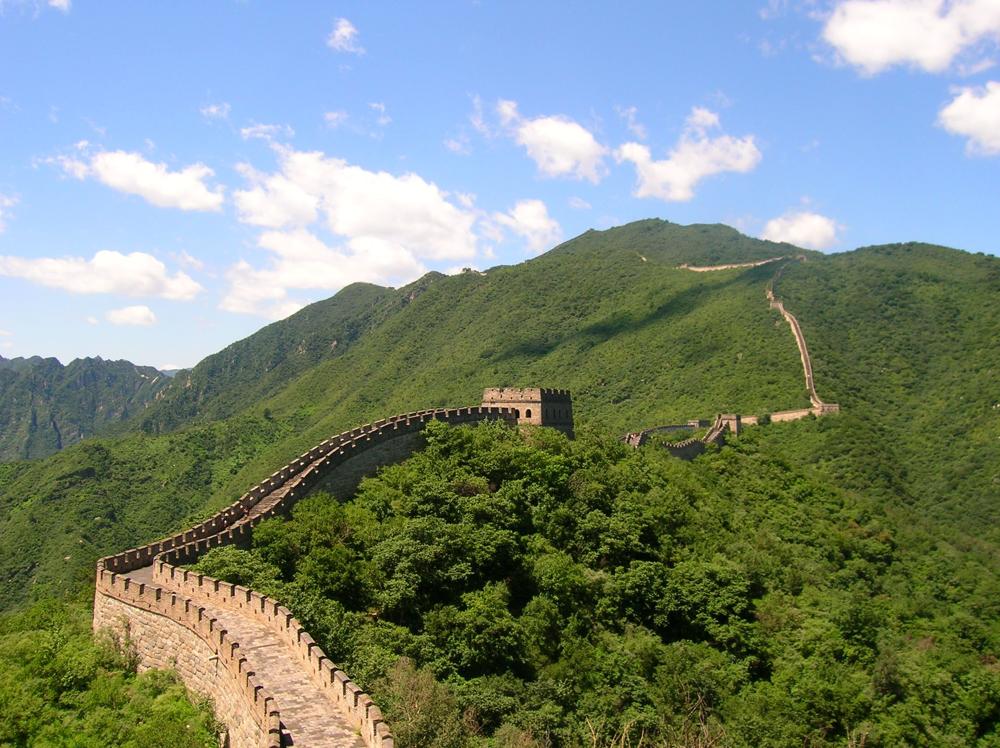
Two weeks is the sweet spot for a first China trip: enough time to anchor in Beijing, ride a bullet train to Xi'an for the Terracotta Warriors, and finish in Shanghai without rushing. This guide lays out a realistic 14-day plan with current 2026 entry rules, train fares, and ticket logistics.
Last updated: May 18, 2026
Entry Requirements and the Digital Arrival Card
China has loosened entry dramatically over the past two years, and for most Western passport holders a full tourist visa is no longer necessary for a two-week trip.
- 30-day visa-free entry is available for citizens of 45+ countries, including France, Germany, Italy, Spain, the Netherlands, and Sweden, through December 31, 2026.
- UK and Canadian passport holders were added to the 30-day visa-free list from February 17, 2026 to December 31, 2026.
- US passport holders are not on the unilateral visa-free list but can use the 240-hour (10-day) visa-free transit through Beijing, Xi'an, or Shanghai if they have a confirmed onward ticket to a third country or region. For a full two-week stay, US travelers will need a standard tourist (L) visa.
- Russian ordinary passport holders have visa-free entry through September 14, 2026 (max 30 days).
For anyone planning to work, study, or stay long-term, see China visa requirements for tourists for the longer-stay routes.
The China Digital Arrival Card (CDAC)
Since November 20, 2025, every foreign traveler entering China by air, land, or sea must complete the China Digital Arrival Card issued by the National Immigration Administration. Key facts:
- File within 72 hours before arrival.
- Submit at s.nia.gov.cn, through the NIA 12367 app, or via WeChat/Alipay mini-programs.
- It is free. Any site charging a fee is a third party.
- Paper arrival cards are no longer used.
If you stay in a hotel, the hotel registers you automatically. If you stay in a private apartment or with friends, you must register yourself at the local Public Security Bureau within 24 hours of arrival in cities.
The 14-Day Route at a Glance
This itinerary uses the classic triangle, with five nights in Beijing, three in Xi'an, and five in Shanghai, plus a buffer day for transit.
Day | Base | Focus |
|---|---|---|
1 | Beijing | Arrival, settle in, Wangfujing area |
2 | Beijing | Forbidden City, Tiananmen, Jingshan Park |
3 | Beijing | Mutianyu Great Wall day trip |
4 | Beijing | Temple of Heaven, hutongs, Houhai |
5 | Beijing | Summer Palace, 798 Art District |
6 | Beijing → Xi'an | High-speed train, evening at Muslim Quarter |
7 | Xi'an | Terracotta Warriors |
8 | Xi'an | City Wall, Big Wild Goose Pagoda, Shaanxi History Museum |
9 | Xi'an → Shanghai | High-speed train, Bund at night |
10 | Shanghai | Yu Garden, Old Town, French Concession |
11 | Shanghai | Pudong skyline, Shanghai Tower, Lujiazui |
12 | Shanghai | Day trip to Suzhou or Hangzhou |
13 | Shanghai | Museums, M50, shopping |
14 | Shanghai | Departure |
Beijing: Days 1 to 5
Beijing rewards slow walking. The metro is cheap and efficient, taxis are inexpensive outside rush hour, and most major sights are clustered in the center.
Forbidden City
The Palace Museum is the centerpiece of any Beijing visit, and the booking system is strict:
- Admission: CNY 60 in peak season (April 1 to October 31), CNY 40 off-peak.
- Treasure Gallery and Clock Gallery: CNY 10 each extra.
- Daily cap: 40,000 visitors.
- Tickets open exactly 7 days before at 8:00 PM Beijing time and frequently sell out within minutes.
- No same-day tickets. Foreign visitors book using their passport number and scan the passport at the gate.
- Closed Mondays. Open Tue to Sun, 8:30 AM to 5:00 PM (peak) or 4:30 PM (off-peak).
Enter from the south (Meridian Gate) and exit north toward Jingshan Park for the classic rooftop view.
Great Wall at Mutianyu
Mutianyu is the best balance of restored wall, scenery, and manageable crowds for a day trip from Beijing.
- Adult admission: ¥45.
- Under-18s and students up to 25: ¥25.
- Shuttle bus inside the park: ¥15 round-trip.
- Cable car: ¥100 one-way or ¥140 round-trip.
- Toboggan down is fun but not allowed for visitors aged 60+.
- Peak hours run March 16 to November 15, with the chairlift operating 8:00 AM to 5:00 PM.
Budget a full day. A private car from central Beijing takes about 90 minutes each way; group tours are cheaper but slower.
The Rest of Beijing
Use remaining days for the Temple of Heaven (book online with passport), the Summer Palace (allow half a day), the hutongs around Nanluoguxiang, and an evening stroll at Houhai Lake. The 798 Art District is a good rainy-day option.
Beijing to Xi'an by High-Speed Train
Fly only if you find a heavy discount; otherwise the bullet train wins on time and reliability.
- Distance: 1,216 km.
- Journey time: 4h 10m to 6h depending on the train.
- Around 20 daily G-trains from Beijing West Railway Station to Xi'an North Railway Station.
- First departure around 06:27, last around 18:55.
Class | Approximate Fare (CNY) |
|---|---|
Second Class | 515.5 |
First Class | 824.5 |
Business Class | 1,627.5 |
Tickets can be booked up to 15 days in advance via the official 12306.cn site or third-party booking platforms. Your passport number is tied to the ticket, and you scan the same passport to enter the platform and to board. Luggage is capped at 20 kg per adult with a single-piece maximum of 130 cm (L+W+H).
Xi'an: Days 6 to 8
Xi'an is the old Tang capital and your gateway to the Terracotta Warriors. The walled city center is compact and the metro reaches the train station and airport.
Terracotta Warriors
Officially the Emperor Qinshihuang's Mausoleum Site Museum, about 40 km east of Xi'an.
- Admission: CNY 120 (no seasonal change).
- Ticket covers Pit 1, Pit 2, Pit 3, Lishan Garden, and the shuttle bus between sites.
- Daily cap: 65,000 tickets, with a 13,700 simultaneous capacity limit.
- Booking opens 7 days ahead (10 days during national holidays).
- Foreign visitors scan a passport at the gate.
- Opening hours: 8:30 to 18:30 (March 16 to November 15), 8:30 to 18:00 (November 16 to March 15).
Go early. Pit 1 (the largest hall) is the iconic image, but Pit 3 holds the command structures and is worth lingering over.
City Wall and Muslim Quarter
The Ming-era city wall is 14 km around and rentable bikes make a circuit in about 90 minutes. The Muslim Quarter near the Drum Tower is the place for roujiamo (pork or beef in flatbread), biang biang noodles, and yangrou paomo. Try the Great Mosque, hidden behind the food alleys, for a quieter half hour.
Big Wild Goose Pagoda and Shaanxi History Museum
The Shaanxi History Museum is free but requires a passport reservation in advance; the basic ticket is limited daily, so book on the official site as soon as you have a confirmed date. The pagoda area has good evening fountain shows.
Xi'an to Shanghai: Days 9 to 14
The Xi'an-Shanghai high-speed run takes roughly 6 to 8 hours depending on the route. If you would rather not lose most of a day on rails, a 2.5-hour flight from Xi'an Xianyang International to Shanghai Hongqiao or Pudong is often the better call. Many travelers do this leg overnight in a sleeper or fly in the morning to maximize Shanghai time.
Shanghai Highlights
- The Bund: walk it at dusk, then again at night when Pudong is lit.
- Yu Garden and Old Town: a Ming-era classical garden surrounded by a food bazaar.
- Pudong and Shanghai Tower: the observation deck at 632 m is the city's headline view.
- French Concession: tree-lined streets, cafés, boutiques. Best explored on foot or by bike.
- Jing'an Temple, Tianzifang, M50, and the Shanghai Museum fill out the remaining days.
Check official sites or major booking platforms for current 2026 admission prices, since several Shanghai attractions have adjusted ticketing in the past year.
Day Trip: Suzhou or Hangzhou
Both are 25 to 60 minutes from Shanghai by high-speed train. Suzhou is the classical-garden town and easier as a half-day. Hangzhou centers on West Lake and deserves a full day if you can spare one.
Money, Payments, and Connectivity
- Mobile payments dominate. Set up Alipay and WeChat Pay before arrival and link an international card (both apps now accept Visa, Mastercard, and others for foreign users). Cash is accepted everywhere but small vendors may struggle with change.
- ATMs: Bank of China and ICBC accept most foreign cards. Tell your bank you are traveling.
- SIM and data: an eSIM from a reputable provider is the easiest route. China blocks Google, WhatsApp, Instagram, and most Western news sites; an eSIM with international routing or a reliable VPN installed before you arrive will keep these working.
- Apps that matter on the ground: Didi (rides), Amap or Baidu Maps (navigation), Dianping (restaurants), and Trip.com (trains, hotels, attraction tickets in English).
For broader regional context, see our notes on practical travel tips for Asia.
Common Pitfalls
- Booking the Forbidden City and Terracotta Warriors too late. Both release tickets 7 days ahead and both sell out. Set a phone alarm for the release time.
- Forgetting Monday closures. The Forbidden City and the Shaanxi History Museum are closed Mondays.
- Skipping the CDAC. Filing the digital arrival card within 72 hours of arrival is mandatory as of late 2025. Border staff will flag you if it is missing.
- Arriving without a working VPN. Install and test it at home. Once you land, downloading one is much harder.
- Booking trains without a passport-matched ticket. Real-name registration is enforced, and the name on the ticket must exactly match your passport.
- Underestimating Mutianyu transit time. A 90-minute drive each way plus 3 to 4 hours on the wall is a full day; don't stack other Beijing sights on top.
- Bringing too much luggage on trains. The 20 kg / 130 cm limit is enforced more strictly than it used to be.
Festivals and Timing
Avoid the National Day Golden Week (October 1 to 7) and Chinese New Year (late January or early-mid February) unless you specifically want festivals. Domestic travel surges, train tickets vanish, and attraction caps fill within minutes. April-May and September-October offer the best weather across all three cities. For regional cultural events worth planning around, take a look at festivals and events in China.
FAQ
Is two weeks enough for Beijing, Xi'an, and Shanghai?
Yes, with a day or two to spare for a Suzhou or Hangzhou side trip. Adding Chengdu or Guilin pushes you to three weeks.
Do I need a visa if I'm American?
The US is not on the 30-day visa-free list. You can use the 240-hour transit policy if you have an onward ticket to a third country; otherwise apply for a tourist L visa.
Can I pay with foreign credit cards?
Increasingly yes in hotels and large stores, but Alipay and WeChat Pay are far more widely accepted. Set them up before you arrive.
How far in advance should I book trains?
Tickets open 15 days ahead. Book within the first day or two of release for peak-season departures.
Is English widely spoken?
In hotels and major attractions, often yes. In restaurants, taxis, and on the street, rarely. A translation app and a few phrases go a long way.
If you're heading to China for two weeks, even a small base of Mandarin makes daily life smoother: reading menus, navigating taxis, chatting with vendors. Migaku helps you learn from real Chinese shows, news, and books at your own level. Try Migaku before your flight.