The Slow Food Movement in Italy: Regions, Markets, Producers
Última actualización: May 21, 2026
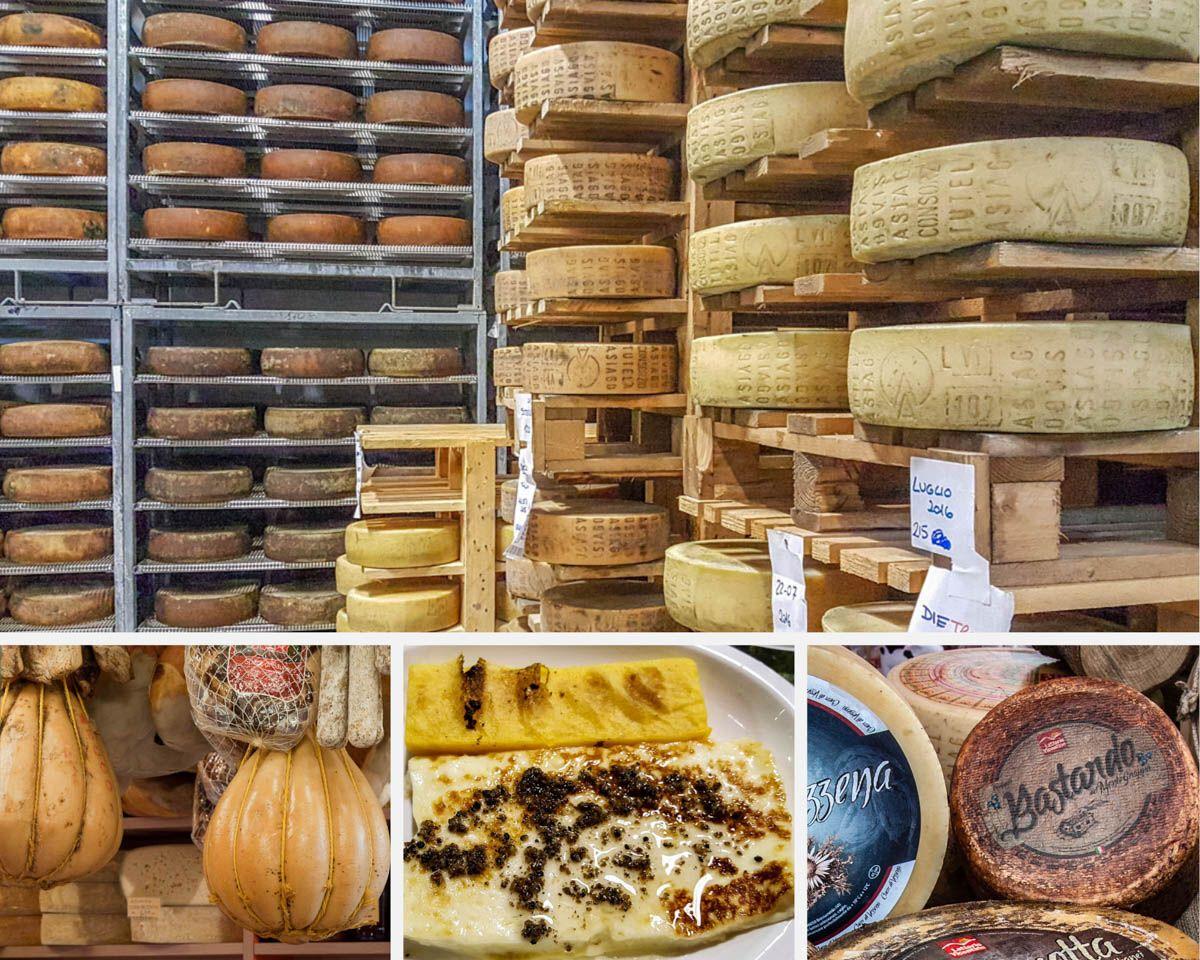
If you're traveling or relocating to Italy and want to eat closer to the source, the Slow Food movement is the most reliable map you'll find: a network of certified producers, regional Presidia, and seasonal markets that runs from Piedmont down to Sicily. This guide explains where the movement is strongest, which events to plan around, and how to engage with it as a visitor or new resident.
Last updated: May 21, 2026
What the Slow Food Movement Actually Is
Slow Food began in Italy and remains headquartered there. The international manifesto was signed on December 10, 1989, at the Opéra Comique in Paris by delegates from 15 countries, but the organizational core sits in Bra, a small town in Piedmont near Turin. That is also where Slow Food Italia APS is registered (Via della Mendicità Istruita 14, 12042 Bra, in the Italian National Register of APS under number 194).
The movement's stated mission is to defend food biodiversity, support small-scale producers, and connect eaters with the people growing, raising, fishing, or fermenting what ends up on the plate. Globally, Slow Food reports over one million activists and more than 10,000 projects across 160 countries. For travelers in Italy, the practical value is concrete: a vetted list of producers, products, and events you can actually visit.
The key programs to know are:
- Presidia: projects that protect a specific endangered product and its producers. Italy has more than 270 Presidia distributed across every region.
- Ark of Taste: a global catalog of foods at risk of disappearing. Italy alone accounts for 1,206 entries in the Ark, out of roughly 5,000 worldwide from more than 150 countries.
- Earth Markets (Mercati della Terra): farmers' markets organized under Slow Food principles, where producers sell directly.
- Condotte: local chapters that organize tastings, dinners, and producer visits at the community level.
Regions Where Slow Food Has the Deepest Presence
Every Italian region has Slow Food activity, but some are denser than others. Here is a practical map for travelers.
Piedmont
Piedmont is the operational heart of the movement. Bra hosts the Slow Food Italia headquarters and the biennial Cheese festival. Nearby Pollenzo is home to the University of Gastronomic Sciences, founded in 2004 by Slow Food together with the Regions of Piedmont and Emilia-Romagna. Turin hosts the flagship Terra Madre Salone del Gusto every two years.
Products worth seeking out in Piedmont include Castelmagno cheese, Roccaverano robiola, Saluggia bean, and a long list of Alpine and hill-country cheeses tied to specific valleys.
Emilia-Romagna
Emilia-Romagna currently hosts 20 Slow Food Presidia covering cured meats, cheeses, freshwater fish, meat, and fruit. The region is the natural home of Parmigiano Reggiano, Modena balsamic, and culatello di Zibello, and several Presidia protect smaller mountain variants and traditional pig breeds that don't make it onto supermarket shelves.
Bologna also hosts the Slow Wine Fair each February at BolognaFiere.
Calabria
Calabria has 14 Slow Food Presidia covering cheeses, fruit, meats, and forest products. It is one of the better regions for travelers who want to see Presidia work in a less touristy setting: producers tend to be small, family-run, and reachable with a rental car. Look for the red onion of Tropea, the Caciocavallo Silano traditions, and the Sila potato.
Sicily
Sicily has one of the country's broader Presidia networks, spanning sea salt, ancient grain varieties, citrus, capers, vanilla-scented Modica chocolate, and fish products from the Aeolian and Egadi Islands. Markets in Palermo, Catania, and Siracusa are good entry points, and several Presidia producers run farm visits during the harvest season.
Other Strong Regions
Tuscany, Veneto, Lombardy, Campania, Puglia, and Sardinia all have substantial Presidia networks covering cheeses, cured meats, legumes, ancient grains, and seafood. Region-by-region Presidia counts shift as new projects are added; for the current list per region, consult the Slow Food Foundation directly at fondazioneslowfood.com.
For an overview of how regional cooking traditions differ in practice (Roman, Neapolitan, Sicilian, Bolognese), see our guide to Italian Regional Cuisine.
Major Slow Food Events in Italy 2026
If you can time a trip around one of these, you'll meet hundreds of producers in a single visit.
Terra Madre Salone del Gusto 2026
The 16th edition of Terra Madre Salone del Gusto runs September 24–27, 2026 in central Turin, marking the 40th anniversary of Slow Food Italy. It is organized by the City of Turin, the Piedmont Region, and Slow Food.
Venues are spread across the city center: Piazza San Carlo, Piazza Castello, Piazza Carlo Alberto, Via Roma, Piazza CLN, Piazza Solferino, Piazza Vittorio, and Piazza Valdo Fusi. A parallel "Terra Madre Off" programme runs September 21–28 in Turin and across Piedmont, with dinners, producer visits, and tastings outside the main venues. A satellite "Road to Terra Madre" programme runs from May 1 to September 20, 2026, across Italy and globally.
Terra Madre Europe is also scheduled separately for June 7–9, 2026.
Slow Wine Fair
The 5th edition of Slow Wine Fair took place at BolognaFiere on February 22–24, 2026, with over 1,000 exhibitors and more than 60% of wines certified organic, biodynamic, or in conversion. Combined with the parallel SANA Food event, attendance reached around 16,000 visitors, a 6% increase over the prior edition. For comparison, the 2025 edition featured 1,053 exhibiting wineries, an 18% jump from 2024, with producers from every Italian region. The 2027 edition will follow the same February pattern in Bologna.
Cheese
The biennial Cheese festival in Bra is the world's largest event dedicated to raw milk cheese. The 15th edition ran September 19–22, 2025, with over 400 exhibitors, under the patronage of the Italian Ministry of Agriculture, Food Sovereignty, and Forestry. The next edition is expected in 2027; check slowfood.it for confirmed dates.
Markets and Producers Worth Visiting
Beyond the big events, the most practical way to engage with the movement is through Earth Markets and direct producer visits.
- Earth Markets (Mercati della Terra) operate in cities and towns across Italy on fixed schedules. Producers must be local, transparent about methods, and meet Slow Food's price-and-practice standards. Bologna, Milan, Rome, Turin, and smaller centers like San Miniato all host regular Earth Markets.
- Presidia farm visits: many Presidia producers accept visitors by appointment. Cheese makers in the Alps, salami producers in Emilia, fishermen in the Aeolian Islands, and grain growers in Sicily are typical examples. Book in advance and confirm whether the visit includes tasting.
- Osterie d'Italia: Slow Food's annual guide to traditional Italian osterie is the most reliable directory for sit-down meals that align with the movement. Look for the snail symbol next to listings considered exemplary.
If you're based in northern Italy, regional rail and public transport make day trips to producers feasible. For navigating Milan as a base, see our guide to ATM Milan Public Transport.
Becoming a Slow Food Member in Italy
Membership is open to residents and visitors alike, and it gets you into member-only tastings, discounts at Terra Madre and Cheese, and the Osterie d'Italia guide.
Current fees, approved by the Members' Assembly in Messina in 2023 and effective from January 1, 2024:
Membership type | Annual cost | Notes |
|---|---|---|
Socio ordinario (standard) | €35 | Single adult, one year |
Two-year ordinary | €70 | €12 returned to the local territorial Association on subscription |
Famiglia Slow (family) | €70 | Covers up to 2 adult cards and 2 junior cards |
Under the structure introduced after 2024, local territorial Associations receive €6 per ordinary member, doubled from the previous €3. Voting rights at Slow Food Italia assemblies require being an adult member registered for at least three months and current on annual dues.
You can join online at slowfood.it or in person at a local Condotta.
Common Pitfalls for Visitors
- Confusing "slow" branding with certified Presidia: many restaurants and shops use "slow food" loosely. The actual Presidia and Earth Markets are listed on official Slow Food sites; if it's not listed there, it's marketing.
- Assuming events are walk-in: Terra Madre is free to attend in many public areas, but Taste Workshops, dinners, and producer-led sessions require paid tickets that sell out weeks in advance.
- Underestimating travel time to Presidia producers: many are in mountain villages or rural islands with limited public transport. Rent a car or coordinate with the producer.
- Visiting in August: many small producers and Condotte close in August. May, June, September, and October are the best months.
- Expecting English everywhere: at the headquarters in Bra and at Terra Madre you'll find English speakers, but at small Presidia farms, basic Italian helps a great deal.
FAQs
Where was Slow Food founded?
The international manifesto was signed in Paris in 1989, but the movement originated in Italy and is headquartered in Bra, Piedmont. The University of Gastronomic Sciences in Pollenzo, founded in 2004, is the academic arm.
Which Italian region has the most Slow Food Presidia?
Current region-by-region totals shift as new projects are added. Italy has more than 270 Presidia overall. Confirmed recent counts include Emilia-Romagna with 20 and Calabria with 14. Check the Slow Food Foundation site for the latest per-region figures.
How much does it cost to join Slow Food Italia?
Standard membership is €35 per year. A family membership covering up to two adults and two juniors is €70. A two-year individual membership is also €70.
When is the next Terra Madre Salone del Gusto?
September 24–27, 2026 in central Turin, with a Terra Madre Off programme running September 21–28 across Piedmont.
Can tourists visit Slow Food Presidia producers?
Yes, most accept visitors by appointment. Contact details are on the Slow Food Foundation site under each Presidio. Some run regular tasting tours, others require advance booking.
Is there a digital nomad route into Italy for food-focused travelers?
Italy's digital nomad visa is one option for staying longer. See our guide to the Italy Digital Nomad Visa for Food Travelers.
What's the difference between a Presidio and an Ark of Taste product?
The Ark of Taste is a catalog of endangered foods (1,206 Italian entries). A Presidio is an active project supporting producers of a specific product, often one already listed in the Ark. Presidia are the operational layer; the Ark is the inventory.
If you're moving to Italy and want to get more out of producer visits, market conversations, and small-town Condotte, learning Italian with real Italian content makes a real difference. Try Migaku to study from the shows, podcasts, and articles you already want to consume.