Boulangerie Etiquette: How to Order Bread and Pastries Like a Local
最終更新日: 2026年5月30日
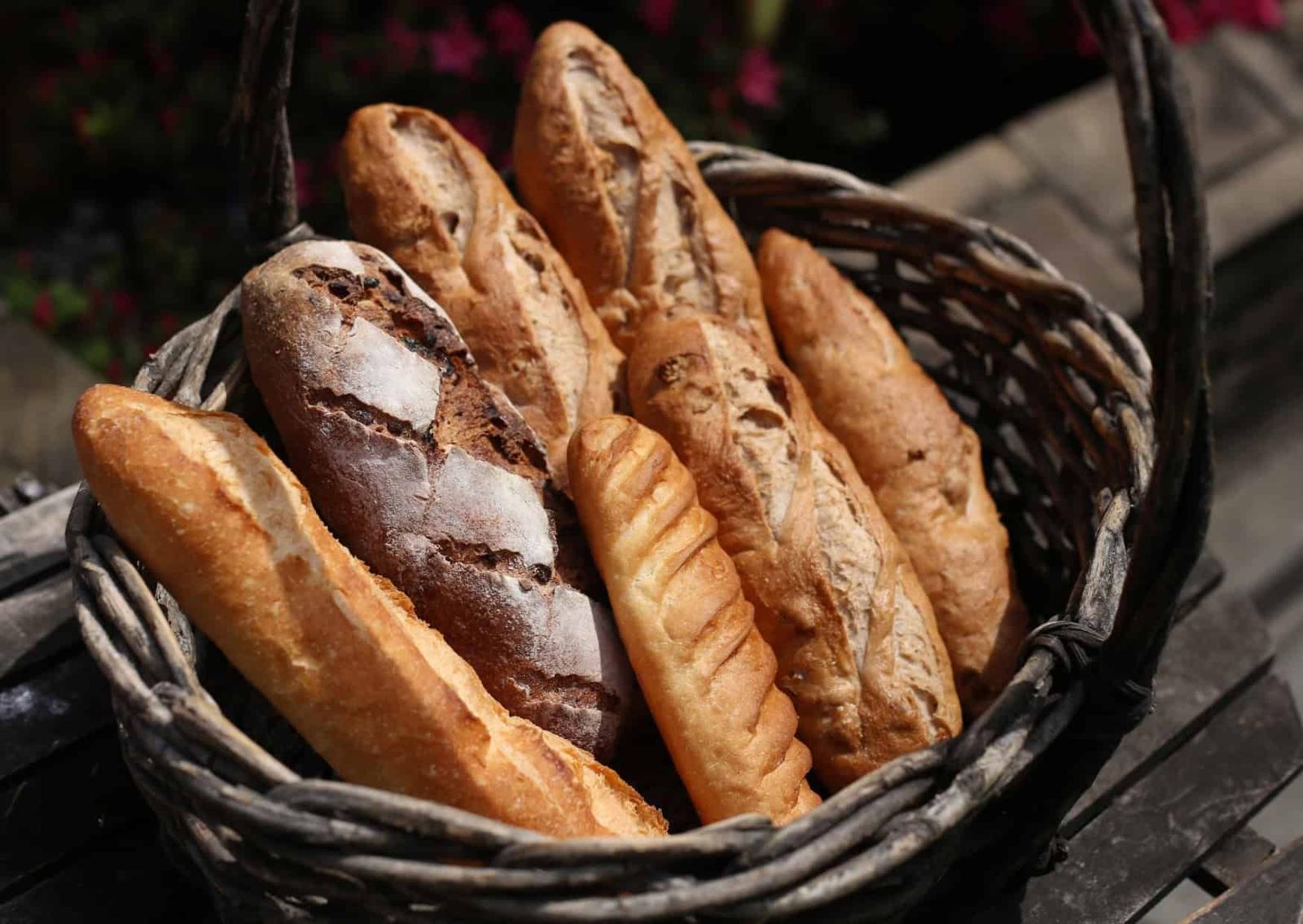
In France, the boulangerie is a daily ritual, not a tourist stop. Walk in with the right greeting, exact change, and the correct phrase and you will be waved to the front of the queue; hesitate and you will be skipped. This guide tells you exactly what to say, how to pay, and what not to touch.
Last updated: May 29, 2026
Opening Hours and When to Go
Most neighborhood bakeries follow the "Boulangerie de Proximité" charter (2,400 shops as of 2026), which commits them to open at least six days a week from 7 a.m. to 7 p.m. The best time to arrive is before 10 a.m., when the 15-25 age group with a Paris "Carte Imagine R" can still claim a 10 % rebate through the "Pass Boulangerie Jeunes". Expect the longest lines from 11:30 a.m. to 1 p.m. and again at 6 p.m. when locals pick up bread for dinner.
Bakeries close one day a week; the closure day is posted on the door. Rural communes classified as "Zones de Revitalisation Rurale" may use the "Dépôt de pain" delivery service, capped at €0.35 per order, if the local baker is shut.
Essential Vocabulary: What to Say and What It Means
Use the exact terms below. Anything else marks you as a visitor.
Item | French Term | Notes |
|---|---|---|
Standard baguette | baguette de tradition française | Protected label; by law only flour, water, salt, yeast/levain |
Cheaper baguette | baguette courante | May contain additives; price not regulated |
Rustic loaf | pain de campagne | Round, sourdough taste |
Whole-wheat | pain complet | 100 % whole-wheat flour |
Croissant | croissant au beurre | Made with pure butter; accept no substitute |
Pain au chocolat | pain au chocolat | Rectangular, two chocolate batons |
Brioche | brioche | Sweet, egg-enriched bread |
Key phrases:
- Bonjour, madame/monsieur. (Always greet first.)
- Je voudrais une baguette de tradition, s’il vous plaît.
- C’est tout, merci. (That’s everything, thank you.)
- Avec ça ? (Anything else?)
- C’est combien ? (How much is it?)
Step-by-Step: How to Order
- Queue on the right side of the counter. The left side is for people who have already ordered and are waiting for warm bread.
- Greet the server with "Bonjour, madame" or "Bonjour, monsieur". Skip the greeting and you will be ignored.
- State your order clearly using the exact terms above. If you need more than one, use numbers: deux baguettes, trois croissants.
- Watch the tongs. The server picks up every bread item with tongs or a piece of tissue. Never touch the bread yourself.
- Pay with exact change if possible. Contactless cards are accepted everywhere, but small coins speed the line.
- Take your receipt. Since the 2024 anti-fraud law, every bakery must generate a printed or digital ticket. Lack of a receipt can trigger a €7,500 fine for the shop.
Price Caps and What You Will Pay in 2026
Location | Price Cap for Traditional Baguette | Subsidy | Notes |
|---|---|---|---|
Paris intra-muros | €1.30 | none | Posted on a clear label if higher |
Bouches-du-Rhône (rural 112 communes) | €1.20 | €0.10 to baker | "Pain à 1,20 €" scheme |
Elsewhere | no cap | none | Market price |
All bread for home consumption carries 5.5 % VAT. Luxury pastries are at 10 % VAT.
Document Checklist for Subsidies and Rebates
If you qualify for one of the 2026 subsidy schemes, bring:
- Receipts for the full year (up to €100 reimbursement via Fonds de Solidarité Logement in 18 départements).
- Carte Imagine R (for 10 % morning rebate in Paris).
- Proof of address in a participating rural commune (for €1.20 baguette subsidy).
Common Pitfalls and How to Avoid Them
- Using “pain” as a generic word. "Pain" just means bread; the baker will ask which one.
- Arriving at 12:55 p.m. Many bakeries lock doors at 1 p.m. sharp.
- Asking for a “French stick”. The term is meaningless in France.
- Touching pastries with your hands. Use the provided tongs or ask the server.
- Demanding a sliced baguette. Sliced bread is sold in supermarkets, not artisan bakeries.
- Skipping the greeting. A curt "Une baguette" is heard as rude.
Hygiene and Labelling Rules You Will Notice
Since April 2026, 3,200 bakeries display a “Qualibread” QR code on each batch. Scanning it shows flour origin and baking time within 30 minutes. EU-wide “Nutri-Score” labels are voluntary; only 14 % of bakeries use them. The “Label Rouge” certification for baguettes now demands a 24-hour fermentation at 4 °C.
If you see a price above the posted cap or suspect hygiene issues, call Info-DGCCRF on 0809 540 550, Monday-Friday 08:30-18:00.
Seasonal Events and Freebies
- Fête du Pain (16-22 May 2026): bakeries that registered by 15 March and paid a €25 fee host free tastings.
- Rural dépôt de pain: if you live in a village whose bakery is closed on Monday, a van delivers bread for a €0.35 fee per order.
Frequently Asked Questions
Can I ask for yesterday’s bread at a discount?
No. Day-old bread is not sold; unsold stock is donated to local charities under a national agreement.
Is tap water free?
Yes. Ask for “un verre d’eau” and you will receive a small glass.
Do bakeries sell sandwiches at lunch?
Some do, but they are pre-made in the morning and may sell out by noon. Ask for "un sandwich jambon-beurre".
Are credit cards accepted?
Every bakery has contactless readers. Insert or tap; no signature required under €50.
Can I reserve a baguette by phone?
Only in very small villages. In cities, arrive early.
What if I drop my baguette?
The baker will replace it free of charge; just ask politely.
Do I tip?
No. Rounding up to the nearest 10 centimes is acceptable but never expected.
Learning the exact phrases above will turn the boulangerie from a stress point into two minutes of confidence each day. If you plan to stay in France, practicing with real bakery audio is the fastest way to lock the vocabulary in place - Migaku is built for exactly that.