Mexican Regional Cuisine: Oaxacan, Yucatecan, and Northern Specialties
最終更新日: 2026年5月16日
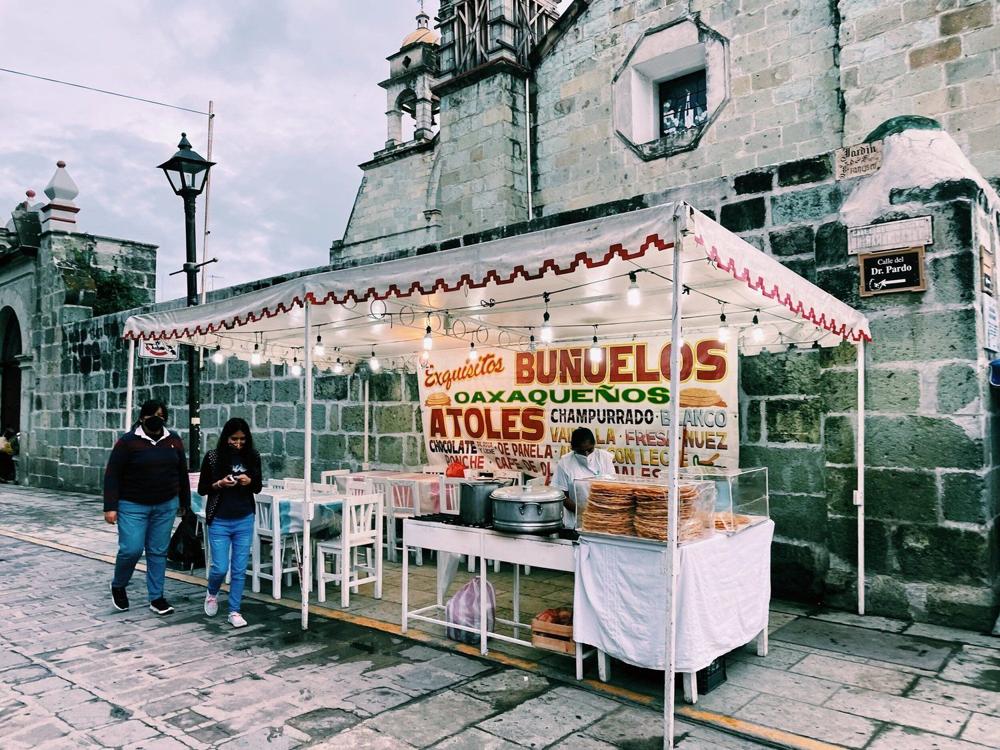
Mexican food is not one cuisine but a federation of regional kitchens shaped by climate, indigenous languages, and trade routes. This guide walks through what to eat (and what to know as a traveler or new resident) in Oaxaca, the Yucatán Peninsula, and the north, with current 2026 information on festivals, taxes, and protected designations.
Last updated: May 16, 2026
Why Mexican Cuisine Is Regional, Not National
In 2010, UNESCO inscribed Traditional Mexican Cuisine on the Representative List of the Intangible Cultural Heritage of Humanity, using Michoacán as the reference case. The listing acknowledges what anyone who has eaten across the country knows: the food in Mérida has almost nothing in common with the food in Monterrey, and Oaxaca runs on its own culinary logic entirely.
Three practical reasons drive the regional split:
- Geography and climate. The Yucatán's limestone shelf, tropical heat, and Caribbean coast produce different ingredients than Oaxaca's mountain valleys or the arid cattle-ranching north.
- Indigenous languages and continuity. Yucatec Maya, Zapotec, and Mixtec communities maintained pre-Hispanic techniques (pit cooking, nixtamalization, fermentation) that shaped local menus.
- Trade history. The Yucatán traded with Cuba and New Orleans more easily than with Mexico City for centuries. Oaxaca developed inland exchange networks for cacao and chiles. The north absorbed Texan, German, and Lebanese influences.
If you're moving to Mexico, picking a region partly means picking a diet. Below is what each region actually does well.
Oaxaca: Moles, Tlayudas, and Mezcal
Oaxaca is the state most Mexican chefs name when asked where the country's deepest cooking lives. The capital, Oaxaca de Juárez, is a UNESCO World Heritage site and a working food laboratory.
What to eat
- The seven moles. Negro, rojo, amarillo, verde, coloradito, chichilo, and manchamantel. Negro is the most famous, built on charred chiles, chocolate, and more than two dozen other ingredients. Order it over turkey (guajolote) for the traditional version.
- Tlayuda. A large, thin, partially-dried tortilla spread with asiento (pork lard), refried beans, quesillo (Oaxacan string cheese), and grilled meat. Street vendors around Llano Park and the 20 de Noviembre market do them well.
- Tasajo and cecina enchilada. Thin-sliced beef and chile-rubbed pork, grilled to order. The smoke alley in Mercado 20 de Noviembre is the standard tourist introduction.
- Chapulines. Toasted grasshoppers seasoned with lime, garlic, and chile. Sold by the cup in markets.
- Chocolate de agua. Drinking chocolate made with water (not milk), often served with pan de yema. Mayordomo and La Soledad are the main brands.
Mezcal
Mezcal carries a Denomination of Origin (DO) declared by the Mexican Institute of Industrial Property (IMPI) on November 28, 1994. As of 2025 the DO covers 12 states (Oaxaca, Durango, Guanajuato, Guerrero, Michoacán, Puebla, San Luis Potosí, Tamaulipas, Zacatecas, Aguascalientes, State of Mexico, and Morelos, which was added in 2025). Oaxaca remains the cultural and commercial center.
The governing standard is NOM-070-SCFI-2016, in force since 2017. It defines three categories:
Category | Method | Share of certified market |
|---|---|---|
Mezcal (industrial) | Modern stills, diffusers allowed | Under 5% |
Mezcal Artesanal | Stone or masonry ovens, copper or clay stills | Over 95% |
Mezcal Ancestral | Clay pots only, fully manual | Under 0.5% |
Under NOM-070, mezcal must be 100% agave and between 35% and 55% ABV. Compliance is verified by accredited bodies, principally COMERCAM (formerly CRM, established 1997, operational since 2003). About 98.78% of certified mezcal is Blanco.
Festivals worth planning around
- Guelaguetza 2026. The two main Lunes del Cerro performances are Monday July 20 and Monday July 27, 2026, at the Auditorio Guelaguetza on Cerro del Fortín. There is a matutina show at 10:00 AM and a vespertina at 5:00 PM. In 2025, Section A tickets were 1,573.78 MXN and Section B was 1,273.96 MXN plus service fees; Sections C and D are free, first-come, first-served. Tickets are sold through Superboletos, with a Banamex cardholder presale covering 15% of inventory and general sales opening June 1, capped at 2 tickets per person. The full 2026 program lists more than 140 events across July.
- Feria del Mezcal 2026. July 17 to 28, 2026, at the Centro Cultural y de Convenciones de Oaxaca. Admission is 80 pesos, hours 11:00 to 22:00. The 2026 edition will host 106 mezcal producers, 208 craft stands, 14 coffee producers, 24 agro-industrial producers, 16 artisanal beer producers, and over 20 food stands.
- Day of the Dead. Oaxaca's 2025 program ran October 26 to November 4, drew more than 89,000 visitors, generated revenues above 381 million pesos (roughly US$20.6 million), and 95% of activities were free. Expect a similar window in 2026 and book lodging months ahead.
Yucatán Peninsula: Maya Foundations, Caribbean Edges
The Yucatán's cooking is the most distinct in the country. Recados (spice pastes), sour orange, achiote, banana leaves, and habanero define almost every dish.
What to eat
- Cochinita pibil. Pork marinated in achiote and sour orange juice, wrapped in banana leaves, and traditionally cooked in a píib (earth oven). Served on warm tortillas with pickled red onion and habanero salsa.
- Sopa de lima. Turkey or chicken broth with shredded meat, fried tortilla strips, and lima agria (a local citrus).
- Papadzules. Tortillas filled with hard-boiled egg, bathed in pumpkin-seed sauce, topped with tomato.
- Salbutes and panuchos. Fried tortillas, the second stuffed with refried black beans, topped with turkey, lettuce, avocado, and pickled onion.
- Queso relleno. A hollowed Edam cheese stuffed with picadillo, served with two sauces. The Dutch cheese is the legacy of 19th-century Caribbean trade.
- Marquesitas. A street dessert: a thin crepe rolled around Edam cheese and a sweet filling. Yes, cheese.
Habanero and the local DO
Mexico holds the exclusive Denomination of Origin for habanero pepper, and the Yucatán Peninsula produces roughly 40% of the global supply. In 2025, the Centro de Investigación Científica de Yucatán (CICY) unveiled two new varieties, Mayan K'iin and Mayan Chac. If you cook at home, buy fresh habaneros in Mérida's Lucas de Gálvez market and freeze them whole.
Melipona honey
Melipona beecheii is a stingless native bee kept by Maya beekeepers for centuries. A European honeybee colony produces up to 110 lb of honey per year; a melipona hive yields no more than 1.5 liters annually. Retail prices in 2025 ran around 100 to 150 pesos per liter for standard Apis honey, while melipona honey commanded US$25 to 40 per kilogram internationally.
The situation is fragile. Over 80% of melipona populations in the peninsula have disappeared in recent decades, Mayan-zone beekeepers in Quintana Roo report a 93% decrease in hives over 25 years, and Yucatán has fewer than 500 Melipona breeders. A formal geographical indication for Yucatán Melipona honey has been proposed but is not yet granted at the federal level; check IMPI at gob.mx/impi for status updates. If you buy melipona honey, buy directly from cooperatives in towns like Maní or Hocabá.
Travel taxes you will actually pay
If your Yucatecan food trip includes Cancún, Tulum, Playa del Carmen, or Cozumel, you cross into Quintana Roo, which has its own rules:
Tax | 2026 amount | Notes |
|---|---|---|
VISITAX (Quintana Roo tourism tax) | ~283 to 285 MXN per person (2.5 UMA) | Mandatory for all foreign visitors including children; receipt valid 3 months; official portal visitax.gob.mx |
Lodging environmental tax (Cancún) | 76 MXN per night per room | Charged by the hotel |
Lodging tax (Playa del Carmen) | 54 MXN per couple | Charged by the hotel |
Lodging tax (Tulum) | Per person over age 12 | Confirm rate at check-in |
Cruise passenger tax (Cozumel/Costa Maya) | 50 MXN per person | Local |
Federal cruise passenger tax | US$5, rising to US$10 in August 2026 | Scheduled US$15 in July 2027, US$21 in November 2028 |
Sport fishing tax | 479 MXN per person | |
Swim-with-dolphins tax | 50 MXN |
VISITAX is administered by the Servicio de Administración Tributaria de Quintana Roo (SATQ). Pay online before departure to avoid airport queues.
Northern Mexico: Beef, Wheat, and Fire
The north (Nuevo León, Coahuila, Chihuahua, Sonora, Sinaloa, Baja California) is cattle country and wheat country. Tortillas are often flour, not corn, and grilling dominates.
What to eat
- Cabrito al pastor. Roast kid goat, splayed on a metal rod over mesquite coals. The Monterrey signature. El Rey del Cabrito and El Gran Pastor are reliable.
- Carne asada. Less a dish than a weekend social institution. Thin-cut beef grilled over mesquite, served with flour tortillas, grilled green onions, guacamole, and salsas.
- Machaca. Dried, shredded beef, rehydrated and scrambled with eggs, tomato, onion, and chile. Standard Sonoran breakfast.
- Burritos. The original is from Chihuahua: a flour tortilla wrapped tightly around one or two fillings (deshebrada, chile relleno, machaca), nothing more.
- Sonoran flour tortillas. Paper-thin, sometimes a meter across (tortillas sobaqueras). A regional craft in its own right.
- Pescado zarandeado. A Sinaloan grilled fish, butterflied and slow-cooked over wood. Mazatlán is the place.
- Baja seafood. Ensenada-style fish tacos (battered, fried, with crema and cabbage), Puerto Nuevo lobster, and the wines of the Valle de Guadalupe.
Practical Tips for Eating Across Mexico in 2026
- Markets first. Mercado 20 de Noviembre in Oaxaca, Lucas de Gálvez in Mérida, and Mercado Juárez in Monterrey will teach you more in two hours than most guidebooks.
- Water. Tap water is not potable. Restaurants serve purified water and ice; market stalls usually do as well, but ask if you're unsure.
- Tipping. 10 to 15% in sit-down restaurants. Not expected at market stalls.
- Cash. Many small comedores and mezcalerías are cash-only. Carry pesos in small denominations.
- Spice. Yucatecan habanero salsas are genuinely hot. Order them on the side until you've calibrated.
- Certified mezcal. Look for the COMERCAM hologram and a NOM number on the label. Anything sold loose in plastic bottles outside official channels is not certified.
- Allergies. Many moles contain nuts and sesame; many recados contain achiote and citrus. Ask. "Lleva cacahuate?" (does it have peanut?) and "Lleva ajonjolí?" (sesame?) are useful.
FAQs
Is mezcal the same as tequila? Both are agave distillates. Tequila is restricted to blue weber agave and a smaller geographic area; mezcal can be made from dozens of agave species across 12 states under NOM-070-SCFI-2016.
Can I bring mezcal home? Subject to your country's customs allowances. In the EU, the standard duty-free allowance is 1 liter of spirits over 22% ABV. In the US, one liter is duty-free for personal use; more is allowed but may incur duty.
When is the best time to visit Oaxaca for food? Late July for Guelaguetza and the Feria del Mezcal, or late October to early November for Day of the Dead. Both are crowded; book accommodations three to six months out.
Do I need to pay VISITAX before flying to Cancún? Yes, all foreign visitors including children must pay. The 2026 rate is roughly 283 to 285 MXN per person. Pay at visitax.gob.mx; the receipt is valid for 3 months.
Where can I try Melipona honey responsibly? Buy directly from Maya cooperatives in Yucatán towns such as Maní or Hocabá, or from established cultural centers in Mérida. Avoid roadside vendors selling unverified product, since melipona populations have collapsed and counterfeit honey is common.
What about regional Spanish? Yucatecan Spanish has its own intonation and vocabulary borrowed from Maya (you'll hear "mare" as an exclamation). Oaxacan menus include Zapotec and Mixtec words. Northern Spanish is faster and uses more anglicisms. Learning food vocabulary first makes daily life easier.
If you're moving to Mexico or planning a long food trip, picking up Spanish through real menus, market chatter, and Mexican shows will get you eating (and ordering) confidently faster than textbook drills. Migaku is built for learning from native content like that.